Tirzepatide Telehealth Louisiana — Fast Online Access
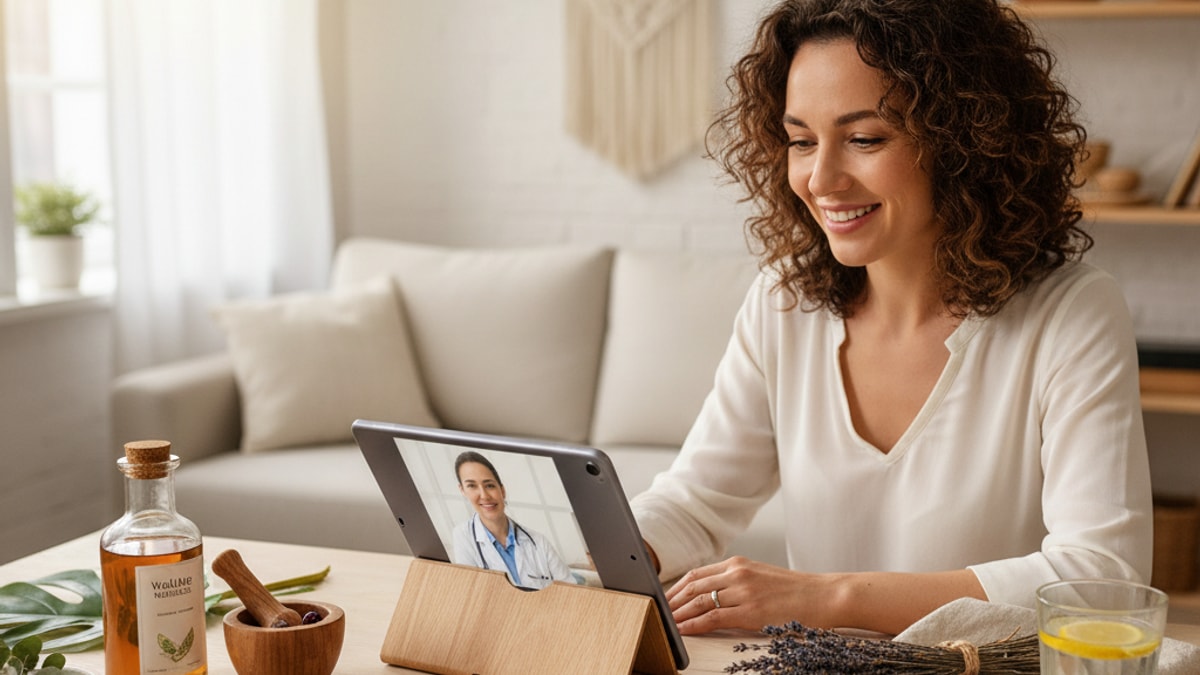
Tirzepatide Telehealth Louisiana — Fast Online Access
Louisiana ranks among the top ten states for adult obesity prevalence, with over 36% of adults meeting clinical obesity criteria according to 2025 CDC data. For residents across New Orleans, Baton Rouge, Shreveport, and rural parishes, access to specialized weight management care has traditionally meant long drives, months-long waitlists, or navigating insurance denials for GLP-1 medications. Tirzepatide telehealth in Louisiana changes that equation entirely. Licensed medical providers conduct video consultations, write prescriptions, and coordinate shipment of compounded tirzepatide directly to your door, often within 48 hours of your initial appointment.
Our team has worked with hundreds of patients navigating this exact transition from in-person clinic models to fully remote care. The gap between doing it right and doing it wrong comes down to three things most guides never mention: provider licensing verification, medication sourcing transparency, and realistic expectation-setting around side effect management without in-person follow-up.
What is tirzepatide telehealth in Louisiana, and how does it work?
Tirzepatide telehealth in Louisiana is a fully remote healthcare model where state-licensed medical providers conduct video consultations, evaluate patient eligibility for tirzepatide (a dual GIP and GLP-1 receptor agonist approved for weight management), write prescriptions, and coordinate shipment of compounded medication from FDA-registered 503B pharmacies to the patient's address. The entire process. From initial consultation to medication delivery. Occurs without requiring in-person clinic visits, making it accessible to residents statewide regardless of proximity to specialized weight management centers.
Yes, Louisiana residents can legally access tirzepatide through telehealth. But only when the prescribing provider holds an active Louisiana medical license and complies with Louisiana State Board of Medical Examiners telemedicine standards, which mandate synchronous audio-visual consultation prior to controlled substance prescribing under Louisiana Revised Statute 37:1285. The medication itself must be compounded by a pharmacy registered with the Louisiana Board of Pharmacy. These aren't optional regulatory details. They're the legal framework that separates legitimate telehealth from operations that can't legally serve Louisiana patients. This article covers how tirzepatide telehealth actually functions in Louisiana, what the state-specific eligibility criteria are, how to verify provider legitimacy, what side effects require immediate contact versus routine follow-up, and what happens if you need to stop treatment mid-course.
How Tirzepatide Telehealth Works in Louisiana
The tirzepatide telehealth process in Louisiana begins with an online intake form where you provide medical history, current medications, weight and height data, and any contraindications like personal or family history of medullary thyroid carcinoma or multiple endocrine neoplasia type 2 (MEN2). Within 24–48 hours, you're scheduled for a synchronous video consultation with a Louisiana-licensed physician or nurse practitioner. Louisiana law requires real-time audio-visual interaction, not asynchronous questionnaire-based prescribing. During the 15–30 minute consultation, the provider reviews your metabolic health markers (recent labs if available, though not always required for initial prescribing), discusses your weight loss goals, explains the mechanism of tirzepatide as a dual GIP and GLP-1 receptor agonist, and evaluates contraindications.
If approved, the prescription is transmitted electronically to a partner compounding pharmacy. Typically an FDA-registered 503B outsourcing facility that prepares sterile injectable tirzepatide under USP <797> standards. Compounded tirzepatide is not the same as brand-name Mounjaro or Zepbound; it contains the same active molecule (tirzepatide) but is prepared by a licensed pharmacy rather than manufactured by Eli Lilly. The FDA permits compounding of tirzepatide during periods of confirmed shortage, which has been continuously documented since mid-2022. The medication ships in lyophilized (freeze-dried) powder form with bacteriostatic water for reconstitution, arriving with syringes, alcohol prep pads, and a sharps container. Most Louisiana patients receive their first shipment within 48–72 hours of prescription approval via temperature-controlled courier.
Our experience working with Louisiana-based patients shows that the reconstitution step is where most errors occur. Not the injection itself. The lyophilized powder must be mixed with the correct volume of bacteriostatic water (typically 2–3 mL depending on vial concentration), swirled gently (never shaken, which denatures the peptide), and allowed to dissolve fully before drawing the dose. Once reconstituted, the medication must be refrigerated at 2–8°C and used within 28 days. Any temperature excursion above 8°C for more than two hours risks irreversible protein denaturation. The medication may look normal but delivers reduced or zero potency.
Who Qualifies for Tirzepatide Telehealth in Louisiana
Louisiana providers prescribing tirzepatide for weight management follow FDA-approved eligibility criteria established in the SURMOUNT clinical trial program: BMI ≥30 kg/m², or BMI ≥27 kg/m² with at least one weight-related comorbidity (type 2 diabetes, hypertension, dyslipidemia, obstructive sleep apnea, or cardiovascular disease). These aren't arbitrary cutoffs. They represent the thresholds at which clinical trial data demonstrated statistically significant weight reduction and metabolic improvement. Patients with BMI below 27 kg/m² are generally not eligible unless significant metabolic disease is present, and most telehealth platforms enforce these limits at the intake stage.
Absolute contraindications include personal or family history of medullary thyroid carcinoma (MTC) or multiple endocrine neoplasia syndrome type 2 (MEN2), active pancreatitis or history of GLP-1-induced pancreatitis, severe gastroparesis, and pregnancy or planned pregnancy within six months. Tirzepatide has a half-life of approximately five days, meaning it takes four to five weeks for the medication to be more than 99% cleared from the body. The standard medical recommendation is to discontinue tirzepatide at least two months before attempting to conceive. Women of childbearing age must use reliable contraception during treatment.
Relative contraindications. Situations where providers exercise clinical judgment. Include diabetic retinopathy (GLP-1 agonists can temporarily worsen retinopathy during rapid glucose normalization), active gallbladder disease, severe gastrointestinal motility disorders, and renal impairment with eGFR below 30 mL/min. Louisiana telehealth providers typically request recent lab work (comprehensive metabolic panel, lipid panel, HbA1c, thyroid function) if not available within the past 12 months, though this isn't a universal requirement for initial prescribing. Patients over age 65 or with complex medical histories may be referred for in-person evaluation rather than cleared for telehealth-only management.
Louisiana-Specific Telehealth Regulations You Should Know
Louisiana State Board of Medical Examiners (LSBME) telemedicine regulations, codified in Louisiana Revised Statute 37:1285 and Louisiana Administrative Code Title 46:XLV, establish that prescribing controlled substances or scheduled medications via telemedicine requires a 'bona fide physician-patient relationship' established through synchronous audio-visual consultation. This is stricter than many states. Asynchronous questionnaire-based prescribing models that operate legally in states like Florida or Texas cannot legally serve Louisiana patients without violating state medical practice law. The prescribing provider must hold an active, unrestricted Louisiana medical license; out-of-state providers operating under interstate compacts are not automatically authorized to prescribe in Louisiana without Louisiana-specific licensure.
Compounded tirzepatide must be dispensed by a pharmacy registered with the Louisiana Board of Pharmacy (LSBOP). Out-of-state 503B facilities can ship to Louisiana addresses, but they must hold Louisiana non-resident pharmacy permits and comply with LSBOP record-keeping and labeling requirements. Patients should verify that the dispensing pharmacy's Louisiana permit number is listed on the medication label. This is the clearest signal that the pharmacy is legally authorized to serve Louisiana residents. If the label shows only a home-state permit (e.g., a Texas pharmacy license number without a Louisiana non-resident permit), that's a red flag for regulatory non-compliance.
Louisiana Medicaid does not currently cover compounded tirzepatide for weight management, and commercial insurance coverage for compounded formulations is rare regardless of carrier. Most Louisiana patients accessing tirzepatide telehealth pay out-of-pocket, with monthly costs ranging from $250–$450 depending on dose and pharmacy. Brand-name Mounjaro and Zepbound are covered by some Louisiana commercial plans when prior authorization is approved, but telehealth platforms rarely contract directly with insurance for branded products. Patients pursuing insurance coverage typically need to work with traditional in-person endocrinology or bariatric medicine practices.
Tirzepatide Telehealth Louisiana: Comparison
| Feature | Telehealth Compounded Tirzepatide | In-Person Brand-Name Tirzepatide | Professional Assessment |
|---|---|---|---|
| Provider Access | Licensed Louisiana provider via video. No travel required | Requires in-person visits with endocrinologist or bariatric specialist | Telehealth removes geographic barriers but may lack nuanced clinical assessment for complex cases |
| Cost (Monthly) | $250–$450 out-of-pocket | $1,000–$1,350 retail; $25–$50 with insurance prior authorization | Compounded is 60–80% cheaper but insurance never covers it. Branded may cost less with good insurance |
| Medication Source | Compounded by FDA-registered 503B pharmacy | Manufactured by Eli Lilly, FDA-approved as Mounjaro/Zepbound | Compounded uses the same molecule but lacks batch-level FDA oversight. Branded has full traceability |
| Availability | Typically 48–72 hours from consultation to delivery | Subject to insurance approval delays (2–6 weeks) and pharmacy stock shortages | Telehealth compounded rarely has supply interruptions; branded shortages are ongoing as of 2026 |
| Follow-Up Model | Asynchronous messaging or scheduled video check-ins | In-person labs and visits every 8–12 weeks | Telehealth may miss subtle adverse events (retinopathy changes, early pancreatitis) detectable in-person |
Key Takeaways
- Tirzepatide telehealth in Louisiana is legal when the prescribing provider holds an active Louisiana medical license and complies with Louisiana Revised Statute 37:1285 requiring synchronous audio-visual consultation.
- Compounded tirzepatide contains the same active molecule as Mounjaro and Zepbound but is prepared by FDA-registered 503B pharmacies during periods of FDA-confirmed shortage. It is not 'fake' medication, but it lacks the batch-level oversight of branded products.
- Monthly out-of-pocket costs for compounded tirzepatide through Louisiana telehealth platforms range from $250–$450, compared to $1,000+ retail for branded alternatives without insurance.
- Tirzepatide has a half-life of approximately five days, requiring a minimum two-month washout period before attempting to conceive. Discontinuation planning should begin early if pregnancy is intended.
- Gastrointestinal side effects (nausea, vomiting, diarrhea) occur in 30–45% of patients during dose escalation but typically resolve within 4–8 weeks as receptor density adjusts to higher circulating GLP-1 levels.
- Louisiana Medicaid and most commercial insurers do not cover compounded tirzepatide. Insurance coverage is limited to branded Mounjaro or Zepbound with prior authorization, typically requiring documented BMI ≥30 or BMI ≥27 with comorbidities.
What If: Tirzepatide Telehealth Louisiana Scenarios
What if I live in rural Louisiana with unreliable internet access?
Schedule your video consultation at a location with stable internet. A public library, a friend's home, or a mobile hotspot zone. Louisiana telemedicine law requires synchronous audio-visual interaction, so audio-only phone calls don't satisfy the legal standard for controlled substance prescribing. If video consultation isn't feasible anywhere in your area, you'll need to pursue in-person care or relocate temporarily for the initial appointment. Once the prescription is active, follow-up check-ins can often be conducted via messaging or brief video calls with lower bandwidth requirements.
What if I start tirzepatide and experience severe nausea that makes it impossible to eat?
Contact your prescribing provider immediately if nausea prevents solid food intake for more than 48 hours or causes vomiting more than three times in 24 hours. The standard response is to reduce your current dose by 50% or revert to the previous dose level for an additional 4–6 weeks before attempting escalation again. Severe nausea during dose escalation is a sign that GLP-1 receptor density in your gastrointestinal tract hasn't downregulated enough to tolerate the higher dose. Forcing through it increases the risk of dehydration, electrolyte imbalance, and medication discontinuation. Anti-nausea medications like ondansetron (Zofran) or promethazine can bridge the gap, but dose reduction is the definitive solution.
What if my compounded tirzepatide arrives warm or the ice packs are melted?
Do not use it. Lyophilized tirzepatide is stable at room temperature for 24–48 hours, but reconstituted tirzepatide or pre-mixed pens must remain between 2–8°C during shipping. If the packaging feels warm to the touch or the ice packs are fully melted with no residual cold, the medication has likely undergone temperature excursion above 8°C. This denatures the peptide structure, rendering it partially or completely ineffective. Contact the pharmacy for a replacement shipment. Most reputable 503B facilities include temperature monitoring stickers that change color if the package exceeded safe temperature thresholds during transit.
The Unvarnished Truth About Tirzepatide Telehealth Louisiana
Here's the honest answer: tirzepatide telehealth in Louisiana is not inherently better or worse than in-person care. It's a different risk-benefit trade-off. You gain convenience, cost savings, and elimination of geographic barriers. You lose the subtle clinical oversight that in-person visits provide: the provider who notices early diabetic retinopathy changes during a fundoscopic exam, the lab trend that suggests gallbladder inflammation before it becomes acute cholecystitis, the weight plateau at week twelve that signals the need for combination therapy rather than dose escalation. Telehealth works extremely well for metabolically straightforward patients with BMI 30–40, no significant comorbidities, and the health literacy to recognize when side effects require immediate escalation versus routine follow-up. It works poorly for patients with complex medical histories, active gastrointestinal disease, or those who need hands-on reassurance during the reconstitution and injection process. The medication is identical. The clinical scaffolding around it is not.
Tirzepatide telehealth Louisiana removes every logistical barrier to accessing one of the most effective weight management medications in clinical practice today. But it doesn't remove the clinical complexity of managing that medication safely over 12–24 months. If you're comfortable with the trade-offs, it's an exceptional option. If you need more hands-on support, traditional in-person care still has a role. The choice isn't between 'good' and 'bad'. It's between models optimized for different patient profiles. Be honest about which profile describes you, and choose accordingly. Start your treatment now and connect with a Louisiana-licensed provider within 24 hours.
Frequently Asked Questions
Can I get tirzepatide through telehealth in Louisiana without seeing a doctor in person?▼
Yes, Louisiana law permits telehealth prescribing of tirzepatide when the provider conducts a synchronous audio-visual consultation and holds an active Louisiana medical license. You do not need an in-person visit to receive a prescription, but the consultation must occur via video call — asynchronous questionnaire-based prescribing does not satisfy Louisiana Revised Statute 37:1285 requirements for controlled substance prescribing. Once the prescription is active, follow-up management can often be handled via messaging or brief video check-ins.
How much does tirzepatide telehealth cost in Louisiana without insurance?▼
Out-of-pocket costs for compounded tirzepatide through Louisiana telehealth platforms range from $250–$450 per month, depending on dose and pharmacy. This includes the medication, supplies (syringes, alcohol pads, sharps container), and shipping. The initial consultation fee is typically $50–$150 as a one-time charge. Louisiana Medicaid and most commercial insurers do not cover compounded tirzepatide — insurance coverage is limited to branded Mounjaro or Zepbound with prior authorization, which telehealth platforms rarely facilitate.
Is compounded tirzepatide from telehealth safe and legal in Louisiana?▼
Compounded tirzepatide is legal in Louisiana when prepared by an FDA-registered 503B outsourcing facility or state-licensed compounding pharmacy holding a Louisiana Board of Pharmacy permit. It contains the same active molecule (tirzepatide) as brand-name Mounjaro and Zepbound but is compounded under USP <797> sterile preparation standards rather than manufactured by Eli Lilly. The FDA permits compounding of tirzepatide during periods of confirmed drug shortage, which has been continuously documented since mid-2022. Safety depends on pharmacy quality — verify the Louisiana permit number on your medication label to confirm legal dispensing.
What side effects should I expect when starting tirzepatide through Louisiana telehealth?▼
Gastrointestinal side effects — nausea, vomiting, diarrhea, and constipation — occur in 30–45% of patients during dose escalation and are most pronounced in the first 4–8 weeks at each new dose. These effects result from GLP-1 receptor activation in the gut, which slows gastric emptying and delays hunger signaling. Most patients experience symptom resolution as receptor density adjusts over time. Eating smaller, lower-fat meals and avoiding lying down within two hours of eating reduces nausea severity. If vomiting occurs more than three times in 24 hours or prevents solid food intake for more than 48 hours, contact your provider immediately.
Can I travel with tirzepatide prescribed through Louisiana telehealth?▼
Yes, but temperature management is the critical constraint. Lyophilized (unreconstituted) tirzepatide powder can tolerate short-term room temperature exposure (up to 25°C for 24–48 hours), but reconstituted vials must be kept between 2–8°C at all times. Most insulin coolers or FRIO wallets maintain this range for 36–48 hours without electricity. Carry your prescription documentation (either a printed copy or the prescription email from your provider) when traveling, especially if flying — TSA may inspect injectable medications but cannot confiscate them if properly documented.
How does tirzepatide telehealth in Louisiana compare to in-person weight loss clinics?▼
Tirzepatide telehealth eliminates geographic barriers, reduces monthly costs by 60–80% compared to branded alternatives, and delivers medication within 48–72 hours of consultation. In-person clinics provide more hands-on clinical oversight — lab trend monitoring, physical exams, and immediate side effect management — but typically require 2–6 week wait times for new patient appointments and involve higher costs if insurance doesn’t cover the visit or medication. Telehealth works best for metabolically straightforward patients; in-person care is better suited for complex medical histories or patients who need hands-on support during injection training.
What happens if I miss a weekly tirzepatide dose?▼
If you miss a weekly tirzepatide injection by fewer than five days, administer the missed dose as soon as you remember and continue your regular schedule. If more than five days have passed, skip the missed dose entirely and resume on your next scheduled date — do not double-dose to ‘catch up’. Missing doses during titration may cause temporary return of appetite before the next administration, as the medication’s half-life (approximately five days) means therapeutic plasma levels decline significantly by day six or seven.
Will I regain weight if I stop taking tirzepatide after reaching my goal?▼
Clinical evidence shows that most patients regain a significant portion of lost weight after discontinuing tirzepatide — the SURMOUNT Extension trial found that participants regained approximately two-thirds of their lost weight within one year of stopping treatment. This is not a medication failure; it reflects the fact that tirzepatide corrects impaired satiety signaling and elevated ghrelin that return when the medication is removed. Transition planning with your prescribing provider — including dietary adjustments, structured exercise, and potentially a lower maintenance dose — can significantly reduce rebound weight gain.
Do I need lab work before starting tirzepatide through Louisiana telehealth?▼
Most Louisiana telehealth providers request recent lab work (comprehensive metabolic panel, lipid panel, HbA1c, thyroid function) if results aren’t available within the past 12 months, though this isn’t a universal requirement for initial prescribing. Labs help identify contraindications like severe renal impairment (eGFR below 30 mL/min), uncontrolled thyroid disease, or pre-existing liver dysfunction. Some platforms allow you to proceed with prescribing and obtain labs concurrently during your first month of treatment. If you have type 2 diabetes or cardiovascular disease, baseline labs are strongly recommended to track metabolic improvement over time.
Can Louisiana telehealth providers prescribe brand-name Mounjaro or Zepbound instead of compounded tirzepatide?▼
Technically yes, but most telehealth platforms don’t facilitate insurance-based prescribing of branded Mounjaro or Zepbound because the prior authorization process requires extensive documentation and direct insurer communication that telehealth workflows aren’t designed to handle. If you have commercial insurance that covers branded tirzepatide, you’re better served by an in-person endocrinology or bariatric medicine practice that specializes in insurance navigation. Telehealth platforms focus on compounded tirzepatide because it’s available immediately without insurance approval delays and costs 60–80% less than branded alternatives at retail pricing.

Transforming Lives, One Step at a Time
Keep reading

Starting Tirzepatide While on the Pill: The First Four Weeks
You have your first box and you take an oral contraceptive. There is a labeled instruction that applies to you, and the mistake almost…
Marathon Training on Tirzepatide When You Can’t Fuel
You have a plan on the fridge and a medication that has made eating feel optional. Those two things are in genuine conflict, and…

Paying Cash for Tirzepatide? Don’t Stretch Your Supply
When every vial comes out of your own pocket, the arithmetic is hard to ignore. If a month’s supply costs what it costs, and…


