How Long Have GLP 1 Been on the Market: A History of Weight Management

Introduction
If you feel like you are hearing about weight loss injections every single day, you are not alone. It seems like medications like Ozempic®, Wegovy®, and Mounjaro® appeared out of thin air to change the way we talk about metabolic health. However, the science behind these treatments is far from new. At TrimRx, we believe that understanding the history of these medications helps remove the “miracle drug” mystery and replaces it with clinical confidence. For a quick primer on the hormone itself, start with what GLP-1 is.
Many people are surprised to learn that the first medication in this class was approved nearly two decades ago. This article will trace the timeline of glucagon-like peptide-1 (GLP-1) medications from their early discovery to their current status as the gold standard for medical weight loss. We will cover how they work, why they transitioned from diabetes care to weight management, and how our platform helps you access personalized treatment today. If you want to see whether treatment could fit your goals, complete the free assessment quiz.
Quick Answer: The first GLP-1 medication was approved by the FDA in 2005. While they were originally used for type 2 diabetes, the first GLP-1 specifically approved for chronic weight management arrived in 2014.
The Early Discovery of GLP-1
The story of GLP-1 begins in the 1980s. Researchers were looking for hormones that could help the body manage blood sugar more effectively. They discovered a natural hormone produced in the gut called glucagon-like peptide-1. In plain English, a GLP-1 is a messenger. It tells your pancreas to release insulin after you eat and tells your brain that you are full.
For years, scientists struggled to turn this discovery into a medicine. The natural version of the hormone in your body only lasts for about two minutes before it breaks down. To make it a useful treatment, they had to create a version that could stay in the system much longer. These synthetic versions are called GLP-1 receptor agonists. An agonist is simply a substance that mimics the actions of a natural hormone in the body. If you want a deeper plain-English look at the mechanism, how GLP-1 actually works for weight loss is a helpful next read.
The First Approval: 2005
The first breakthrough came in April 2005. The FDA approved exenatide, which was sold under the brand name Byetta. This was a massive step forward for people with type 2 diabetes. It was the first time doctors could offer a treatment that stimulated the body’s own insulin production only when blood sugar was high. For a broader explainer on injections in this class, see GLP-1 injections explained.
This medication required two injections per day. While it was effective for blood sugar, it was not yet focused on weight loss. However, doctors and patients started noticing something interesting during clinical trials. Patients were not just managing their blood sugar; they were also losing weight. This observation set the stage for the next twenty years of research.
The Evolution of Weight Loss Science
As the years passed, researchers worked to make these medications more convenient and effective. In 2010, the FDA approved liraglutide, known as Victoza, for the treatment of type 2 diabetes. This was the first once-daily GLP-1 injection.
The weight loss seen in Victoza patients was so significant that the manufacturer began studying it specifically for people struggling with obesity. This led to a major milestone in 2014.
2014: A Turning Point for Weight Management
In December 2014, the FDA approved Saxenda® (liraglutide) specifically for chronic weight management. This was a pivotal moment because it was the first time a GLP-1 medication was marketed primarily for weight loss rather than diabetes.
Even though Saxenda® was effective, it still required a daily injection. The medical community was looking for a way to make treatment easier for patients to maintain over the long term. This search led to the development of semaglutide, which would eventually become the most famous molecule in modern weight loss history.
2017 to 2021: The Semaglutide Era
Semaglutide was first approved as Ozempic® in 2017 for type 2 diabetes. It was a weekly injection, which was a huge improvement for patient convenience. By 2021, the same molecule was approved under the brand name Wegovy® for weight loss. Wegovy® showed even more impressive weight loss results in clinical trials than its predecessors.
Understanding the GLP-1 Mechanism
To understand why these drugs have stayed on the market for so long, you have to understand what they do to the body. A GLP-1 receptor agonist does three main things to support weight management.
First, it slows down gastric emptying. This means food stays in your stomach longer. You feel full with smaller portions, and that feeling of “fullness” lasts for several hours after a meal.
Second, it interacts with the part of the brain called the hypothalamus. This is the area that controls hunger and cravings. The medication helps quiet “food noise,” which is the constant, intrusive thought about when or what you will eat next.
Third, it helps the body manage blood sugar and insulin more efficiently. When your insulin levels are stable, your body is less likely to store excess energy as fat.
Key Takeaway: GLP-1 medications are not stimulants. They work by mimicking natural hormones that regulate appetite and digestion, which is why they have a different safety profile than older weight loss pills.
The Arrival of Dual Agonists
The most recent innovation in this field is the introduction of dual agonists. In 2023, the FDA approved Zepbound® (tirzepatide) for weight loss. This medication is a bit different because it targets two hormones: GLP-1 and GIP (glucose-dependent insulinotropic polypeptide). For a closer look at the dual-action pathway, read how tirzepatide works.
By targeting both pathways, these medications may offer even more support for the body’s metabolic processes. While GLP-1 has been on the market since 2005, this new “dual” approach represents the next generation of treatment.
Why the Longevity Matters
The fact that GLP-1 medications have been on the market for nearly 20 years is important for your peace of mind. When a medication is new, there are often questions about its long-term impact. Because the first GLP-1 was approved in 2005, we have nearly two decades of real-world data on how these medications affect the human body.
We know how they interact with the cardiovascular system, how they affect the pancreas, and what the common side effects look like over several years of use. This long history allows healthcare providers to prescribe these treatments with a clear understanding of the safety profile.
At TrimRx, we prioritize this evidence-based approach. We use the clinical history of these medications to design programs that are safe and effective for the long term.
The Distinction Between Branded and Compounded Medications
As you research how long these drugs have been around, you will likely see a lot of information about compounded medications. It is vital to understand the difference.
Branded medications like Ozempic®, Wegovy®, Mounjaro®, and Zepbound® are proprietary products that have gone through specific FDA approval processes for their brand-name labels. These are often the medications you see in television commercials.
Compounded Semaglutide and Compounded Tirzepatide are different. These are custom-made medications prepared by specialized pharmacies. While the individual branded drugs are FDA-approved, the compounded versions themselves are not FDA-approved.
However, we only work with FDA-registered and inspected compounding pharmacies. These pharmacies follow strict regulations to ensure the quality and consistency of the medication. This allows us to provide access to these essential treatments even when there are shortages of the branded versions.
How to Access GLP-1 Treatments Online
In the past, getting a prescription for a GLP-1 meant multiple trips to a specialist’s office and hours in waiting rooms. Our platform changes that. We offer a telehealth-first model that brings clinical expertise to you.
Step 1: Complete the Assessment Quiz
The first step is taking our free online assessment quiz. This helps us understand your health history, your goals, and whether you might be a candidate for a prescription program.
Step 2: Provider Consultation
A licensed healthcare provider will review your information. They look at your BMI, medical history, and any potential contraindications. This ensures that the medication is safe for you to use.
Step 3: Personalized Treatment Plan
If you are eligible, you will receive a personalized program. This includes the medication, supplies, and ongoing support. Your medication is shipped directly to your door from a licensed pharmacy.
Step 4: Unlimited Support
Weight loss is a journey, not a single event. We provide 24/7 access to our team to help you manage side effects, adjust your plan, and stay on track.
Managing Expectations and Side Effects
Even though GLP-1s have been around for a long time, they are not without side effects. Most people experience mild symptoms when they first start or when they increase their dose. These often include nausea, indigestion, or changes in bowel habits.
Because these medications slow down digestion, your body needs time to adjust. We often recommend starting with a very low dose and increasing it slowly. For those who need extra help managing the transition, we offer GLP-1 Daily Support supplement. This supplement is designed to help your body handle the changes that come with GLP-1 therapy.
Bottom line: GLP-1s have a nearly 20-year track record of safety, but they work best when combined with professional medical guidance and a personalized approach.
Is a GLP-1 Right for You?
Choosing to start a medical weight loss program is a big decision. It is helpful to look at who typically benefits most from these treatments. Clinical guidelines generally suggest GLP-1 therapy for individuals with a BMI of 30 or greater, or a BMI of 27 or greater with at least one weight-related health condition like high blood pressure or high cholesterol. If you are wondering whether those criteria might apply to you, see if you qualify for a personalized program.
If you have tried traditional diets and exercise programs without success, your biology might be working against you. Many people struggle with a high “set point,” which is the weight your body naturally tries to maintain. GLP-1s can help lower that set point by changing the hormonal signals your body sends to your brain.
The Future of Metabolic Health
The field of GLP-1 research is still expanding. Scientists are now looking at how these medications might help with other conditions, such as liver disease, sleep apnea, and even addictive behaviors. What started as a focused tool for diabetes in 2005 has grown into one of the most versatile and impactful classes of medication in modern medicine.
Our mission is to ensure that you can benefit from this science in a way that is simple and transparent. We remove the barriers of high costs and confusing pharmacy visits. By focusing on personalization, we help you find the right path for your unique body. If you want added energy support during a weight-loss routine, the Weight Loss Boost supplement is another option to explore.
Starting Your Journey with TrimRx
The history of GLP-1s shows that these medications are not a fad. They are the result of decades of dedicated research into how the human body processes energy and signals hunger. We are proud to be part of the next chapter of this story by making these treatments more accessible than ever before.
At TrimRx, we believe that everyone deserves a weight loss plan that is backed by science and supported by real people. We combine the clinical power of GLP-1s with a modern, telehealth-driven experience. You don’t have to navigate this alone. Our team is here to guide you through every step of the process, from your first assessment to your final goal weight.
If you are ready to stop the cycle of frustrated dieting and start a program built on twenty years of medical progress, take the next step with the assessment quiz.
Key Takeaway: Taking our free assessment quiz is the best way to see if a personalized GLP-1 program is the right fit for your metabolic health goals.
FAQ
When was the first GLP-1 medication approved by the FDA?
The first GLP-1 receptor agonist, exenatide (Byetta), was approved by the FDA in April 2005. It was originally intended for the treatment of type 2 diabetes to help patients manage their blood sugar levels.
How long have GLP-1s been used specifically for weight loss?
The first GLP-1 medication specifically approved for chronic weight management was Saxenda® in December 2014. Before that, weight loss was observed as a common secondary effect in patients taking GLP-1s for diabetes.
Are the “new” weight loss drugs like Wegovy® different from the older ones?
Wegovy® uses the molecule semaglutide, which is more potent and lasts longer in the body than earlier GLP-1s. While the basic mechanism of mimicking the GLP-1 hormone is the same as the 2005 version, the newer medications are generally more effective for weight loss.
Is it safe to take a medication that has been around this long?
The nearly 20-year history of GLP-1 medications provides a significant amount of safety data. Because they have been used by millions of people since 2005, healthcare providers have a very good understanding of their long-term effects and safety profile.
Disclaimer: This content is for informational purposes only and does not constitute medical advice. It is not intended to diagnose, treat, cure, or prevent any disease or condition. Individual results may vary. Always consult a qualified healthcare professional before starting any weight loss program or medication.

Transforming Lives, One Step at a Time
Keep reading

How to Adjust Weight Loss Goals on GLP-1 Medications
Adjust weight goals on GLP-1 meds by tracking body composition and labs, optimizing protein, activity, sleep, and working with your provider on dosing.
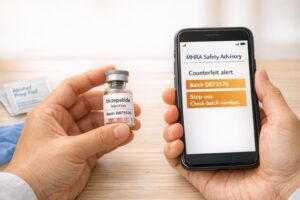
Falsified Mounjaro pens prompt urgent safety advisory
MHRA warns of counterfeit Mounjaro pens (batch D873576); stop use and check batch numbers for infection risk.
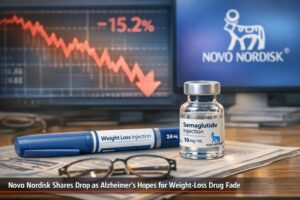
Novo Nordisk shares drop as Alzheimer’s hopes for weight-loss drug fade
Novo Nordisk’s semaglutide failed to slow Alzheimer’s in large trials, prompting shares to fall and expert reactions.


