Can You Lose Weight Without GLP-1?
Introduction
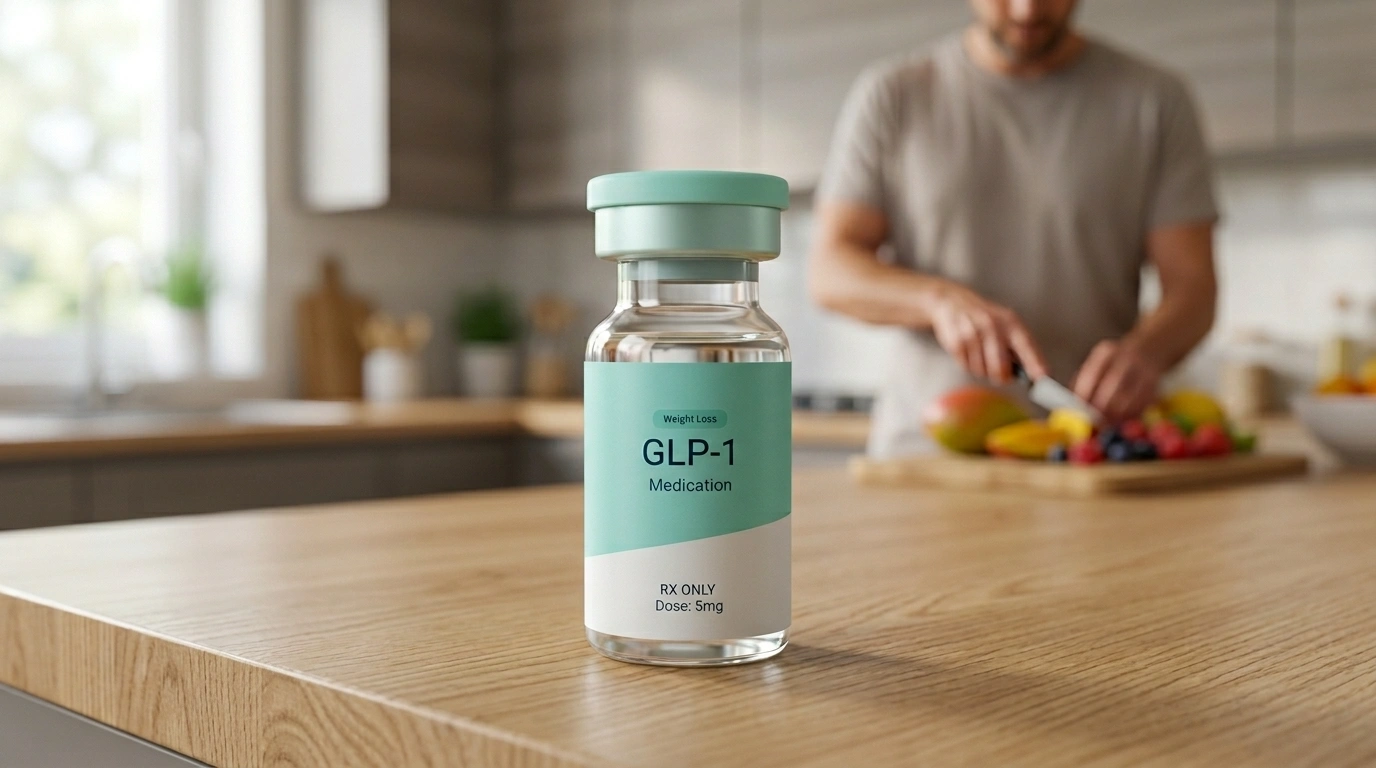
Weight loss is a complex journey that many embark on, often filled with trials, experiments, and the occasional frustration. While the landscape of weight loss has been transformed by the introduction of GLP-1 medications, such as Ozempic and Wegovy, a pressing question lingers: can you lose weight without these medications?
Statistics show that nearly 70% of adults in the United States are overweight or obese, which highlights an urgent need for effective weight management strategies. With so many options available, from dietary changes and exercise regimes to supplements and medical interventions, understanding all possible pathways to weight loss is essential.
In this blog post, we will explore the various methods of weight loss beyond GLP-1 medications. We will discuss traditional approaches, innovative strategies, and the role of personalized care in achieving sustainable weight loss. Our goal is to provide you with a comprehensive understanding of your options and to empower you on your weight loss journey.
We will cover the following aspects:
- Understanding Weight Loss Fundamentals
- Traditional Weight Loss Methods
- The Role of Nutrition in Weight Management
- Physical Activity: Its Importance in Weight Loss
- The Psychological Component of Weight Loss
- Supplement Alternatives: Quick-Access Options
- The Case for Personalized Weight Loss Solutions
- Integrating Support Systems for Success
- Conclusion
- FAQs
Understanding Weight Loss Fundamentals
At its core, weight loss is about creating a calorie deficit—burning more calories than you consume. This fundamental principle remains the same, regardless of whether you use medications like GLP-1s or rely on traditional methods.
When we eat more calories than we expend, our bodies store the excess energy as fat, leading to weight gain. Conversely, creating a calorie deficit through diet, exercise, or a combination of both is essential for weight loss. However, factors such as metabolism, genetics, and hormonal influences can significantly affect how easily one can achieve and maintain this deficit.
Traditional Weight Loss Methods
Traditional methods for weight loss include caloric restriction, portion control, and careful food selection. Here’s a breakdown of several tried-and-true strategies:
1. Caloric Deficit
Creating a caloric deficit can be achieved through dietary choices and physical activity. Reducing calorie intake by 500 to 1,000 calories per day is often recommended for gradual weight loss (1-2 pounds per week).
2. Dietary Modifications
Switching to a balanced diet rich in whole foods—such as fruits, vegetables, lean proteins, and whole grains—can help in managing weight effectively. Foods high in fiber and protein tend to be more satiating, making it easier to stick to a reduced-calorie diet.
3. Portion Control
Being mindful of portion sizes can prevent overeating. Using smaller plates, measuring servings, and being conscious of hunger cues can help manage food intake.
The Role of Nutrition in Weight Management
Nutrition plays a vital role in successful weight loss. A well-balanced diet not only helps create a calorie deficit but also ensures that the body receives necessary nutrients.
1. Macros and Micros
Understanding macronutrients—carbohydrates, proteins, and fats—and how they affect the body is crucial. Each macronutrient serves a different function. For instance, protein is essential for muscle growth and repair, while carbohydrates provide energy for workouts.
2. Hydration
Staying hydrated is often overlooked in weight loss plans. Sometimes, feelings of hunger can actually be signs of dehydration. Drinking adequate water can help control appetite and improve metabolic function.
Physical Activity: Its Importance in Weight Loss
Exercise is another cornerstone of weight management. Not only does it help burn calories, but it also builds muscle, which can boost metabolism and promote long-term weight maintenance.
1. Types of Exercise
Incorporating both aerobic (cardio) and anaerobic (strength training) exercises into your routine is beneficial. While cardio burns calories, strength training helps build lean muscle mass, which can increase resting metabolic rate.
2. Consistency is Key
Regular activity is crucial for sustained weight loss. The CDC recommends at least 150 minutes of moderate-intensity exercise per week for general health and well-being.
The Psychological Component of Weight Loss
The psychological aspect of weight loss is often underestimated. Emotional eating, stress, and motivation significantly influence our ability to stick to a weight loss plan.
1. Mindfulness
Practicing mindfulness during meals can enhance your awareness of hunger and satiety cues, helping to prevent overeating. Techniques such as mindful eating can foster a healthier relationship with food.
2. Support Systems
Having a support system in place can greatly enhance motivation. Whether through friends, family, or professional guidance, accountability can help you stay on track with your weight loss goals.
Supplement Alternatives: Quick-Access Options
While GLP-1 medications have gained attention for their weight loss benefits, there are several supplement alternatives available that may support your weight loss journey.
1. GLP-1 Daily Support
This supplement aims to complement your weight loss efforts by promoting healthy metabolic function and appetite regulation. It can be a helpful addition to your routine as you work towards your goals.
Explore GLP-1 Daily Support here.
2. Weight Loss Boost
This quick-access supplement offers additional support, helping to enhance energy levels and overall wellness during your weight loss journey.
Get your Weight Loss Boost today.
The Case for Personalized Weight Loss Solutions
At TrimRx, we believe that personalized weight loss solutions are the most effective approach to achieving and maintaining a healthy weight. Our programs are designed to cater to individual needs, preferences, and medical backgrounds, ensuring that each participant receives tailored support.
1. Comprehensive Assessments
To begin, individuals can complete our free assessment quiz to determine their eligibility for our personalized weight loss medications. This step allows us to develop a treatment plan that aligns with your specific health profile.
Take the free assessment quiz here.
2. Medically Supervised Care
Our programs include consultations with healthcare providers, allowing for ongoing support and adjustments as needed. This personalized care ensures that you are always on the right track towards your weight loss goals.
Integrating Support Systems for Success
Effective weight management is rarely a solo journey. Integrating support systems into your weight loss plan can provide the motivation and accountability needed to succeed.
1. Professional Guidance
Working with dietitians, nutritionists, or personal trainers can provide valuable insights and strategies tailored to your unique needs.
2. Community Resources
Joining a weight loss group or community can foster camaraderie and allow you to share experiences, tips, and encouragement with others on similar journeys.
Conclusion
While GLP-1 medications can offer significant support for weight loss, they are not the only avenue available. By understanding the fundamentals of weight loss, incorporating traditional methods, exploring supplement options, and seeking personalized care, you can successfully lose weight without relying solely on GLP-1s.
Weight loss is a unique journey for everyone, and at TrimRx, we are committed to supporting you in finding the best path for your individual needs. Together, we can navigate the complexities of weight management and work towards sustainable health and wellness.
FAQ
Can I lose weight without using GLP-1 medications?
Absolutely! Many individuals successfully lose weight through dietary changes, physical activity, and personalized support systems.
What role does diet play in weight loss?
Diet is critical for weight loss, as it directly affects calorie intake and nutrient consumption. A balanced, nutritious diet can help create a calorie deficit while providing essential nutrients.
How can I create a caloric deficit?
You can create a caloric deficit by reducing calorie intake through diet, increasing physical activity, or a combination of both.
Are supplements effective for weight loss?
Certain supplements can support weight loss efforts, but they should not be seen as a replacement for a healthy diet and lifestyle. Always consult with a healthcare provider before starting any new supplement.
How do I know if a personalized weight loss program is right for me?
Taking our free assessment quiz can help determine your eligibility and guide you in creating a tailored treatment plan that suits your needs.
By addressing these questions and more, we hope to provide you with a comprehensive understanding of your weight loss options beyond GLP-1 medications. Your journey is unique, and we are here to help you every step of the way.

Transforming Lives, One Step at a Time
Keep reading

How to Adjust Weight Loss Goals on GLP-1 Medications
Adjust weight goals on GLP-1 meds by tracking body composition and labs, optimizing protein, activity, sleep, and working with your provider on dosing.
Falsified Mounjaro pens prompt urgent safety advisory
MHRA warns of counterfeit Mounjaro pens (batch D873576); stop use and check batch numbers for infection risk.

Novo Nordisk shares drop as Alzheimer’s hopes for weight-loss drug fade
Novo Nordisk’s semaglutide failed to slow Alzheimer’s in large trials, prompting shares to fall and expert reactions.


