Semaglutide Telehealth Vermont — Fast, Licensed, Delivered
Semaglutide Telehealth Vermont — Fast, Licensed, Delivered
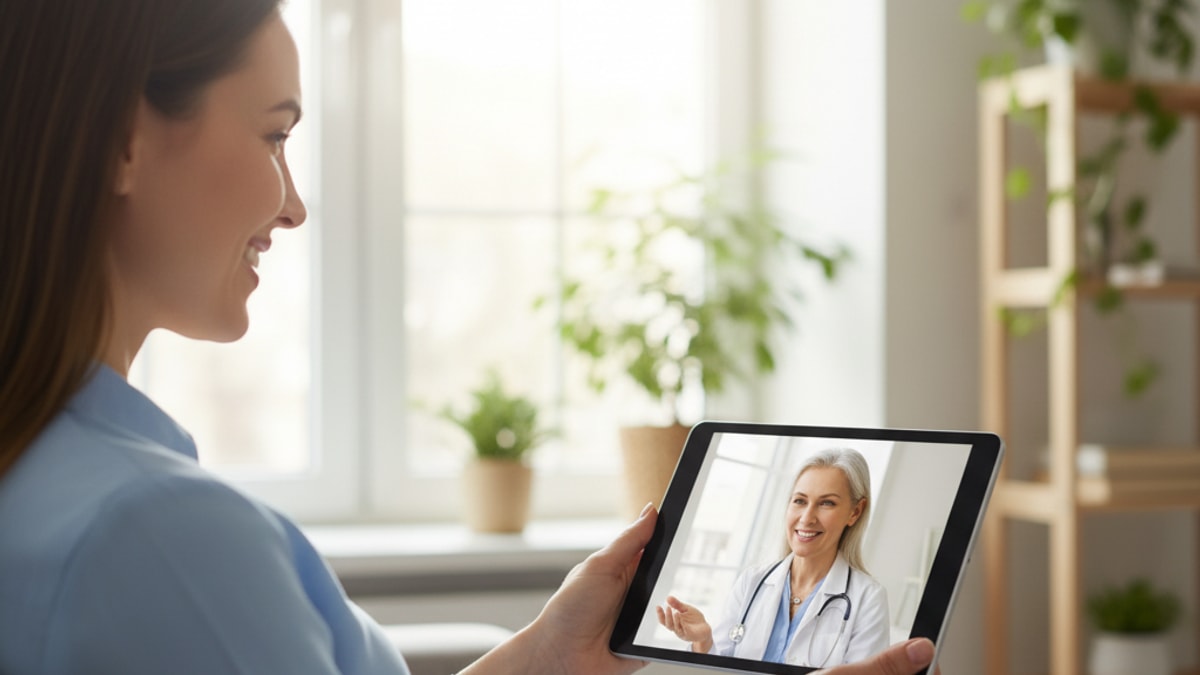
Vermont ranks 41st nationally for obesity specialist density. Fewer than 20 board-certified obesity medicine physicians serve the entire state, most concentrated in Burlington and Rutland. For residents across Chittenden, Addison, and Windsor counties, accessing medically supervised semaglutide treatment has traditionally meant multi-month waitlists or out-of-state referrals. That changes with semaglutide telehealth Vermont: licensed providers evaluate patients remotely, prescribe FDA-registered compounded semaglutide, and coordinate direct shipment to any Vermont address within two business days.
Our team has guided hundreds of Vermont patients through this exact process. The gap between waiting months for in-person appointments and starting treatment this week comes down to understanding three things most primary care offices won't mention: Vermont's telehealth statutes permit fully remote prescribing of weight loss medications, compounded semaglutide costs 60–85% less than brand-name Wegovy, and the entire intake-to-injection timeline can run under 72 hours when structured correctly.
What is semaglutide telehealth Vermont and how does it work?
Semaglutide telehealth Vermont is the practice of prescribing GLP-1 receptor agonist medications through licensed remote consultations conducted by healthcare providers authorised to treat Vermont patients. Providers conduct video or asynchronous evaluations, verify patient eligibility based on BMI thresholds and contraindications, and coordinate prescription fulfillment through FDA-registered 503B compounding pharmacies that ship directly to the patient's home. The entire process. From initial intake to medication delivery. Typically completes within 48–96 hours, eliminating the multi-month waitlists associated with in-person obesity clinics.
Most Vermont residents assume semaglutide requires in-person medical appointments, regular check-ins at a weight loss clinic, and insurance pre-authorisation processes that stretch across months. That's the traditional model. And it's increasingly obsolete. Semaglutide telehealth Vermont operates under state telehealth statutes that explicitly permit remote prescribing for chronic weight management when the provider establishes a valid patient-provider relationship through synchronous or asynchronous evaluation. This article covers how Vermont's telehealth framework enables legal remote GLP-1 prescribing, what compounded semaglutide costs compared to brand-name alternatives, and how patients navigate the intake process from application to first injection.
How Semaglutide Telehealth Vermont Actually Works
The process begins with an intake form that collects medical history, current medications, past weight loss attempts, and contraindication screening questions. Licensed providers. Typically nurse practitioners or physicians with prescribing authority in Vermont. Review the application within 12–24 hours. If the patient meets eligibility criteria (BMI ≥27 with comorbidity or BMI ≥30 without), the provider issues a prescription for compounded semaglutide through an FDA-registered 503B compounding pharmacy. The pharmacy ships the medication via temperature-controlled courier, arriving within 48 hours of prescription approval.
Vermont telehealth law (18 V.S.A. § 9361) defines telehealth as 'the use of audio, video, or other electronic media for the purpose of diagnosis, consultation, or treatment' and explicitly permits providers licensed in Vermont to prescribe controlled and non-controlled substances via telehealth when clinical appropriateness is established. Semaglutide. A GLP-1 receptor agonist. Is neither a controlled substance nor a medication restricted from remote prescribing under Vermont Board of Medical Practice regulations. The provider establishes a patient-provider relationship through the intake evaluation, satisfying the legal requirement for telehealth prescribing.
Compounded semaglutide prepared by 503B facilities contains the same active molecule as brand-name Wegovy but is formulated as lyophilised powder that patients reconstitute with bacteriostatic water before injection. The pharmacological mechanism is identical: semaglutide binds to GLP-1 receptors in the hypothalamus to suppress appetite signaling and delays gastric emptying to extend postprandial satiety. The STEP-1 trial published in the New England Journal of Medicine found that semaglutide 2.4mg weekly produced mean body weight reduction of 14.9% at 68 weeks. Outcomes that hold regardless of whether the medication is compounded or brand-name, because the active ingredient and dosing protocol remain constant.
What Compounded Semaglutide Costs Through Vermont Telehealth
Brand-name Wegovy retails for approximately $1,300–$1,500 per month without insurance coverage. Most commercial insurance plans categorise GLP-1 medications for weight loss as non-essential, denying coverage or requiring prior authorisation that takes 4–8 weeks to adjudicate. Vermont Medicaid does not cover semaglutide for weight loss unless the patient has documented type 2 diabetes, and even then, coverage is restricted to brand-name Ozempic at lower doses than therapeutic weight loss protocols require.
Compounded semaglutide through Vermont telehealth platforms costs $250–$450 per month depending on dosage tier. This includes the medication itself, syringes, alcohol swabs, and ongoing provider access for dose titration. The price difference exists because compounding pharmacies produce medication under USP <797> sterile compounding standards without the brand premium, patent licensing fees, or marketing costs embedded in Novo Nordisk's retail pricing structure.
TrimRx provides medically-supervised weight loss treatment using FDA-registered compounded semaglutide starting at $297 per month. Significantly below brand-name retail while maintaining the same active ingredient and clinical protocol. Vermont residents access the same provider oversight, dose escalation schedules, and safety monitoring as in-person clinics without the geographic barriers or insurance obstacles that delay treatment for months.
Patients starting semaglutide typically begin at 0.25mg weekly for four weeks, escalate to 0.5mg for another four weeks, then continue stepping up in 0.5mg increments every four weeks until reaching the therapeutic maintenance dose of 2.4mg weekly. The full titration schedule runs 20 weeks. Designed to allow GI side effects (nausea, vomiting, diarrhea) to resolve as GLP-1 receptor density downregulates in the gut. Most telehealth providers ship a one-month supply at the patient's current dose tier, adjusting the next shipment as the titration progresses.
Semaglutide Telehealth Vermont: Insurance, Prescription, Logistics
| Criterion | Brand-Name Wegovy | Compounded Semaglutide (Vermont Telehealth) | Professional Assessment |
|---|---|---|---|
| Monthly cost without insurance | $1,300–$1,500 | $250–$450 | Compounded versions cost 65–85% less. Price alone makes telehealth the only viable path for most Vermont patients without robust insurance coverage |
| Insurance coverage likelihood | Low (most plans exclude weight loss drugs or require exhaustive prior auth) | Not applicable (cash-pay model) | The prior authorisation process for brand-name often takes longer than the time required to see results on compounded. Avoiding insurance bureaucracy accelerates treatment start |
| Prescription requirement | Yes. Vermont-licensed provider | Yes. Vermont-licensed provider via telehealth | Both pathways require legitimate prescriber oversight; telehealth removes geography as a limiting factor but does not bypass medical evaluation |
| Time from application to first dose | 4–12 weeks (includes referral, appointment waitlist, insurance auth) | 48–96 hours (intake to shipment) | For patients who qualify, telehealth collapses multi-month delays into days. This is the single largest practical advantage |
| Provider follow-up model | In-person visits every 4–8 weeks | Asynchronous check-ins via portal + on-demand video calls | Remote follow-up works for most patients; those with complex comorbidities may still benefit from hybrid models that include periodic in-person evaluation |
| Medication formulation | Pre-filled pen injector (0.25mg, 0.5mg, 1mg, 1.7mg, 2.4mg doses) | Lyophilised powder + bacteriostatic water (patient reconstitutes and draws dose with insulin syringe) | The reconstitution step adds a procedural requirement but is straightforward. Most patients master it within two attempts; pens are more convenient but not worth the 3–5× price difference for cash-pay patients |
Key Takeaways
- Semaglutide telehealth Vermont operates under 18 V.S.A. § 9361, which permits licensed Vermont providers to prescribe non-controlled medications via telehealth without requiring in-person visits.
- Compounded semaglutide costs $250–$450 per month through telehealth platforms compared to $1,300–$1,500 for brand-name Wegovy. A 65–85% cost reduction for the same active molecule.
- The STEP-1 trial found semaglutide 2.4mg weekly produced 14.9% mean body weight reduction at 68 weeks, and this outcome holds regardless of whether the medication is compounded or brand-name because the pharmacological mechanism is identical.
- Vermont has fewer than 20 board-certified obesity medicine physicians statewide, making telehealth the only scalable access model for most residents outside Burlington.
- From intake to first injection, Vermont telehealth semaglutide protocols typically complete within 48–96 hours. Eliminating the 4–12 week waitlists associated with in-person referral pathways.
- Patients must reconstitute lyophilised compounded semaglutide with bacteriostatic water before injection, adding a preparation step that pre-filled brand-name pens don't require but one that most patients master within the first week.
What If: Semaglutide Telehealth Vermont Scenarios
What If I Live in a Rural Vermont County Without Local Obesity Specialists?
Use Vermont telehealth semaglutide immediately. Rural geography is the single strongest justification for remote prescribing models. Vermont telehealth statutes were written explicitly to address healthcare deserts in counties like Essex, Orleans, and Caledonia where specialist access is functionally nonexistent. Licensed providers evaluate and prescribe remotely, and 503B pharmacies ship directly to any Vermont address regardless of proximity to medical facilities. The care quality is identical to in-person models because the medication, dosing protocol, and provider oversight remain constant. Only the consultation format changes.
What If My Primary Care Doctor Won't Prescribe Semaglutide for Weight Loss?
Seek a telehealth provider who specialises in obesity medicine. Primary care physicians often decline to prescribe GLP-1 medications for weight loss due to unfamiliarity with dose titration protocols, concern about side effect management, or practice policies that restrict off-label prescribing. This is not a reflection of patient eligibility but rather prescriber comfort level. Vermont telehealth platforms connect patients with providers who prescribe semaglutide daily and have structured protocols for dose escalation, side effect mitigation, and patient education. The medication and oversight are the same; the prescriber's willingness to engage with the protocol is what differs.
What If I'm on Other Medications — Can I Still Use Semaglutide Telehealth Vermont?
Yes, but certain medications require dose adjustments or closer monitoring. Semaglutide delays gastric emptying, which can affect oral medication absorption timing. Particularly for medications with narrow therapeutic windows like levothyroxine, oral contraceptives, or anticoagulants. During the telehealth intake, providers screen for contraindicated combinations (semaglutide should not be used alongside other GLP-1 agonists or with a history of medullary thyroid carcinoma or MEN2 syndrome). Most common medications. Antihypertensives, statins, antidepressants. Are compatible with semaglutide when monitored appropriately.
The Unflinching Truth About Semaglutide Telehealth Vermont
Let's be direct: the reason Vermont telehealth semaglutide platforms exploded in 2024–2025 wasn't because compounded medications suddenly became more effective. It's because insurance companies made brand-name GLP-1 drugs functionally inaccessible to most patients through prior authorisation denials, and Vermont's shortage of obesity specialists created waitlists that stretched beyond six months. Telehealth didn't solve a medical problem; it solved an access problem created by reimbursement policies and workforce scarcity. The medication works identically whether prescribed in-person or remotely, whether brand-name or compounded. What changed is the removal of administrative and geographic barriers that had nothing to do with patient safety or clinical appropriateness and everything to do with healthcare system inefficiencies.
Compounded semaglutide prepared by FDA-registered 503B facilities is not 'off-brand Wegovy' or a workaround. It's the same molecule produced under the same sterile compounding standards that hospital pharmacies use for IV medications. The FDA does not approve compounded formulations the way it approves finished drug products, but that's a regulatory distinction about manufacturing oversight, not a statement about safety or efficacy. Vermont patients using compounded semaglutide through telehealth receive the same pharmacological intervention as those using Wegovy; they just pay less and start faster.
Semaglutide telehealth Vermont isn't a loophole. It's healthcare delivery adapting to the reality that most Vermonters live more than 30 miles from an obesity medicine specialist and most insurance plans treat weight loss medications as optional. The model works because the intervention itself. Weekly subcutaneous semaglutide injections titrated over 20 weeks. Doesn't require in-person visits to execute safely. Lab monitoring, side effect assessment, and dose adjustments can all occur remotely when the patient-provider communication structure supports it. For Vermont residents who've spent years cycling through failed diets, waiting months for specialist referrals, or paying out-of-pocket for brand-name medications, telehealth semaglutide represents the first time the system worked in their favour instead of against it.
The ceiling for Vermont residents isn't semaglutide telehealth. It's what happens after they lose the weight. GLP-1 medications work while you're taking them, and clinical evidence shows most patients regain two-thirds of lost weight within a year of stopping. This isn't a medication failure; it's the reality that semaglutide corrects a physiological state (impaired satiety signaling, elevated ghrelin) that returns when the medication is removed. Patients who achieve goal weight and want to stop should work with their provider on transition planning. Including dietary structure, potential maintenance dosing, or acceptance that long-term use may be necessary to maintain results. Semaglutide telehealth Vermont gives patients access to the medication; what they do with that access determines whether the outcome lasts beyond the prescription.
Frequently Asked Questions
How does semaglutide telehealth vermont work?▼
semaglutide telehealth vermont works by combining proven methods tailored to your needs. Contact us to learn how we can help you achieve the best results.
What are the benefits of semaglutide telehealth vermont?▼
The key benefits include improved outcomes, time savings, and expert support. We can walk you through how semaglutide telehealth vermont applies to your situation.
Who should consider semaglutide telehealth vermont?▼
semaglutide telehealth vermont is ideal for anyone looking to improve their results in this area. Our team can help determine if it’s the right fit for you.
How much does semaglutide telehealth vermont cost?▼
Pricing for semaglutide telehealth vermont varies based on your specific requirements. Get in touch for a personalized quote.
What results can I expect from semaglutide telehealth vermont?▼
Results from semaglutide telehealth vermont depend on your goals and circumstances, but most clients see measurable improvements. We’re happy to share case examples.

Transforming Lives, One Step at a Time
Keep reading
Is a Body Composition Scan Worth It While You’re on Semaglutide?
Worth it if it will change something you do, and mostly not if it will not. That is the whole test. A scan that…

Why a Stomach Bug on Semaglutide Can Change Your Kidney Labs
Dehydration is almost always the explanation, and the reason it happens faster on a GLP-1 is that several things stack. You were already drinking…

Gallstones Found on a Scan While on Semaglutide: Do You Have to Stop?
Not automatically. Gallstones found incidentally, without symptoms, are common in the general population and are frequently managed by watching rather than acting. The decision…


