A Long Daily Commute on Ozempic
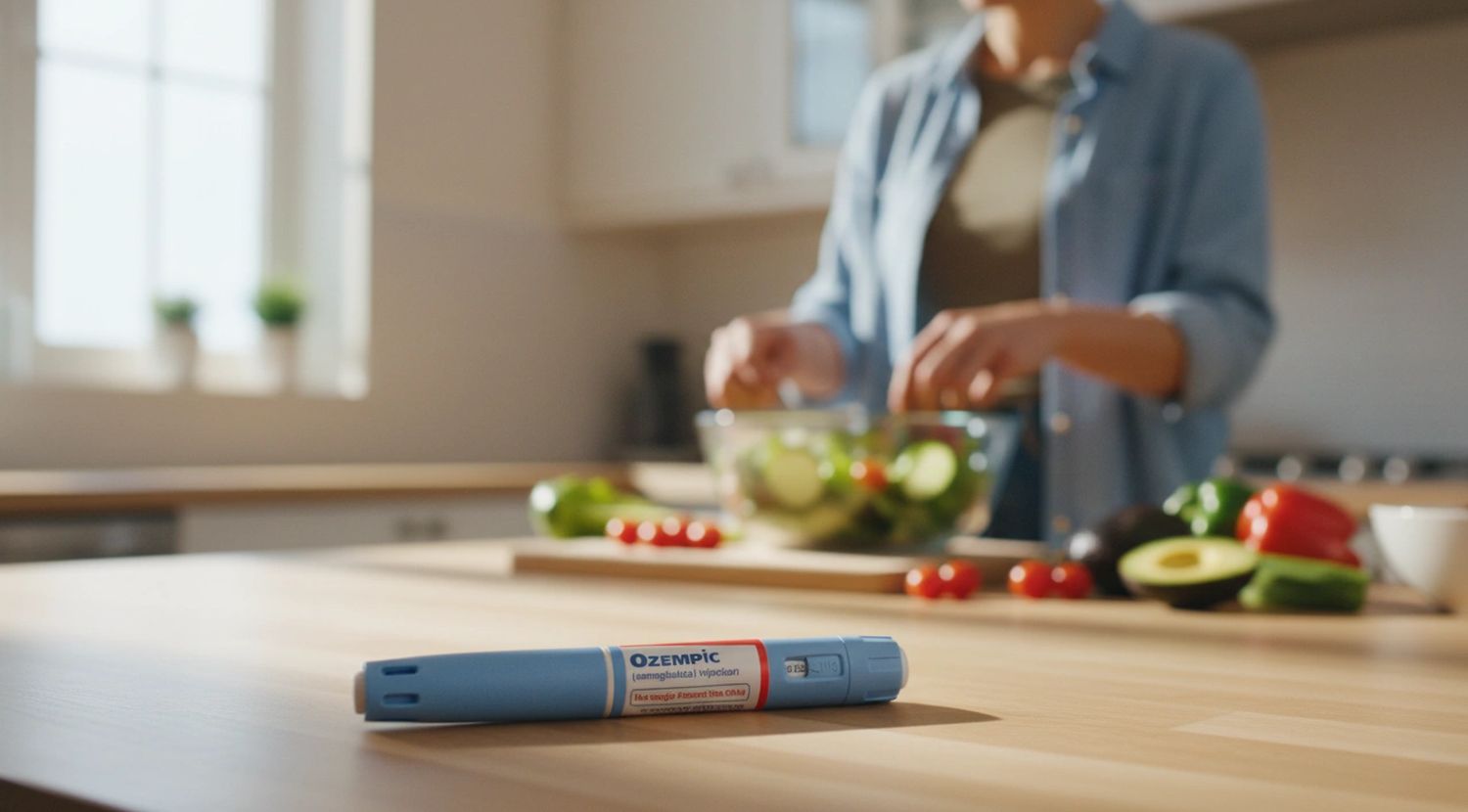
A long commute eats into your day. You leave early, get home late, and often eat in the car, on the train, or not at all. On Ozempic or another GLP-1, that can mean long gaps without food, nausea on bumpy rides, and a large dinner late in the evening that does not sit well.
Here is how to plan your eating and your medication around a long daily commute.
Do not skip breakfast because you are rushing
Early starts and a small morning appetite make it easy to leave the house on an empty stomach. Keep something small and easy ready the night before, such as a yogurt, a hard-boiled egg, or a small protein shake you can sip on the way.
Pack commute-friendly snacks
Keep a small bag of easy, non-messy protein:
- Cheese sticks or a small cheese pack.
- Nuts or roasted chickpeas.
- Protein bars that sit well with you.
- Hard-boiled eggs in a small cooler bag.
- Jerky.
- A small bottle of milk or a shake.
Eat a little every few hours rather than nothing until dinner.
Nausea on the road or rails
Motion can make GLP-1 nausea worse. If you feel queasy while commuting, avoid eating a large meal right before you leave, choose plain snacks like crackers, sip water, look ahead rather than at a screen, and get fresh air if you can. If you drive, pull over safely if you feel unwell. Side effects tend to be strongest early and after each dose increase, so be extra careful in those days. If you are new to treatment, our guide on the Ozempic starting dose covers what the first weeks usually look like.
Driving safely
If you feel dizzy, lightheaded, or very tired, do not drive. These can be signs of not eating or drinking enough, and if you have diabetes, of low blood sugar.
Medication and your car
Never leave your medication in a parked car, where it can get too hot in summer or freeze in winter. If you need to carry it, use an insulated bag and take it with you. Our guide on storing compounded semaglutide or tirzepatide at home covers the basics, and our guide on pens and vials explains how each format is handled.
These medications are proteins, and the pharmaceutical literature on protein aggregation shows that heat, freezing, and vigorous agitation can all cause proteins to unfold and clump, which can reduce potency without any visible change. You usually cannot tell by looking.
Pick a home injection time
Plan your injection for a day and time when you are reliably home and not rushing out the door, such as an evening or a weekend. Only change your injection day with your provider’s guidance.
Late dinners
Getting home late often means a large dinner close to bedtime, which can add to reflux and nausea. Eat a small snack before you leave work so you are not starving on arrival, keep dinner smaller, and give yourself a few hours before lying down.
Make use of the time
Long commutes can feel like lost time. If you take transit, use it for a short walk from a farther stop, or for planning meals for the week. If you drive, a podcast or calm music can help with commute stress.
If you have diabetes
The prescribing information for Wegovy, which contains semaglutide, the same active ingredient as Ozempic, at a higher dose, notes that patients with diabetes mellitus taking it in combination with insulin or an insulin secretagogue, such as a sulfonylurea, may have an increased risk of hypoglycemia, including severe hypoglycemia. If that is you, keep glucose tablets in your car and bag, check your blood sugar before driving as your provider advises, and never change those medicines on your own.
Do not stop because it is inconvenient
If side effects during your commute are hard to manage, talk to your provider before stopping or skipping doses. Our guide on taking a break and restarting covers why stopping and restarting is more involved than it sounds.
Track your days
Note what you eat on commute days, how you feel during the drive or ride, and when side effects appear. Watch for persistent fatigue, feeling cold, hair shedding, dizziness when you stand, losing strength, and losing weight faster than you and your provider intended. Our guide on tracking your progress covers ways to record more than your weight.
Consider this scenario: a woman on Ozempic drives 75 minutes each way, leaves at 6 a.m. without eating, skips lunch at her desk, and eats a large dinner at 8 p.m. She often feels lightheaded on the drive home and has heartburn at night. Packing a yogurt for the morning and cheese and nuts for the afternoon, eating a small snack before the drive home, and having a lighter dinner would very likely have made her commute safer and her evenings more comfortable.
The short version
On a long daily commute on Ozempic, prepare easy breakfasts and pack non-messy protein snacks so you eat something every few hours. Manage nausea with plain snacks and fresh air, never drive if you feel dizzy, and never leave medication in a parked car. Inject at home on a calm day, eat a snack before the trip home so dinner can be smaller, and carry glucose tablets if you have diabetes.
If you want a provider who will help you fit treatment around a busy schedule, TrimRx includes ongoing provider access alongside treatment.
This information is for educational purposes and is not medical advice. Consult with a healthcare provider before starting any medication. Individual results may vary.

Transforming Lives, One Step at a Time
Keep reading
Can You Eat Tacos on Ozempic?
Taco night is a weekly ritual in plenty of homes, and tacos are one of the most popular restaurant and takeout orders around. If…
What to Do If Your Ozempic Is Lost or Stolen
It happens more often than you might think. A pen gets left in a hotel fridge, a package disappears from the porch, a bag…

Food Gifts on Ozempic
Food is one of the most common ways people show care. Neighbors bring casseroles after a hard week, coworkers drop off cookie tins, relatives…


