Alcohol and GLP-1s: Does Alcohol Stop Ozempic from Working?
Introduction
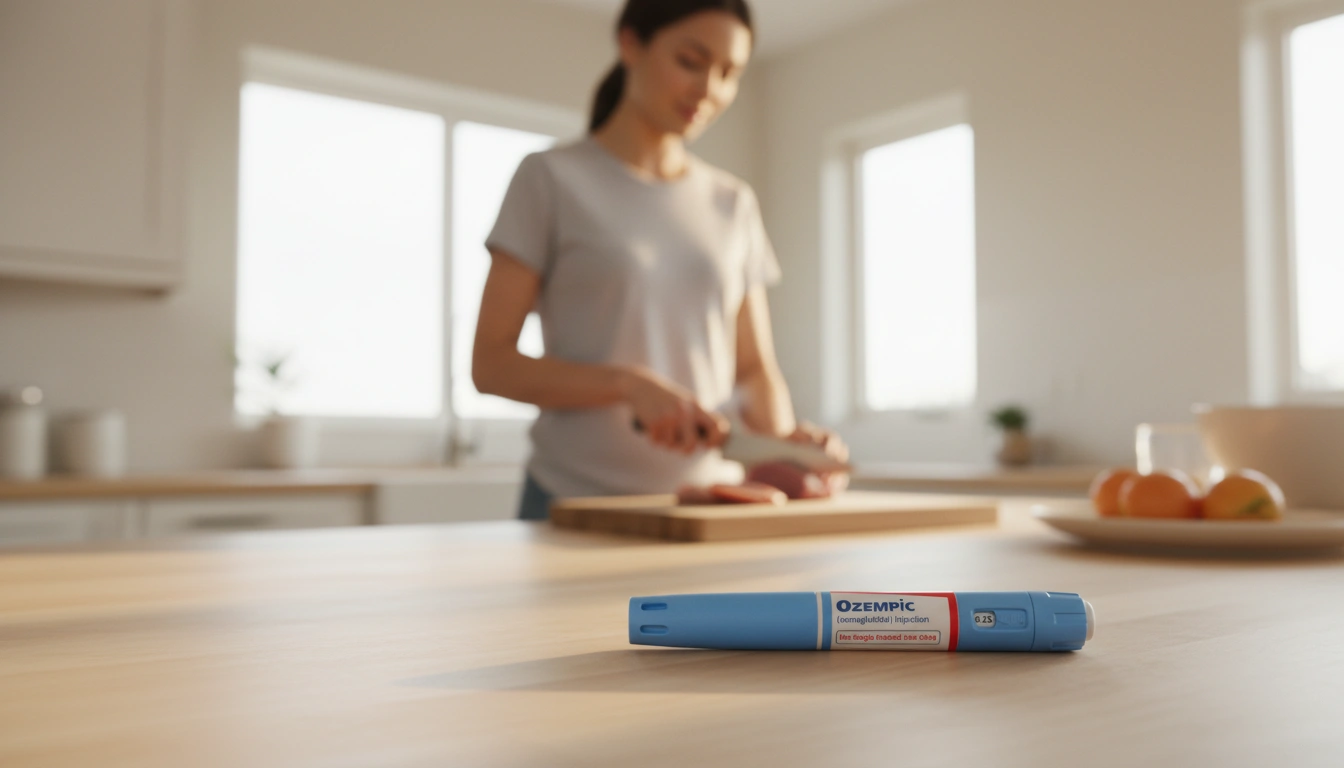
Many individuals embarking on a weight loss journey, particularly those utilizing innovative medications like Ozempic, often find themselves contemplating the role of lifestyle habits in their treatment. Among the most frequent questions we encounter at TrimRx is a crucial one: “does alcohol stop Ozempic from working?” This isn’t just a simple query; it delves into the intricate interplay between medication, bodily functions, and personal choices, reflecting a desire for both effective treatment and a balanced life. Our journey at TrimRx began with a shared vision to help individuals embrace healthier lifestyles by merging cutting-edge telehealth innovations with effective weight loss solutions. We understand that sustainable weight loss should be achieved through science, empathy, and a transparent approach, which includes providing clear, medically informed guidance on such important topics.
The relationship between alcohol consumption and GLP-1 receptor agonists, such as semaglutide (the active ingredient in Ozempic, as well as Wegovy® and compounded Semaglutide) and tirzepatide (found in Mounjaro®, Zepbound®, and compounded Tirzepatide), is not straightforward. While there’s no evidence of a direct chemical interaction that would render these medications ineffective, the impact of alcohol on your body can certainly influence how you experience your treatment and how effectively you progress towards your weight loss and health goals. This blog post aims to demystify this complex relationship, offering comprehensive insights into how alcohol can indirectly affect your GLP-1 medication experience, from potential side effects to its influence on your overall well-being and treatment efficacy. By the end, you will have a deeper understanding of the considerations involved, empowering you to make informed decisions that align with your health objectives, supported by our empathetic, innovative, and trustworthy approach at TrimRx. We will explore the nuances of this topic, providing clarity and actionable insights to help you navigate your personalized weight loss journey.
Understanding GLP-1 Medications and Their Mechanism
Before diving into the specifics of alcohol’s impact, it’s essential to understand how GLP-1 medications work. Medications like Ozempic, Wegovy®, Mounjaro®, and Zepbound®, along with our offerings such as compounded Semaglutide, Oral Semaglutide, compounded Tirzepatide, and Oral Tirzepatide, belong to a class of drugs called GLP-1 receptor agonists. These medications mimic the action of a natural hormone in your body called glucagon-like peptide-1 (GLP-1).
How GLP-1 Receptor Agonists Function
When you eat, your body naturally releases GLP-1. These medications enhance and extend the effects of this hormone, leading to several beneficial outcomes for weight management and metabolic health:
- Slowing Gastric Emptying: GLP-1s slow down the rate at which food leaves your stomach. This helps you feel fuller for longer, reducing overall food intake and potentially leading to a calorie deficit.
- Regulating Blood Sugar: For individuals with type 2 diabetes, GLP-1s stimulate insulin release when blood sugar levels are high and reduce glucagon secretion. This dual action helps to stabilize blood glucose levels.
- Reducing Appetite and Cravings: By acting on receptors in the brain, these medications can decrease appetite and modify food preferences, making it easier to adhere to a reduced-calorie diet.
At TrimRx, we believe in a science-backed approach to weight loss. Our personalized weight loss programs, which include these prescription medications, are designed to work with your body’s natural systems to promote sustainable results. To determine if these medications are suitable for you, we encourage you to [take our free assessment quiz] to see if you qualify for a personalized treatment plan developed by our network of medical professionals.
The Direct Question: Does Alcohol Stop Ozempic from Working?
The immediate concern for many is whether alcohol directly interferes with the pharmacological action of GLP-1 medications, essentially “stopping them from working.” Based on current medical understanding and information from regulatory bodies, there is no direct chemical interaction between alcohol and semaglutide or tirzepatide that would inactivate the medication or prevent it from performing its intended functions in the body. The FDA-approved drug labels for branded medications like Ozempic, Wegovy®, Mounjaro®, and Zepbound® do not list alcohol as a direct contraindication or warning regarding its interaction with the drug’s efficacy.
This means that consuming alcohol does not typically render the medication ineffective in terms of its core mechanisms – slowing digestion, regulating blood sugar, or reducing appetite. However, the absence of a direct chemical interaction does not mean that combining the two is without its complexities or potential impacts on your health journey. The effects of alcohol on your body, coupled with the physiological changes induced by GLP-1 medications, can create a nuanced situation that requires careful consideration.
Our commitment at TrimRx is to transparent service, ensuring that you have all the information needed to navigate your path to wellness safely and effectively. While the medication itself continues to work, your body’s response to alcohol may be significantly altered, and this can have indirect implications for your treatment.
Indirect Effects: How Alcohol Can Impact Your GLP-1 Treatment
While alcohol doesn’t directly stop GLP-1 medications from working, its consumption can certainly influence your experience and progress. These indirect effects are crucial to understand for anyone taking medications like Ozempic, particularly those committed to a weight loss program.
Amplified Gastrointestinal Side Effects
One of the most commonly reported indirect effects is the potential for exacerbated gastrointestinal side effects. Both GLP-1 medications and alcohol can individually cause symptoms such as:
- Nausea
- Vomiting
- Diarrhea
- Constipation
- Abdominal pain
When combined, these symptoms can become more pronounced and uncomfortable. The gastric slowing effect of GLP-1s means that food and drinks, including alcohol, remain in your stomach for a longer duration. This prolonged presence, combined with alcohol’s irritating effect on the digestive lining, can intensify feelings of nausea or indigestion. For some individuals, even a small amount of alcohol can lead to significant discomfort, potentially impacting adherence to their medication schedule and overall quality of life. Our dedicated support teams at TrimRx are always available to help you navigate side effects and ensure your comfort throughout your program.
Risk of Hypoglycemia (Low Blood Sugar)
For individuals managing type 2 diabetes, the risk of hypoglycemia is a significant concern when consuming alcohol with GLP-1 medications. Ozempic, for instance, helps regulate blood sugar. Alcohol, especially when consumed on an empty stomach, also has the effect of lowering blood sugar. This occurs because the liver, which typically produces glucose to maintain stable blood sugar, prioritizes metabolizing alcohol.
The combination of GLP-1 medications and alcohol can lead to a dangerous drop in blood sugar levels, particularly for those also taking other diabetes medications like insulin or sulfonylureas. Symptoms of hypoglycemia can include dizziness, confusion, shakiness, anxiety, rapid heartbeat, and lightheadedness. These symptoms can be easily mistaken for the effects of alcohol intoxication, delaying recognition and treatment of a potentially serious condition. If you have diabetes and are considering alcohol consumption while on a GLP-1 medication, consulting with your healthcare provider is paramount. Our comprehensive service includes doctor consultations and lab work to help monitor your health and ensure your safety.
Potential for Pancreatitis
Both chronic heavy alcohol use and, in rare instances, GLP-1 medications have been associated with an increased risk of pancreatitis, which is inflammation of the pancreas. While the incidence of pancreatitis with GLP-1s is low, the combined risk with excessive alcohol consumption is a serious consideration. Up to 70% of chronic pancreatitis cases are linked to alcohol use. Therefore, individuals with a history of pancreatitis or heavy alcohol use should have a detailed discussion with their healthcare provider about the risks before starting or continuing GLP-1 medication. TrimRx is committed to safety by working exclusively with FDA-registered and inspected pharmacies for the shipping of weight loss medications, ensuring that all our protocols align with the highest standards of care.
Dehydration and Worsened Hangovers
GLP-1 medications can sometimes reduce one’s sense of thirst, and alcohol is a diuretic, meaning it increases urine production and can lead to dehydration. This dual effect can make individuals more susceptible to dehydration, which can manifest as headaches, dizziness, and fatigue. While there’s no direct evidence that GLP-1s inherently make hangovers worse, the combination of dehydration, slowed gastric emptying, and potential gastrointestinal upset can contribute to a more intense and prolonged hangover experience. Anecdotal reports suggest that some individuals feel the effects of alcohol more strongly or feel “drunk faster” while on GLP-1 medications, or experience more severe hangover symptoms. Listening to your body and prioritizing hydration are key when considering alcohol use.
Impact on Weight Loss Goals
Beyond the physiological side effects, alcohol consumption can directly undermine your weight loss efforts, even when taking effective medications like those offered by TrimRx.
Empty Calories and Caloric Intake
Alcohol is notoriously calorie-dense, often referred to as providing “empty calories” because it offers little to no nutritional value. A single alcoholic drink can add significant calories to your daily intake, which can quickly accumulate and negate the calorie deficit you are working to achieve with your medication and dietary changes. For instance, a single glass of wine can have over 100 calories, and sugary cocktails can contain several hundred. These extra calories, if not accounted for, can slow down or even halt your weight loss progress.
Appetite Stimulation and Reduced Inhibitions
Alcohol can lower inhibitions and impair judgment, making it more challenging to adhere to healthy eating habits. After consuming alcohol, you might be more inclined to make less nutritious food choices or overeat, counteracting the appetite-suppressing effects of your GLP-1 medication. This can lead to increased cravings for unhealthy foods and a departure from your personalized nutrition plan. Our results-oriented approach at TrimRx emphasizes sustainable habits, and understanding alcohol’s role in your diet is a crucial part of that.
Disrupted Sleep and Recovery
Alcohol can disrupt sleep patterns, even if it initially makes you feel drowsy. Poor sleep can negatively impact weight loss by affecting hormone regulation (like ghrelin and leptin, which control hunger and satiety) and increasing cravings for high-calorie foods. Furthermore, if you’re engaging in physical activity as part of your weight loss journey, alcohol can impair recovery and performance, slowing down your overall progress.
To support your comprehensive wellness, TrimRx offers quick-access supplements like [GLP-1 Daily Support] and [Weight Loss Boost], which are designed to complement your weight loss journey by supporting metabolic health and energy levels, available for immediate purchase without a quiz.
Unexpected Benefit: Changes in Alcohol Cravings
Interestingly, while alcohol can pose challenges for those on GLP-1 medications, a growing body of anecdotal evidence and preliminary research suggests an unexpected benefit: a reduction in alcohol cravings and interest in drinking.
Some individuals taking semaglutide or tirzepatide report a natural decrease in their desire for alcohol. This isn’t just a psychological shift; the working theory is that GLP-1 receptors are present in parts of the brain involved with desire for both food and alcohol intake. By agonizing these receptors, GLP-1 medications may lead to a decreased interest in both.
A randomized clinical trial tested the effects of low-dose semaglutide compared to a placebo on alcohol consumption in people with alcohol use disorder. It found that over nine weeks, taking semaglutide led to reductions in alcohol use and significantly reduced alcohol cravings. While more long-term study is needed to fully understand this phenomenon, it represents a potentially valuable aspect of GLP-1 treatment for some individuals. For those who find alcohol consumption challenging to manage, this could be an additional, albeit not guaranteed, benefit. TrimRx offers compassionate care that respects every individual’s unique journey, and we celebrate any positive shifts that enhance overall well-being.
Individual Variability and the Importance of Personalized Guidance
It is crucial to recognize that everyone’s body responds differently to medications and alcohol. Factors such as individual health history, metabolism, pre-existing conditions, and the specific GLP-1 medication and dosage can all influence how alcohol affects you. Some individuals may tolerate moderate alcohol consumption without significant issues, while others may experience pronounced side effects even with small amounts.
This variability underscores the importance of a personalized approach to weight loss and health management. At TrimRx, our platform provides a user-friendly and supportive space where individuals receive personalized, medically supervised care, all designed to make sustainable weight loss attainable and tailored to the individual. We combine advanced medical science with modern technology to offer comprehensive service that includes doctor consultations, medication, lab work, unlimited support, and shipping with no hidden fees.
Before making any decisions about alcohol consumption while on a GLP-1 medication, it is essential to consult with your healthcare provider. They can assess your individual risk factors, discuss potential interactions with your specific health conditions and other medications, and provide guidance tailored to your unique needs. We empower our members to ask questions and engage actively in their health journey, knowing that our dedicated support is always there.
To understand how a personalized plan could work for you, we invite you to [take our free assessment quiz] today. This initial step helps our network of medical professionals understand your unique profile and create a safe, effective treatment strategy.
Guidelines for Responsible Drinking While on GLP-1 Medications
If you choose to consume alcohol while on a GLP-1 medication, doing so responsibly and with caution is paramount. Here are some general guidelines to consider, always in consultation with your healthcare provider:
Moderation is Key
Limit your alcohol intake. General recommendations for moderate drinking are typically defined as up to one standard drink per day for women and up to two standard drinks per day for men. A standard drink is usually considered:
- 12 ounces of regular beer (around 5% alcohol)
- 5 ounces of wine (around 12% alcohol)
- 1.5 ounces of distilled spirits (around 40% alcohol)
Exceeding these limits significantly increases the risk of adverse effects and can hinder your weight loss progress.
Never Drink on an Empty Stomach
Consuming alcohol with food, particularly meals that contain carbohydrates and protein, can help slow down alcohol absorption and mitigate the rapid drop in blood sugar. This is especially important for individuals with diabetes to prevent hypoglycemia.
Stay Hydrated
Alternate alcoholic beverages with water. Drinking plenty of water helps counteract the dehydrating effects of alcohol and can aid in managing potential hangover symptoms. GLP-1 medications can sometimes reduce thirst, making conscious hydration even more critical.
Monitor Blood Sugar Levels (for Diabetics)
If you have diabetes, be extra vigilant about checking your blood sugar levels before, during, and after drinking alcohol. Alcohol’s effects on blood sugar can be delayed, so continued monitoring is important even hours after your last drink. Be prepared with glucose tablets or other fast-acting carbohydrates in case of hypoglycemia.
Choose Lower-Sugar Options
Opt for alcoholic beverages that are lower in sugar and calories, such as dry wine, light beer, or spirits mixed with sugar-free beverages (e.g., soda water). Avoid sugary cocktails, dessert wines, and excessive mixers, as these contribute significant empty calories and can cause blood sugar spikes followed by crashes.
Listen to Your Body
Pay close attention to how you feel. If you experience any adverse effects, such as increased nausea, dizziness, or unusual discomfort, it’s a clear signal to reduce or cease alcohol consumption. Your body’s signals are invaluable indicators of what is safe and tolerable for you. Some individuals may find that their alcohol tolerance changes on GLP-1 medications, requiring them to drink less than before.
Timing Around Injections
While there’s no official guideline, some individuals choose to avoid alcohol on the day of their GLP-1 injection and for 24 hours afterward, especially if they are prone to initial side effects like nausea. This allows the body to adjust to the medication without the added burden of alcohol.
At TrimRx, we are committed to providing personalized solutions that support your health. Our medically supervised programs are designed to offer comprehensive care and guidance, allowing you to focus on your journey with confidence.
TrimRx: Your Partner in a Healthier Lifestyle
At TrimRx, we understand that achieving sustainable weight loss is a deeply personal journey, often requiring significant lifestyle adjustments and comprehensive support. Our mission, rooted in a shared vision to merge cutting-edge telehealth innovations with effective weight loss solutions, is to be your unwavering partner every step of the way. We believe that sustainable weight loss should be achieved through science, empathy, and a transparent approach, principles that guide every aspect of our service.
Our brand is built on being empathetic, innovative, trustworthy, supportive, results-oriented, and personalized. We offer compassionate care that respects every individual’s unique journey, combining advanced medical science with modern technology to provide accessible and effective solutions. When you choose TrimRx, you’re not just getting a prescription; you’re gaining a dedicated team committed to your success.
Our Comprehensive Support System
We provide a comprehensive service designed to remove barriers and streamline your weight loss journey. This includes:
- Expert Doctor Consultations: Our network of medical professionals works with you to understand your health profile and develop a personalized treatment plan.
- Medication Access: We partner with FDA-registered and inspected pharmacies for the shipping of high-quality weight loss medications, including compounded Semaglutide, Oral Semaglutide, Ozempic®, compounded Tirzepatide, Oral Tirzepatide, Mounjaro®, Zepbound®, and Wegovy®. It’s important to remember that while branded medications like Ozempic® and Zepbound® are FDA-approved, compounded medications are not; however, they are provided through FDA-registered and inspected pharmacies, ensuring safety and quality.
- Essential Lab Work: To ensure your treatment is safe and effective, we include necessary lab tests to monitor your health.
- Unlimited Support: Our commitment to transparent service means you have unlimited access to support, whether you have questions about your medication, side effects, or lifestyle adjustments. Our approach remains consistent regardless of dosage changes.
- Convenient Shipping: Medications are shipped directly to you from our partner FDA-registered pharmacies, with no hidden fees.
Beyond Prescription Medications
We also recognize that a holistic approach to wellness often extends beyond prescription medications. For those seeking immediate support or complementary solutions, we offer quick-access supplements that do not require a quiz:
- [GLP-1 Daily Support]: Designed to support overall metabolic health and complement the effects of GLP-1 medications or a weight loss regimen.
- [Weight Loss Boost]: Formulated to provide additional support for your weight loss goals, contributing to overall well-being.
These supplements are available for immediate purchase to support your overall wellness during the weight loss journey.
We encourage you to explore our personalized weight loss programs by taking our [free assessment quiz]. This is the first step towards understanding how our tailored approach can help you achieve your health aspirations safely and effectively. At TrimRx, we are here to guide you, combining the power of science with genuine care.
Conclusion
The question “does alcohol stop Ozempic from working?” is one that resonates with many individuals seeking to balance effective weight loss treatment with their lifestyle. While the science indicates that alcohol does not directly halt the action of GLP-1 medications like Ozempic, its consumption can certainly introduce significant complexities and indirect effects that impact your overall health and progress. From amplifying gastrointestinal side effects and increasing the risk of hypoglycemia, particularly for those with diabetes, to hindering weight loss goals through empty calories and impaired judgment, the interaction demands careful consideration. Conversely, some individuals may even experience a beneficial reduction in alcohol cravings.
Navigating these nuances requires an individualized approach and open communication with healthcare professionals. At TrimRx, we are dedicated to providing the medically supervised, personalized care you need to make informed decisions throughout your weight loss journey. Our comprehensive programs are designed to support you with expert consultations, necessary lab work, high-quality medications from FDA-registered pharmacies, and unlimited support, all without hidden fees. We believe in empowering you with knowledge and a supportive environment to achieve sustainable results.
As you move forward, remember the importance of moderation, careful monitoring, and listening to your body. If you are considering or are currently using a GLP-1 medication and have questions about alcohol consumption or any other aspect of your treatment, we encourage you to seek personalized medical advice. Take the first step towards a healthier, more balanced you by exploring your eligibility for our prescription weight loss medications with our [free assessment quiz]. For immediate support on your wellness journey, consider our [GLP-1 Daily Support] or [Weight Loss Boost] supplements. Together, we can build a path to lasting health and well-being.
Frequently Asked Questions (FAQs)
Q1: Does alcohol directly stop GLP-1 medications like Ozempic from working?
A1: No, there is no evidence of a direct chemical interaction between alcohol and GLP-1 medications (like semaglutide in Ozempic or tirzepatide in Zepbound) that would stop the medication from working. The medication’s core functions, such as slowing digestion, regulating blood sugar, and reducing appetite, continue even if alcohol is consumed. However, alcohol can cause indirect effects that may impact your treatment experience and progress.
Q2: Can drinking alcohol worsen side effects of GLP-1 medications?
A2: Yes, drinking alcohol can potentially worsen certain side effects associated with GLP-1 medications. Both alcohol and these medications can cause gastrointestinal issues like nausea, vomiting, and abdominal discomfort. Combining them can intensify these symptoms. Additionally, for individuals with type 2 diabetes, alcohol can significantly increase the risk of hypoglycemia (low blood sugar) when taken with GLP-1s, as both can lower blood glucose levels. Dehydration and hangover symptoms may also be more pronounced.
Q3: Can GLP-1 medications reduce alcohol cravings?
A3: Some anecdotal reports and preliminary research suggest that GLP-1 medications may reduce cravings for alcohol in certain individuals. The theory is that GLP-1 receptors in the brain are involved in regulating desire for both food and alcohol. While this is an emerging area of study and not a guaranteed effect for everyone, it could be an unexpected benefit for some on their weight loss journey.
Q4: What are the safest ways to consume alcohol while on GLP-1 medication?
A4: If you choose to drink alcohol while on a GLP-1 medication, it is crucial to do so with extreme caution and after consulting your healthcare provider. General guidelines include: limiting intake to moderate levels (e.g., one drink per day for women, two for men), never drinking on an empty stomach, staying well-hydrated by alternating with water, choosing lower-sugar alcoholic beverages, and closely monitoring your body’s response. Individuals with diabetes should be particularly vigilant about blood sugar monitoring. Always prioritize your health and well-being.

Transforming Lives, One Step at a Time
Keep reading

How to Get Ozempic Without a Doctor Visit
The idea of getting a prescription without sitting in a waiting room used to sound like a workaround. Now it’s standard practice for millions…
Ozempic for Men: What’s Different
Men and women lose weight differently. That’s not a controversial statement; it’s biology. Hormonal profiles, fat distribution patterns, muscle mass, and metabolic rates all…

Ozempic vs Surgery: Comparing Weight Loss Options
Weight loss surgery has been the gold standard for severe obesity for decades. Then GLP-1 medications like Ozempic arrived, and the conversation shifted. Now…


