Are Almonds Actually Good for Weight Loss? Our Unflinching Take
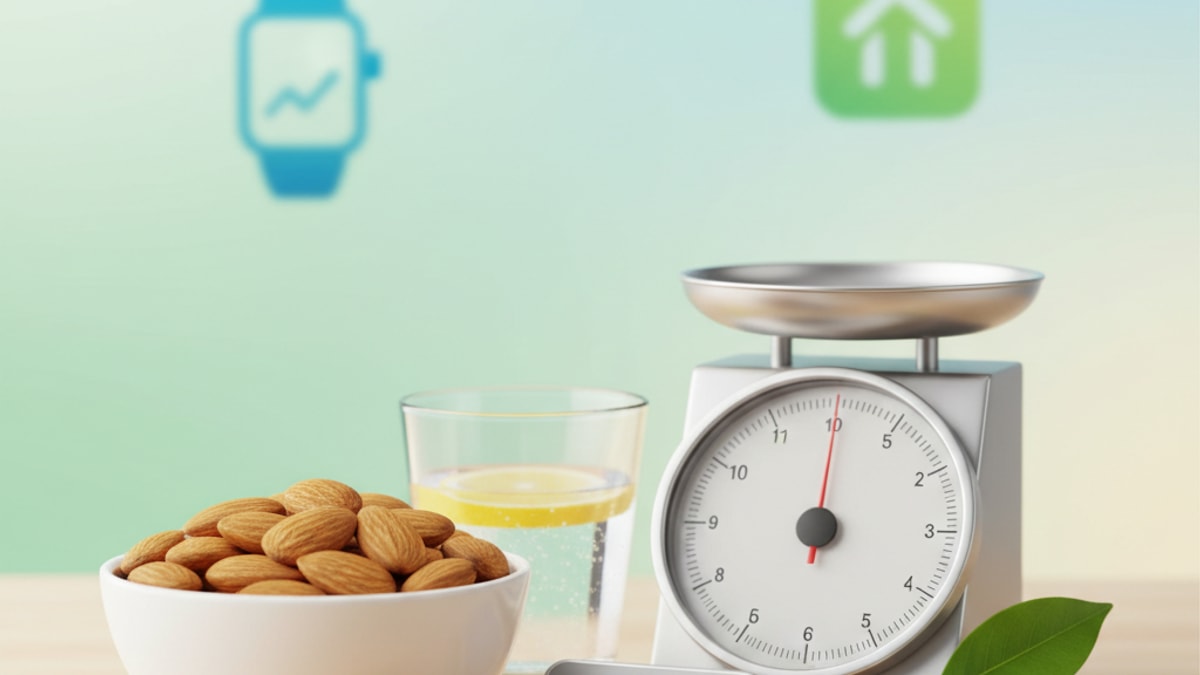
We get this question all the time. In the sprawling, often confusing world of nutrition and weight management, certain foods get crowned as heroes. Kale had its moment. So did quinoa. And for years, almonds have held a top spot as the go-to 'healthy' snack, especially for those looking to shed a few pounds. But is the reputation deserved? The short answer is nuanced. The long answer is what really matters for your success.
Let's be direct. Our team at TrimrX specializes in the complex biology of weight loss, guiding patients through medically-supervised programs that address metabolism at a fundamental level. We work with powerful tools like GLP-1 medications because we know that for many, lasting change requires more than just a new grocery list. So when we analyze a food like almonds, we're not just looking at a nutrition label. We're looking at its physiological impact—how it affects your hormones, your hunger signals, and your body's intricate system of energy regulation. And honestly, this is where the conversation about almonds gets truly interesting.
The Nutritional Powerhouse: Why Almonds Get So Much Attention
It’s impossible to talk about almonds and weight loss without first understanding what’s packed inside these little nuts. They're not just a crunchy snack; they are a dense source of critical nutrients that play a formidable role in how your body operates. It's this composition that gives them their health halo.
First, let's talk about the macronutrient profile. Almonds are rich in monounsaturated fats. For decades, fat was unfairly villainized, but we now know that the right kinds of fats are essential for everything from hormone production to brain health. These healthy fats are also incredibly satiating. They slow down digestion, which helps you feel fuller for a longer period after eating. This isn't just a feeling; it's a biochemical process that can dramatically reduce the urge to reach for another snack an hour later.
Then there's the protein and fiber. A standard one-ounce serving (about 23 almonds) delivers around 6 grams of protein and 3.5 grams of fiber. This combination is a one-two punch against hunger. Protein is notoriously effective at increasing satiety, more so than carbohydrates or fats. Fiber, particularly the soluble kind found in almonds, adds bulk to your meal and further slows gastric emptying. Our experience shows that clients who successfully incorporate snacks rich in protein and fiber are far less likely to struggle with cravings for high-sugar, low-nutrient foods. It’s a simple, yet profound, shift in appetite control.
Beyond the big three macros, almonds are loaded with crucial micronutrients. They're one of the best food sources of Vitamin E, a powerful antioxidant that protects your cells from damage. They're also packed with magnesium and manganese. Magnesium is especially relevant to weight management. Why? It plays a role in over 300 biochemical reactions in the body, including blood sugar control and insulin function. Stable blood sugar is a critical, non-negotiable element of preventing the energy crashes that lead to cravings for quick-fix carbs. When your insulin sensitivity is good, your body is much more efficient at using food for energy rather than storing it as fat.
Let's Talk Calories: The Elephant in the Room
Okay, let's address the big concern head-on. Almonds are calorie-dense. There's no getting around it. That same one-ounce serving that gives you all that protein, fiber, and healthy fat also contains about 165 calories. For someone meticulously tracking their intake, that can seem like a hefty price for a small handful of food. This is often where the debate about whether almonds are good for weight loss begins and ends for many people.
But that's a mistake.
Here’s what we’ve learned from years of studying metabolic science: a calorie is not just a calorie. The source of that calorie dictates how your body processes it. The 165 calories from almonds behave very differently in your body than 165 calories from a sugary soda or a processed cracker. The concept is called the thermic effect of food (TEF)—the energy your body expends to digest, absorb, and process nutrients. Protein has a very high thermic effect, meaning your body burns a significant number of its calories just breaking it down.
More importantly, recent research has unearthed something fascinating about almonds specifically. Because of their rigid cell walls, a portion of the fat they contain isn't fully broken down and absorbed by the digestive tract. It passes through you. Some studies suggest that we may absorb up to 20-30% fewer calories from whole almonds than what’s listed on the nutrition label. Think about that. The 'real' caloric cost of your snack might be significantly lower than you think. This phenomenon, often called nutrient bioavailability, completely changes the calorie equation.
This is why our approach at TrimrX is about looking beyond simple calorie-in, calorie-out math. That model is outdated and fails to account for the complex hormonal and metabolic responses to different foods. It's about nutrient density and hormonal signaling. Almonds, despite their calorie count, send powerful signals of satiety to your brain, stabilize your blood sugar, and may not even deliver their full caloric payload. That's a win.
How Almonds Actually Impact Weight Management
So, we know what's in them and we've addressed the calorie concern. Now, let's connect the dots. How does this translate into actual, tangible results on your weight loss journey? The mechanisms are both physiological and psychological, and understanding them is key to using almonds effectively.
It all starts with satiety. We can't stress this enough. Feeling hungry is the primary reason diets fail. It's a powerful, primal drive. Almonds combat this directly. The protein-fiber-fat trifecta triggers the release of gut hormones like cholecystokinin (CCK) and peptide YY (PYY), which travel to your brain and signal that you're full and satisfied. This is, incidentally, a similar pathway that GLP-1 medications leverage, though on a much more potent and sustained scale. By promoting this natural feeling of fullness, a small serving of almonds can prevent you from consuming hundreds of extra calories from less-satisfying snacks later in the day. It’s proactive appetite management.
Then there's the metabolic benefit. By helping to regulate blood sugar and improve insulin sensitivity, almonds help you avoid the metabolic rollercoaster that so many people are on. Wild swings in blood sugar lead to energy slumps, brain fog, and intense cravings—especially for sugar. By keeping things on a more even keel, you’re not just supporting weight loss; you’re improving your overall metabolic health. This is foundational for sustainable results. Our programs are built on this principle: fix the underlying metabolic dysfunction, and weight management becomes infinitely more achievable.
Finally, don't underestimate the psychological component. There's something deeply satisfying about the crunch of an almond. This sensory experience, known as the 'crunch factor,' can increase satisfaction and make you feel like you've eaten something more substantial. It forces you to slow down and chew thoroughly, which aids in digestion and gives your brain time to register fullness. Choosing a handful of almonds over a soft, quickly vanishing cookie provides a completely different, and far more gratifying, eating experience that can curb the desire to keep eating.
The Common Pitfalls: Where People Go Wrong with Almonds
If almonds are so great, why isn't everyone who eats them effortlessly lean? Because context and execution are everything. Almonds can be a powerful ally, or they can be a source of stealthy calorie overload that sabotages your efforts. Our team has seen it countless times.
Here's where it goes wrong.
The number one issue is, without a doubt, portion distortion. A proper serving is about a quarter cup, or a small, cupped handful. What most people consider a 'handful' is often two or three times that amount. Mindlessly grabbing almonds from a large bag while watching a movie or working at your desk can easily add 400-500 calories to your day without you even realizing it. We recommend portioning them out into small bags or containers ahead of time. It's a simple habit that makes a dramatic difference.
Next is the preparation. The almond aisle at the grocery store is a minefield. There are raw, dry-roasted, oil-roasted, salted, honey-roasted, cocoa-dusted, and wasabi-flavored varieties. All of those delicious-sounding coatings are usually made of sugar, unhealthy oils, and a ton of sodium. These additives negate many of the health benefits. The added sugar can spike your blood sugar, and the excess salt can lead to water retention and increased cravings. Stick to raw or dry-roasted almonds with no salt or sugar added. Read the ingredients label. It should say one thing: 'Almonds.'
Here’s a quick comparison our team put together to illustrate the point:
| Almond Type | Typical Serving (1 oz) | Key Considerations | Best Use for Weight Loss |
|---|---|---|---|
| Raw Almonds | ~165 calories | Purest form, no additives. Chewier texture. Maximum nutrient integrity. | Excellent for snacking, adding to oatmeal, or making almond milk. |
| Dry-Roasted | ~170 calories | No added oils. Crunchier texture and nuttier flavor. May have slightly lower levels of some heat-sensitive vitamins. | A great alternative to raw if you prefer more crunch. |
| Oil-Roasted/Salted | ~175 calories, 180mg sodium | Cooked in oil (often lower quality) and high in sodium, which can cause bloating and increase cravings. | Best to avoid or limit significantly. |
| Flavored/Candied | 180-220+ calories | Coated in sugar, honey, or artificial flavorings. Acts more like a candy than a health food. Spikes blood sugar. | Avoid completely. These are dessert, not a healthy snack. |
| Almond Butter | ~190 calories (2 tbsp) | Can be a great choice, but check the label for added sugars and oils. Portions are very easy to overestimate. | Use as a spread, but measure it carefully. Look for 'almonds only' ingredients. |
Integrating Almonds into a Sustainable Weight Loss Plan
So, how do you make almonds work for you? You use them strategically. They aren't a meal, and they aren't a free-for-all snack. They are a tool.
Think of them as a bridge. They are perfect for that mid-afternoon slump when your energy is low and dinner is still hours away. A well-timed serving of almonds can carry you through without reaching for the office vending machine. Pair them with a piece of fruit like an apple for a balanced snack that combines fiber, protein, healthy fats, and some natural carbohydrates.
They also work wonderfully as a textural and nutritional booster for meals. Sprinkle slivered almonds over your morning yogurt or oatmeal. Toss them into a salad for a satisfying crunch. Use them in place of breadcrumbs as a coating for chicken or fish. These small additions add up to better satiety and a richer nutrient profile for your entire day.
But let's pull back the lens for a moment. This is crucial. While optimizing your diet with foods like almonds is a positive step, for many individuals facing a significant weight loss challenge, it's often not enough. At TrimrX, we work with patients who have tried every diet, every 'superfood,' and every workout plan. They come to us because those things, while healthy, didn't address the root biological drivers of their weight gain—things like insulin resistance, hormonal imbalances, and a dysregulated appetite system.
This is where a medical approach becomes transformative. Treatments using GLP-1 medications like Semaglutide and Tirzepatide work by targeting the body's own appetite-regulating hormones. They fundamentally change the conversation between your gut and your brain, reducing hunger, quieting 'food noise,' and making it profoundly easier to be satisfied with appropriate portions of healthy foods. When your underlying biology is working with you instead of against you, making the choice to have a sensible portion of almonds instead of a bag of chips doesn't feel like a struggle. It feels natural. For those ready to move beyond dietary tweaks and explore a comprehensive medical approach, you can Take Quiz to see if you're a candidate for our program.
Beyond Almonds: A Holistic View on Metabolic Health
No single food will ever be the magic bullet for weight loss. Not almonds, not apple cider vinegar, not anything. Sustainable health is built on a foundation of holistic habits and, when necessary, targeted medical support.
Our most successful patients are the ones who embrace a comprehensive strategy. They use the powerful metabolic reset provided by their treatment as a window of opportunity to build lasting healthy habits. They focus on whole foods, prioritize protein and fiber, manage their stress (a huge factor in fat storage), and ensure they get adequate sleep. They understand that their medication is a tool to help them build this new lifestyle, not a replacement for it.
We've seen it work time and time again. A patient starts treatment, and suddenly the relentless cravings that sabotaged every previous effort are gone. They have the mental clarity and physical energy to plan healthy meals. They can eat a small serving of almonds, feel genuinely satisfied, and move on with their day. It’s a complete paradigm shift. They are no longer fighting a constant, exhausting battle against their own body's signals.
If that battle sounds familiar—if you feel like you're doing all the 'right' things but not seeing the results you deserve—it might be because your strategy needs to go deeper than just your pantry. It might be time to address your metabolism directly. When you're ready to address the root causes, you can Start Your Treatment with us.
So, are almonds good for weight loss? Yes, absolutely—when they are used correctly. They are a nutrient-dense, satiating, and metabolically supportive food. But they are one piece of a much larger, more complex puzzle. Use them wisely, be mindful of your portions, and choose the right kind. And if you need a more powerful tool to help you put all the pieces together and finally achieve the lasting results you're looking for, know that options that address your underlying biology are available. You don't have to fight that battle alone. Start Your Treatment Now and see what a comprehensive, medical approach can do for you.
Frequently Asked Questions
How many almonds should I eat per day for weight loss?
▼
We generally recommend sticking to a single one-ounce serving per day, which is about 23 almonds or a small cupped handful. This provides the benefits of protein, fiber, and healthy fats without contributing excessive calories.
Are raw or roasted almonds better for weight loss?
▼
Both raw and dry-roasted almonds are excellent choices. Dry-roasting doesn’t add any extra oils or calories. The most important thing is to avoid oil-roasted, salted, or sugar-coated varieties which add unnecessary calories, sodium, and sugar.
Will eating almonds at night make me gain weight?
▼
No single food eaten at a specific time causes weight gain; it’s your overall daily calorie balance that matters. A small, controlled portion of almonds can be a good evening snack because their protein and fat content can prevent late-night cravings for less healthy foods.
Is almond milk a good choice for a weight loss diet?
▼
Unsweetened almond milk is very low in calories and can be a great dairy-free alternative in a weight loss plan. However, be sure to choose the unsweetened version, as flavored varieties can be very high in added sugar.
Do almonds help reduce belly fat specifically?
▼
While no food can ‘spot reduce’ fat from one area, almonds can contribute to overall fat loss, which includes belly fat. Their high content of monounsaturated fats has been linked in some studies to reductions in visceral fat as part of a healthy diet.
Can I eat too many almonds?
▼
Yes, definitely. Because they are calorie-dense, overeating almonds can easily lead to a calorie surplus and hinder weight loss. We can’t stress this enough: portion control is absolutely critical for incorporating them into your plan successfully.
Are almonds better than other nuts for weight loss?
▼
Many nuts, like walnuts and pistachios, offer similar benefits for weight loss due to their protein, fiber, and healthy fat content. Almonds are among the highest in protein and fiber per serving, making them a particularly strong choice for promoting satiety.
Does almond butter have the same weight loss benefits as whole almonds?
▼
Almond butter can be a good option, but it’s less satiating than whole almonds because you miss the ‘crunch factor’ and chewing. Additionally, it’s much easier to overconsume. If you choose almond butter, measure your serving carefully and check the label for added sugars or oils.
Will almonds kick me out of ketosis?
▼
Almonds are relatively low in carbohydrates and high in fiber, making them a keto-friendly food in moderation. A one-ounce serving has only about 2.5 grams of net carbs, which can easily fit into most ketogenic diet plans.
Are soaked almonds better than raw almonds?
▼
Soaking almonds can make them easier to digest for some people and may slightly increase the bioavailability of certain nutrients. However, from a weight loss perspective, both soaked and raw almonds are beneficial; the difference is minimal.
I’m on a GLP-1 medication. Should I still eat almonds?
▼
Absolutely. GLP-1 treatments help regulate your appetite, making it easier to choose and be satisfied by nutrient-dense foods. A small serving of almonds is an ideal snack to complement your treatment, providing sustained energy and satiety.

Transforming Lives, One Step at a Time
Keep reading

Do You Need a Prescription for GLP-1s? The 2026 Answer
Wondering ‘do you need a prescription for glp 1’ in 2026? Yes. We explain why a doctor’s oversight is critical for safe, effective results.

How to Get GLP-1 Covered By Insurance: Our 2026 Playbook
Struggling with how to get glp-1 covered by insurance? Our 2026 guide breaks down prior authorizations, appeals, and documentation.

Traveling with GLP-1s in 2026: Your Essential Trip-Proof Plan
Don’t let travel disrupt your GLP-1 treatment. Learn how to travel with glp 1 medications safely and stress-free in our 2026 expert guide.


