Are Avocados Good for Weight Loss? A Biotech Perspective
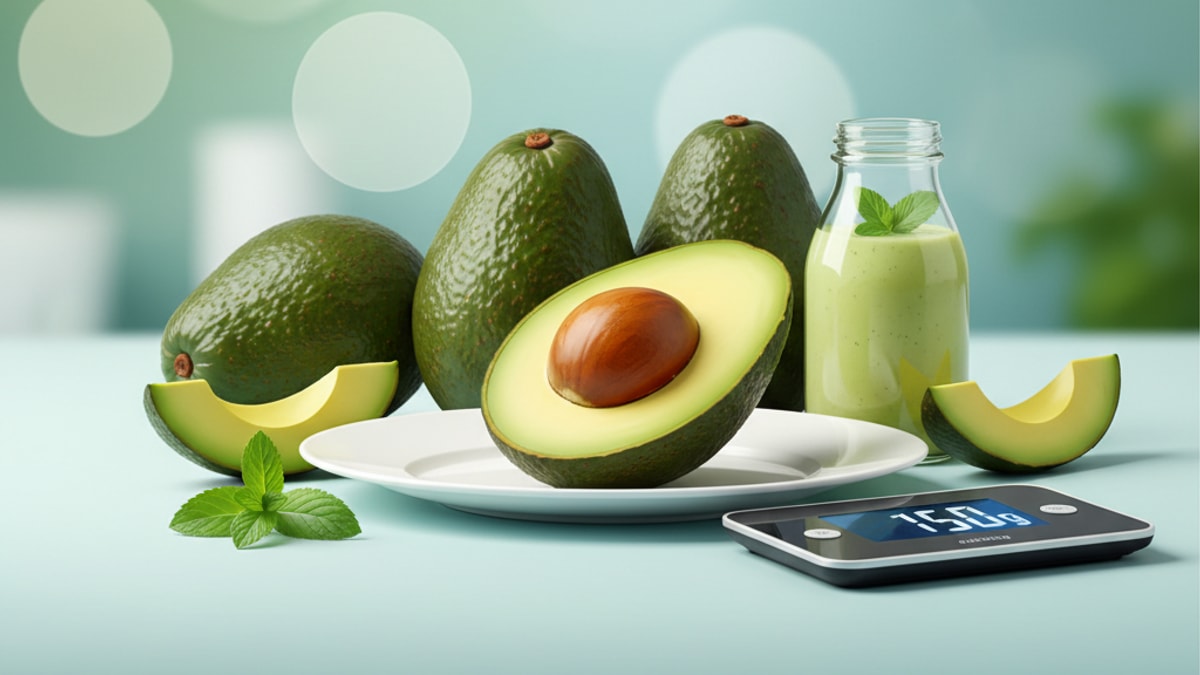
It's one of the biggest paradoxes in the world of nutrition. A food that's loaded with fat and calories is somehow championed as a weight-loss superfood. We're talking, of course, about the avocado. For years, our team has heard the confusion from patients and clients alike: "Should I be eating them? Should I be avoiding them? Are avocados good for weight loss, or are they just making things worse?" The hesitation is completely understandable. Decades of low-fat diet dogma have made us instinctively wary of anything high in fat.
But here at TrimrX, we don't deal in dogma. We deal in data, in metabolic science, and in the biological realities of how the human body works. Our work with advanced GLP-1 treatments like Semaglutide and Tirzepatide gives us a unique, front-row seat to the intricate dance of hormones, appetite, and metabolism. And from our professional vantage point, we can tell you this: the conversation around avocados needs a serious update. It’s not about fear; it’s about function. Let's break down what the science actually says and how this remarkable fruit can be a formidable ally in your weight management journey.
The Great Fat Debate: Why Avocado Fat is Different
Let’s get this out of the way immediately. Yes, avocados are high in fat. A single, medium-sized avocado can pack around 24 grams of fat. In a world where "fat-free" was once the gold standard for health, that number sounds terrifying. But this is where nuance becomes absolutely critical. The type of fat matters. It matters profoundly.
Most of the fat in an avocado—about two-thirds of it—is monounsaturated fat, specifically in the form of oleic acid. This is the very same heart-healthy fatty acid that gives olive oil its stellar reputation. This isn't the same stuff you find in a greasy takeaway or a processed pastry. Not even close. Monounsaturated fats are a critical, non-negotiable element of a healthy diet. Our experience shows that bodies deprived of healthy fats often struggle with hormone regulation, nutrient absorption, and persistent, nagging hunger. This is because fats play a structural role in our cells and are essential for absorbing fat-soluble vitamins like A, D, E, and K.
Think of it this way. Trans fats and excessive saturated fats from processed sources can promote inflammation and contribute to poor cardiovascular health. Oleic acid, on the other hand, is associated with reducing inflammation and has been shown to have beneficial effects on genes linked to cancer. It’s like comparing a rusty, clanking engine part to a high-performance, well-oiled component. Both are 'metal,' but their function and impact are worlds apart. We can't stress this enough: judging a food simply by its total fat content is like judging a book by the weight of its paper. It tells you nothing about the story inside.
Satiety, Satiety, Satiety: The Avocado's Superpower
Now, this is where it gets really interesting for anyone on a weight loss journey. One of the most formidable challenges in managing weight isn't just about what you eat, but about managing the relentless feeling of hunger. This is the battleground. And on this field, the avocado is a heavyweight champion.
Why? Two reasons: fat and fiber.
The healthy fats in avocados take a long time to digest. This slow digestion process means they sit in your stomach longer, promoting a feeling of fullness and satisfaction that a carbohydrate-heavy snack simply can't replicate. It sends signals to your brain that say, "We're good here. No need to forage for more food." This sensation is known as satiety, and it is the holy grail of sustainable weight loss.
But wait, there's more. A medium avocado also contains about 10 grams of dietary fiber. That's a huge amount for a single food item. This fiber, mostly insoluble, adds bulk to your stool and further slows down digestion. The combination is a one-two punch against hunger. A study published in the Nutrition Journal found that participants who added half an avocado to their lunch reported a significant decrease in the desire to eat for hours afterward. This isn't just a feeling; it's a measurable physiological response.
This mechanism is something we understand intimately at TrimrX. Our medically-supervised treatments using GLP-1 medications work on a similar principle by slowing gastric emptying and signaling satiety to the brain. When our patients pair their treatment with foods that also naturally support this feeling of fullness, the results can be a game-changer. It creates a synergistic effect. The medication provides a powerful biological assist, and the food choices reinforce and sustain it. It's a holistic strategy that turns a difficult, moving-target objective into a manageable, consistent process.
Beyond Fat and Fiber: The Nutrient Density Factor
If avocados only offered healthy fats and fiber, they'd already be a great food for weight management. But their resume is far more impressive. They are incredibly nutrient-dense, meaning they provide a vast amount of vitamins and minerals for the number of calories they contain. It's a nutritional bargain.
Consider this sprawling list of nutrients found in a single 100-gram (about half an avocado) serving:
- Vitamin K: Essential for blood clotting and bone health.
- Folate: Critical for cell function and tissue growth.
- Vitamin C: A powerful antioxidant.
- Potassium: More than a banana, actually. It's crucial for controlling blood pressure and balancing fluids.
- Vitamin B5 & B6: Key players in energy metabolism.
- Vitamin E: Protects cells from damage.
When you're in a calorie deficit to lose weight, getting adequate nutrition can be a challenge. Every calorie has to count. Choosing nutrient-dense foods like avocados ensures your body is getting the crucial micronutrients it needs to function optimally. A well-nourished body is more efficient at everything, including regulating metabolism, managing energy levels, and repairing tissue. Trying to lose weight while being malnourished is like trying to run a marathon on a flat tire. You might move, but it's going to be a grueling, inefficient, and ultimately unsustainable struggle.
Our team often sees patients who have tried crash diets and are left feeling fatigued, weak, and irritable. It's often because their low-calorie plan was also a low-nutrient plan. Incorporating foods like avocado helps solve this problem, providing the building blocks for genuine health, not just a smaller number on the scale.
Avocados and Blood Sugar: A Surprising Connection
Managing blood sugar is a cornerstone of effective weight control. Wild spikes and crashes in blood glucose, often caused by refined carbs and sugary foods, lead to energy slumps, cravings, and an increased likelihood of your body storing fat. This is another area where the avocado shines.
With very few net carbohydrates and a high fiber content, avocados have a minimal impact on blood sugar levels. They don't cause the dramatic insulin spike that a piece of white bread or a sugary drink would. This stability is incredibly powerful.
For our patients, particularly those using GLP-1 therapies which have a profound, positive impact on blood sugar regulation and insulin sensitivity, this is a critical piece of the puzzle. We design nutritional guidance that supports the work the medication is doing. Recommending foods that naturally promote glycemic control, like avocados, is a no-brainer. It helps create a stable internal environment where the body is less prone to storing fat and more capable of using it for energy. It's about creating metabolic harmony, and avocados are a perfect instrument in that orchestra.
The Calorie Conundrum: How Much is Too Much?
Alright, let's be honest. We can't talk about all these benefits without addressing the calorie count. A whole avocado can contain over 300 calories. If you're not careful, that can absolutely sabotage your weight loss efforts. This isn't a food you can eat with abandon. Context and portion control are everything.
Our team has found that the biggest mistake people make is treating avocado as a free-for-all garnish. They'll have a healthy salad and then dump an entire cup of guacamole on top, along with a handful of fried tortilla chips. They've just turned a 400-calorie healthy meal into a 1000-calorie diet-wrecker. The avocado wasn't the villain; the portion size was.
So, what's a reasonable portion? For most people, a quarter to a half of a medium avocado per meal is a great target. This gives you all the benefits—the healthy fats, the fiber, the nutrients, the satiety—without overloading your calorie budget. It's about using the avocado strategically.
Here’s a simple breakdown we often share with our clients to put things in perspective:
| Portion Size | Approximate Calories | Key Benefit | Potential Pitfall |
|---|---|---|---|
| 1/4 Avocado (~50g) | ~80 kcal | Excellent nutrient boost for any meal | Easy to overdo if not mindful and pre-portioned |
| 1/2 Avocado (~100g) | ~160 kcal | Significant satiety effect, great as a core meal component | Can dominate the calorie budget of a smaller meal or snack |
| Full Avocado (~200g) | ~320 kcal | Very filling, can function as a small meal replacement | High in calories, can easily lead to a surplus if added to an already complete meal |
| Guacamole (1/2 cup) | ~200+ kcal | Flavorful, nutrient-dense dip or spread | Often paired with high-calorie dippers (chips), portion distortion is common |
Think of avocado as a replacement, not just an addition. Instead of butter on your toast, use mashed avocado. Instead of mayonnaise in your sandwich, use sliced avocado. Instead of a creamy, dairy-based dressing, use a blended avocado dressing. These simple swaps enhance nutritional value while keeping calories in check.
How We Recommend Integrating Avocados into a Weight Loss Plan
Knowing avocados are good is one thing. Knowing how to use them effectively is another. Here are some practical, real-world strategies our nutritionists recommend for making avocados a seamless part of your life:
- For Breakfast: Forget the sugary cereal. A slice of whole-grain or sourdough toast topped with a quarter of a mashed avocado, a sprinkle of salt, pepper, and red pepper flakes is a fantastic start to the day. It provides complex carbs, fiber, and healthy fats to keep you full until lunch. You can even top it with an egg for an extra protein punch.
- In Your Smoothie: Adding a quarter of an avocado to your morning smoothie might sound strange, but it's a brilliant hack. You won't taste it, but it will add an incredibly creamy texture and a dose of healthy fats and fiber that makes the smoothie far more satisfying.
- At Lunchtime: This is where avocado can really prevent that dreaded 3 PM slump. Add half a sliced avocado to your salad. The fat will help you absorb the nutrients from the vegetables and the combination of fat and fiber will keep you energized all afternoon. As we mentioned, it’s a perfect, nutrient-dense replacement for mayonnaise on sandwiches and wraps.
- As a Smart Snack: Feeling hungry between meals? A quarter of an avocado with a squeeze of lime juice and a pinch of sea salt can be a quick, simple, and deeply satisfying snack that crushes cravings without derailing your progress.
Do Avocados Work with Medically-Supervised Weight Loss?
This is the question we're most passionate about. The answer is an emphatic yes. In fact, we consider nutrient-dense foods like avocados to be crucial partners to medical interventions like the GLP-1 programs we offer at TrimrX. Medication alone is a powerful tool, but it's not magic. True, sustainable success comes from a holistic approach that combines medical science with intelligent lifestyle and nutrition choices.
The satiety-inducing properties of avocados perfectly complement the effects of Semaglutide and Tirzepatide. The medication works from the inside out on a hormonal level to reduce appetite, while the avocado works from the stomach in, providing physical bulk and slow-digesting fuel. It's a dual-action approach to appetite control that our patients find incredibly effective. It helps them re-learn portion control and reconnect with their body's true hunger signals, which is a critical skill for long-term weight maintenance.
Furthermore, when you're on a path to significant weight loss, ensuring your body gets high-quality nutrition is paramount. Avocados deliver that. They support cellular health, maintain energy levels, and ensure you're not just losing weight, but building a healthier body in the process. If you're exploring how a comprehensive, medically-guided approach could finally transform your journey, you can Start Your Treatment with our dedicated medical team and see the difference for yourself.
The Verdict: Friend or Foe for Your Waistline?
So, after all this, are avocados good for weight loss? Our unflinching, science-backed answer is yes. A resounding yes. But with a critical condition: they must be used intelligently.
They aren't a magical food that will melt fat away on its own. Nothing is. But they are a nutritionally dense, powerfully satiating, and metabolically friendly tool that can make the entire process of losing weight easier, healthier, and more sustainable. They help you fight hunger, stabilize blood sugar, and nourish your body on a cellular level. They are the definition of a food that works with your body, not against it.
Viewing the avocado not as a forbidden, high-fat indulgence but as a strategic ally is a significant, sometimes dramatic shift in mindset. It’s about moving away from the outdated, simplistic idea of 'good foods' and 'bad foods' and embracing a more nuanced understanding of nutrition.
It’s about choosing foods based on their function—how they make you feel, how they fuel your body, and how they support your long-term health goals. It's about embracing foods that nourish and satisfy, creating a foundation for health that lasts long after you've hit your goal weight. And that's a strategy we can all get behind.
Frequently Asked Questions
Can I eat an avocado every day and still lose weight?
▼
Absolutely, as long as it fits within your daily calorie goals. A portion, like one-quarter to one-half of an avocado, can be a highly beneficial daily addition to a weight loss diet due to its fiber and healthy fats.
What’s the best time of day to eat avocado for weight loss?
▼
There’s no single ‘best’ time, but many people find success eating it with breakfast or lunch. Its high satiety factor can help prevent afternoon snacking and keep you full and focused for hours.
Will eating the fat in avocados make me fat?
▼
No, the type of fat in avocados—monounsaturated fat—is heart-healthy and actually supports weight loss by promoting fullness. Gaining fat is a result of a consistent calorie surplus, not from eating a specific healthy food.
Is avocado toast a good choice for a weight loss diet?
▼
It certainly can be! We recommend using one slice of high-fiber, whole-grain bread and about a quarter of an avocado. Be mindful of adding high-calorie extras; stick to simple seasonings or a single egg for protein.
How does TrimrX incorporate nutrition advice with its GLP-1 treatments?
▼
At TrimrX, we believe in a holistic approach. Our medical team provides guidance on how to pair your GLP-1 medication with a nutrient-dense diet, focusing on foods like avocados that enhance satiety and support metabolic health for the best possible results.
Are avocados better than bananas for weight loss?
▼
They serve different purposes. Avocados are superior for satiety and blood sugar control due to their fat and fiber. Bananas provide quick energy and potassium but have more sugar and less fiber, making avocados a better choice for sustained fullness.
How do I know if an avocado is ripe?
▼
A ripe avocado will yield to firm, gentle pressure in your palm. It should feel slightly soft but not mushy. The color can also be an indicator, with many varieties turning from green to a darker purplish-black when ripe.
Can avocados fit into a low-carb or ketogenic diet?
▼
Yes, they are perfect for both. A whole avocado has very few net carbs (total carbs minus fiber), making it a staple food for those on low-carb or keto diets to get healthy fats and essential nutrients.
What’s a healthy alternative to using mayonnaise that involves avocado?
▼
Our team loves recommending mashed avocado as a direct one-to-one replacement for mayo in sandwiches, wraps, or even in tuna or chicken salad. It provides a similar creamy texture but with far more fiber and micronutrients.
Does the way you prepare avocado affect its weight loss benefits?
▼
Preparation matters immensely. Eating it fresh, mashed on toast, or blended in a smoothie preserves its benefits. Frying it or pairing it with unhealthy ingredients like greasy chips can easily negate its positive effects.
Can eating avocado help reduce belly fat specifically?
▼
While no single food can target fat in one area, the monounsaturated fats in avocados have been linked to healthier fat distribution and reduced visceral belly fat as part of an overall balanced diet. It contributes to the right conditions for your body to lose fat more effectively.

Transforming Lives, One Step at a Time
Keep reading

Do You Need a Prescription for GLP-1s? The 2026 Answer
Wondering ‘do you need a prescription for glp 1’ in 2026? Yes. We explain why a doctor’s oversight is critical for safe, effective results.

How to Get GLP-1 Covered By Insurance: Our 2026 Playbook
Struggling with how to get glp-1 covered by insurance? Our 2026 guide breaks down prior authorizations, appeals, and documentation.

Traveling with GLP-1s in 2026: Your Essential Trip-Proof Plan
Don’t let travel disrupt your GLP-1 treatment. Learn how to travel with glp 1 medications safely and stress-free in our 2026 expert guide.


