Are Bananas Good for Weight Loss? Our Team Weighs In
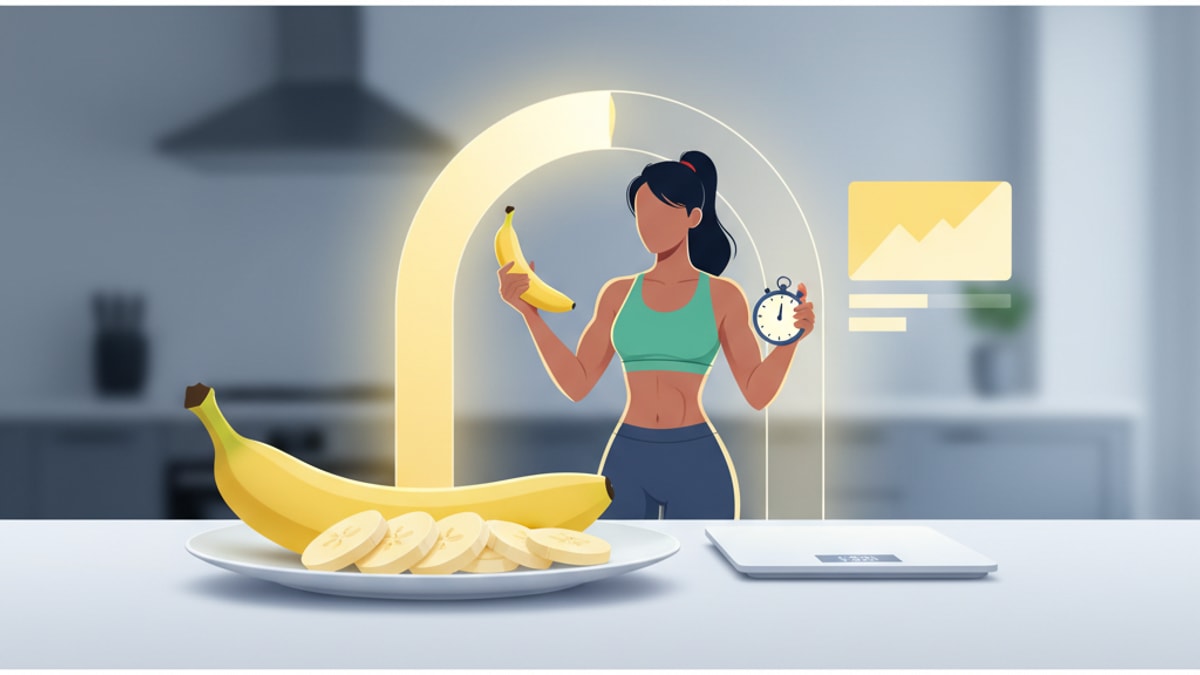
It's a question our team hears constantly, both from patients in our programs and from people just trying to make sense of the sprawling, often contradictory world of nutrition advice. Are bananas good for weight loss? The debate is fierce. On one hand, you have health gurus who praise them as a perfect, portable source of energy and vital nutrients. On the other, you'll find low-carb advocates who point to their sugar content with a sense of dread, branding them as a diet-derailing indulgence.
So, what's the real story? Honestly, the answer isn't a simple yes or no. It's far more nuanced. As a team dedicated to the science of metabolic health and sustainable weight management, we believe in looking past the headlines and digging into the data. The role a banana plays in your weight loss journey has everything to do with context—its ripeness, what you eat it with, when you eat it, and your own unique metabolic profile. Let's cut through the noise and give you the expert, unflinching look you deserve.
The Banana Paradox: Healthy Fruit or Sugar Bomb?
Let's be honest, the confusion is understandable. Fruits are healthy. We're all told to eat more of them. But in an era where sugar is often painted as the ultimate villain and low-carb diets are incredibly popular, the banana finds itself in a difficult spot. It's naturally sweet, which immediately raises red flags for anyone meticulously tracking their sugar intake.
This creates a genuine paradox for the health-conscious individual. You're trying to do the right thing by choosing a whole food over a processed snack, yet you're haunted by the thought that its natural sugars could be sabotaging your efforts. Our experience shows that this kind of food fear can be incredibly counterproductive. When we demonize individual foods, we lose sight of the bigger picture: overall dietary patterns, metabolic function, and consistent habits. A banana isn't inherently 'good' or 'bad.' It's a food with a specific nutritional profile, and its impact depends entirely on how it fits into your life. The key isn't to ban the banana but to understand it. That's what we're here to do.
Breaking Down the Banana: What's Really Inside?
To truly evaluate the banana's place in a weight loss plan, we have to look under the peel. A medium-sized banana (about 7-8 inches long) is more than just sugar. It's a complex package of nutrients that play critical, non-negotiable roles in your body's function.
A typical medium banana contains approximately:
- Calories: Around 105
- Water: About 75%
- Protein: 1.3 grams
- Carbohydrates: 27 grams
- Sugar: 14 grams
- Fiber: 3.1 grams
- Potassium: 12% of the Daily Value (DV)
- Vitamin B6: 20% of the DV
- Vitamin C: 17% of the DV
- Magnesium: 8% of the DV
At first glance, the 27 grams of carbs and 14 grams of sugar might seem high. We get it. But look closer. That 3.1 grams of fiber is incredibly important. Fiber slows down the absorption of sugar into your bloodstream, which helps prevent the dramatic blood sugar spikes and crashes that can lead to cravings and overeating. It also contributes to feelings of fullness, or satiety, which is a cornerstone of effective weight management. Feeling full and satisfied on fewer calories is the name of the game. That’s the goal.
And we can't ignore the micronutrients. Potassium is vital for regulating fluid balance and blood pressure, which can be particularly important during active weight loss. Vitamin B6 is a workhorse, involved in over 100 enzyme reactions in the body, including metabolism. Dismissing a banana as just 'sugar' is a massive oversimplification that ignores its significant nutritional contributions.
Let's Talk About Sugar and Glycemic Index
This is where the conversation gets interesting. The primary concern about bananas and weight loss boils down to their sugar content and its effect on blood sugar. To understand this, we need to talk about the Glycemic Index (GI).
The GI is a scale from 0 to 100 that ranks carbohydrate-containing foods by how much they raise blood glucose levels. Pure glucose has a GI of 100. Foods with a high GI are digested and absorbed quickly, leading to a rapid spike in blood sugar. Foods with a low GI are digested more slowly, causing a gentler, more gradual rise.
So, where do bananas fall? It depends entirely on their ripeness.
- Unripe (green) bananas have a GI of around 30-40, which is firmly in the 'low' category.
- Ripe (yellow) bananas have a GI of about 51, which is considered 'low-to-medium.'
- Overripe (brown-spotted) bananas can have a GI that creeps up into the mid-60s, which is in the 'medium' range.
Why the dramatic difference? It's all about the transformation of starches into sugars. As a banana ripens, its complex carbohydrates (specifically resistant starch) break down into simple sugars like sucrose, fructose, and glucose. This makes the banana sweeter and easier to digest, but it also means it will raise your blood sugar more quickly. For most people, a perfectly ripe yellow banana still has a moderate impact on blood sugar, especially when its fiber content is taken into account. It's not the same as drinking a can of soda or eating a candy bar. Not even close.
Resistant Starch: The Unsung Hero for Weight Loss
We mentioned resistant starch, but this topic deserves its own spotlight. It's a critical, often-overlooked element in the banana debate, and it's particularly abundant in greener, less-ripe bananas. We can't stress this enough: understanding resistant starch changes the entire conversation.
Resistant starch is a type of carbohydrate that, as its name suggests, 'resists' digestion in your small intestine. Instead of being broken down into sugar, it travels to your large intestine, where it acts as a prebiotic. What does that mean? It feeds the beneficial bacteria in your gut.
A healthy gut microbiome is increasingly being recognized as a formidable ally in weight management. These good bacteria ferment the resistant starch, producing short-chain fatty acids (SCFAs) like butyrate. Butyrate is a powerhouse molecule that helps fuel the cells lining your colon and has been shown to have several benefits relevant to weight loss:
- Increased Satiety: SCFAs can trigger the release of hormones like GLP-1 and PYY, which signal to your brain that you're full. This is the very same hormonal pathway that modern weight loss medications, like the ones we use in our medically-supervised programs at TrimrX, are designed to leverage. It's your body's own natural appetite control system.
- Improved Insulin Sensitivity: A healthy gut and the production of SCFAs have been linked to better insulin sensitivity, meaning your body can manage blood sugar more effectively.
- Reduced Fat Storage: Some research suggests that these compounds may help increase fat burning and reduce fat storage.
By choosing a banana that's still slightly green, you're not just getting less sugar; you're getting a significant dose of this powerful prebiotic fiber. You're actively nourishing your gut and supporting the very biological mechanisms that regulate appetite and metabolism.
The Verdict: How to Make Bananas Work For You
So, after all this science, what's the practical takeaway? Our team's professional recommendation is that bananas can absolutely be a valuable part of a successful weight loss strategy. The key is to be strategic. It's not about if you should eat them, but how.
Context is everything. A banana on its own, especially an overripe one, can act as a quick shot of sugar. But that same banana eaten after a tough workout can be fantastic for replenishing muscle glycogen stores. A banana blended into a smoothie with protein powder, spinach, and almond butter becomes part of a balanced, satiating meal.
Pairing is powerful. This is a critical point we emphasize with all our patients. Never let a carbohydrate go into your system alone. Pairing your banana with a source of protein and/or healthy fat is a game-changer. The protein and fat dramatically slow down digestion and the subsequent release of sugar into the bloodstream. This blunts the insulin response and keeps you feeling full for hours. Think about it: a banana with a handful of walnuts, sliced onto a piece of whole-grain toast with peanut butter, or mixed into a bowl of Greek yogurt. These aren't just delicious combinations; they are metabolically smart choices.
Timing matters. Need a quick, easily digestible source of energy before a morning run? A banana is an impeccable choice. Looking for a midnight snack? A banana might not be the best option, as a carb-heavy snack before bed can interfere with sleep quality and overnight fat-burning processes for some individuals. A small, protein-focused snack would be a better bet.
Portion control is non-negotiable. This applies to everything, not just bananas. A weight loss plan can likely accommodate one small or medium banana per day. It probably can't accommodate three or four large ones. Be mindful of the size and factor it into your overall daily calorie and carbohydrate goals.
Ripeness Matters: Green vs. Yellow Banana for Weight Loss
To make this even clearer, we've put together a simple comparison. Choosing the right banana for your goal can make a significant difference.
| Feature | Green (Unripe) Banana | Yellow (Ripe) Banana |
|---|---|---|
| Resistant Starch | Very High | Low (has converted to sugar) |
| Sugar Content | Lower | Higher |
| Glycemic Index | Low (around 30-40) | Low-to-Medium (around 51) |
| Texture & Taste | Firmer, less sweet, almost 'waxy' | Softer, sweeter, classic banana flavor |
| Digestibility | Can cause gas/bloating in some due to high fiber | Easier to digest |
| Best For | Maximizing prebiotic fiber, promoting satiety, gut health | Pre-workout energy, natural sweetness in recipes |
As you can see, the 'better' banana depends on your objective. For day-to-day weight management and blood sugar control, a banana that's yellow with a hint of green at the tips is often the sweet spot. It offers a good balance of flavor and nutritional benefits.
Beyond the Banana: A Holistic View on Sustainable Weight Loss
Here's the most important takeaway we can offer you. Obsessing over a single food—whether it's a banana, an avocado, or a piece of bread—is a recipe for frustration. It's like trying to judge the quality of a car by only looking at one of its tires. Sustainable, life-changing weight loss is never about one food. It's about building a comprehensive system that works for your body.
This means considering your total daily nutrition, your activity levels, your sleep quality, stress management, and, crucially, your underlying metabolic health. For many people, diet and exercise alone feel like an uphill battle. They follow all the rules, they eat the 'right' foods, and yet the scale refuses to budge. This is often a sign that there are deeper biological factors at play—things like insulin resistance, hormonal imbalances, or genetic predispositions.
This is the precise area where a medically-supervised approach can create a significant, sometimes dramatic shift. Modern treatments, including GLP-1 medications like Semaglutide and Tirzepatide, work by targeting the body's own metabolic and satiety pathways. They help regulate blood sugar, quiet the 'food noise' in your brain, and make it fundamentally easier to stick to a healthy eating plan. It's not about a lack of willpower; it's about giving your body the biological support it needs to succeed.
When you combine these powerful medical tools with professional guidance on nutrition and lifestyle, the results can be transformative. The goal isn't just to lose weight; it's to heal your metabolism so you can maintain a healthy weight for life. If you feel like you've tried everything and are ready to explore a path that addresses the root cause, you can Start Your Treatment Now.
Our Professional Take: When to Be Cautious with Bananas
While we've established that bananas are generally fine for most people's weight loss journeys, there are specific situations where more caution is warranted. Our commitment is to provide safe and effective guidance, and that includes knowing when to pull back.
Individuals with type 2 diabetes or significant insulin resistance need to be more mindful of their carbohydrate intake, including from fruit. For these individuals, pairing a banana with protein and fat isn't just a good idea—it's essential. They may also find that sticking to smaller portions or choosing greener bananas is more beneficial for their blood sugar management.
Similarly, anyone following a very low-carbohydrate diet, such as the ketogenic diet, will likely find that a single banana can consume their entire daily carb allotment. In this specific dietary context, bananas are generally avoided. This doesn't make bananas 'bad'; it simply means they are not compatible with the metabolic goals of that particular plan.
For anyone unsure about how a food like bananas fits into their specific health profile, consulting with a healthcare professional or a registered dietitian is always the best course of action. A personalized plan is always superior to generic advice. It’s the core of what we do at TrimrX. A plan designed for you is the only plan that truly works.
Ultimately, the banana is a perfect example of why nuance is so critical in nutrition. It can be a convenient, nutrient-dense snack that provides sustained energy and gut-health benefits, making it a great ally in your weight loss efforts. Or, if consumed mindlessly in large quantities, it can contribute excess sugar and calories. The power is in your hands—and it comes from being informed. If you're ready to build a comprehensive plan that truly works for your body and your metabolism, we invite you to take our quiz to see how our medical weight loss programs can help you achieve lasting results.
Frequently Asked Questions
How many bananas a day is too many for weight loss?
▼
For most people on a weight loss plan, one medium banana per day is a reasonable amount. Consuming more than that could contribute excessive sugar and calories, potentially making it harder to maintain the necessary calorie deficit for weight loss.
Does eating a banana at night make you gain weight?
▼
No single food eaten at a specific time causes weight gain. However, a large, carb-heavy snack before bed isn’t ideal for blood sugar or fat metabolism overnight. If you’re hungry at night, a small, protein-focused snack is generally a better choice.
Are banana chips a good snack for weight loss?
▼
Our team generally advises against banana chips. They are often fried in oil and can contain added sugars, making them very calorie-dense and much less healthy than a fresh banana. Always check the nutrition label, but a whole banana is almost always the superior choice.
Is a banana a good pre-workout food?
▼
Yes, a banana can be an excellent pre-workout snack. Its easily digestible carbohydrates provide a quick source of energy to fuel your exercise session. A ripe banana about 30-60 minutes before a workout is a great option for many people.
Can bananas help me lose belly fat?
▼
No food can ‘spot reduce’ fat from a specific area like the belly. However, bananas can contribute to overall weight loss by providing fiber and nutrients that keep you full, which helps you maintain a calorie deficit. This overall fat loss will include a reduction in belly fat.
Which is better for weight loss: a green or yellow banana?
▼
A greener banana is technically better for weight loss due to its higher resistant starch content and lower sugar levels. This combination promotes satiety and better blood sugar control. However, a ripe yellow banana can still be part of a healthy plan, especially when paired with protein.
Do bananas slow down metabolism?
▼
No, this is a myth. Bananas do not slow down your metabolism. In fact, the B vitamins they contain are essential for a healthy metabolic function, and the fiber can support a healthy gut, which is also linked to metabolic health.
Can I eat bananas if I have insulin resistance?
▼
You can, but with caution. We recommend choosing smaller, greener bananas and always pairing them with a source of protein and healthy fat (like nuts or yogurt) to slow sugar absorption and minimize blood sugar spikes. Consulting your doctor is always best.
Are plantains the same as bananas for weight loss?
▼
Plantains are a starchy relative of the banana and are nutritionally similar, though they are almost always cooked. When cooked, their resistant starch is reduced. They can be part of a weight loss diet, but portion control is key, and be mindful of preparation methods—avoid frying them in excessive oil.
Is a banana smoothie a good breakfast for weight loss?
▼
It can be, but it depends entirely on the ingredients. A smoothie with just a banana and juice is a sugar bomb. A well-constructed smoothie with a banana, protein powder, leafy greens, and a healthy fat like chia seeds can be a very balanced and satiating meal replacement.
Should I avoid bananas on a low-carb diet?
▼
On a strict low-carb or ketogenic diet, you will likely need to avoid bananas, as one medium banana can contain more than 25 grams of carbs. On a more moderate low-carb plan, a small portion might fit, but it requires careful planning.
Do bananas cause constipation?
▼
This is a common misconception. Unripe, green bananas contain tannins that can contribute to constipation in some people. However, ripe, yellow bananas are a good source of fiber, which typically helps relieve constipation and promote regularity.

Transforming Lives, One Step at a Time
Keep reading
Is Bupropion an SSRI or a Different Antidepressant?
A lot of people ask the same question at some point: is bupropion an SSRI? It usually comes up after hearing about medications like…

Do You Need a Prescription for GLP-1s? The 2026 Answer
Wondering ‘do you need a prescription for glp 1’ in 2026? Yes. We explain why a doctor’s oversight is critical for safe, effective results.

How to Get GLP-1 Covered By Insurance: Our 2026 Playbook
Struggling with how to get glp-1 covered by insurance? Our 2026 guide breaks down prior authorizations, appeals, and documentation.


