Are Bananas Healthy for Weight Loss? Our Team Weighs In.
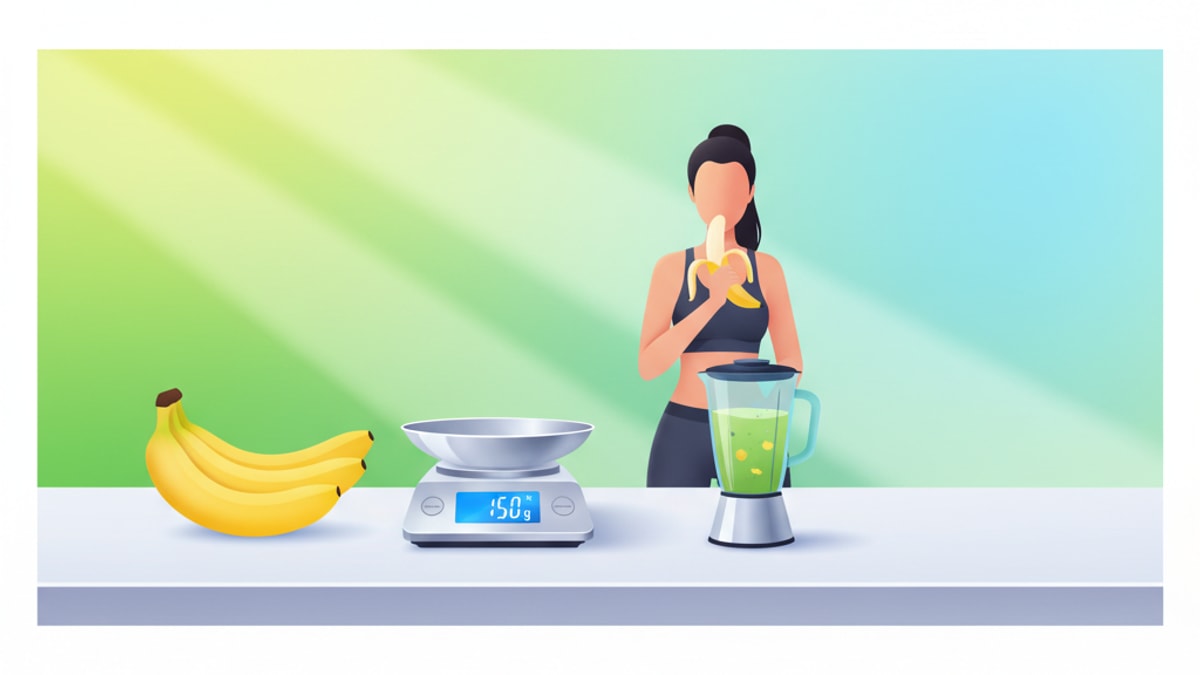
It’s one of the most common questions we hear from people navigating their health journey: "Are bananas healthy for weight loss?" On one hand, they’re a fruit—natural, packed with potassium, and convenient. On the other, they’re notoriously sweet and higher in carbs and sugar than, say, a handful of berries. This confusion is completely understandable. The internet is a sprawling, often contradictory place, with one article crowning the banana as a superfood and the next labeling it a diet-derailer.
Here at TrimrX, our team works with individuals who are making significant, sometimes dramatic shifts in their health, often with the powerful support of GLP-1 medications. We’ve found that true, sustainable success isn't just about medicine; it's about building a foundation of knowledge. It's about cutting through the noise to understand how food actually works in your body. So, let's settle this debate. We're going to break down the banana, from its nutritional core to its practical application in a weight loss plan, giving you the clear, science-backed perspective you deserve.
The Great Banana Debate: Why All the Confusion?
Let’s be honest, the banana has a bit of an identity crisis in the wellness world. It’s caught between two extremes. The anti-sugar, low-carb advocates often point to its sugar content (around 14 grams in a medium banana) and tell you to avoid it like the plague. They argue that this sugar spikes your blood glucose, leading to an insulin surge and, consequently, fat storage. It's a simple, compelling narrative.
But it's incomplete.
On the other side, you have the whole-foods proponents who champion the banana as a perfect, portable snack created by nature. They highlight its rich fiber content, its impressive roster of vitamins and minerals, and its role in providing clean energy. They argue that the sugar in a piece of fruit is packaged completely differently than the refined sugar in a cookie or soda. That fiber, they say, changes everything.
So who is right? The truth, as it so often is in nutrition, is nuanced. It’s not a simple yes or no. The effect of a banana on your weight loss journey depends on several factors: its ripeness, what you eat it with, when you eat it, and your own unique metabolic health. Our experience shows that black-and-white thinking about food is one of the biggest obstacles to long-term success. Labeling foods as strictly 'good' or 'bad' creates a restrictive mindset that's difficult to maintain. The real goal is to understand food as a tool and learn how to use it effectively to build a healthier body. This is the bedrock of the nutritional guidance we provide to complement our medical weight loss treatments.
A Banana's Nutritional Profile: A Closer Look
To really understand the banana's role, we have to look past the headlines and get into the data. What are you actually consuming when you peel one open? A medium-sized banana (about 7-8 inches long) contains roughly 105 calories, 27 grams of carbohydrates, 3 grams of fiber, and about 1 gram of protein. It's virtually fat-free.
But the story gets much more interesting when we look closer. Those 27 grams of carbs aren't all the same. They are a mix of starches and sugars, and the ratio between them changes dramatically as the banana ripens. This is the absolute key to understanding its impact on your body.
Let’s compare an underripe, greenish banana with a fully ripe, yellow-with-brown-spots banana. The difference is stark.
| Nutrient/Characteristic | Green (Underripe) Banana | Ripe (Yellow) Banana |
|---|---|---|
| Primary Carb Type | Resistant Starch | Simple Sugars (Sucrose, Fructose) |
| Texture & Taste | Firmer, less sweet, slightly starchy | Softer, much sweeter |
| Fiber Content | Higher in Pectin & Resistant Starch | Lower in Resistant Starch |
| Glycemic Index (GI) | Low (around 30-40) | Moderate (around 51-60) |
| Effect on Fullness | High Satiety | Moderate Satiety |
| Best Use Case | Promoting gut health, sustained energy | Quick energy boost, natural sweetener |
Beyond the carbs, bananas are famous for their potassium content, with one medium banana providing about 9-10% of your daily needs. Potassium is critical for fluid balance, nerve signals, and muscle contractions. They’re also a fantastic source of Vitamin B6, which is vital for metabolism and brain development, and offer a decent amount of Vitamin C and manganese. It's a powerhouse.
The Green Banana Advantage: Resistant Starch
Now, this is where it gets interesting. If you're focused on weight loss, the green, underripe banana is your secret weapon. The reason is a compound called resistant starch. We can't stress this enough: understanding resistant starch changes the game.
Resistant starch is a type of carbohydrate that, as its name implies, 'resists' digestion in your small intestine. Instead of being broken down into sugar and absorbed into your bloodstream, it travels down to your large intestine, where it acts as a prebiotic. In other words, it feeds the beneficial bacteria living in your gut. Why does this matter for weight loss? For a few huge reasons.
First, satiety. Because resistant starch isn't digested quickly, it helps you feel fuller for longer. When your gut bacteria ferment it, they produce short-chain fatty acids (SCFAs) like butyrate. These SCFAs trigger the release of hormones that tell your brain you're full. This is a powerful, natural appetite suppressant. At TrimrX, we see daily how critical appetite control is. Our GLP-1 treatments are designed to regulate these very same hormonal hunger signals, and pairing that medical support with foods that naturally enhance satiety creates an incredibly powerful synergistic effect.
Second, improved insulin sensitivity. By avoiding a rapid spike in blood sugar, resistant starch helps improve your body’s response to insulin over time. Poor insulin sensitivity is a major driver of weight gain and metabolic dysfunction, so anything that improves it is a massive win for your long-term health.
Finally, lower calorie absorption. Since you don't fully digest and absorb the energy from resistant starch, you get the bulk and fullness without all the calories. It’s a bit of a nutritional free lunch. So, if you've been avoiding bananas, consider trying them on the greener side—sliced into a smoothie or oatmeal, they add thickness and a host of benefits without overwhelming sweetness.
The Ripe Banana Reality: Sugar and Glycemic Index
So, what about the classic yellow banana most of us prefer? As a banana ripens, enzymes convert that amazing resistant starch into simple sugars. This is why a ripe banana is so much sweeter and softer than a green one. The carbohydrate profile shifts from being predominantly starch to being predominantly sugar.
This isn't necessarily a bad thing; it just changes the banana's function. A ripe banana has a higher glycemic index (GI), meaning it will raise your blood sugar more quickly than a green one. However, it's crucial to maintain perspective. The GI of a ripe banana is typically in the 51-60 range, which is still considered low to moderate. For comparison, a slice of white bread is around 75, and a bowl of cornflakes can be over 80. The fiber in the banana, though less than in its green state, still helps to slow down the absorption of that sugar.
This makes a ripe banana an excellent source of quick, easily digestible energy. It's why they are a favorite snack for athletes. If you need fuel for a workout, a ripe banana is a fantastic choice. The sugars provide immediate energy to power your muscles, while the potassium helps prevent cramping. Using a ripe banana for pre-workout fuel is a smart strategy. Using it as a sedentary afternoon snack when you’re not particularly active? That might be less ideal, especially if eaten alone.
It all comes down to context. A ripe banana isn't an evil, sugar-laden candy bar. It’s a whole food with a specific nutritional profile that can be used strategically to support an active lifestyle, which is a cornerstone of any successful weight loss plan.
How Bananas Actually Support Weight Loss Goals
Okay, let's put it all together. Are bananas healthy for weight loss? Yes, when used correctly, they absolutely can be. Our team has found they can be a valuable asset for several key reasons.
First and foremost is satiety. We've talked about the resistant starch in green bananas, but even ripe bananas contain pectin, a type of fiber that helps slow stomach emptying. A medium banana is far more filling than a 100-calorie snack pack of crackers or a handful of pretzels. This feeling of fullness is a critical, non-negotiable element in preventing overeating throughout the day. When you feel satisfied, you make better food choices. Simple, right?
Second is their ability to crush cravings. The natural sweetness of a banana can be incredibly effective at satisfying a sweet tooth. When a craving for sugar hits, reaching for a banana instead of a pint of ice cream or a chocolate bar is an undeniable victory for your health goals. It provides sweetness along with fiber and nutrients, unlike processed sweets which offer only empty calories and a subsequent energy crash. It's a smart swap that can save you hundreds of calories.
Third is their role in fueling activity. You can't achieve sustainable weight loss without movement. Exercise is essential, and you need energy to exercise effectively. Bananas are a perfect, portable, natural source of pre-workout fuel. Better workouts mean more calories burned and more muscle built, which in turn boosts your metabolism. It’s a virtuous cycle.
And finally, we're learning more every day about the profound connection between gut health and weight management. The prebiotic fiber and resistant starch in bananas feed the good bacteria in your gut. A thriving, diverse gut microbiome is linked to better metabolism, reduced inflammation, and even improved regulation of appetite hormones. By supporting your gut health, you're supporting your entire weight loss ecosystem.
Practical Strategies: Incorporating Bananas the Smart Way
Knowing that bananas can be healthy for weight loss is one thing. Knowing how to make them work for you is another. Here are some of the most effective strategies we recommend to our clients.
The number one rule: never eat a banana alone, especially a ripe one. Pairing it with protein and healthy fats is the key to managing its impact on your blood sugar. The protein and fat slow down digestion and the absorption of the banana's sugar, leading to a much gentler blood glucose response. This prevents the sharp spike and subsequent crash that can trigger more cravings and hunger. What does this look like in practice? Slice a banana over a bowl of plain Greek yogurt. Dip banana slices in a tablespoon of peanut or almond butter. Blend a banana (ideally a greener one) into a smoothie with a scoop of protein powder and a handful of spinach.
Timing is also crucial. As we discussed, a ripe banana is great fuel about 30-60 minutes before a workout. A greener banana, paired with protein, makes for an excellent, filling mid-morning or mid-afternoon snack that can carry you to your next meal without a desperate search for vending machine fare.
And of course, portion control matters. A banana is a single serving of fruit. It's easy to overdo it with 'healthy' foods, but calories are still calories. One banana a day is a perfectly reasonable amount for most people on a weight loss journey. The goal is variety, not eating five bananas a day simply because they are 'good.'
Ultimately, it’s about listening to your body. Everyone's carbohydrate tolerance and metabolic response are slightly different. This is where a truly personalized approach becomes invaluable. Some people may feel fantastic and energized after eating a banana, while others might feel a bit sluggish. Paying attention to your own body's signals is the final piece of the puzzle.
The TrimrX Perspective: Nutrition as a Pillar of Medical Weight Loss
At TrimrX, we provide access to some of the most advanced medical weight loss treatments available, including FDA-registered GLP-1 medications like Semaglutide and Tirzepatide. These treatments are revolutionary. They work on a biological level to regulate appetite, improve how your body handles sugar, and make significant weight loss achievable for people who have struggled for years.
But we are also unflinching in our message: these medications are a tool, not a cure-all. The most profound and lasting transformations happen when this powerful medical science is paired with a solid foundation of sustainable lifestyle habits. That means nutrition. It means movement. It means understanding your body.
That's why answering questions like "are bananas healthy for weight loss?" is so important to us. Building nutritional literacy is empowering. When you understand the 'why' behind your food choices, you are no longer just following a rigid diet plan. You are making informed, intelligent decisions that serve your long-term goals. You learn how to use a banana strategically, how to pair it with protein to stabilize your blood sugar, and how to choose the right ripeness for your specific needs. This knowledge stays with you for life, long after you've reached your goal weight.
Our programs are designed to support this holistic journey. We provide the medical tools to give you a powerful advantage, and we emphasize the educational framework to ensure your success is permanent. If you're tired of the confusion and ready to combine cutting-edge science with practical, sustainable lifestyle changes, we're here to help. You can learn more and see if you're a candidate when you Take Quiz on our site.
So, back to the original question. The final verdict from our team is a resounding yes—bananas can be a fantastic part of a healthy weight loss plan. They aren't a magical fat-burning fruit, nor are they a sugary diet-wrecker. They are a versatile, nutrient-dense whole food. The key is to be smart about it. Opt for greener bananas when you can, always pair them with protein or fat, pay attention to your portion sizes, and use them to fuel your activity and satisfy your sweet tooth. By moving beyond the black-and-white thinking and embracing the nuance, you can make this humble fruit a powerful ally on your journey to better health. Ready to begin your transformation? Start Your Treatment Now.
Frequently Asked Questions
How many bananas a day is too many for weight loss?
▼
For most people on a weight loss journey, one banana per day is a great target. While they’re healthy, they are a source of calories and carbs, and variety in your diet is key to getting a wide range of nutrients.
Do bananas cause belly fat?
▼
No single food causes belly fat. Weight gain, including in the abdominal area, is caused by a consistent surplus of calories. A banana, as part of a calorie-controlled diet, will not cause belly fat and can actually support weight loss by providing fiber and nutrients.
Is it better to eat a banana before or after a workout?
▼
A ripe banana is an excellent pre-workout snack, providing easily digestible carbs for quick energy. Post-workout, it can also help replenish glycogen stores, but our team recommends pairing it with a protein source like a protein shake to aid in muscle repair.
Are banana chips a healthy alternative for weight loss?
▼
Generally, no. Most commercially prepared banana chips are deep-fried and often have added sugar, making them much higher in calories and unhealthy fats than a fresh banana. Always check the label, but a fresh banana is almost always the superior choice.
Can I eat bananas if I have insulin resistance or type 2 diabetes?
▼
Yes, but with strategy. Opt for smaller, greener bananas and always pair them with a source of protein and healthy fat (like nuts or seeds) to minimize their impact on blood sugar. We recommend consulting with your healthcare provider for personalized advice.
Which is better for weight loss: a green or yellow banana?
▼
A green, underripe banana is generally better for weight loss. It’s higher in resistant starch, which promotes fullness, feeds healthy gut bacteria, and has a lower glycemic index, leading to better blood sugar control.
What’s the difference between a banana and a plantain for weight loss?
▼
Plantains are starchier and lower in sugar than dessert bananas. They are typically cooked before eating, which can affect their nutritional profile. When cooked and eaten as part of a balanced meal, they can be a good source of complex carbs and fiber.
Will eating a banana at night make me gain weight?
▼
Eating a banana at night won’t inherently make you gain weight. Total daily calorie intake is what matters most for weight management. However, the potassium and magnesium in bananas may help with muscle relaxation and sleep.
Are organic bananas healthier for weight loss?
▼
Nutritionally, organic and conventional bananas are very similar. The primary difference is the farming method and pesticide exposure. For weight loss, the calorie, carb, and fiber content are virtually identical, so either can fit into your plan.
Can I have bananas on a low-carb diet like keto?
▼
Typically, no. A single medium banana contains about 27 grams of carbs, which often exceeds the entire daily carb limit for a ketogenic diet (usually 20-50 grams). They are better suited for more moderate carbohydrate-intake plans.
How do bananas fit in with a GLP-1 medication plan?
▼
Bananas can be a great fit. GLP-1 medications slow digestion, and the fiber in bananas complements this effect, enhancing feelings of fullness. We advise patients to pair them with protein to support stable energy levels and lean muscle mass.
Do frozen bananas have the same health benefits?
▼
Yes, freezing a banana does not significantly alter its nutritional content. Frozen bananas are fantastic for making creamy, healthy ‘nice cream’ or for adding thickness and coldness to protein smoothies without watering them down.

Transforming Lives, One Step at a Time
Keep reading

Do You Need a Prescription for GLP-1s? The 2026 Answer
Wondering ‘do you need a prescription for glp 1’ in 2026? Yes. We explain why a doctor’s oversight is critical for safe, effective results.

How to Get GLP-1 Covered By Insurance: Our 2026 Playbook
Struggling with how to get glp-1 covered by insurance? Our 2026 guide breaks down prior authorizations, appeals, and documentation.

Traveling with GLP-1s in 2026: Your Essential Trip-Proof Plan
Don’t let travel disrupt your GLP-1 treatment. Learn how to travel with glp 1 medications safely and stress-free in our 2026 expert guide.


