Are Body Aches a Side Effect of Zepbound? What to Know
Introduction
Starting a new weight loss medication often brings a sense of hope, but it can also lead to questions when your body begins to feel different. You might expect a suppressed appetite or some mild nausea, but for many, a surprise “flu-like” feeling or generalized muscle soreness can be confusing. If you have recently started a program or increased your dose and find yourself asking, “Are body aches a side effect of Zepbound?” you are certainly not alone. Many individuals report feeling as though they have been “hit by a truck” or are coming down with a cold in the days following their injection.
At TrimRx, we believe that understanding these physical responses is the first step toward a more comfortable and sustainable health journey. While generalized body aches are not officially listed as a common clinical side effect, real-world reports suggest they occur quite frequently as the body adjusts. This article will explain why these aches happen, how to tell if they are serious, and what you can do to find relief. If you are considering whether a prescription program may be appropriate, you can complete a free eligibility assessment. While some individuals may experience these sensations, they are often manageable through lifestyle adjustments and professional guidance.
Body Aches and Zepbound: What the Research Says
When a medication like Zepbound® (tirzepatide) goes through clinical trials, researchers document every reaction experienced by participants. Interestingly, in the official prescribing information for the medication, “body aches,” “muscle pain,” or “myalgia” are not listed as common side effects. The most frequent issues reported are gastrointestinal, such as nausea, diarrhea, and constipation.
However, clinical trials do not always capture the full range of individual experiences. Once a medication is used by a larger, more diverse population, a more nuanced picture emerges. Many people report generalized soreness, neck stiffness, or skin sensitivity within 24 to 48 hours of their weekly injection. These reports are so consistent in patient communities that healthcare providers have begun to look closer at why this occurs.
For a broader look at possible reactions, review this guide to common GLP-1 side effects.
Quick Answer: While body aches are not a direct, labeled side effect of Zepbound®, they are frequently reported by patients. These aches are often an indirect result of the medication’s effect on the body, such as dehydration, electrolyte shifts, or a temporary immune response as the system adjusts to the new treatment.
Why Body Aches Might Occur During Treatment
If you are feeling achy, it is unlikely that the medication is directly damaging your muscles. Instead, these sensations are usually a byproduct of the massive metabolic shifts taking place in your body. Understanding these underlying triggers can help you address the discomfort at its source.
Dehydration and Electrolyte Imbalance
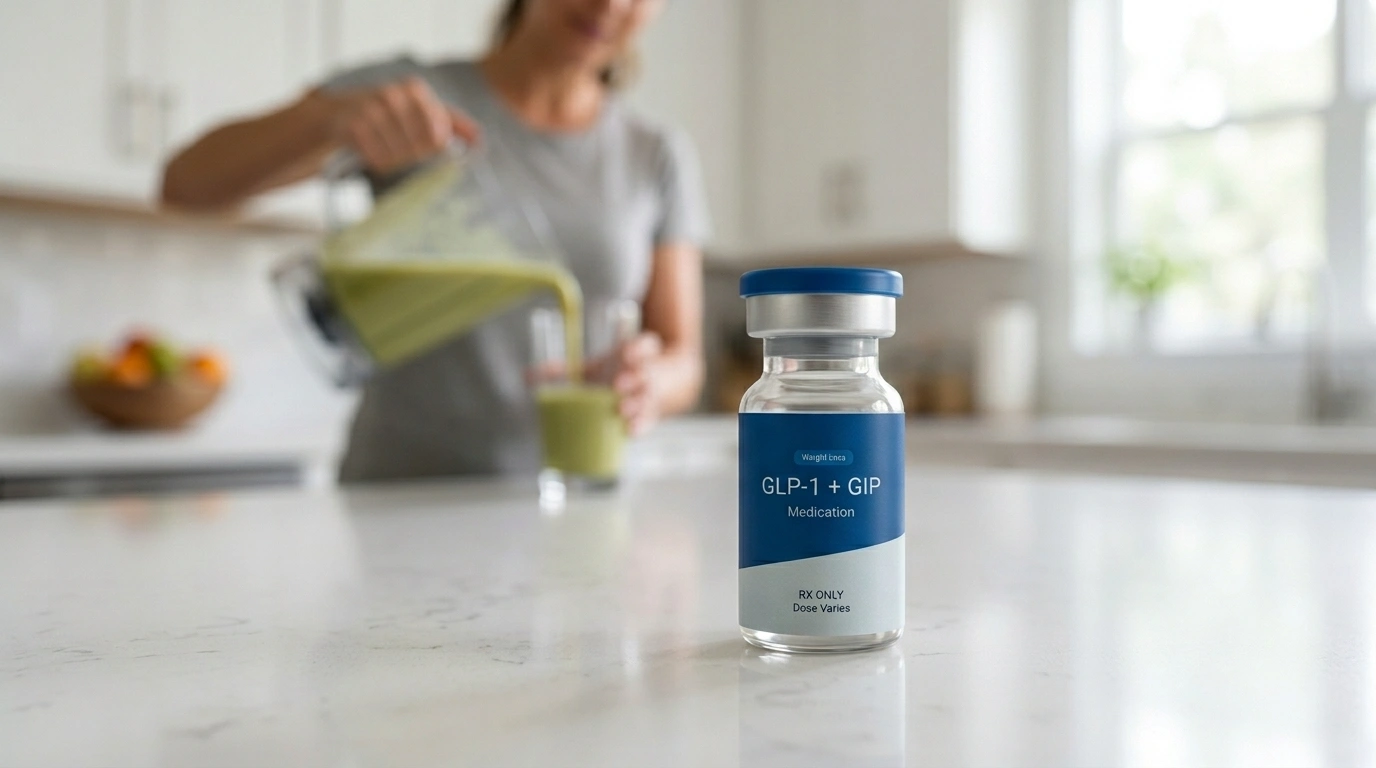
This is perhaps the most frequent culprit for muscle aches during any medical weight loss journey. Zepbound® belongs to a class of medications known as GLP-1 (glucagon-like peptide-1) and GIP (glucose-dependent insulinotropic polypeptide) receptor agonists. These hormones naturally slow down your digestion and tell your brain you are full.
Because you feel less hungry, you may also feel less thirsty. Many people simply forget to drink enough water throughout the day. Furthermore, if you experience other common side effects like mild diarrhea or vomiting, you may be losing fluids and essential minerals. These minerals, known as electrolytes—including magnesium, potassium, and sodium—are vital for muscle function. When they are out of balance, your muscles cannot contract or relax properly, leading to a generalized achy feeling or sharp cramps.
For more hydration context during treatment, read about how water supports weight loss.
The Body’s Natural Adjustment Period
Introducing a weekly medication that mimics two major metabolic hormones is a significant event for your system. Some researchers and patients believe that a mild immune response or “antibody” reaction may occur as the body encounters the medication for the first time. This can cause a temporary feeling of malaise or “flu-like” aches.
This sensation is often most intense after the very first injection or when a licensed provider increases your dosage. As your body builds a tolerance and recognizes the medication, this systemic “alarm” typically quiets down. Most individuals find that these specific aches fade after a few weeks of consistent treatment.
Metabolic Shifting and the “Keto Flu” Effect
As your body begins to process energy differently, it may shift from burning primarily sugar (glucose) to burning stored fat. This shift can sometimes trigger symptoms similar to what is commonly called the “keto flu.” Even if you are not following a ketogenic diet, the rapid change in how your body utilizes fuel can cause fatigue, headaches, and muscle soreness. This is a sign that your metabolic machinery is re-tuning itself, but it can be uncomfortable in the short term.
Rapid Weight Loss and Musculoskeletal Changes
Losing weight quickly is a primary goal for many, but it can also change how you carry your body. As you shed pounds, your center of gravity shifts. This can lead to subtle changes in your posture or the way you walk, which may strain muscles that are not used to the new alignment.
Additionally, if you are not consuming enough protein, your body might break down small amounts of muscle tissue to meet its energy needs. This process, known as sarcopenia, can lead to muscle weakness and a constant, dull ache. Maintaining muscle mass is critical for long-term health and metabolic stability.
For related nutrition context, explore how protein can support weight loss.
Key Takeaway: Most body aches are caused by the body’s reaction to weight loss and reduced intake rather than the medication itself. Focusing on hydration and nutrient density can resolve the majority of these complaints.
Differentiating Between Normal Aches and Serious Concerns
While most aches are a normal part of the adjustment phase, it is vital to know when a physical sensation requires immediate medical attention. High-compliance medications must be used under the supervision of a healthcare professional who can help you distinguish between a minor side effect and a rare complication.
For a broader review of warning signs, read about serious GLP-1 side effects.
When Pain Signals a Complication
Rarely, GLP-1 and GIP medications can be associated with inflammation of the pancreas (pancreatitis) or gallbladder issues. These conditions do not usually feel like generalized “flu-like” aches. Instead, they typically present as:
- Severe, sharp pain in the upper abdomen.
- Pain that radiates through to your back.
- Persistent vomiting that does not stop.
- A fever accompanied by localized abdominal tenderness.
If your pain is concentrated in your stomach or back and feels intense or “stabbing,” you should contact your healthcare provider or seek urgent care immediately.
Identifying Allergic Reactions
A systemic allergic reaction is another rare cause of body aches. If your aches are accompanied by hives, a widespread rash, swelling of the face, or difficulty breathing, this is a medical emergency. However, most people who report aches on Zepbound® describe them as a dull soreness or sensitivity to the touch, which is distinct from an allergic response.
Rare Conditions: Rhabdomyolysis
In extremely rare cases, severe dehydration combined with intense exercise and medication changes can lead to a condition called rhabdomyolysis. This involves a rapid breakdown of muscle tissue. The hallmark sign of this condition is extremely dark, tea-colored urine and profound muscle weakness. While very rare, it is a reminder that staying hydrated is not just about comfort—it is a safety requirement.
Practical Management Strategies
If you are experiencing mild discomfort, you do not have to wait it out in misery. There are several proactive steps you can take to support your recovery and help your body adapt more quickly.
The Importance of Hydration and Electrolytes
Do not wait until you feel thirsty to drink. Aim for a consistent intake of water throughout the day. Many people find that adding a sugar-free electrolyte supplement to at least one glass of water daily significantly reduces body aches. Look for products that contain a balance of magnesium and potassium, as these minerals are the “peacekeepers” of the muscle world.
For additional hydration guidance, review this daily hydration guide for weight loss.
Prioritizing Protein for Muscle Support
To protect your muscles during rapid weight loss, you must give your body the building blocks it needs. Aiming for 25 to 30 grams of high-quality protein at every meal can help prevent the muscle breakdown that leads to soreness. If your appetite is too low to eat large meals, consider a high-protein shake or smaller, nutrient-dense snacks throughout the day.
Gentle Movement and Recovery Techniques
When you feel achy, your first instinct might be to stay in bed. However, gentle movement can actually help. Light walking or restorative yoga increases blood flow to your muscles, which can help flush out metabolic byproducts and reduce stiffness. Warm baths with Epsom salts are also a favorite remedy in patient communities, as the magnesium in the salts can be absorbed through the skin to help relax tight muscles.
Working with Your Licensed Provider
Communication is essential. If you are a member of a platform like TrimRx, you have access to a team that understands these side effects. Your licensed provider may suggest a “start low and go slow” approach to your dosing. This titration process allows your body to build a tolerance to the medication over time, which often reduces the intensity of aches and other gastrointestinal issues.
Myth: “Body aches mean the medication is toxic to my system.” Fact: “Aches usually indicate that your body is adjusting to a lower-calorie state, shifting its metabolism, or is slightly dehydrated. They typically resolve as you stabilize your intake and hydration.”
Step-by-Step: Managing Your Onboarding Process
When starting a program through TrimRx, we prioritize a smooth transition. Follow these steps to minimize discomfort during your first few weeks.
Step 1: Complete the free assessment quiz.
This helps determine your eligibility and ensures that the program is tailored to your specific health history and goals.
Step 2: Prepare your environment.
Before your first injection, stock up on electrolyte powders, high-protein snacks, and a reliable water bottle. Being prepared makes it easier to stay on track when you aren’t feeling 100%.
Step 3: Track your symptoms.
Keep a simple log of when you take your injection and when you feel aches. If you notice the aches always happen 24 hours after the shot, you can plan for a “low-impact” day or increase your hydration in anticipation.
Step 4: Consult your provider before making changes.
If the aches are bothering you, do not skip a dose or change your schedule without speaking to your licensed provider. They can provide professional guidance on how to adjust your plan safely.
How Personalized Programs Address Side Effects
The advantage of a telehealth-based weight loss platform is the ability to receive personalized care without the hassle of in-person visits. At TrimRx, we connect you with providers who view weight loss through an empathetic lens. We understand that a successful journey isn’t just about the medication; it’s about the support system around it.
Our programs are designed to be comprehensive. This means you have access to clinical expertise to help manage side effects like body aches. Whether you are using compounded medications or seeking guidance on lifestyle changes, we provide a transparent path toward sustainable health. We use first-person insights to help you understand that your experience is valid and manageable.
For more background, read this guide to GLP-1 medications for weight loss.
Comparing Common Experiences
While every individual is different, we can look at the patterns of side effects to help you set realistic expectations.
| Factor | Typical Experience | Management Strategy |
|---|---|---|
| Timing | Often starts 12–24 hours post-injection. | Hydrate heavily before and after the shot. |
| Duration | Usually lasts 24 to 48 hours. | Gentle stretching and warm baths. |
| Frequency | Most common during the first month. | Stay consistent with dosing to build tolerance. |
| Severity | Usually mild, like post-workout soreness. | Ensure adequate protein and electrolyte intake. |
Bottom line: While uncomfortable, most body aches during treatment are temporary and respond well to improved hydration and nutrition.
Conclusion
Feeling body aches while taking Zepbound® can be an unexpected hurdle, but it is rarely a reason to stop your journey. In most cases, these sensations are a sign that your metabolism is undergoing a significant transformation. By staying proactive with your hydration, prioritizing protein, and maintaining an open line of communication with your healthcare team, you can move through this adjustment phase with confidence.
At TrimRx, we are committed to helping you achieve your goals through a science-backed, empathetic approach. We understand the emotional and physical weight of this journey, and we are here to ensure you never have to navigate it alone. Sustainable weight loss is possible when you have the right tools and a team that cares about your comfort as much as your results.
If you are ready to take the next step toward a healthier lifestyle with a personalized, medically supervised program, we invite you to start the assessment process.
- Take the free assessment quiz to see if you qualify for a personalized program.
- Focus on your “pillars of health”: water, protein, and rest.
- Stay connected with your support team for ongoing guidance.
Key Takeaway: Your body is a complex system that needs time to adapt to new treatments. Be patient with yourself, stay hydrated, and remember that these early side effects are often the gateway to long-term metabolic health.
FAQ
Is it normal for my skin to feel sensitive or “sore to the touch” on Zepbound®?
Some users report a sensation called allodynia, where the skin feels sensitive or even painful to light touch, often on the neck, back, or arms. While not a common clinical side effect, it is frequently discussed in patient communities and typically fades as the body becomes accustomed to the medication. If this sensation is accompanied by a rash or swelling, you should consult your licensed provider.
Can I take over-the-counter pain relievers for these aches?
Many people find relief using standard over-the-counter options like acetaminophen or ibuprofen. However, because these medications can sometimes affect the stomach, and GLP-1 medications already slow digestion, you should always ask your healthcare provider for a recommendation first. They can ensure that any pain relief you use is safe for your specific situation.
Will the body aches happen every time I increase my dose?
It is possible. Each dose increase represents a new “step up” for your metabolism, which may trigger a brief return of side effects. However, most people find that subsequent reactions are much milder than the ones they experienced during the very first week of treatment.
For more context on dose increases and side effects, review this GLP-1 side-effect management guide.
How can I tell the difference between muscle aches and a serious problem like pancreatitis?
Generalized body aches usually feel like the flu—diffuse, dull, and affecting multiple areas like the shoulders or legs. Pancreatitis pain is typically very specific, located in the upper abdomen, feels sharp or “boring,” and is almost always accompanied by severe nausea and vomiting. If you are ever unsure, it is always best to err on the side of caution and contact a medical professional.
TrimRX does not practice medicine or prescribe medications. Compounded medications are not FDA-approved and are not evaluated by the FDA for safety or efficacy. Results vary by individual and are not guaranteed.
Disclaimer: This content is for informational purposes only and does not constitute medical advice. It is not intended to diagnose, treat, cure, or prevent any disease or condition. Individual results may vary. Always consult a qualified healthcare professional before starting any weight loss program or medication.

Transforming Lives, One Step at a Time
Keep reading

Can You Eat Clam Chowder on Zepbound?
Clam chowder is a seaside classic, often served in a bread bowl on a chilly day. New England chowder is thick, creamy, and rich…

Can You Eat Korean BBQ on Zepbound?
Korean barbecue is a social, hands-on meal: platters of marinated meats grilled at the table, surrounded by small side dishes called banchan, with lettuce…
Can You Eat Brownies on Zepbound?
Brownies are a classic homemade treat, a bake sale staple, and a common office snack. They are also dense, rich, and very sweet, made…


