Are Cherries Good for Weight Loss? Our Team’s Expert Take
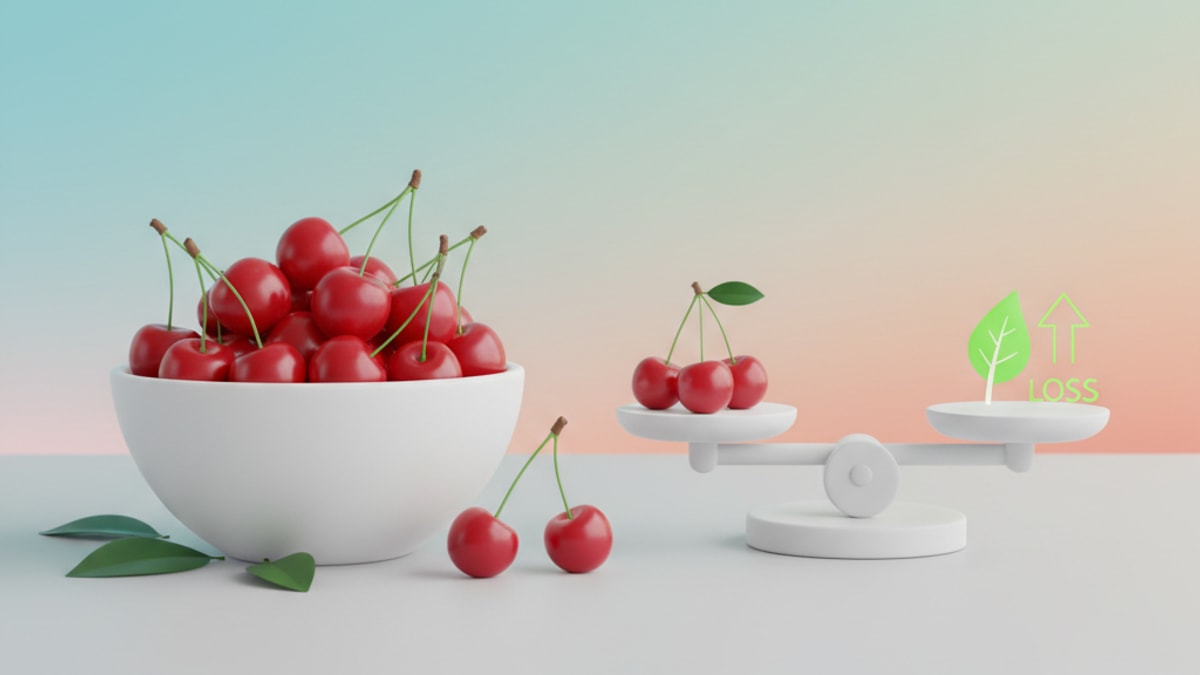
We get this question a lot, in all its different forms. People walk into a journey of health transformation, and they're suddenly bombarded with conflicting information about so-called 'superfoods'. One day, it's kale. The next, it's acai berries. And right now, you’re probably wondering, 'are cherries good for weight loss?' It’s a fantastic question, and one our team at TrimrX is uniquely positioned to answer, not just from a nutritional standpoint, but from a deep, clinical understanding of metabolic health and sustainable weight management.
Let's cut through the noise. The internet is a sprawling echo chamber of quick fixes and miracle cures. But true, lasting change doesn't come from a single ingredient. It comes from a comprehensive understanding of how your body works. That's our entire philosophy. So, we're going to break down everything you need to know about cherries, from the cellular level up, and show you how they can fit into a truly effective weight loss strategy—one that might also involve powerful medical tools when diet and exercise alone aren't enough.
So, Let's Get Straight to It: Are Cherries a Weight Loss Miracle?
No.
Let’s just get that out of the way immediately. No single food is a magic bullet for weight loss. Our team has worked with countless individuals, and we've seen firsthand that the belief in a 'miracle food' can actually be a roadblock. It sets up unrealistic expectations and can lead to disappointment and burnout. The real power lies in building a sustainable lifestyle supported by science.
But here's the crucial follow-up: while not a miracle, cherries are an incredibly valuable ally in your weight loss journey. They are packed with specific properties that can support your goals in several, sometimes surprising, ways. Think of them as a strategic tool in your nutritional toolkit, not the entire solution. It's a nuanced distinction, but it's a critical one for achieving long-term success. The goal isn't to find one food to solve everything; it's to build an arsenal of healthy habits and foods that work synergistically. And cherries absolutely earn their spot in that arsenal.
The Nutritional Breakdown: What's Really Inside a Cherry?
To understand why cherries are so beneficial, we need to look past the sweet taste and examine their nutritional profile. They're what we call 'nutrient-dense,' meaning they deliver a high amount of vitamins, minerals, and beneficial compounds for a relatively low number of calories. This is the holy grail for weight management. You feel satisfied without consuming excess energy.
One cup of fresh, pitted sweet cherries (about 150 grams) contains roughly 97 calories, 25 grams of carbohydrates, and a respectable 3 grams of fiber. But the numbers only tell part of the story. They are also rich in Vitamin C, potassium, and polyphenols, which are powerful plant compounds that have a cascade of positive effects on the body. We're not just talking about basic nutrition; we're talking about compounds that actively fight inflammation and support metabolic function. It’s this combination of low-calorie density and high biological activity that makes them so compelling.
Our team often finds that people get caught up in the carb count, but the quality of those carbohydrates is what matters. The carbs in cherries are bundled with fiber and water, which dramatically changes how your body processes them. It's a world away from the 'empty' carbs you'd find in a sugary drink or a processed snack. To put it simply, your body knows what to do with the energy from a cherry.
Here’s a quick look at how the two most common types stack up. They're similar, but with a few key differences our clients often ask about.
| Feature | Sweet Cherries (e.g., Bing, Rainier) | Tart Cherries (e.g., Montmorency) |
|---|---|---|
| Calories (per cup) | ~97 calories | ~78 calories |
| Primary Use | Eaten fresh | Often sold frozen, dried, or as juice/concentrate |
| Key Nutrient | High in potassium and have a sweeter taste | Exceptionally high in antioxidants (anthocyanins) |
| Melatonin Content | Moderate | Significantly higher, linked to sleep benefits |
| Fiber Content | Good source (~3g per cup) | Similar source (~2.5g per cup) |
Fiber: The Unsung Hero of Satiety
If there's one nutrient that's a non-negotiable element for successful weight loss, it's fiber. And cherries are a good source of it. The 3 grams of fiber in a cup of cherries might not sound like a massive amount, but its impact is profound. This is something we constantly reinforce in our programs. Fiber works in two critical ways.
First, it adds physical bulk to your food. As you eat cherries, the fiber absorbs water and swells in your stomach. This process sends signals to your brain that you're getting full, which can help you stop eating sooner and feel satisfied with a smaller portion. It’s a simple mechanical process, but it’s incredibly effective at curbing overeating.
Second, fiber slows down digestion. It takes your body longer to break down a high-fiber food, which means the sugar (fructose) from the cherries is released into your bloodstream much more gradually. This prevents the sharp blood sugar spikes and subsequent crashes that lead to intense cravings, fatigue, and the impulse to reach for another snack. By stabilizing your blood sugar, you're not just managing hunger—you're managing your energy and mood, making it exponentially easier to stick to your healthy eating plan. We've seen it time and again: when blood sugar is stable, decision-making around food improves dramatically.
The Antioxidant Powerhouse: Anthocyanins and Inflammation
Now, this is where it gets really interesting from a biochemical perspective. Cherries, especially the tart varieties, are famous for their deep red color. That color comes from a class of antioxidants called anthocyanins. These aren't just pretty pigments; they are potent anti-inflammatory compounds.
What does inflammation have to do with weight loss? A lot, actually. Our clinical experience shows a strong, often overlooked, link between chronic, low-grade inflammation and weight gain or difficulty losing weight. When your body is in a constant state of inflammation (triggered by poor diet, stress, or lack of sleep), it can disrupt the hormones that regulate metabolism and fat storage, like insulin and leptin. This can lead to insulin resistance, a condition where your cells don't respond properly to insulin, making it harder for your body to burn fat for energy.
By consuming foods rich in anthocyanins, like cherries, you are providing your body with the tools to cool this inflammation. It’s not an overnight fix, but over time, reducing systemic inflammation can help restore metabolic balance and make your body more receptive to weight loss efforts. It’s about creating an internal environment that is conducive to fat loss, rather than one that is actively fighting against you. For many of our patients, addressing inflammation is the key that unlocks their progress.
Cherries, Sleep, and Your Metabolism
Here’s a connection most people miss. Quality sleep is absolutely critical for weight management. When you're sleep-deprived, your body's hormonal balance goes haywire. Levels of ghrelin, the 'hunger hormone,' go up, while levels of leptin, the 'satiety hormone,' go down. At the same time, your cortisol (the stress hormone) levels rise, which can trigger cravings for high-fat, high-sugar foods and encourage your body to store fat, particularly around the abdomen.
This is where tart cherries, specifically, come into play. They are one of the few natural food sources of melatonin, the hormone that regulates your sleep-wake cycle. Several studies have suggested that consuming tart cherry juice or concentrate can improve both sleep quality and duration. While it's not a sedative, the melatonin in tart cherries can help signal to your body that it's time to wind down, promoting a more restful night.
We can't stress this enough: you cannot out-diet or out-exercise poor sleep. It's a foundational pillar of health. If adding a handful of cherries or a splash of tart cherry juice to your evening routine helps you get even 30 more minutes of quality sleep, the downstream benefits for your metabolism, appetite control, and energy levels the next day can be significant. It’s a simple, natural strategy to support one of the most important aspects of your health journey.
Glycemic Index: Why Cherries Won't Spike Your Blood Sugar
For anyone trying to manage their weight, blood sugar control is paramount. Foods that cause rapid spikes in blood glucose lead to a surge of insulin, which is a fat-storage hormone. When insulin levels are high, your body's fat-burning processes are effectively shut off.
Despite their sweetness, cherries have a relatively low glycemic index (GI). The GI is a scale that ranks carbohydrates on how quickly they cause blood sugar levels to rise. Sweet cherries have a GI of around 62, while tart cherries are even lower at 22 (anything under 55 is considered low). This is thanks, in large part, to their high fiber content and the type of sugar (fructose) they contain, which is processed more slowly by the body.
Choosing low-GI fruits like cherries over high-GI snacks is a powerful strategy for keeping your insulin levels stable throughout the day. This not only helps prevent fat storage but also keeps you off the energy rollercoaster that so many people struggle with. It helps you feel more in control, with fewer cravings and a more consistent energy supply. This is a core principle we build into the nutritional guidance that complements our medical treatments.
How We Recommend Integrating Cherries into Your Plan
Okay, so we've established that cherries are a fantastic tool. But how do you use them effectively? Like any tool, it's all about the application. Just because something is healthy doesn't mean you can eat it in unlimited quantities. Portion control is still the king.
Here’s what we’ve learned works best:
- Fresh or Frozen is Best: Our team always recommends prioritizing fresh or frozen cherries. Frozen cherries are picked at peak ripeness and flash-frozen, which locks in their nutrients. They're perfect for smoothies, stirring into Greek yogurt, or even just eating as a refreshing, icy snack.
- Portion Size Matters: A serving is about one cup. This gives you all the benefits without overloading on sugar and calories. It's easy to mindlessly eat them from a large bag, so we advise portioning them out into a bowl first.
- Be Wary of Juice and Dried Cherries: This is a big one. Cherry juice, even 100% juice, strips away the fiber. Without the fiber, you're left with concentrated sugar that can spike your blood sugar much more quickly. A small amount of unsweetened tart cherry juice for sleep can be okay, but it shouldn't be a go-to beverage. Dried cherries are even trickier. The dehydration process concentrates the sugar and calories, and it's incredibly easy to eat far more than a single serving. A quarter-cup of dried cherries can have the same number of calories as a full cup of fresh ones.
- Avoid Maraschino Cherries: These are not a health food. They are cherries that have been bleached, soaked in high-fructose corn syrup, and artificially colored. They've lost virtually all their nutritional benefits and are essentially candy. Give them a hard pass.
Think of cherries as a healthy swap. Craving something sweet after dinner? A bowl of fresh cherries is a far better choice than cookies or ice cream. Need a post-workout snack? A handful of cherries can help replenish glycogen stores and provide anti-inflammatory benefits.
The Bigger Picture: Cherries Are a Piece of a Complex Puzzle
Here's the reality. You can eat all the cherries in the world, but if the rest of your lifestyle isn't aligned with your goals, you won't see the results you want. Cherries are a fantastic component of a healthy diet, but they are just one component. Sustainable weight loss is a multifaceted challenge that involves nutrition, physical activity, sleep, stress management, and, for many people, addressing underlying biological factors.
For some individuals, especially those who have struggled with weight for years, there can be metabolic and hormonal resistance that makes losing weight incredibly difficult, even with a perfect diet and exercise regimen. This is where a medical approach becomes not just helpful, but necessary. At TrimrX, we specialize in understanding this biological complexity.
Modern medicine has provided us with remarkable tools like GLP-1 medications (such as Semaglutide and Tirzepatide). These aren't 'diet pills.' They are sophisticated, FDA-registered treatments that work with your body's own hormonal systems to regulate appetite, control blood sugar, and reduce the 'food noise' that can sabotage even the most determined efforts. They help reset the body's metabolic baseline, making healthy choices feel natural rather than like a constant battle.
This is how all the pieces fit together. A medical treatment like a GLP-1 can provide the powerful biological support needed to make lifestyle changes stick. It helps you feel full and satisfied with appropriate portions of healthy foods—like a beautiful bowl of fresh cherries. The medication creates the opportunity, and the healthy lifestyle choices capitalize on it. They work together, synergistically. If you feel like you've been doing everything right but the scale won't budge, it might be time to explore a more comprehensive strategy. You can see if you're a candidate and Start Your Treatment with our simple online process.
Common Pitfalls to Avoid with Cherries and Weight Loss
Before we wrap up, let's talk about a few common mistakes we see people make when they try to incorporate 'healthy' foods into their diet. Awareness is the first step to avoiding them.
- The 'Health Halo' Effect: This is the tendency to overeat a 'healthy' food. You think, 'cherries are good for me, so I can eat as many as I want.' As we've discussed, calories and sugar still count, even from a nutritious source. Stick to a reasonable portion size.
- Ignoring the Rest of Your Diet: Adding cherries to a diet filled with processed foods, unhealthy fats, and refined sugars won't move the needle. They need to be part of a broader shift towards whole, unprocessed foods.
- Relying on Supplements: Cherry extract pills and powders are everywhere. While they might offer some concentrated antioxidant benefits, they lack the fiber, water, and feeling of fullness that you get from eating the whole fruit. We always recommend a food-first approach. Real food provides a complex symphony of nutrients that supplements just can't replicate.
It’s about balance and integration. Cherries are a wonderful, delicious, and strategic addition to a weight loss plan. They support satiety, fight inflammation, improve sleep, and stabilize blood sugar. Use them wisely, as part of a holistic approach that respects your body's complex biology, and they can absolutely be a sweet part of your success story. And if you need more powerful tools to support that journey, know that effective, science-backed medical options are available to help you finally achieve your goals.
Frequently Asked Questions
How many cherries should I eat per day for weight loss?
▼
We recommend sticking to a single serving, which is about one cup of fresh or frozen cherries per day. This provides the nutritional benefits like fiber and antioxidants without adding excessive sugar or calories to your diet.
Are tart cherries better than sweet cherries for weight loss?
▼
Both are excellent choices. Tart cherries are slightly lower in calories and sugar and exceptionally high in anti-inflammatory compounds and melatonin for sleep. Sweet cherries are still a fantastic, low-GI option rich in potassium. Choose the one you enjoy most, as consistency is key.
Can drinking cherry juice help me lose weight?
▼
Our team generally advises against relying on juice for weight loss. Juicing removes the fiber, which is crucial for satiety and blood sugar control. A small amount of unsweetened tart cherry juice might help with sleep, but the whole fruit is always the superior choice for weight management.
Will eating cherries at night make me gain weight?
▼
No, eating cherries at night will not inherently cause weight gain. Weight management is about your total calorie intake over the day, not the timing of specific foods. In fact, their melatonin content could potentially improve your sleep, which is beneficial for weight loss.
Are frozen cherries as healthy as fresh ones?
▼
Yes, absolutely. Frozen cherries are flash-frozen at peak ripeness, which preserves their vitamins, minerals, and antioxidants beautifully. They are an excellent and often more affordable option for smoothies, yogurt, or as a simple frozen snack.
What about dried cherries or maraschino cherries?
▼
We advise extreme caution with dried cherries, as they are very calorie- and sugar-dense. A small sprinkle is okay, but it’s easy to overeat. Maraschino cherries should be avoided entirely; they are essentially candy with no remaining health benefits.
Can I eat cherries if I have diabetes or insulin resistance?
▼
Cherries have a low glycemic index, making them a generally good choice for individuals managing blood sugar. However, it’s essential to monitor your portions and consult with your healthcare provider or our medical team to see how they fit into your specific dietary plan.
Do cherries specifically help with belly fat?
▼
No single food can target fat in one specific area of the body. However, the anti-inflammatory properties of cherries can help reduce systemic inflammation, which is linked to abdominal fat storage, and their fiber content supports overall weight loss.
How do cherries compare to other fruits for weight loss?
▼
Cherries are a top-tier choice alongside berries, apples, and pears due to their high fiber content and low glycemic index. They offer unique anti-inflammatory and sleep-promoting benefits that make them a standout option in a varied fruit intake.
Can cherries replace a meal?
▼
No, cherries should not be used as a meal replacement. They lack the protein and healthy fats necessary for a balanced meal. Think of them as a healthy snack, a dessert alternative, or an addition to a meal, such as on top of oatmeal or yogurt.
Are there any side effects to eating too many cherries?
▼
Eating an excessive amount of cherries can lead to digestive discomfort, such as gas, bloating, or diarrhea, due to their fiber and sugar alcohol content. Sticking to the recommended one-cup serving size is the best way to avoid any issues.
How do cherries fit into a plan with medications like Semaglutide?
▼
Cherries fit perfectly. GLP-1 medications like Semaglutide help control appetite, making it easier to feel satisfied with appropriate portions of nutrient-dense foods. A serving of cherries can be a perfect, satisfying, and low-GI sweet treat that aligns with the healthy eating patterns these medications support.

Transforming Lives, One Step at a Time
Keep reading

Do You Need a Prescription for GLP-1s? The 2026 Answer
Wondering ‘do you need a prescription for glp 1’ in 2026? Yes. We explain why a doctor’s oversight is critical for safe, effective results.

How to Get GLP-1 Covered By Insurance: Our 2026 Playbook
Struggling with how to get glp-1 covered by insurance? Our 2026 guide breaks down prior authorizations, appeals, and documentation.

Traveling with GLP-1s in 2026: Your Essential Trip-Proof Plan
Don’t let travel disrupt your GLP-1 treatment. Learn how to travel with glp 1 medications safely and stress-free in our 2026 expert guide.


