Are Compounded GLP-1 Effective? Exploring Their Safety and Efficacy
Introduction
In a world where obesity and weight-related health challenges have reached epidemic proportions, the quest for effective weight loss solutions has never been more urgent. Did you know that approximately 74% of Americans are either overweight or obese? This staggering statistic underscores the significance of exploring various weight loss options, particularly the recent surge in popularity of glucagon-like peptide-1 (GLP-1) receptor agonists. These medications, including semaglutide and tirzepatide, have been hailed as game-changers in the realm of weight management. However, a growing trend in the market has emerged in the form of compounded GLP-1 medications, which promise easy access and lower prices. But are compounded GLP-1 medications effective and safe?
In this blog post, we aim to demystify compounded GLP-1 medications and provide a comprehensive analysis of their efficacy, safety, and the potential risks associated with their use. By the end of this article, you will have a clearer understanding of the role compounded GLP-1s play in weight loss, the importance of proper medical oversight, and how TrimRx approaches personalized weight loss solutions through our innovative telehealth platform.
Together, we will explore the fundamental aspects of compounded GLP-1 medications, including their composition, the regulatory landscape, potential risks, and how they compare to FDA-approved options. We’ll also touch on the importance of personalized care and support, which is at the heart of TrimRx’s mission.
Understanding Compounded GLP-1 Medications
What Are Compounded GLP-1 Medications?
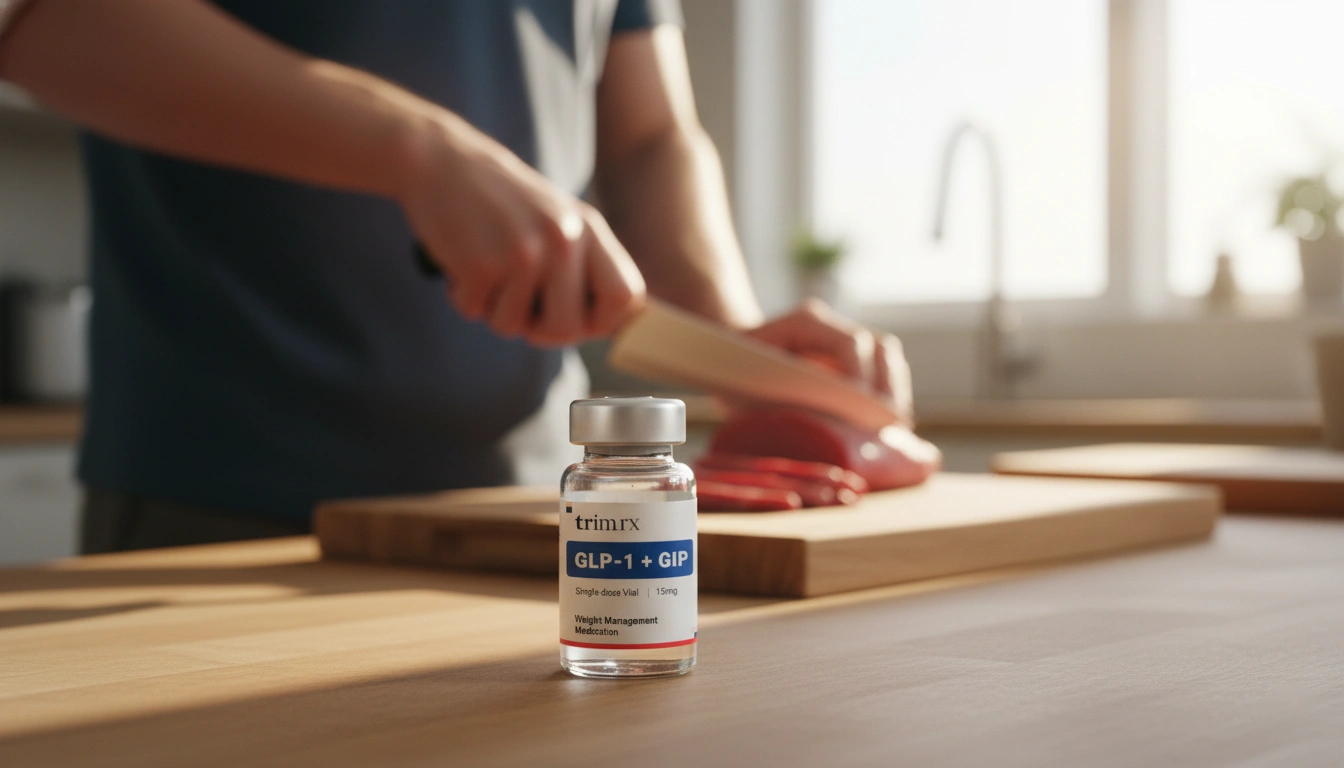
Compounded GLP-1 medications are customized versions of commercially available drugs, tailored specifically for individual patients based on prescriptions from licensed healthcare providers. These medications utilize FDA-approved ingredients, but the final product itself lacks individual FDA approval. This distinction is crucial, as it means that while the active ingredients may be safe, the compounded medication has not undergone the rigorous testing and review process that FDA-approved drugs must pass.
The rise of compounded GLP-1 medications has been largely driven by increasing demand and supply shortages of brand-name GLP-1 receptor agonists such as Ozempic® and Wegovy®. As healthcare providers and patients struggle to access these medications due to high prices and limited availability, compounded versions have emerged as an alternative. They are often marketed for weight management, allowing patients to bypass some of the financial and logistical barriers associated with traditional weight loss medications.
The Mechanism of Action
GLP-1 receptor agonists mimic the action of a hormone called glucagon-like peptide-1, which is naturally produced in the gut. This hormone plays a vital role in glucose metabolism and appetite regulation. By activating GLP-1 receptors in the brain and pancreas, these medications can help:
- Increase insulin secretion in response to meals.
- Decrease glucagon secretion, which reduces glucose production in the liver.
- Slow gastric emptying, leading to increased feelings of fullness.
- Promote weight loss by curbing appetite.
The combination of these effects makes GLP-1 receptor agonists a powerful tool in managing obesity and type 2 diabetes.
The Efficacy of Compounded GLP-1 Medications
Clinical Evidence and Research
While the theoretical framework for GLP-1 receptor agonists suggests significant potential for weight loss, the efficacy of compounded versions remains a contentious issue. Unlike their FDA-approved counterparts, compounded GLP-1 medications have not undergone extensive clinical trials to validate their effectiveness. This lack of standardized testing raises questions about whether these compounded medications can deliver the same results as their approved versions.
Some studies have indicated that patients using compounded GLP-1 drugs may experience weight loss benefits similar to those seen with FDA-approved medications. However, the variability in compounding practices, dosing, and ingredients can lead to inconsistent results. Without stringent regulatory oversight, the potency and purity of compounded formulations can differ significantly from batch to batch.
Comparing Compounded and FDA-Approved GLP-1 Medications
When evaluating the effectiveness of compounded GLP-1 medications, it is essential to compare them with FDA-approved options. FDA-approved GLP-1 receptor agonists have demonstrated significant weight loss in clinical trials, with many patients achieving substantial reductions in body weight. For instance, studies have shown that semaglutide (Wegovy) can lead to an average weight loss of about 15-20% of body weight over 68 weeks.
In contrast, the efficacy of compounded versions is less documented. Factors such as the lack of standardization, variations in dosages, and potential impurities could affect their effectiveness. While some patients may report positive outcomes, the absence of comprehensive clinical data makes it challenging to draw definitive conclusions about the overall efficacy of compounded GLP-1 medications.
Safety Concerns Around Compounded GLP-1 Medications
Regulatory Oversight and Quality Assurance
One of the primary concerns associated with compounded medications is the lack of regulatory oversight. While FDA-approved drugs undergo rigorous testing for safety, efficacy, and quality, compounded medications do not receive the same level of scrutiny. This lack of oversight can lead to various safety issues, including:
- Inconsistent Dosing: Compounded medications may not have standardized dosing guidelines, increasing the risk of underdosing or overdosing.
- Risk of Contamination: Compounding pharmacies may not adhere to stringent sterile practices, raising the risk of contamination and infection.
- Adulteration: Some compounded medications may include unapproved or inferior ingredients to cut costs or increase profits.
At TrimRx, we prioritize safety and adhere to a transparent approach by partnering exclusively with FDA-registered and inspected pharmacies for the shipping of our medications. This commitment ensures that our patients receive high-quality products while minimizing the risks associated with compounded medications.
Potential Side Effects and Adverse Events
Like all medications, compounded GLP-1 medications carry the risk of side effects. Common side effects reported with GLP-1 receptor agonists include:
- Nausea and vomiting
- Diarrhea
- Constipation
- Abdominal pain
In more severe cases, adverse events such as pancreatitis and gastrointestinal issues can occur. The potential for serious side effects underscores the importance of medical supervision during treatment. Patients should work closely with their healthcare providers to monitor their response to the medication and address any concerns that arise.
The Role of Personalized Care in Weight Management
At TrimRx, we understand that weight loss is not a one-size-fits-all journey. Our approach is built on a foundation of personalized care, integrating advanced medical science with modern technology to create tailored weight loss solutions. Here’s how we ensure that our patients receive the best possible support on their weight loss journey:
Comprehensive Assessment and Treatment Plans
To provide personalized treatment plans, we begin with a thorough assessment that includes a free online quiz to determine eligibility for our prescription weight loss medications. This initial step allows us to understand each patient’s unique circumstances, including their medical history, goals, and preferences.
Ongoing Support and Monitoring
Throughout the treatment process, we offer unlimited support to our patients. Our dedicated team of healthcare professionals is available to provide guidance, answer questions, and address any concerns that may arise. This continuous support is crucial for helping patients stay on track and achieve their weight loss goals.
Focus on Medical Supervision
Our commitment to patient safety extends to medical supervision. We emphasize the importance of ongoing monitoring during treatment, ensuring that our patients are well-informed and supported throughout their weight loss journey. By partnering with qualified healthcare providers, we help mitigate the risks associated with compounded GLP-1 medications and ensure that patients receive the care they need.
Conclusion
The rising popularity of compounded GLP-1 medications presents both opportunities and challenges in the realm of weight management. While these medications may offer easier access and lower prices, the lack of regulatory oversight and consistent clinical evidence raises critical safety concerns. At TrimRx, we advocate for a safe, effective approach to weight loss that prioritizes personalized care and ongoing support.
As we navigate the complexities of weight management together, it is essential to make informed decisions based on a comprehensive understanding of the risks and benefits associated with compounded GLP-1 medications. By emphasizing medical supervision and empowering patients with knowledge, we can help individuals achieve sustainable weight loss and improve their overall well-being.
If you’re considering a weight loss journey with GLP-1 medications, we encourage you to take our free assessment quiz to see if you qualify for our prescription weight loss medications. Additionally, our quick-access supplements, such as GLP-1 Daily Support and Weight Loss Boost, are available to complement your weight loss efforts.
FAQ
What are compounded GLP-1 medications?
Compounded GLP-1 medications are customized versions of FDA-approved drugs created by compounding pharmacies. They are tailored based on individual prescriptions but lack specific FDA approval for the compounded formulation.
Are compounded GLP-1 medications effective?
While some patients report positive outcomes with compounded GLP-1 medications, their efficacy is not well-documented due to the lack of clinical trials. FDA-approved GLP-1 medications have demonstrated significant weight loss in clinical studies.
What are the risks associated with compounded GLP-1 medications?
The primary risks include inconsistent dosing, potential contamination, and lack of regulatory oversight. Common side effects may include nausea, vomiting, and gastrointestinal issues.
How does TrimRx ensure safety with its weight loss solutions?
At TrimRx, we partner exclusively with FDA-registered and inspected pharmacies for the shipping of our medications. We prioritize patient safety through personalized care, ongoing support, and medical supervision.
How can I start my weight loss journey with TrimRx?
We invite you to take our free assessment quiz to determine your eligibility for prescription weight loss medications. In addition, explore our quick-access supplements to support your weight loss efforts.

Transforming Lives, One Step at a Time
Keep reading

How to Adjust Weight Loss Goals on GLP-1 Medications
Adjust weight goals on GLP-1 meds by tracking body composition and labs, optimizing protein, activity, sleep, and working with your provider on dosing.
Falsified Mounjaro pens prompt urgent safety advisory
MHRA warns of counterfeit Mounjaro pens (batch D873576); stop use and check batch numbers for infection risk.

Novo Nordisk shares drop as Alzheimer’s hopes for weight-loss drug fade
Novo Nordisk’s semaglutide failed to slow Alzheimer’s in large trials, prompting shares to fall and expert reactions.


