Are Dill Pickles Good for Weight Loss? Our Experts Weigh In
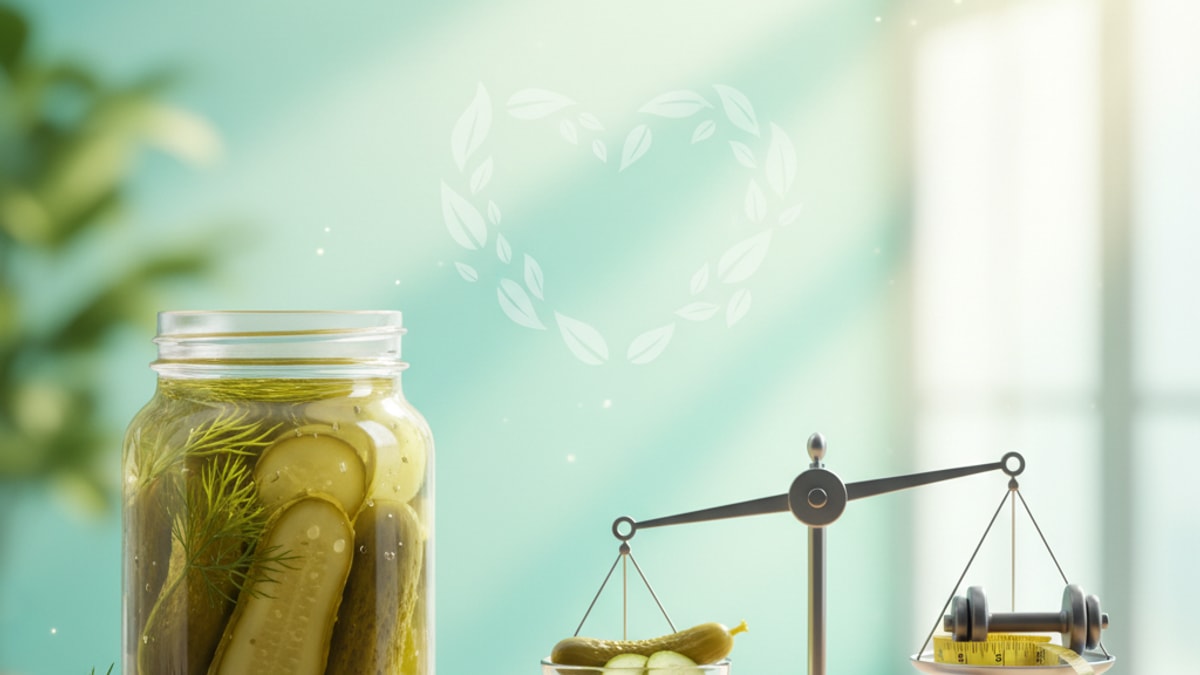
It’s 9 PM. Dinner was hours ago, and that familiar craving starts to creep in. You’re not truly hungry, but you want… something. Something crunchy, salty, and satisfying that won’t derail the progress you’ve worked so hard for. Your eyes land on the refrigerator door, and there it is: the humble jar of dill pickles. It feels like the perfect solution, a guilt-free snack that checks all the boxes. But is it really that simple?
Here at TrimrX, our team works every day with individuals navigating the complex, often frustrating landscape of weight management. We’ve found that questions like this—about specific foods and their role in a bigger health picture—are incredibly common. It’s because sustainable weight loss isn't just about the broad strokes; it’s about the small, daily decisions that add up. So, let's dive deep into this crunchy, briny topic and give you the professional, science-backed answer you deserve. Are dill pickles good for weight loss? The answer is more nuanced than a simple yes or no.
The Allure of the Pickle: Why We're Even Asking This Question
Let's be honest, the appeal of the pickle as a diet-friendly snack is powerful. It’s one of the few foods that feels like an indulgence without the caloric consequence. We’ve all seen it recommended in diet forums and magazines as a go-to for staving off hunger pangs. There are a few very good reasons for its celebrity status in the weight loss world.
First and foremost is the calorie count. It’s practically nonexistent. A medium-sized dill pickle spear typically contains fewer than 5 calories. You could eat an entire jar and still consume fewer calories than a single bag of potato chips. For anyone managing a calorie deficit, this makes them an incredibly attractive option. It’s a way to engage in the physical act of snacking—the hand-to-mouth motion, the chewing, the satisfaction of a full stomach—without adding significant energy intake. That's a huge psychological win.
Then there’s the crunch factor. This is critical, and something our team can't stress enough when discussing food psychology. Cravings for crunchy, savory foods are often tied to stress or boredom. The auditory and textural satisfaction of biting into a crisp pickle can be immensely gratifying, tricking your brain into feeling like you've had a substantial, and perhaps less-than-healthy, snack. It hits the same sensory notes as chips or pretzels but without the refined carbs and fats. It's a classic example of a smart swap.
And finally, there's the flavor profile. The combination of salty and sour is a potent one. It’s a bold, intense flavor that can effectively short-circuit a craving for something else. That sharp, vinegary taste can cleanse the palate and signal a kind of finality to your brain, potentially stopping you from seeking out other, more calorie-dense foods. It's a pattern interrupt in snack form.
Breaking Down the Nutritional Profile: What's Really Inside?
When we look beyond the low-calorie appeal, what are you actually getting when you eat a dill pickle? Nutritionally, they aren't exactly powerhouses, but they aren't empty calories either. A typical dill pickle spear offers a small amount of fiber and is virtually fat-free and sugar-free (we're specifically talking about dill pickles here, not sweet varieties like bread and butter pickles, which are a different story entirely).
They also contain a surprising amount of Vitamin K, thanks to the cucumbers. Vitamin K is essential for blood clotting and bone health. While you certainly shouldn't rely on pickles as your primary source, it's a nice little bonus. The most significant component, however, is water. Cucumbers are over 95% water, and that hydration doesn't disappear during the pickling process. This high water content helps contribute to feelings of fullness, which is a definite advantage in appetite control.
To put their role in perspective, our team put together a quick comparison. It’s not about labeling foods as 'good' or 'bad,' but about understanding the trade-offs you make with every choice.
| Snack Item (Typical Serving) | Estimated Calories | Key Nutritional Drawback | Key Nutritional Benefit |
|---|---|---|---|
| Dill Pickle Spear (1 spear) | ~5 | High Sodium | Virtually zero calories/fat |
| Potato Chips (1 oz) | ~160 | High in fat, sodium, refined carbs | Minimal |
| Pretzels (1 oz) | ~110 | High in sodium, refined carbs | Low in fat |
| Baby Carrots (1 cup) | ~50 | None significant | High in Vitamin A, fiber |
| Apple (1 medium) | ~95 | Natural sugars | High in fiber, vitamins |
Looking at this, it's easy to see why pickles are so appealing. They offer the salty satisfaction of chips or pretzels for a tiny fraction of the calories. That's a smart trade. But as we'll explore, that one major drawback—sodium—is a formidable one that needs serious consideration.
The Sodium Situation: The Elephant in the Brine
Now, we need to talk about the sodium. This is the big one. It's the critical, non-negotiable element of the pickle conversation that often gets overlooked in the excitement over low calories. A single medium-sized dill pickle can contain over 300 mg of sodium, and for the larger ones, that number can easily climb to over 500 mg. To put that in perspective, the American Heart Association recommends no more than 2,300 mg of sodium per day for most adults, with an ideal limit of less than 1,500 mg, especially for those with high blood pressure.
Just a few pickles can eat up a substantial portion of your daily sodium allowance. So, what's the big deal? Our team sees the effects of this constantly. When you consume high levels of sodium, your body holds onto extra water to dilute it. This leads to water retention, which can manifest as bloating, puffiness, and, most frustratingly for someone on a weight loss journey, a sudden jump on the scale. This can be incredibly demoralizing. You could be successfully losing body fat, but the scale will tell you a different story, all because of water weight. It masks your real progress and can kill your motivation. We’ve seen it happen time and time again.
Beyond the scale, chronically high sodium intake is a serious health concern. It's a major contributor to high blood pressure (hypertension), which increases the risk for heart disease and stroke. For individuals using a comprehensive weight management program, particularly one like ours at TrimrX that focuses on overall metabolic health, ignoring blood pressure is simply not an option. Weight loss and cardiovascular health are intrinsically linked. Sacrificing one for the other is a poor strategy. Therefore, while a pickle here and there is unlikely to cause harm, relying on them as a daily, high-volume snack can be counterproductive to your broader health goals.
Can Pickle Juice Actually Help? Unpacking the Vinegar Myth
You've probably seen it online or heard it from a friend: athletes chugging pickle juice to prevent cramps, or people sipping it for weight loss. It sounds a little out there, but there is a sliver of science behind the idea, specifically related to the vinegar (acetic acid) in the brine.
Some small-scale studies have suggested that acetic acid might have a few interesting metabolic effects. It may help to slightly slow down gastric emptying, the rate at which food leaves your stomach. This could potentially enhance feelings of fullness and lead to eating less overall. Other research points to vinegar's potential to help improve insulin sensitivity and moderate blood sugar spikes after a high-carb meal. This is significant because stable blood sugar is a cornerstone of appetite control and preventing fat storage.
But let’s be very clear about this. The effects observed in these studies are modest. We're talking about minor, incremental benefits, not a dramatic shift in metabolism. Drinking pickle juice is not a magic bullet for weight loss. It's not going to melt away fat or fundamentally change your body composition. Furthermore, you're getting all that sodium along with the vinegar. The potential downsides of the extreme sodium load in pickle juice almost certainly outweigh the subtle, potential benefits of the acetic acid for most people. Our professional recommendation? If you're interested in the benefits of vinegar, a much better approach is to incorporate apple cider vinegar or other vinegars into salad dressings or dilute a small amount in a large glass of water. Don't rely on salty brine.
Gut Health and Probiotics: A Fermented Advantage?
This is where the conversation gets a bit more complex, and where the type of pickle you choose matters immensely. There's a growing body of research—something our biotechnology focus at TrimrX keeps us keenly aware of—linking gut microbiome health to everything from mood and immunity to, yes, weight management. A healthy, diverse gut microbiome appears to play a role in how our bodies regulate appetite, harvest energy from food, and control inflammation.
Probiotics, the beneficial bacteria found in fermented foods, are key to supporting this internal ecosystem. And this is where some pickles shine. However, you have to know what you're looking for. The vast majority of pickles you find on the shelf at the grocery store have been pasteurized. This process uses heat to kill off any potentially harmful bacteria, extending shelf life. Unfortunately, it also kills off all the beneficial probiotic bacteria. These pickles offer no gut health benefits.
To get the probiotics, you need to look for unpasteurized, naturally fermented pickles. You'll typically find these in the refrigerated section of the grocery store, often from smaller, artisanal brands. The label will usually say 'naturally fermented' or 'contains live cultures.' These pickles are made using a traditional method of preserving cucumbers in a salt and water brine, allowing beneficial lactobacillus bacteria to do the work. Eating these can be a great way to introduce more probiotics into your diet.
Is this a reason to eat pickles for weight loss? It’s a contributing factor. If you're choosing a refrigerated, fermented pickle over a bag of chips, you're not only saving calories but also potentially giving your gut a healthy boost. It's another piece of a very large puzzle, reinforcing the idea that small, intelligent choices can support your overall goals in more ways than one.
How Pickles Fit Into a Structured Weight Loss Plan
So, where does this leave us? Our experience shows that the most successful weight loss journeys are not about finding one 'secret' food or trick. They are about building a sustainable, holistic system. And within that system, dill pickles can absolutely have a place. They are a tool. A fantastic one, even.
Think of them as a harm-reduction strategy for snacking. When a powerful craving for something salty and crunchy hits, reaching for a pickle spear instead of a handful of fried chips is an undeniable victory. It satisfies the craving, saves you hundreds of calories, and prevents you from consuming unhealthy fats and refined carbohydrates. That is a tangible, positive action that supports a calorie deficit.
However, relying on pickles as a cornerstone of your diet is a flawed approach. They don't provide the essential macronutrients (protein, healthy fats) or a wide array of micronutrients that your body needs to thrive, especially when you're losing weight. True, lasting success comes from a comprehensive plan that addresses your unique biology. It involves balancing blood sugar, managing hormones like insulin and glucagon, and understanding the metabolic signals that drive hunger and satiety. This is precisely why medically supervised programs are becoming the gold standard for people who have struggled to achieve lasting results on their own.
Simple diet swaps are a great start, but they often don't address the underlying physiological reasons why weight loss can be so challenging. For many, hormonal imbalances and metabolic resistance create a formidable barrier that no amount of pickle-snacking can overcome. This is where treatments involving GLP-1 medications, like the Semaglutide and Tirzepatide we use at TrimrX, can be transformative. They work by targeting those very biological pathways, helping to regulate appetite and improve how your body processes sugar. When you pair this powerful medical support with nutritional guidance and lifestyle adjustments, you create a synergy that makes success far more achievable. If you're ready to move beyond simple food swaps and explore a path to lasting change, you can Take Quiz to see if you're a candidate for our program.
The Verdict from Our Team: Are Dill Pickles Good for Weight Loss?
After breaking it all down, our final verdict is this: Yes, dill pickles can be a good component of a weight loss plan, but they are not a weight loss food in and of themselves.
They are good for weight loss when used strategically:
- As a low-calorie snack substitute to crush cravings for chips, pretzels, and other salty junk food.
- As a tool to manage hunger between meals due to their high water content and the satisfying crunch.
- As a source of probiotics (only if you choose the right kind!) to support gut health, which is linked to better metabolic function.
They can be detrimental to your progress if you're not careful:
- The high sodium content can cause water retention, mask fat loss, and negatively impact blood pressure.
- Over-reliance on them can mean you're not getting enough nutrient-dense foods that your body truly needs.
Moderation is everything. A pickle or two a day is unlikely to be a problem for most healthy individuals. But if you find yourself eating half a jar every night, it’s time to reassess and perhaps find other low-calorie, lower-sodium alternatives like celery sticks, bell pepper strips, or raw radishes. Our experience shows that true success comes from a holistic strategy that addresses metabolism, hormones, and behavior—not just finding the 'perfect' snack.
It’s about building a framework where you feel empowered, not deprived. It's about understanding the science of your own body and using every tool at your disposal—from smart snack choices to advanced medical treatments—to finally reach your goals. When you're ready for a plan that's backed by science and tailored to you, you can Start Your Treatment with us.
So, the next time you reach for that pickle jar, see it for what it is: a smart, crunchy, low-calorie choice in a much bigger journey. It’s a single step, and lasting change is built one smart step at a time. It's a good tool, but the real work, the transformative work, happens when you have the right comprehensive plan in place.
Frequently Asked Questions
How many pickles can I eat a day for weight loss?
▼
There’s no magic number, but our team advises moderation due to the high sodium content. For most people, 1-2 medium dill pickles per day is a reasonable amount that won’t significantly impact sodium levels while still satisfying a craving.
Will eating pickles at night make me gain weight?
▼
No single food eaten at a specific time causes weight gain. Since pickles are extremely low in calories, eating them at night won’t cause fat gain. However, the high sodium could cause temporary water retention, making the scale read higher the next morning.
Are sweet pickles as good as dill pickles for weight loss?
▼
No, we do not recommend sweet pickles for weight loss. Varieties like bread and butter pickles contain significant amounts of added sugar, which adds empty calories and can spike blood sugar, working against your weight management goals.
Does drinking pickle juice break a fast?
▼
Technically, yes. Pickle juice contains a small number of calories (from trace vegetable matter and sometimes additives), which is enough to break a strict fast. It’s best to stick to water, black coffee, or plain tea during your fasting window.
Can pickles cause bloating?
▼
Absolutely. The primary cause of bloating from pickles is the high sodium content, which leads to water retention. For some individuals, the cucumbers themselves can also be a bit difficult to digest, potentially causing gas and bloating.
What’s a better low-calorie snack: pickles or olives?
▼
Both can be good choices in moderation. Pickles are lower in calories, but olives contain healthy monounsaturated fats. The best choice depends on your goals; if you need a zero-calorie crunch, pick a pickle. If you want a more satiating snack with healthy fats, a small portion of olives is great.
Are homemade pickles healthier than store-bought?
▼
They can be, because you have complete control over the ingredients. When making pickles at home, you can significantly reduce the sodium content and ensure you’re not using any unwanted preservatives or additives, making them a healthier overall option.
Do pickles count as a vegetable serving?
▼
While they are made from a vegetable (cucumbers), their high sodium content and the pickling process mean they shouldn’t be considered a primary vegetable serving. It’s far better to get your servings from fresh or frozen vegetables to maximize nutrient intake without the excess salt.
Is the sodium in pickles a concern if I have normal blood pressure?
▼
Yes, it’s still a concern. Even for those with normal blood pressure, a chronically high-sodium diet can increase the risk of developing hypertension over time. It’s a good preventative health measure for everyone to be mindful of their sodium intake.
How do pickles fit into a plan using GLP-1 medications like Semaglutide?
▼
On a GLP-1 medication plan, your appetite is naturally reduced, but cravings can still occur. Pickles can be an excellent tool to satisfy a salty/crunchy craving without consuming many calories, which supports the medication’s effects and helps you stay on your nutritional plan.
Can I just look for ‘low sodium’ pickles?
▼
Yes, low-sodium versions are a much better choice. They still provide the satisfying crunch and flavor but with a fraction of the salt. Always check the nutrition label, as ‘reduced sodium’ can still be quite high, but they are a definite improvement over standard pickles.
Do pickles have any effect on blood sugar?
▼
Dill pickles themselves have a negligible effect on blood sugar because they contain virtually no carbohydrates or sugar. In fact, the vinegar in the brine may even help modestly blunt the blood sugar response if eaten alongside a carbohydrate-containing meal.

Transforming Lives, One Step at a Time
Keep reading

Do You Need a Prescription for GLP-1s? The 2026 Answer
Wondering ‘do you need a prescription for glp 1’ in 2026? Yes. We explain why a doctor’s oversight is critical for safe, effective results.

How to Get GLP-1 Covered By Insurance: Our 2026 Playbook
Struggling with how to get glp-1 covered by insurance? Our 2026 guide breaks down prior authorizations, appeals, and documentation.

Traveling with GLP-1s in 2026: Your Essential Trip-Proof Plan
Don’t let travel disrupt your GLP-1 treatment. Learn how to travel with glp 1 medications safely and stress-free in our 2026 expert guide.


