Are GLP-1 Specialty Drugs Transforming Weight Loss and Diabetes Management?
Introduction
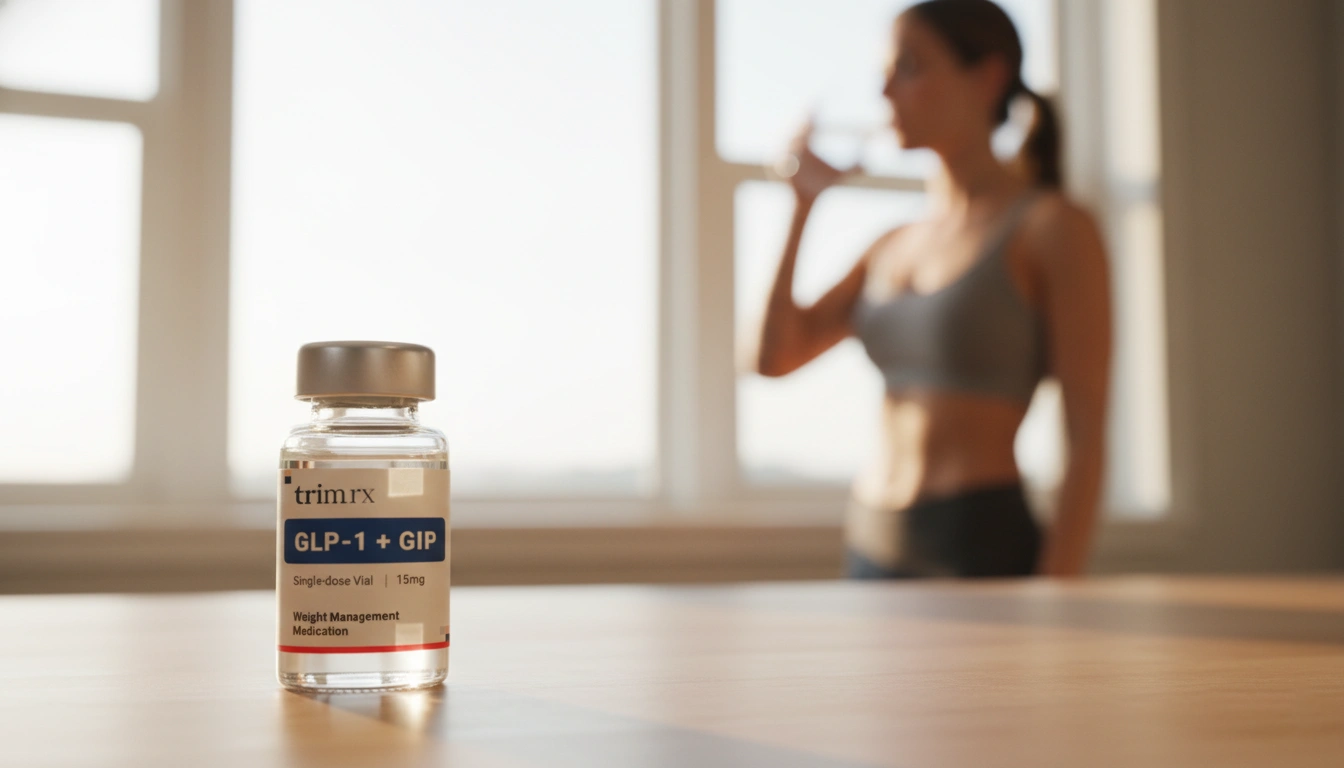
When we consider the landscape of modern medicine, few advancements have captured the public’s attention quite like GLP-1 receptor agonists. These medications, originally developed for diabetes management, have gained significant traction as effective tools for weight loss. As we navigate this evolving terrain, understanding whether GLP-1s are classified as specialty drugs is crucial. In this blog, we’ll explore the nature of GLP-1 medications, their role in healthcare, and how they relate to specialty drug classifications—all while emphasizing our mission at TrimRx to provide personalized, medically-supervised weight loss solutions.
Did you know that over 70% of American adults are classified as overweight or obese? This staggering statistic underscores the growing need for effective weight management strategies. Among the innovative solutions that have emerged in recent years are GLP-1 receptor agonists, a class of medications that mimic the effects of the hormone glucagon-like peptide-1. These drugs not only help regulate blood sugar levels for individuals with Type 2 diabetes but have also shown remarkable efficacy in promoting weight loss.
As we delve deeper into the topic, we will clarify what GLP-1 medications are, their benefits, and the complex landscape of insurance coverage and accessibility. We’ll also explore whether GLP-1s are considered specialty drugs and the implications of this classification for patients seeking treatment. By the end of this post, you’ll have a comprehensive understanding of GLP-1s, their role in modern healthcare, and how TrimRx can assist you in your weight loss journey.
At TrimRx, our journey began with a shared vision to help individuals embrace healthier lifestyles through personalized, medically supervised care. We believe that sustainable weight loss should be achieved through science, empathy, and a transparent approach. As we navigate through the intricacies of GLP-1s, we invite you to consider how our personalized weight loss programs might fit into your goals.
Understanding GLP-1 Medications
What Are GLP-1 Receptor Agonists?
GLP-1 receptor agonists are a class of medications designed to mimic the action of the GLP-1 hormone, which is naturally produced in the gut. This hormone plays a vital role in regulating appetite, insulin secretion, and blood sugar levels. Some of the most commonly prescribed GLP-1 medications include:
- Semaglutide (Ozempic®, Wegovy®)
- Liraglutide (Saxenda®, Victoza®)
- Dulaglutide (Trulicity®)
- Tirzepatide (Mounjaro®, Zepbound®)
These medications are administered via injection and have been shown to aid in weight loss by slowing gastric emptying, promoting a feeling of fullness, and enhancing insulin sensitivity. The approval of semaglutide for chronic weight management in 2021 marked a significant milestone, leading to increased interest and usage of GLP-1s for weight loss.
Mechanism of Action
GLP-1 medications work by binding to GLP-1 receptors in the body, which triggers a series of physiological responses:
- Increased Insulin Secretion: When blood sugar levels rise, GLP-1 stimulates the pancreas to release insulin, which helps lower blood sugar levels.
- Decreased Glucagon Secretion: GLP-1 inhibits the release of glucagon, a hormone that raises blood sugar levels. This dual action helps maintain stable glucose levels.
- Reduced Appetite: By acting on areas of the brain that regulate appetite, GLP-1 reduces hunger, leading to decreased food intake.
- Slowed Gastric Emptying: GLP-1 delays the emptying of the stomach, which prolongs feelings of fullness after meals.
Benefits of GLP-1 Medications
The benefits of GLP-1 medications extend beyond weight loss and blood sugar management. Clinical studies have demonstrated that these medications can also lead to:
- Improved cardiovascular health
- Lower risk of developing diabetes-related complications
- Enhanced overall well-being
These multifaceted benefits have made GLP-1s a pivotal addition to the treatment landscape for both diabetes and obesity.
Are GLP-1s Specialty Drugs?
The Definition of Specialty Drugs
Specialty drugs are typically defined as medications that are used to treat complex or chronic conditions, requiring special handling, administration, or monitoring. These drugs often come with unique characteristics, including:
- High cost
- Special storage and distribution requirements
- The need for patient education and monitoring
Given this definition, the question arises: Are GLP-1 medications classified as specialty drugs? The answer is nuanced.
GLP-1s in the Context of Specialty Drugs
While GLP-1 medications are not universally classified as specialty drugs, they can be considered specialty medications depending on various factors like insurance coverage and the specific patient population. The rising demand for GLP-1s has prompted some insurance plans to treat them as specialty medications, particularly due to their high cost and the specialized care often needed for patients using them.
Implications for Patients
The classification of GLP-1s as specialty drugs can significantly impact patient access and insurance coverage. Many insurance plans require prior authorization for specialty medications, which can create barriers for patients seeking treatment. At TrimRx, we understand these challenges and strive to provide personalized support to navigate the complexities of obtaining these medications.
The Role of Specialty Pharmacies
Specialty pharmacies play a crucial role in the distribution of GLP-1 medications. They are equipped to handle the unique requirements of specialty drugs, providing services that include:
- Patient Education: Specialty pharmacies often offer education on medication administration, potential side effects, and adherence strategies.
- Insurance Navigation: They assist patients in understanding their insurance coverage and help with prior authorization processes.
- Ongoing Support: Many specialty pharmacies provide follow-up care to monitor patients’ progress and address any issues that arise during treatment.
At TrimRx, we partner with FDA-registered pharmacies to ensure that our patients receive the best possible care and support throughout their weight loss journey.
Navigating Access and Adherence Challenges
Barriers to Access
Despite the effectiveness of GLP-1 medications, many patients face barriers to access, including:
- Cost: The high price of GLP-1 medications can be a significant barrier, particularly for those without insurance coverage. Many patients report difficulty affording these medications.
- Insurance Requirements: Prior authorization and step therapy requirements can complicate access. Patients often face lengthy wait times for approval, which can delay treatment.
- Geographic Disparities: Patients in rural or underserved areas may have limited access to specialty pharmacies, impacting their ability to obtain GLP-1 medications.
Strategies for Overcoming Barriers
To facilitate access to GLP-1 medications, several strategies can be employed:
- Education and Awareness: Increasing patient awareness about GLP-1 medications and their benefits can empower individuals to seek treatment.
- Financial Assistance Programs: Many manufacturers offer financial assistance programs that can help reduce out-of-pocket costs for eligible patients.
- Utilizing Specialty Pharmacies: Specialty pharmacies can streamline the process of obtaining GLP-1 medications by efficiently navigating insurance requirements and providing ongoing support.
At TrimRx, we encourage you to take our free assessment quiz to determine your eligibility for prescription weight loss medications, including GLP-1s. Together, we can develop a personalized treatment plan that suits your individual needs.
Future of GLP-1 Medications
As we look to the future, GLP-1 medications are expected to continue evolving. With ongoing research and development, these drugs may soon be approved for additional indications, broadening their impact on health management.
Innovations and New Developments
Recent advancements in GLP-1 therapies include:
- Extended-Release Formulations: New formulations are being designed to enhance patient convenience and adherence by reducing the frequency of administration.
- Combination Therapies: Researchers are exploring the potential of combining GLP-1 medications with other treatments to enhance efficacy and address multiple conditions simultaneously.
The Role of Telehealth
The rise of telehealth has transformed how patients access care. At TrimRx, we leverage cutting-edge telehealth innovations to provide personalized weight loss solutions. Our platform allows individuals to receive medically supervised care in a user-friendly environment, making it easier to embark on their weight loss journey.
Conclusion
In summary, GLP-1 receptor agonists represent a significant advancement in the management of diabetes and obesity. While the classification of these medications as specialty drugs can vary, their impact on patient care is undeniable. At TrimRx, we are committed to helping individuals navigate the complexities of weight management through personalized, medically supervised programs.
By understanding the role of GLP-1s in healthcare, the barriers to access, and the importance of specialty pharmacies, we can work together to ensure that these transformative medications are accessible to those who need them most.
If you’re ready to take the next step in your weight loss journey, we invite you to take our free assessment quiz and see if you qualify for prescription weight loss medications. Together, we can achieve your health goals.
FAQ
What are GLP-1 medications?
GLP-1 medications are a class of drugs that mimic the action of the hormone glucagon-like peptide-1, helping to regulate blood sugar levels and promote weight loss.
Are GLP-1s considered specialty drugs?
While GLP-1 medications may not universally be classified as specialty drugs, they can fall under this category depending on factors like insurance coverage and patient needs.
What barriers do patients face in accessing GLP-1 medications?
Patients may encounter barriers such as high costs, insurance requirements like prior authorization, and geographic disparities in access to specialty pharmacies.
How can TrimRx help with my weight loss journey?
At TrimRx, we offer personalized weight loss solutions, including access to prescription medications and comprehensive support throughout the process. Take our free assessment quiz to get started.
What should I do if I experience side effects from GLP-1 medications?
If you experience side effects, it’s essential to consult your healthcare provider or pharmacist for guidance on managing these effects and determining the best course of action.

Transforming Lives, One Step at a Time
Keep reading

How to Adjust Weight Loss Goals on GLP-1 Medications
Adjust weight goals on GLP-1 meds by tracking body composition and labs, optimizing protein, activity, sleep, and working with your provider on dosing.
Falsified Mounjaro pens prompt urgent safety advisory
MHRA warns of counterfeit Mounjaro pens (batch D873576); stop use and check batch numbers for infection risk.
Novo Nordisk shares drop as Alzheimer’s hopes for weight-loss drug fade
Novo Nordisk’s semaglutide failed to slow Alzheimer’s in large trials, prompting shares to fall and expert reactions.


