Are Green Grapes Good for Weight Loss? Our Team Weighs In
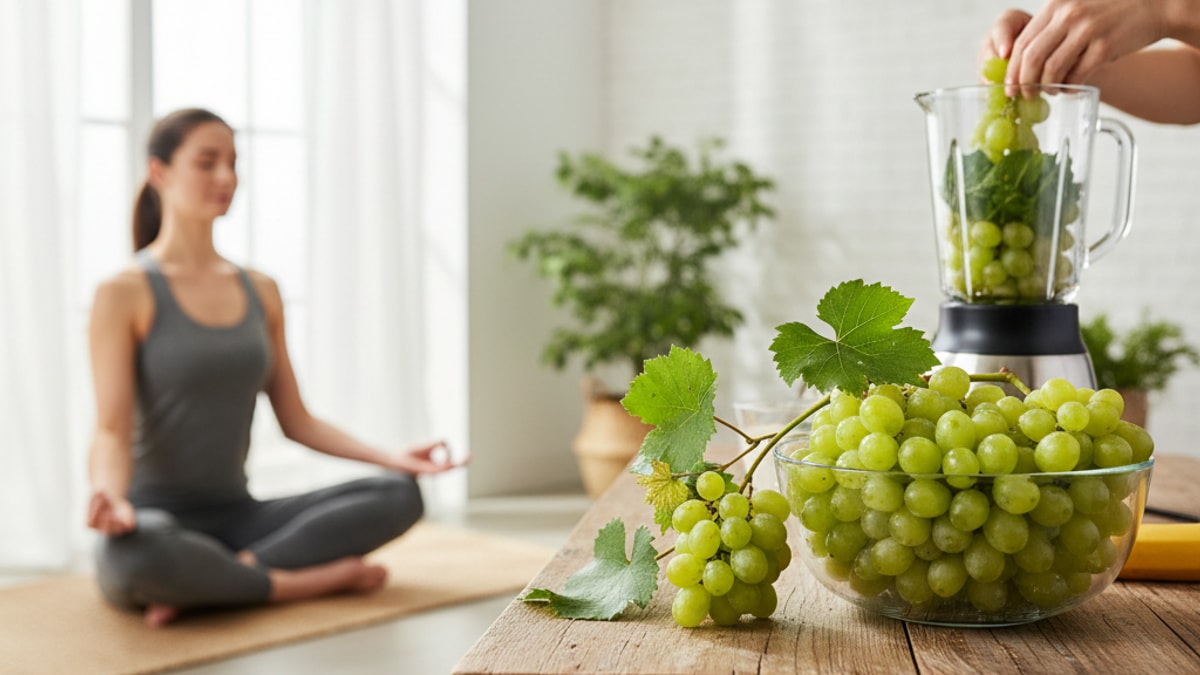
Are Green Grapes Holding Back Your Weight Loss?
It’s a question we hear all the time. You’re committed to your health journey, you’re making smarter choices, but then you find yourself staring at a bowl of crisp, sweet green grapes. A little voice in your head starts whispering about sugar. Is this innocent-looking fruit secretly a diet saboteur? Can something that tastes so much like a treat actually be part of a serious weight loss plan?
Let’s be honest, the world of nutrition is sprawling and often contradictory. One minute, fruit is a superfood; the next, it’s a sugar bomb to be avoided at all costs. Here at TrimrX, our team's experience is rooted in medical science and the real-world results of our patients. We don't deal in extremes. We deal in what works. So, let's cut through the noise and have a real conversation about green grapes and their place in your weight loss strategy. It’s a more nuanced story than you might think.
The Nutritional Breakdown: More Than Just a Sweet Snack
Before we can even touch the sugar debate, we have to look at the whole picture. A food is never just its calorie count or its carb content. It's a package deal. And when it comes to green grapes, it’s a surprisingly good one.
A standard one-cup serving of green grapes (that's about 92 grams) clocks in at around 104 calories. Yes, most of those calories—about 27 grams—come from carbohydrates, with about 23 grams being natural sugars. But hold on. Don't let that number scare you. It’s not the same as the sugar in your favorite soda or candy bar. Not even close.
Here’s what else is packed into that cup:
- Fiber: You’ll get about 1.4 grams of dietary fiber. It might not sound like a formidable amount, but it plays a critical, non-negotiable role in digestion and satiety. That fiber is what helps slow down the absorption of the sugar, preventing the dramatic blood sugar spikes you’d get from processed sweets.
- Hydration: Grapes are over 80% water. This is a huge, often overlooked benefit. Proper hydration is essential for a healthy metabolism, and snacking on water-rich foods contributes to your daily intake. It’s a simple but effective way to stay hydrated and feel fuller.
- Vitamins and Minerals: Grapes are an excellent source of Vitamin K, which is crucial for blood clotting and bone health. They also provide a solid dose of Vitamin C, a powerful antioxidant that supports your immune system. You'll also find smaller amounts of potassium, which helps regulate fluid balance and blood pressure.
Our team has found that people who successfully lose weight and keep it off are the ones who learn to look at food holistically. They stop labeling foods as simply 'good' or 'bad' and start understanding their complete nutritional profile. Grapes are a perfect example. They offer hydration, vitamins, and fiber alongside their natural sweetness.
The Sugar Question: Friend, Foe, or Just Misunderstood?
Okay, let's tackle the elephant in the room: sugar. The fear of sugar has driven countless people to eliminate fruit from their diets, a move our medical team believes is often a misstep. The key is understanding the type and context of that sugar.
The sugar in grapes is primarily fructose, a natural sugar. It comes bundled with water, fiber, and micronutrients. This is a world away from the refined, high-fructose corn syrup and added sucrose found in processed foods, which offer zero nutritional value and are metabolized very differently. That fiber-and-water combination in whole fruit creates a synergistic effect, slowing down how quickly the sugar hits your bloodstream.
This is measured by the glycemic index (GI), a scale that ranks foods on how they affect blood sugar levels. Pure glucose is a 100. Green grapes have a GI of around 53, which is considered low. This means they cause a slower, more gradual rise in blood sugar compared to high-GI foods like white bread or sugary cereals.
Why does this matter for weight loss? Drastic blood sugar spikes and crashes lead to energy slumps and intense cravings for more sugary or high-carb foods. It’s a vicious cycle. By choosing low-GI foods, you maintain more stable energy levels and better appetite control. This is a foundational principle for sustainable weight management, and it’s something we emphasize in the nutritional guidance we provide alongside our medically-supervised programs. You can’t outrun a bad diet, even with the most advanced treatments.
How Grapes Can Actively Support Your Weight Loss Goals
This is where it gets interesting. We've established that grapes aren't the enemy, but can they actually be an ally? Our experience shows they can, in a few specific ways.
First, they are an impeccable craving-killer. When that 3 PM slump hits and you’re desperately searching for something sweet, reaching for a handful of grapes is a significantly smarter choice than a cookie or a bag of chips. You satisfy the sweet tooth with a whole food that also provides hydration and nutrients. It's a strategic swap.
Second, the satiety factor is real. The combination of fiber and water helps fill you up, sending signals to your brain that you're full. Snacking on a cup of grapes can help you eat less during your next meal. We’ve seen it work. This is especially powerful for individuals on GLP-1 treatments like Semaglutide or Tirzepatide. These medications work by enhancing your body's natural satiety signals, so when you pair them with foods that are naturally filling, the effect is amplified. It becomes easier and more intuitive to stop eating when you're truly full.
Third, there's a powerful antioxidant in grapes called resveratrol. It's found primarily in the skin of grapes (which is why red grapes, with more pigment, often have more). Resveratrol has been the subject of countless studies for its potential health benefits, including some that are directly relevant to weight management. Research suggests it may help improve insulin sensitivity and influence genes related to fat metabolism. While eating grapes won't magically melt fat away, the presence of beneficial compounds like resveratrol contributes to the overall health-promoting profile of the fruit. It's another piece of the puzzle.
The Golden Rule: Portion Control is Everything
We can't stress this enough: context and quantity are everything. Even the healthiest food can contribute to weight gain if you eat too much of it. Grapes are delicious and easy to eat, which makes mindless snacking a real danger.
Have you ever sat down with a bag of grapes while watching a movie, only to look down and realize you’ve eaten half of it? We’ve all been there. That’s not a serving; that’s a calorie bomb, no matter how healthy the food is.
This is the critical, non-negotiable element. Here’s what we recommend to our patients:
- Measure Your Portion: A single serving is about one cup. Use a measuring cup the first few times to get a feel for what that looks like. Put that serving in a bowl.
- Put the Rest Away: Never, ever eat directly from the bag or container. This is a recipe for overconsumption. By creating a physical barrier, you force yourself to be more mindful.
- Eat Slowly and Mindfully: Pay attention to the taste and texture. Savor each grape. This gives your brain time to register that you're full and satisfied.
Frozen grapes are a fantastic hack here. They take longer to eat, forcing you to slow down, and their icy texture feels like a deliberate, refreshing dessert. It’s a simple trick that can make a small portion feel much more substantial.
Green Grapes vs. Other Fruits: A Quick Comparison
It can be helpful to see how grapes stack up against other popular fruits. There’s no 'best' fruit for weight loss; variety is key. But understanding the differences can help you make informed choices that align with your goals.
| Fruit (1 cup serving) | Calories (approx.) | Sugar (approx.) | Fiber (approx.) | Key Benefit |
|---|---|---|---|---|
| Green Grapes | 104 | 23g | 1.4g | High in Vitamin K, hydrating, contains resveratrol |
| Strawberries | 49 | 7g | 3g | Low calorie, high in fiber and Vitamin C |
| Blueberries | 84 | 15g | 3.6g | Very high in antioxidants, good fiber source |
| Apple (sliced) | 65 | 13g | 3g | High in filling pectin fiber, crunchy |
| Banana (sliced) | 133 | 18g | 3.9g | High in potassium, great for post-workout |
What does this table tell us? It shows that while grapes are higher in sugar and calories than berries, they are lower than a banana and offer their own unique set of benefits. The takeaway isn't that one is better than the other. The takeaway is that all these fruits can fit into a healthy diet. You might choose strawberries when you want a larger volume for fewer calories, and you might choose grapes when you want a quick, sweet, hydrating snack. It's about balance.
Building a Sustainable Plan with TrimrX
So, are green grapes good for weight loss? The answer is a resounding yes—when incorporated into a structured, balanced, and medically-supervised plan.
At TrimrX, our entire philosophy is built on this principle. We utilize advanced, FDA-registered GLP-1 medications like Semaglutide and Tirzepatide to fundamentally reset your body's metabolic landscape. These treatments are incredibly effective at regulating appetite, controlling cravings, and improving how your body processes sugar. They give you a powerful biological advantage.
But the medication is only one part of the equation. It's the tool that makes building healthy habits not just possible, but intuitive. When your body isn't screaming for sugar and carbs, it's infinitely easier to listen to its true hunger signals and make a choice for a handful of grapes instead of a candy bar. The medication creates the opportunity; your choices solidify the results.
This is why our programs include comprehensive support. We guide you on nutrition, helping you understand how to fuel your body for sustainable fat loss without feeling deprived. We help you create a framework where foods like grapes aren't a source of anxiety, but a delightful and strategic part of your daily routine. It’s about moving beyond the simple 'eat less, move more' mantra to a sophisticated, personalized approach that works with your body's biology, not against it.
If you've been struggling with the endless cycle of dieting, it may be time to explore a different path. A medically-guided approach can provide the support and efficacy that traditional methods often lack. If you're curious to see if you're a candidate, you can Take Quiz on our site. It's the first step toward a more empowered journey.
Ultimately, the goal isn't just to lose weight. It's to build a lifestyle where you feel in control, energized, and free from the constant mental battle over food. Grapes, in their proper place, are a small but wonderful part of that freedom.
So go ahead and enjoy that bowl of crisp, juicy green grapes. Just be mindful, be moderate, and see them for what they are: a delicious, nutrient-rich tool in your weight loss arsenal. It’s about building a healthier relationship with food, one smart choice at a time. Ready to build yours? Start Your Treatment Now.
Frequently Asked Questions
How many green grapes can I eat a day for weight loss?
▼
Our team generally recommends sticking to one serving, which is about one cup (roughly 15-20 grapes). This provides the nutritional benefits and satisfies a sweet craving without overloading you with calories and sugar.
Are red grapes better than green grapes for weight loss?
▼
Both are great choices. Red grapes have a slight edge in antioxidant content, particularly resveratrol, which is found in the skin. However, the calorie and sugar differences are minimal, so choose the type you enjoy most.
Will eating grapes at night make me gain weight?
▼
No single food eaten at a specific time causes weight gain. Your total daily calorie intake versus expenditure is what matters most. A modest portion of grapes is a much better late-night snack than processed options like chips or ice cream.
Are frozen grapes a good snack for weight loss?
▼
Absolutely. We often suggest this to our patients. Freezing grapes makes them a crunchy, refreshing treat that takes longer to eat, which can enhance feelings of fullness and make a small portion more satisfying.
Can I eat grapes on a low-carb or keto diet?
▼
Due to their sugar content, grapes are generally not suitable for a strict ketogenic diet. On a more moderate low-carb diet, a very small portion might fit, but you’d need to track your macros carefully as they can use up your carb allowance quickly.
Is grape juice as healthy as whole grapes?
▼
No, we strongly advise against it for weight loss. Grape juice strips out the beneficial fiber, concentrating the sugar and calories. This leads to rapid blood sugar spikes and doesn’t provide the same feeling of fullness as eating the whole fruit.
What about raisins? Are they good for weight loss?
▼
Raisins are dried grapes, which means the sugar and calories are highly concentrated. It’s very easy to overeat them. While they contain fiber and nutrients, we recommend fresh, whole grapes for better portion control and hydration.
Do organic grapes have more benefits for weight loss?
▼
The nutritional profile for weight loss (calories, sugar, fiber) is the same between organic and conventional grapes. The choice for organic is typically based on a desire to reduce pesticide exposure, which is a valid personal health consideration but doesn’t directly impact their weight loss properties.
Can the resveratrol in grapes really help me burn fat?
▼
While studies on resveratrol are promising for metabolic health, the amount in a serving of grapes is not enough to cause direct fat burning. Think of it as a small, supportive bonus within a nutritious whole food, not a magic bullet.
What’s the best way to pair grapes for a balanced snack?
▼
To create a more balanced, satisfying snack, pair a cup of grapes with a source of protein or healthy fat. A small handful of almonds, a stick of string cheese, or a spoonful of Greek yogurt can help stabilize blood sugar and keep you full longer.
Do green grapes help with hydration?
▼
Yes, significantly. Grapes are composed of over 80% water, making them an excellent and flavorful way to contribute to your daily hydration needs. Proper hydration is a critical and often overlooked component of an effective metabolism.
Why do I feel hungrier after eating some fruits but not others?
▼
This often relates to the fiber-to-sugar ratio. Fruits with higher fiber content, like apples or berries, slow digestion more effectively. While grapes have a low glycemic index, pairing them with a protein source can enhance satiety even further if you find them less filling on their own.

Transforming Lives, One Step at a Time
Keep reading

Do You Need a Prescription for GLP-1s? The 2026 Answer
Wondering ‘do you need a prescription for glp 1’ in 2026? Yes. We explain why a doctor’s oversight is critical for safe, effective results.

How to Get GLP-1 Covered By Insurance: Our 2026 Playbook
Struggling with how to get glp-1 covered by insurance? Our 2026 guide breaks down prior authorizations, appeals, and documentation.

Traveling with GLP-1s in 2026: Your Essential Trip-Proof Plan
Don’t let travel disrupt your GLP-1 treatment. Learn how to travel with glp 1 medications safely and stress-free in our 2026 expert guide.


