Are Olives Good for Weight Loss? The Surprising Truth
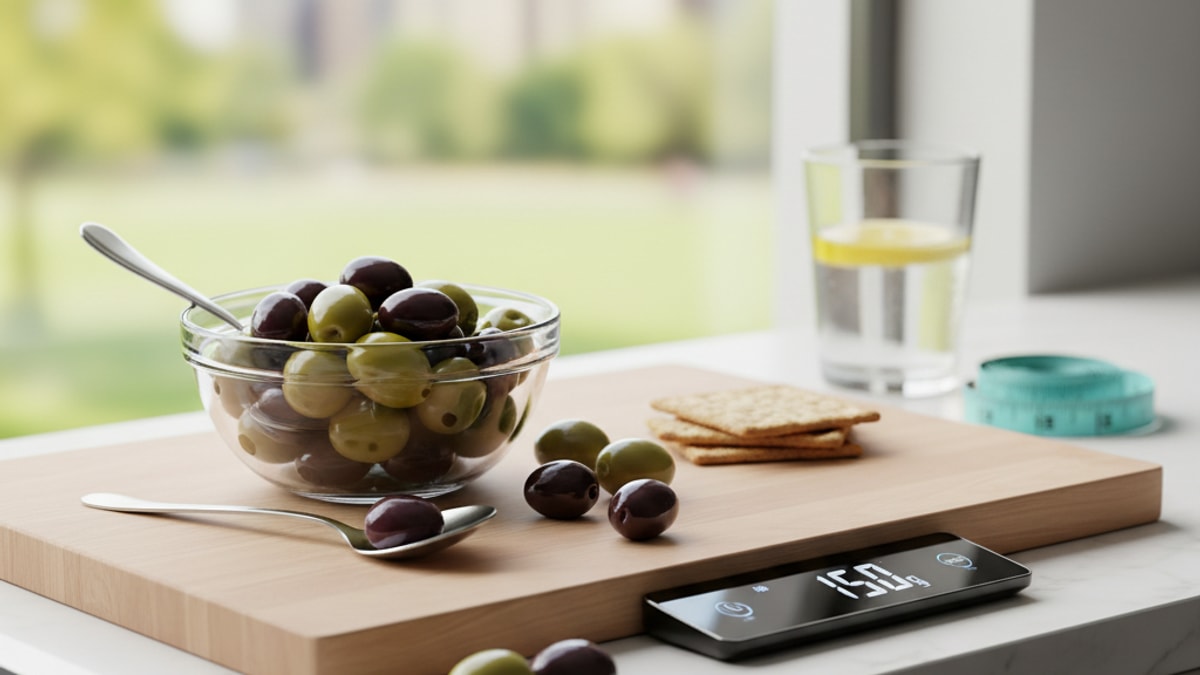
Let's talk about snacks. When you're on a serious weight loss journey, the snack aisle can feel like a minefield. Everything is either packed with sugar, loaded with refined carbs, or tastes like cardboard. You're looking for something satisfying, savory, and—most importantly—something that won't derail all your hard work. And that's when you see them: a simple jar of olives. They seem healthy. They're a whole food, a fruit, technically. But they're also packed in brine and have a decent amount of fat. So, the question comes up, and it's one our team at TrimrX hears all the time: are olives good for weight loss?
It’s a fantastic question because the answer isn't a simple yes or no. It's nuanced. And in the world of sustainable, medically-supervised weight management, nuance is everything. We're not about quick fixes or demonizing entire food groups. We're about understanding the science of how food interacts with your body's metabolism, especially when you're on a sophisticated treatment plan involving GLP-1 medications like Semaglutide or Tirzepatide. The answer lies in the 'how' and 'why'—and that's exactly what we're going to break down. We've seen firsthand how incorporating the right foods in the right way can dramatically accelerate and sustain results. So let's get into it.
So, What's the Real Deal with Olives and Weight Loss?
Straight to the point: Yes, olives can be an excellent food for weight loss, provided you approach them with a bit of strategy. They aren't a 'free' food you can eat by the bucketful, but their unique nutritional profile makes them a powerful tool in your arsenal.
The magic of the olive lies in its fat content. Wait, fat? For weight loss? Absolutely. For decades, we were all taught to fear fat, but modern science has shown us that the right type of fat is not just good for you; it's a critical, non-negotiable element of a healthy metabolism and a successful weight loss plan. Olives are bursting with monounsaturated fatty acids (MUFAs), specifically a rockstar called oleic acid. This is the same healthy fat that gives olive oil its stellar reputation.
Here’s why that matters. Monounsaturated fats are champions of satiety. They help you feel full and satisfied, which is arguably the biggest battle you face when reducing your overall calorie intake. Think about it. If you eat a snack that leaves you hungry again in 30 minutes, you're far more likely to grab something else and exceed your calorie goals. An olive-based snack, on the other hand, has staying power. It sends signals to your brain that you're nourished, helping to crush cravings and prevent mindless grazing. Our team has found that patients who successfully integrate healthy fats like those from olives into their diet report feeling more in control and less deprived. It's a huge psychological win.
The Science of Satiety: How Olives Keep You Feeling Full
Let's go a little deeper into the 'why' behind olive-induced fullness. It isn't just a feeling; it's a complex biochemical process. When you consume foods rich in healthy fats like oleic acid, it slows down gastric emptying. That's a fancy way of saying the food sits in your stomach a bit longer, providing a sustained release of energy and preventing the sharp blood sugar spikes and crashes you get from high-carb snacks. A stable blood sugar level is paramount for appetite control.
But that's not all. The presence of these fats in your digestive system stimulates the release of a hormone called cholecystokinin (CCK). CCK is one of your body's most potent satiety signals. It travels to your brain and essentially says, 'Hey, we've got nutrients coming in, you can cool it with the hunger pangs.' This hormonal feedback is incredibly powerful. It's the difference between feeling vaguely full and feeling deeply satisfied. This is a game-changer for anyone, but it's especially beneficial for individuals on GLP-1 treatments, as these medications also work on hormonal pathways to regulate appetite. Pairing the medication's effects with the natural satiety from whole foods creates a powerful synergistic effect.
And we can't forget about fiber. While not a fiber powerhouse like beans or broccoli, olives do contain a respectable amount. A handful of olives can give you a gram or two of fiber, which adds to the feeling of fullness and supports a healthy gut microbiome. A healthy gut is increasingly being linked to better weight management and metabolic health. It all works together. Simple, right?
Not All Olives Are Created Equal: A Quick Comparison
Walking down the grocery aisle, you'll see a sprawling variety of olives. Do you grab the canned black ones? The wrinkly, purple Kalamatas? The bright green, buttery Castelvetranos? From a weight loss perspective, the differences are subtle but can be meaningful, especially when it comes to sodium and calories. We've put together a quick cheat sheet to help you choose wisely.
| Olive Type | Flavor Profile | Typical Calorie Count (per 10 medium) | Sodium Content | Key Characteristic |
|---|---|---|---|---|
| Kalamata | Rich, fruity, slightly wine-like, intense | ~45-55 calories | High | High in polyphenols, great for bold flavor in salads |
| Castelvetrano | Buttery, mild, slightly sweet, crisp | ~35-45 calories | Moderate | Lower sodium than many, fantastic for snacking |
| Manzanilla | Briny, smoky, often stuffed with pimentos | ~30-40 calories | High | The classic 'martini' olive, versatile but salty |
| Black (Canned) | Very mild, slightly metallic, soft texture | ~25-35 calories | Moderate-High | Lower in calories, but often less nutrient-dense |
| Niçoise | Nutty, mellow, slightly bitter, firm | ~40-50 calories | High | Small in size, packed with flavor for its weight |
Our professional observation? For pure snacking, Castelvetrano olives are often a great choice because of their incredible flavor and relatively moderate sodium. For adding a punch of flavor to a dish where you can control the salt elsewhere, Kalamatas are unbeatable. The key is to be aware of what you're choosing and to factor it into your daily goals.
The Calorie Conundrum: How Many Olives Are Too Many?
This is where we need to be unflinchingly honest. Olives are not a low-calorie food. Because of their healthy fat content, the calories can add up quickly if you're not paying attention. A small serving of 10 medium olives can have anywhere from 35 to 50 calories. That doesn't sound like much, but how many of us have sat down with a bowl of olives and mindlessly eaten dozens? It's easy to do.
This is the critical point: portion control is non-negotiable.
We recommend thinking of olives not as a primary snack but as a 'flavor accessory' or a 'satiety booster.' A serving size should be about 5-10 olives. That’s enough to deliver the flavor, the healthy fats, and the satisfying texture without overloading your calorie budget. Pair them with something high in volume but low in calories, like celery sticks, cucumber slices, or a small handful of cherry tomatoes. This combination gives you the best of both worlds: the satisfying crunch and hydration from the veggies and the rich, long-lasting satiety from the olives.
In our medically-supervised programs at TrimrX, we work with patients to build sustainable habits. Portion control is a cornerstone of this education. It's not about restriction; it's about empowerment. When you understand the caloric density of foods like olives, you can use them strategically to your advantage rather than having them sabotage your progress accidentally. It's about making conscious, informed choices. We've seen it work time and time again.
Beyond Weight Loss: The Other Health Perks of Olives
While your primary goal might be weight loss, we always encourage a holistic view of health. A food that only helps with weight loss but offers nothing else isn't nearly as valuable as one that supports your entire system. And olives, well, they're total overachievers.
They are packed with powerful antioxidants. You might have heard of polyphenols—these are plant compounds that help protect your body from damage caused by unstable molecules called free radicals. Olives are rich in several types, including oleuropein, hydroxytyrosol, and tyrosol. These compounds have potent anti-inflammatory properties. Chronic inflammation is a known contributor to a host of health issues, including obesity and metabolic syndrome. By incorporating anti-inflammatory foods like olives, you're not just managing your weight; you're creating a healthier internal environment that makes weight management easier in the long run.
Furthermore, the oleic acid we talked about earlier is a superstar for heart health. It's been shown to help maintain healthy cholesterol levels and support overall cardiovascular function. Since carrying excess weight can put a strain on your heart, choosing foods that are cardioprotective is a brilliant two-for-one strategy. It's a perfect example of how the right nutrition plan does more than just help you shed pounds—it builds a foundation for long-term vitality. That’s the ultimate goal.
Navigating the Sodium Trap in Cured Olives
Let's address the elephant in the room: salt. Olives are cured in brine, which means they are high in sodium. A single serving can contain a significant chunk of your recommended daily intake. For weight loss, this is a formidable consideration. High sodium intake can lead to water retention, which can be frustrating when you're tracking your progress on the scale. That temporary bloat can be discouraging, even if you are losing fat.
But this doesn't mean you have to banish them. It just means you need to be smart about it. Here’s what we recommend:
- Rinse Them: Before eating jarred or canned olives, give them a good rinse under cool water. This simple step can wash away a surprising amount of excess surface sodium.
- Read Labels: Brands vary wildly in their sodium content. Get in the habit of comparing labels and choosing the option with the lowest sodium per serving.
- Balance Your Day: If you know you're going to have a salty snack like olives, be mindful of the sodium in your other meals. Avoid processed foods, canned soups, and fast food on the same day.
- Hydrate and Boost Potassium: Drink plenty of water to help your body flush out excess sodium. Also, eat potassium-rich foods like bananas, spinach, and sweet potatoes. Potassium helps counteract the effects of sodium and maintain a healthy fluid balance.
Managing sodium is a crucial skill for long-term health, and using olives as a learning tool is a great way to practice.
How Olives Complement a Modern Weight Loss Approach
At TrimrX, we're at the forefront of combining medical innovation with proven lifestyle strategies. Our patients utilize advanced GLP-1 medications, which are incredibly effective at regulating appetite and improving metabolic function. But we can't stress this enough: the medication is a powerful tool, not a magic wand. The best, most sustainable results happen when that tool is paired with intelligent, science-backed nutrition.
This is where foods like olives shine. They fit perfectly into the Mediterranean-style eating pattern that we often recommend. This isn't a restrictive 'diet' but rather a lifestyle rich in whole foods, healthy fats, lean proteins, and fiber. Olives are a cornerstone of this approach. Their ability to provide lasting satiety helps patients on our program feel comfortable and in control, even as they naturally consume fewer calories due to the medication's effects. It helps bridge the gap, making the transition to a lower calorie intake feel more natural and less like a struggle.
Moreover, the anti-inflammatory and heart-healthy properties of olives support the very systems that the medication is designed to improve. It's a holistic strategy. You're tackling weight loss from multiple angles: hormonally with the medication, and nutritionally with smart food choices. This integrated approach (which we've refined over years) delivers real results that last. If you feel like your own efforts have hit a wall and you're ready for a comprehensive strategy that combines medical science with practical coaching, we're here to help. You can see if you're a candidate and Start Your Treatment through a simple online consultation with our medical team.
Creative Ways to Add Olives to Your Diet (Without Overdoing It)
Okay, so you're sold on the benefits and you're mindful of the portions. Now for the fun part. How can you incorporate olives into your meals to keep things interesting? Snacking on them is great, but their versatility is one of their biggest strengths.
Here are some ideas our team loves:
- Whip up a Tapenade: Blend a handful of Kalamata olives with a clove of garlic, a splash of lemon juice, and a little olive oil. It's a ridiculously flavorful spread for whole-grain crackers or a dip for raw veggies. A little goes a long way.
- Elevate Your Salads: Forget boring salads. Toss a few chopped olives into your greens for a briny, savory kick that complements vinaigrettes beautifully.
- Boost Your Breakfast: Seriously. Finely chop a few olives and mix them into your scrambled eggs or an omelet along with spinach and feta cheese. It creates a delicious, savory breakfast that will keep you full until lunch.
- Flavor Your Grains: Cooking quinoa or brown rice? Stir in some chopped green olives and fresh herbs like parsley at the end. It completely transforms a simple side dish.
- Create a Savory Trail Mix: Instead of a sweet trail mix, try making a savory one. Combine a few olives (pat them dry first) with roasted chickpeas, almonds, and pumpkin seeds. It's a fantastic, satisfying snack for when you're on the go.
The possibilities are endless. Using olives as a flavor ingredient rather than the main event allows you to get all the benefits without the risk of overconsuming calories or sodium.
So, when we circle back to that initial question—are olives good for weight loss?—the answer is a confident and resounding yes, with an asterisk. They are a nutrient-dense, satiety-boosting, and health-promoting food. The asterisk is for mindfulness. Be aware of your portions, be smart about the sodium, and integrate them into a balanced, whole-foods-based diet. They aren't a shortcut, but they are an incredibly valuable part of a sustainable, enjoyable, and effective weight loss journey. It's about making smart food work for you, not against you.
Frequently Asked Questions
Are black or green olives better for weight loss?
▼
Neither is definitively ‘better,’ as they have similar calorie and fat profiles. Green olives are picked earlier and often have a firmer texture, while black olives are ripened longer. Choose based on your taste preference and pay attention to the sodium content on the label, as that’s usually the more significant differentiator.
Can I eat olives every day if I’m trying to lose weight?
▼
Yes, you can absolutely eat olives every day, as long as you stick to a reasonable portion size—about 5-10 olives. Factoring them into your daily calorie and sodium budget is key. Their healthy fats and satiety benefits can be a great daily addition to your plan.
How do olives compare to other healthy fats like avocado or nuts?
▼
Olives are comparable in that they are a great source of monounsaturated fats. They are generally lower in calories per serving than most nuts but higher in sodium. Variety is crucial, so we recommend rotating between all these healthy fat sources to get a broad range of nutrients.
Will the oil in olives make me gain weight?
▼
No, the healthy monounsaturated fat in olives will not make you gain weight when consumed in moderation. In fact, this type of fat is essential for hormone function and can increase feelings of fullness, which actually supports weight loss by helping you control your overall calorie intake.
What’s the difference between eating whole olives and using olive oil?
▼
Whole olives provide fiber in addition to healthy fats, which adds to their satiety effect. Olive oil is a pure fat, making it more calorie-dense. For adding flavor to cooking, olive oil is great, but for a satisfying snack, whole olives offer more nutritional complexity and staying power.
Are stuffed olives a good choice for a weight loss diet?
▼
It depends on the stuffing. Olives stuffed with pimentos or garlic are fine. However, those stuffed with cheese (like blue cheese or feta) or processed meats will add significant calories and saturated fat. Always check the nutrition label for stuffed varieties.
How can I reduce the saltiness of olives?
▼
The easiest way is to rinse them thoroughly under cool, running water for about 30 seconds. You can also soak them in a bowl of fresh water for about an hour, changing the water once or twice, to draw out even more of the sodium from the brine.
Do olives fit into a low-carb or ketogenic diet?
▼
Yes, olives are an excellent fit for both low-carb and ketogenic diets. They are very low in carbohydrates while being high in healthy fats, which aligns perfectly with the macronutrient goals of these eating plans. They are a staple for many following a keto lifestyle.
Can olives help reduce belly fat specifically?
▼
No single food can target fat loss in one specific area of the body. However, the monounsaturated fats in olives are part of a dietary pattern that has been linked to better overall metabolic health and reduced visceral fat when combined with a calorie-controlled diet and exercise.
Are organic olives nutritionally better?
▼
Nutritionally, organic and conventionally grown olives are very similar in terms of fats, calories, and vitamins. The primary benefit of choosing organic is the reduced exposure to synthetic pesticides. If it fits your budget and preference, it’s a great choice, but not a necessity for reaping their health benefits.
Does the color of an olive indicate its ripeness?
▼
Yes, it does. Green olives are unripe fruits, picked early in the harvest. As they ripen on the tree, they transition through various shades of purple and brown, eventually becoming black. The curing process can also affect the final color, as is the case with common canned black olives.

Transforming Lives, One Step at a Time
Keep reading

Do You Need a Prescription for GLP-1s? The 2026 Answer
Wondering ‘do you need a prescription for glp 1’ in 2026? Yes. We explain why a doctor’s oversight is critical for safe, effective results.

How to Get GLP-1 Covered By Insurance: Our 2026 Playbook
Struggling with how to get glp-1 covered by insurance? Our 2026 guide breaks down prior authorizations, appeals, and documentation.

Traveling with GLP-1s in 2026: Your Essential Trip-Proof Plan
Don’t let travel disrupt your GLP-1 treatment. Learn how to travel with glp 1 medications safely and stress-free in our 2026 expert guide.


