Are Oysters Actually Good for Weight Loss? Our Team Explains.
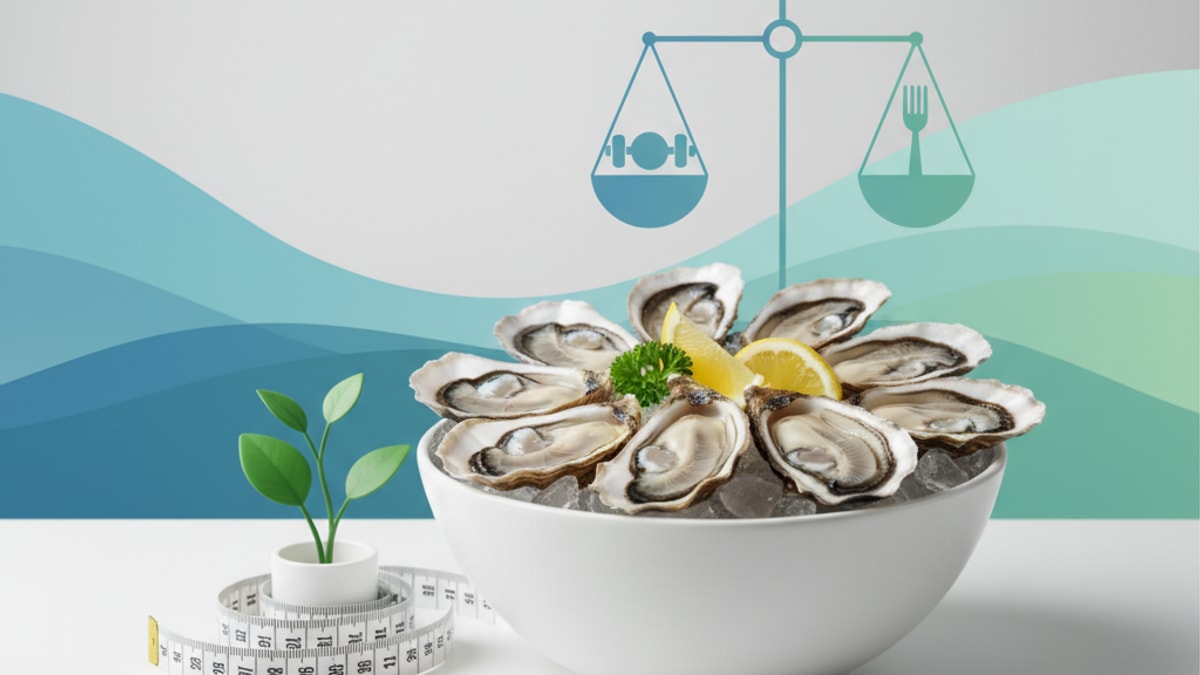
Let's get straight to it. You're here because you've heard the whispers—that this delicacy from the sea, often associated with luxury and champagne, might just be a secret weapon for weight loss. The question is simple: are oysters good for weight loss? The answer, we've found, is a resounding yes. But it's a nuanced 'yes'.
It’s not about eating a dozen oysters and watching the pounds melt away. That’s not how sustainable health works. Instead, it’s about understanding what makes them such a uniquely powerful food and how to integrate them into a smart, comprehensive strategy for metabolic health. At TrimrX, our entire focus is on creating sustainable, medically-supervised weight loss programs, and we can tell you that what you eat is a critical, non-negotiable element of that success. Food is fuel, but it's also information for your body. Oysters, it turns out, send some pretty incredible signals.
The Low-Calorie, High-Protein Advantage
When you're building a meal plan for weight management, two factors immediately jump to the top of the list: calorie density and protein content. This is where oysters begin to shine, and honestly, it’s their most straightforward benefit.
A typical serving of six medium-sized raw oysters contains only about 50-60 calories. That's it.
Think about that for a moment. You get the satisfying experience of eating a substantial portion of food, a unique flavor profile, and a sense of fullness for fewer calories than a single apple or a handful of almonds. For anyone navigating the often-difficult objective of maintaining a caloric deficit without feeling perpetually hungry, this is a game-changer. Our experience shows that feelings of deprivation are one of the biggest reasons people abandon their weight loss goals. Foods that offer high volume and satisfaction for low caloric cost are your best friends.
But the low-calorie count is only half the story. Those 50 calories come packed with around 6 grams of high-quality, complete protein. Protein is the undisputed champion of macronutrients for weight loss for several key reasons:
- Satiety: Protein keeps you feeling fuller for longer than fats or carbohydrates. It triggers the release of hormones like peptide YY and cholecystokinin that signal to your brain that you're satisfied, reducing the urge to snack between meals.
- Thermic Effect of Food (TEF): Your body actually burns more calories digesting protein compared to other macros. This metabolic boost, while modest, contributes to your overall daily energy expenditure.
- Muscle Preservation: When you're in a caloric deficit, your body can sometimes break down muscle tissue for energy. A high-protein diet helps protect your lean muscle mass, which is crucial because muscle is more metabolically active than fat. More muscle means a higher resting metabolism.
So, with oysters, you're getting a food that is incredibly lean, helps you stay full, and supports the very muscle tissue you need to keep your metabolism humming. It's a powerful one-two punch that many other foods just can't deliver with the same efficiency.
Beyond Protein: The Micronutrient Powerhouse
Here's where the conversation gets really interesting and moves beyond simple calorie counting. This is the part our team of specialists gets excited about because it touches on the deep biochemistry of metabolic health. Oysters aren't just low in calories; they are one of the most nutrient-dense foods on the planet. Their micronutrient profile is, frankly, spectacular.
Let’s talk about zinc. We can't stress this enough: oysters are the single best dietary source of zinc, period. A single serving can provide over 500% of your recommended daily intake. Why does this matter for weight loss? Zinc is a critical player in appetite regulation and metabolic function. It's involved in the production and signaling of leptin, the hormone that tells your brain you're full. When zinc levels are low, leptin signaling can become impaired, potentially leading to overeating and resistance to weight loss. We've seen clients struggle with nagging cravings and a lack of fullness, and sometimes, addressing a simple nutrient deficiency can make a significant difference. Ensuring your body has the raw materials it needs to function correctly, like adequate zinc, is foundational.
Then there’s Vitamin B12. Oysters are loaded with it. Vitamin B12 is essential for energy metabolism. It helps your body convert the food you eat into usable glucose, and it’s vital for nerve function and the formation of red blood cells. Feeling sluggish and fatigued is a common complaint during a weight loss journey, especially when cutting calories. A B12 deficiency can exacerbate this, making it harder to stay active and motivated. By providing a natural, potent source of B12, oysters can help support your energy levels, making the entire process feel more manageable.
We also need to mention iron. Similar to B12, iron is crucial for energy. It’s a key component of hemoglobin, the protein in red blood cells that carries oxygen from your lungs to the rest of your body, including your muscles. Without enough oxygen, your energy production plummets. An adequate iron intake, which oysters provide, supports your capacity for physical activity—a cornerstone of any effective weight management plan.
Finally, they're a great source of omega-3 fatty acids. While not as high as fatty fish like salmon, oysters contain a beneficial amount of EPA and DHA. These healthy fats are known for their anti-inflammatory properties. Chronic inflammation is increasingly being linked to obesity and metabolic dysfunction, so including anti-inflammatory foods in your diet is always a wise strategy.
How You Eat Them Matters. A Lot.
This is a critical point that can make or break the 'oysters for weight loss' argument. The incredible benefits we just discussed can be completely negated by how the oysters are prepared. It's a classic scenario: taking a perfectly healthy food and turning it into a caloric disaster.
When we recommend oysters, we're talking about eating them raw, steamed, grilled, or broiled. In these forms, you get all the nutritional upside with minimal downside.
A squeeze of fresh lemon, a dash of hot sauce, or a light mignonette sauce (red wine vinegar, shallots, and pepper) are all fantastic, low-calorie ways to enhance their flavor without adding unnecessary calories, fats, or sugars.
Where do things go wrong? Oysters Rockefeller, dripping in butter, cheese, and breadcrumbs. Or, even more commonly, fried oysters. Battering and deep-frying them transforms a 10-calorie oyster into a 50- or 60-calorie bite, drenched in inflammatory industrial seed oils and refined carbohydrates. A basket of fried oysters can easily pack more calories and unhealthy fat than a fast-food burger.
So, let's be absolutely clear. Fried oysters are not a weight loss food. They are a delicious indulgence to be enjoyed on rare occasions, but they don't belong in a regular weight management plan. How you prepare your food is just as important as the food itself.
A Quick Comparison: Oysters vs. Other Lean Proteins
To put their nutritional profile into perspective, let's see how oysters stack up against other popular lean protein sources. Our team put together a simple table to highlight the differences.
| Nutrient (per 100g serving) | Raw Oysters | Grilled Chicken Breast | Baked Salmon | Cooked Lentils |
|---|---|---|---|---|
| Calories | ~68 kcal | ~165 kcal | ~206 kcal | ~116 kcal |
| Protein | ~7 g | ~31 g | ~22 g | ~9 g |
| Zinc | ~78.6 mg (715% DV) | ~1.0 mg (9% DV) | ~0.6 mg (5% DV) | ~1.3 mg (12% DV) |
| Vitamin B12 | ~16.4 mcg (683% DV) | ~0.3 mcg (13% DV) | ~3.2 mcg (133% DV) | ~0 mcg (0% DV) |
| Iron | ~5.1 mg (28% DV) | ~1.0 mg (6% DV) | ~0.3 mg (2% DV) | ~3.3 mg (18% DV) |
What does this table tell us? It shows that while chicken breast offers more protein per gram, oysters are the undisputed champions of zinc and B12, all at a significantly lower calorie count. Salmon brings healthy fats to the table, and lentils offer plant-based protein and fiber. There's no single 'best' food. A truly effective diet incorporates a variety of these sources. But for a low-calorie, nutrient-dense option that specifically supports metabolic signaling, oysters are in a league of their own.
Integrating Oysters into a Broader Weight Loss Strategy
So, we've established that oysters are, indeed, good for weight loss when prepared correctly. But they aren't magic. You can't just add oysters to a poor diet and expect results. They are a powerful tool, but they need to be part of a larger, more comprehensive plan.
This is the core of our philosophy at TrimrX. We believe in a holistic, science-backed approach. Sustainable weight loss isn't just about one food or one trick. It's about combining intelligent nutrition, consistent physical activity, behavioral changes, and, when appropriate, advanced medical treatments.
Think of oysters as one high-quality component in your nutritional toolkit. They are perfect as a light, protein-packed appetizer that can take the edge off your hunger before a main meal, preventing you from overeating. They can also be a fantastic light lunch or dinner, paired with a large, fresh salad.
But for many people, especially those who have struggled with weight for a long time, diet and exercise alone can feel like an uphill battle. This is where modern medicine can provide profound support. Our medically-supervised programs utilize GLP-1 medications like Semaglutide and Tirzepatide. These treatments work by targeting the underlying biology of appetite and satiety. They help regulate blood sugar, slow digestion, and send powerful signals of fullness to the brain.
Here’s how it all connects: GLP-1 treatments don't eliminate the need for good nutrition; they make it easier to adhere to good nutrition. When you're not fighting against relentless cravings and a roaring appetite, you have the mental space and physical calm to make better food choices. You can choose to have a dozen oysters for dinner not because you're forcing yourself, but because it sounds genuinely satisfying. The medication helps reset your body's 'fullness' signals, and nutrient-dense foods like oysters provide the high-quality building blocks your body needs to thrive in this new, healthier state.
This synergy is powerful. It’s a combination of using the best of nature and the best of modern science to achieve a goal that once felt impossible. If you've tried everything and still feel stuck, it might be time to explore how a medically-guided approach can complement your nutritional efforts. You can learn more about how it works and whether you're a candidate when you Start Your Treatment.
Addressing Common Concerns About Oysters
Of course, no food is without its caveats and questions. Let's tackle a few of the common concerns we hear about oysters.
What about cholesterol?
For decades, we were told to fear dietary cholesterol. However, modern nutritional science has shown that for most people, the cholesterol you eat has very little impact on the cholesterol levels in your blood. Your liver produces the vast majority of your body's cholesterol. The real culprits for high blood cholesterol are saturated and trans fats, which oysters are very low in. So, don't let the cholesterol content scare you away.
Are they safe to eat raw?
This is a valid concern. Raw shellfish can carry a risk of foodborne illness, particularly from the Vibrio bacteria. The risk is relatively low, but it's important to be smart. Always source your oysters from reputable suppliers. If you have a compromised immune system, are pregnant, or have liver disease, it's best to stick to cooked oysters. Steaming or grilling them until their shells pop open is a safe and equally delicious way to enjoy them.
What about the cost and accessibility?
Let's be honest, fresh oysters can be expensive and aren't available everywhere. This is a practical barrier for many. However, don't forget about canned or jarred oysters (usually smoked). They are far more affordable and accessible. Just be sure to check the label—opt for those packed in water or olive oil, not cottonseed or other industrial oils, and watch the sodium content. While the texture is different, they still offer the same fantastic nutritional benefits.
Oysters are more than just a fancy appetizer. They are a genuinely impressive functional food. Their unique combination of low calories, high protein, and an unparalleled concentration of key metabolic micronutrients like zinc and B12 makes them an exceptional choice for anyone on a weight loss journey. They support satiety, boost energy metabolism, and provide the raw materials your body needs to function at its best.
But remember, they are a piece of the puzzle, not the whole picture. True, lasting change comes from an integrated approach that combines smart nutrition with a sustainable lifestyle and, when necessary, the support of medical science. By understanding the 'why' behind a food's benefits, you can make more empowered choices that align with your health goals. So go ahead, enjoy those oysters. They're not just good for you; they're a testament to how delicious and satisfying healthy eating can be. And if you're ready to build the rest of that puzzle, it might be time to Start Your Treatment Now.
Frequently Asked Questions
How many oysters can I eat on a weight loss diet?
▼
A serving of 6-12 oysters is a great, low-calorie meal or appetizer. Because they are so low in calories but high in nutrients, they can easily fit into a daily caloric budget without issue. The key is to avoid high-calorie preparations like frying.
Are canned oysters as good for weight loss as fresh ones?
▼
Yes, canned oysters offer a very similar nutritional profile, including high levels of protein, zinc, and B12. They are a fantastic, affordable alternative. Just be sure to choose oysters packed in water or olive oil and check the sodium content.
Will eating oysters help me lose belly fat specifically?
▼
No single food can target fat loss in a specific area. However, a diet rich in protein and nutrients, like that provided by oysters, supports overall fat loss and muscle preservation, which will lead to a reduction in belly fat as part of your total body transformation.
What’s the healthiest way to eat oysters for weight loss?
▼
The healthiest methods are raw, steamed, grilled, or broiled. These preparations add minimal to no extra calories or unhealthy fats. Serve them with lemon juice, hot sauce, or a simple mignonette instead of creamy or buttery sauces.
Is the high zinc content in oysters something to worry about?
▼
For most people, it’s very difficult to get too much zinc from food alone. Zinc toxicity is typically associated with over-supplementation. Enjoying oysters as part of a varied diet a few times a week is perfectly safe and highly beneficial.
Do oysters boost metabolism?
▼
Yes, in a few ways. Their high protein content has a higher thermic effect of food, meaning your body burns more calories digesting them. Additionally, their rich supply of B12 and iron is essential for energy metabolism, helping your body efficiently convert food into fuel.
Are oysters a good choice for a low-carb or keto diet?
▼
Absolutely. Oysters are extremely low in carbohydrates, containing less than 4 grams per serving of six. This makes them an excellent fit for both low-carb and ketogenic dietary approaches focused on weight loss.
What should I pair with oysters for a complete weight loss meal?
▼
For a balanced meal, pair a dozen oysters with a large, fiber-rich salad filled with non-starchy vegetables and a light vinaigrette. This combination provides protein, micronutrients, and fiber to keep you full and satisfied for hours.
Can I eat oysters if I’m on a GLP-1 medication like Semaglutide?
▼
Yes, oysters are an excellent food choice for someone on a GLP-1 medication. The medication helps control appetite, and the high-quality protein and nutrients in oysters provide superior nutrition in a small, satisfying portion, aligning perfectly with the goals of the treatment.
Do fried oysters have any weight loss benefits?
▼
Unfortunately, no. The process of battering and deep-frying adds a significant amount of calories, refined carbs, and unhealthy fats, which completely negates the lean, nutrient-dense benefits of the oysters themselves. It’s best to reserve fried oysters for an occasional treat.
Are there any other seafood options that are as good as oysters for weight loss?
▼
Other shellfish like mussels, clams, and shrimp are also fantastic low-calorie, high-protein options. While they don’t match the incredible zinc levels of oysters, they are all excellent choices for a weight-conscious diet.
Why do I feel more energetic after eating oysters?
▼
This is likely due to their exceptional concentration of Vitamin B12 and iron. Both nutrients are critical for energy production and oxygen transport in the blood, and a potent dose can give you a noticeable lift, especially if your diet was previously lacking in them.

Transforming Lives, One Step at a Time
Keep reading

Do You Need a Prescription for GLP-1s? The 2026 Answer
Wondering ‘do you need a prescription for glp 1’ in 2026? Yes. We explain why a doctor’s oversight is critical for safe, effective results.

How to Get GLP-1 Covered By Insurance: Our 2026 Playbook
Struggling with how to get glp-1 covered by insurance? Our 2026 guide breaks down prior authorizations, appeals, and documentation.

Traveling with GLP-1s in 2026: Your Essential Trip-Proof Plan
Don’t let travel disrupt your GLP-1 treatment. Learn how to travel with glp 1 medications safely and stress-free in our 2026 expert guide.


