Are Ozempic Injections Painful? What to Expect and Tips for Comfort
Introduction
The thought of starting a weekly injection often brings up a mixture of hope and hesitation. If you are considering a weight management journey, you may have asked yourself: are Ozempic injections painful? This is a very common concern for those who are new to injectable medications or have a natural aversion to needles. At TrimRx, we understand that the clinical aspects of weight loss can feel intimidating, especially when you are transitioning from traditional diets to a medical program.
This post covers everything you need to know about the sensation of the injection, the design of the delivery system, and practical tips to ensure your experience is as comfortable as possible. Most individuals find that the process is much easier than they anticipated. If you want a personalized review of your options, you can take the free assessment quiz to see whether a program is a fit for you.
The Reality of the Needle Size
When most people think of needles, they imagine the larger versions used for blood draws or vaccinations. Those needles must reach a vein or go deep into a muscle. Ozempic® (semaglutide) is different. It uses a much smaller needle because it is designed for subcutaneous injection. This means the medication is delivered into the fatty tissue just beneath the skin rather than into the muscle.
The needles used with these pens are incredibly thin—often comparable to the thickness of two human hairs. They are also very short, typically ranging from 4 millimeters to 8 millimeters in length. Because the needle is so fine, it rarely triggers the pain receptors located deeper in the body. Most people describe the sensation as a tiny prick or a pinch that lasts only a second.
Key Takeaway: The needles used for GLP-1 injections are specifically designed to be “micro-fine,” making them significantly less painful than standard medical needles.
For a related look at the same question from another angle, see our guide on whether the semaglutide injection hurts.
How GLP-1 Medications Work
To understand why the injection process is so straightforward, it helps to know what the medication is doing. Ozempic® belongs to a class of drugs called GLP-1 receptor agonists. GLP-1, or glucagon-like peptide-1, is a hormone your body naturally produces in the gut. It helps regulate blood sugar and signals to your brain that you are full.
By mimicking this hormone, the medication slows down gastric emptying, which is the speed at which food leaves your stomach. This helps you feel satisfied with smaller portions. When you use the TrimRx platform, you are connected with licensed providers who can determine if these types of medications are appropriate for your specific health profile. If you are still deciding which medication route fits your goals, our GLP-1 decision guide can help you compare options.
Best Practices for a Pain-Free Injection
While the needle itself is very small, your technique can make a significant difference in how the injection feels. Following a consistent routine can help reduce anxiety and physical discomfort.
Step 1: Temperature Matters
Many people store their medication in the refrigerator. Injecting cold liquid can sometimes cause a slight stinging sensation. To avoid this, take your pen out of the fridge about 15 to 30 minutes before you plan to use it. Letting it reach room temperature makes the fluid less viscous and more comfortable upon entry.
Step 2: Clean and Dry the Site
Always use an alcohol swab to clean the skin before injecting. However, a common mistake is injecting while the skin is still wet. Alcohol can sting if it is pushed into the puncture site by the needle. Wait about 30 seconds for the alcohol to air-dry completely before proceeding.
Step 3: Choose the Right Site
The three recommended areas for injection are the abdomen, the front of the thigh, or the back of the upper arm. These areas typically have more subcutaneous fat, which makes the injection easier. Most people find the abdomen to be the least sensitive area, provided they stay at least two inches away from the belly button.
Step 4: Use a Fresh Needle
Never reuse a needle. Each needle is designed for a single use. After one injection, the tip can become dull or develop microscopic hooks that cause more pain during the next use. A fresh, sharp needle ensures the smoothest entry.
Choosing the Best Injection Site
Individual sensitivity varies, so you may need to experiment to find which site works best for you.
- Abdomen: This is the most popular site because it is easy to see and reach. It generally has a consistent layer of fat, which cushions the needle.
- Thigh: Some individuals prefer the thigh because they find it easier to stabilize the pen against the leg. Avoid the inner thigh, as the skin there is often more sensitive.
- Upper Arm: This site is effective but can be difficult to reach if you are injecting yourself. It is a good option if you have someone else assisting you with the dose.
Note: Regardless of which area you choose, you must rotate your injection sites every week. Do not use the exact same spot two weeks in a row.
Why Site Rotation is Critical
Rotating your injection site is about more than just comfort; it is about skin health. If you inject into the same spot repeatedly, you may develop a condition called lipohypertrophy. This is a buildup of fatty tissue under the skin that can feel like a firm lump.
While these lumps are not usually dangerous, they can change how your body absorbs the medication. If you inject into a scarred or thickened area, the medication might not enter your system at the correct rate, which could impact your results. Aim to move your injection site at least one inch away from the previous week’s spot.
Understanding Injection Site Reactions
It is normal to see a small amount of redness or a tiny drop of blood after an injection. These are minor reactions that usually disappear within an hour. Some people may experience mild bruising, especially if they hit a small capillary under the skin.
If you notice significant swelling, intense itching, or a rash that spreads away from the injection site, you should contact your healthcare provider. While rare, these could be signs of a localized allergic reaction. Our team of specialists is available to provide support and answer questions about how your body is responding to the program.
Overcoming the Mental Hurdle
For many, the “pain” of the injection is more mental than physical. The anticipation of the needle is often much worse than the actual prick. If you are feeling nervous, try these strategies:
- Deep Breathing: Take a slow, deep breath in and exhale as you press the button on the pen. This helps relax your muscles.
- Distraction: Listen to music or watch a video while you prepare.
- Numbing the Area: If you are extremely sensitive, you can hold an ice cube against the skin for a minute before cleaning with alcohol. This can temporarily numb the surface nerves.
Oral Alternatives for Needle-Phobic Individuals
If the thought of a weekly injection is a deal-breaker for you, there are other options. Telehealth platforms like ours offer access to oral versions of GLP-1 medications. Oral Semaglutide or Oral Tirzepatide can be an excellent alternative for those who want the benefits of medical weight loss without the use of needles.
These daily tablets work through the same biological pathways as the injectables. During your free assessment quiz, you can indicate your preference for oral or injectable formats, and a licensed provider will evaluate which option is best for your lifestyle and medical history. If side effects are a major concern, our GLP-1 side effects guide is a helpful companion read.
The Role of Compounded Medications
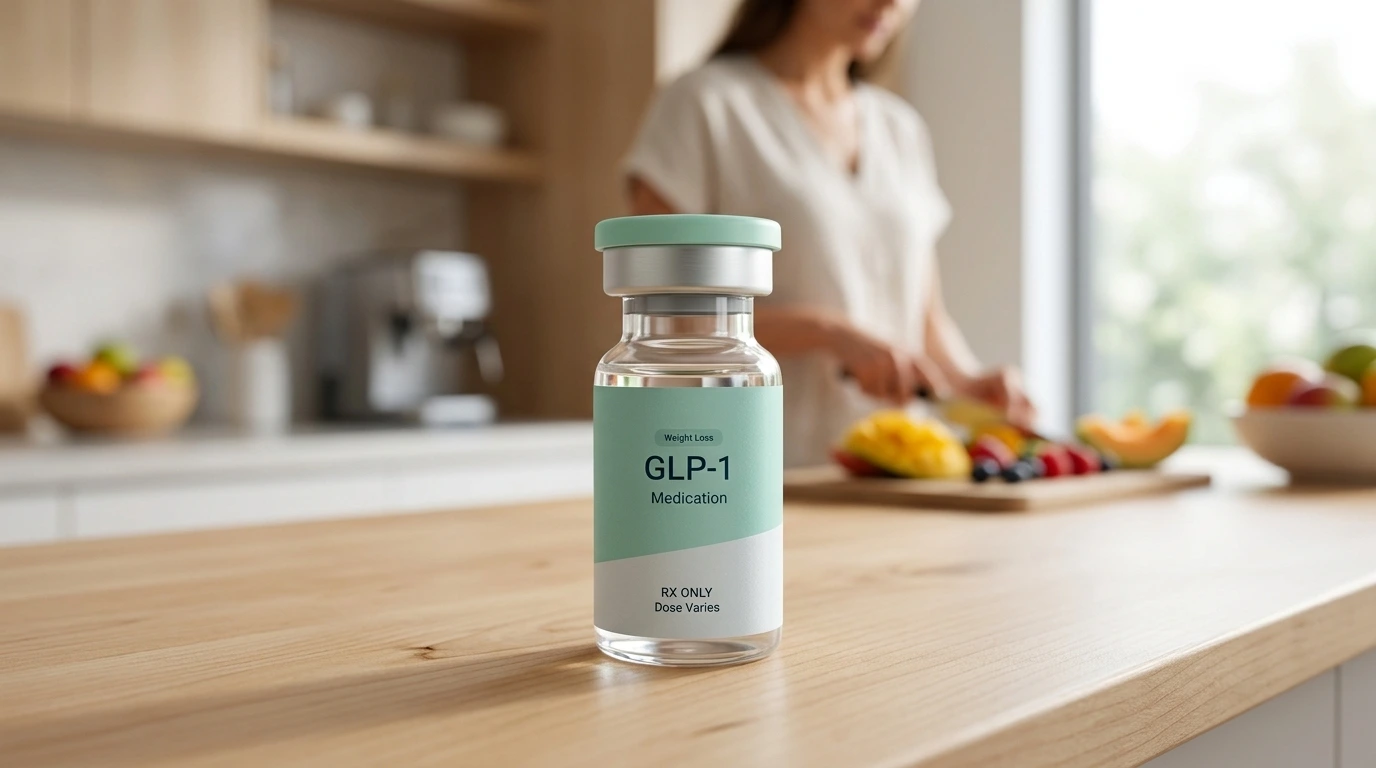
When you participate in a program through TrimRx, you may receive a prescription for semaglutide or tirzepatide. These medications are prepared by FDA-registered, inspected compounding pharmacies.
These preparations are delivered in vials or pens and follow the same subcutaneous injection process described above. If you are ready to see whether a personalized program is the right next step, you can complete the free assessment quiz.
Managing Common Side Effects
Beyond the injection itself, some people worry about systemic side effects like nausea or fatigue. These are usually most prominent when you first start the medication or when your dosage increases.
To support your body through these transitions, we recommend our GLP-1 Daily Support supplement. Staying hydrated and eating smaller, more frequent meals can also significantly reduce discomfort. For more practical food guidance, read our post on what to eat with GLP-1 medications.
Bottom line: Most patients report that any initial discomfort or side effects are manageable and well worth the progress they see in their health and weight management goals.
What to Expect During the First Month
The first month of any program is a period of adjustment. Most providers start patients on a low “loading dose.” This is not necessarily the dose that will cause the most weight loss; rather, it is designed to let your body get used to the medication.
During this time, you will learn the rhythm of your weekly injections. By the third or fourth week, the process usually becomes a routine task that takes less than two minutes. You will likely find that the initial fear you had about the needle was much greater than the reality of the sensation. If nausea is the part you are most worried about, our article on why GLP-1 nausea can linger may help set expectations.
How to Get Started with a Personalized Program
If you are ready to take the next step, the process is simple and entirely online. You do not need to sit in a waiting room or schedule an in-person visit.
Step 1: Complete the free assessment quiz. This helps the medical team understand your health history and goals. Step 2: A licensed provider reviews your profile and, if appropriate, writes a prescription. Step 3: Your medication is shipped directly from an FDA-registered compounding pharmacy to your door. Step 4: You receive ongoing support and access to specialists to ensure your journey is safe and effective.
Safety and Compliance in Telehealth
Using a telehealth platform offers a level of convenience that traditional clinics often lack. However, safety remains the top priority. Every program is medically supervised by licensed providers who monitor your progress and adjust your treatment as needed.
If you want a simple way to compare your options and get matched with a plan, you can take the free assessment quiz.
Sustaining Long-Term Success
Weight loss is not just about the medication; it is about a total lifestyle shift. The medication serves as a tool to help you manage hunger and cravings, making it easier to stick to a nutritious diet and regular activity.
Many people find that once they aren’t constantly fighting “food noise” or intense hunger, they can finally make the sustainable changes they’ve struggled with for years. Our platform is built to provide the comprehensive support needed for this long-term transformation. If you want more detail on medication selection, our GLP-1 alternatives guide is a useful next read.
Conclusion
So, are Ozempic injections painful? For the vast majority of people, the answer is no. The needle is tiny, the injection is quick, and the process is easy to master. By following simple steps like rotating sites and letting the medication reach room temperature, you can ensure a comfortable experience every week.
At TrimRx, we are dedicated to making your weight loss journey as smooth as possible. We provide the medical expertise and the personalized support you need to feel confident in your treatment. Whether you choose an injectable or an oral option, the most important thing is taking that first step toward a healthier version of yourself. If you are ready to begin, you can take the free assessment quiz.
Key Takeaway: The fear of the needle is usually the biggest obstacle. Once you experience how small the needle actually is, the weekly routine becomes a simple, painless habit.
FAQ
Does the injection hurt more in the stomach or the thigh?
Most people find the stomach to be less sensitive because there is usually more subcutaneous fat to cushion the injection. However, some prefer the thigh because it feels more stable to hold the pen against the leg. You should try both to see which feels better for your body.
What should I do if I see a drop of blood after the injection?
A tiny drop of blood is common and usually means the needle nicked a small surface capillary. Simply blot it with a clean tissue or cotton ball. It does not mean the medication leaked out or that you did the injection incorrectly.
Can I use the same needle for more than one dose?
No, you must use a new, sterile needle for every single injection. Reusing a needle increases the risk of infection and can make the injection much more painful because the needle tip dulls after just one use. Always dispose of used needles in a proper sharps container.
Will I have a bruise every time I inject?
Not necessarily. Bruising happens occasionally if the needle hits a tiny blood vessel, but it is not a guaranteed side effect. To minimize bruising, avoid pressing the pen too hard against your skin and ensure you are rotating your sites each week.
Disclaimer: This content is for informational purposes only and does not constitute medical advice. It is not intended to diagnose, treat, cure, or prevent any disease or condition. Individual results may vary. Always consult a qualified healthcare professional before starting any weight loss program or medication.

Transforming Lives, One Step at a Time
Keep reading

What to Do About a Work Conference With Catered Meals on Ozempic
Two things make conferences harder than an ordinary week, and neither is the quality of the food. The timing is fixed and not yours….

Does Your Appetite Come Back During PMS on Ozempic?
Many people report that it does, at least partly. Appetite rises in the premenstrual phase for a lot of people independently of any medication,…
What to Say When Someone Asks If You’re on Ozempic
You have three options, none of them obligatory, and it is worth knowing which one you want before you are asked rather than deciding…


