Are Pinto Beans Good for Weight Loss? Our Team Weighs In
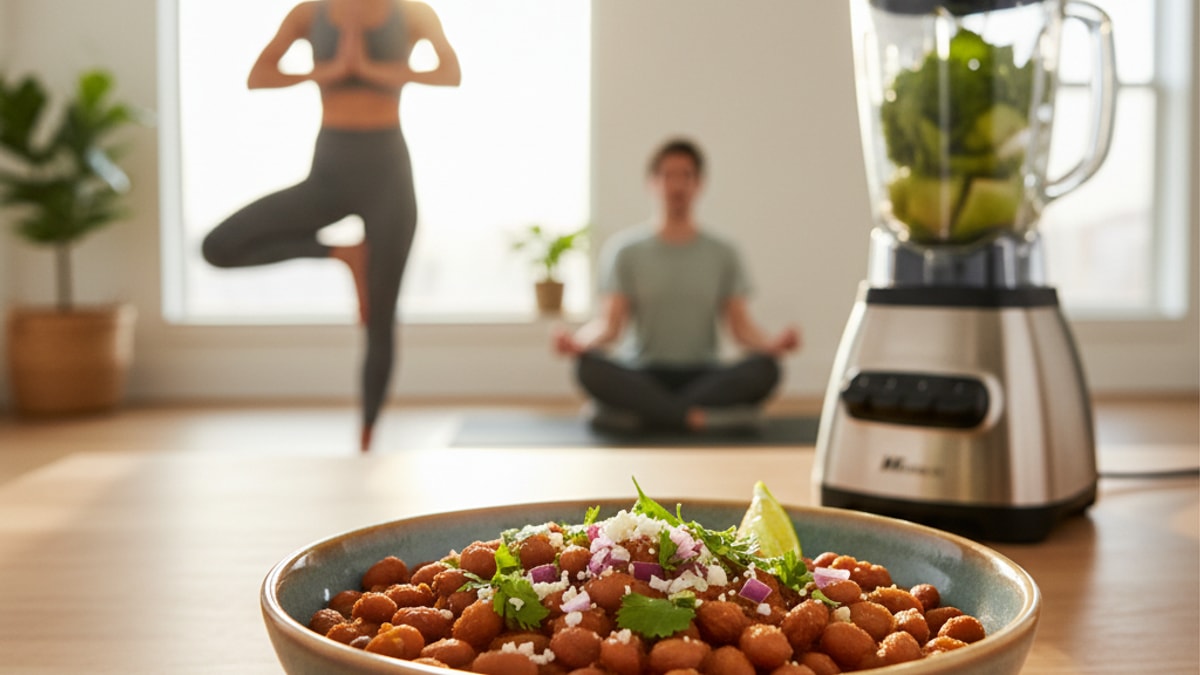
When you're on a weight loss journey, the world of food can feel like a minefield. You're constantly bombarded with advice about what to eat, what to avoid, and which new 'superfood' will magically solve everything. It’s exhausting. But what if one of the most effective, affordable, and accessible tools for weight management has been sitting in your pantry all along? We're talking about the humble, often-overlooked pinto bean.
Here at TrimrX, our entire focus is on the science of sustainable weight loss. While we specialize in advanced, medically-supervised treatments like GLP-1 medications, we know that lasting success is built on a foundation of smart, strategic nutrition. It's not about restriction; it's about empowerment. And understanding how foods like pinto beans work on a biological level is a critical piece of that puzzle. So, let’s get straight to it: are pinto beans good for weight loss? Our team's unflinching answer is yes. And we're here to show you exactly why.
The Unassuming Nutritional Giant
At first glance, pinto beans don't seem particularly glamorous. They aren't exotic or trendy. But from a nutritional science perspective, they are absolute powerhouses. It's what's inside that makes them such a formidable ally in your quest for a healthier weight.
Let's break it down. A single cup of cooked pinto beans contains a remarkable combination of nutrients that work synergistically to support weight loss:
- Fiber (About 15 grams): This is the headline act. That's more than half of the daily recommended intake for many adults, packed into one cup. We can't stress this enough: fiber is a non-negotiable element for successful weight management. It slows down digestion, which keeps you feeling full and satisfied for hours, crushing the cravings that so often derail progress. We'll dive deeper into this in a moment.
- Protein (About 15 grams): Protein is metabolically active, meaning your body burns more calories digesting it compared to fats or carbs. It's also essential for maintaining lean muscle mass. When you lose weight, you want to lose fat, not muscle, and adequate protein intake is how you ensure that happens. This amount of plant-based protein is significant.
- Complex Carbohydrates: Don't let the word 'carb' scare you. The carbohydrates in pinto beans are the good kind—complex and slow-digesting. They provide a steady, reliable stream of energy without the dramatic blood sugar spikes and crashes caused by simple sugars and refined grains. No afternoon energy slumps that send you running for the vending machine.
- Micronutrients: Beyond the macros, pinto beans are rich in folate, manganese, vitamin B1, and iron. These are crucial for energy production and overall metabolic function. When your body is properly nourished at a cellular level, everything else just works better.
It’s this specific combination of high fiber and high protein that creates a one-two punch against hunger and overeating. It’s a food that genuinely works with your body’s natural satiety signals, not against them.
How Pinto Beans Directly Fuel Your Weight Loss Efforts
Okay, so they’re nutritious. But how does that translate into actual pounds lost on the scale? The mechanisms are surprisingly direct and backed by solid science. Our experience shows that clients who successfully incorporate high-fiber foods like pinto beans into their diets report a significant, sometimes dramatic shift in their relationship with hunger.
Here's what's happening on a biological level:
1. The Satiety Factor is Off the Charts
Feeling full is the holy grail of weight loss. When you're constantly fighting off hunger, willpower eventually fades. Pinto beans tackle this head-on. The soluble fiber in beans absorbs water in your digestive tract, forming a gel-like substance. This physically takes up space in your stomach and slows down the rate at which food leaves it. The result? You feel fuller, for longer, on fewer calories. It’s a simple, biological trick.
Think of it like this: a 200-calorie snack of chips is gone in minutes and leaves you wanting more. A 200-calorie serving of pinto beans can keep you satisfied until your next meal. That's the difference between fighting your body and working with it.
2. Superior Blood Sugar Control
This is where things get really interesting from our perspective at TrimrX. So much of weight management comes down to metabolic health and insulin sensitivity. Foods that spike your blood sugar (think white bread, sugary drinks, processed snacks) cause a flood of insulin, which is a fat-storage hormone. What goes up must come down, leading to a 'crash' that triggers intense cravings for more fast-acting sugar. It's a vicious cycle.
Pinto beans break that cycle. With a very low glycemic index (GI), their complex carbs and fiber ensure that glucose is released into your bloodstream slowly and steadily. This prevents insulin spikes, keeps your energy levels stable, and dramatically reduces cravings. This metabolic stability is precisely what treatments like Semaglutide and Tirzepatide are designed to promote, so incorporating foods like pinto beans creates a powerful synergistic effect.
3. Fueling a Healthy Gut Microbiome
The fiber in pinto beans also contains something called resistant starch. This type of starch 'resists' digestion in the small intestine and travels to the large intestine, where it acts as a prebiotic. Essentially, it's food for the good bacteria in your gut. Why does this matter for weight loss? A growing body of research shows a clear link between a healthy, diverse gut microbiome and easier weight management, reduced inflammation, and better metabolic health.
A happy gut is a critical, and often overlooked, component of a successful weight loss plan. It’s not just about calories in, calories out; it’s about creating a healthy internal ecosystem.
Pinto Beans vs. Other Popular 'Health' Foods
It's easy to get caught up in expensive, trendy health foods. But how do pinto beans stack up against some of the usual suspects? Let's be honest, the comparison is often startling, especially when you factor in cost and accessibility.
Here's a quick comparison our team put together:
| Feature | Pinto Beans (1 cup, cooked) | Quinoa (1 cup, cooked) | Grilled Chicken Breast (4 oz) | 'Low-Fat' Granola Bar (1 bar) |
|---|---|---|---|---|
| Protein | ~15g | ~8g | ~35g | ~2g |
| Fiber | ~15g | ~5g | 0g | ~1g |
| Satiety Factor | Very High | Moderate | High | Very Low |
| Glycemic Index | Low (~39) | Moderate (~53) | Very Low (0) | High (~60-70) |
| Cost per Serving | ~$0.30 | ~$1.50 | ~$2.50 | ~$1.00 |
The takeaway is clear. While chicken breast offers more protein, it has zero fiber. Quinoa is a great food, but pinto beans deliver three times the fiber and nearly double the protein for a fraction of the cost. And the granola bar? It’s a perfect example of a processed 'health' food that offers almost no nutritional value and will likely leave you hungry in an hour. When you look at the whole picture—satiety, nutrition, and cost—pinto beans are an undisputed champion.
The Great Debate: Canned vs. Dried Beans
This is a question we get all the time. Is it okay to use canned beans, or do you have to go through the trouble of soaking and cooking dried beans from scratch? Our professional observation is this: the best bean is the one you will consistently eat.
Canned Pinto Beans:
- Pros: Incredibly convenient. They're ready to go in minutes, which is a huge plus for busy weeknights. This makes you far more likely to incorporate them into your diet.
- Cons: The two main watch-outs are sodium and BPA. Many canned goods are high in sodium, so look for 'No Salt Added' versions. We always recommend giving them a thorough rinse under cold water, which can wash away up to 40% of the sodium. Some cans are also lined with BPA, so choosing brands that specify 'BPA-Free' lining is a smart move.
Dried Pinto Beans:
- Pros: They are extraordinarily cheap—we're talking pennies per serving. You have complete control over the sodium content, and there's no can lining to worry about. For many, the flavor and texture are also superior.
- Cons: They require planning. You need to soak them overnight (or use a quick-soak method) and then cook them for an hour or more. This time commitment can be a barrier for some.
Our team's recommendation? Don't let perfection be the enemy of good. If the convenience of canned beans means you'll eat them three times a week, that is a massive win for your health. Just be a savvy shopper and rinse them well. If you enjoy cooking and have the time, making a big batch of dried beans on the weekend to use all week is a fantastic, budget-friendly strategy.
Beyond the Burrito: Smart Ways to Eat Pinto Beans
When most people think of pinto beans, they think of refried beans or chili. And while those are great, they can often be prepared with a lot of added fat and salt. To truly leverage pinto beans for weight loss, you need to think more creatively.
Here are some simple, delicious ways we recommend our clients use them:
- Mash them up: Mash cooked pinto beans with a fork, lime juice, cumin, and a little garlic powder. Use it as a high-fiber, high-protein spread on whole-grain toast or as a dip for veggies. It’s a fantastic replacement for mayonnaise or other high-fat spreads.
- Bulk up your soups and salads: Add a cup of pinto beans to virtually any vegetable soup or green salad. It adds substance, protein, and fiber that turns a light dish into a satisfying meal.
- Create a 'Power Bowl': Start with a base of pinto beans. Add a small portion of a whole grain like brown rice, and then load it up with roasted vegetables, fresh salsa, and a sprinkle of feta cheese or a dollop of Greek yogurt. It’s balanced, filling, and endlessly customizable.
- Make simple bean burgers: Mash pinto beans with some breadcrumbs, chopped onion, and spices, form them into patties, and pan-fry or bake them. They are so much healthier and more satisfying than processed veggie burgers.
- The 'Gas' Factor: Let's be honest, this is a concern for many. The key is to start slow. If you don't eat beans regularly, your gut bacteria aren't used to all that fiber. Begin with a small serving, like a quarter cup, and gradually increase your intake over a few weeks. This gives your digestive system time to adapt. Rinsing canned beans and cooking dried beans thoroughly also helps immensely.
The Big Picture: A Tool, Not a Magic Bullet
Here's the critical takeaway. Pinto beans are an incredible tool. They are not, however, a magic bullet. No single food can undo the effects of an otherwise unhealthy diet or sedentary lifestyle. Sustainable weight loss is a comprehensive, multifaceted process.
This is the core philosophy behind our work at TrimrX. We believe in using every effective tool available to support our clients. That starts with a foundation of smart nutrition—incorporating powerful foods like pinto beans—and regular physical activity. But for many people, especially those who have struggled for years, that's not enough. Biological factors like insulin resistance, hormonal imbalances, and powerful appetite signals can make weight loss feel like a relentless, uphill battle. Your body is literally working against you.
That’s where a medically-supervised approach can fundamentally change the game. Our FDA-registered GLP-1 treatments, such as Semaglutide and Tirzepatide, work on a physiological level to regulate appetite, improve how your body processes sugar, and restore metabolic balance. They create a biological environment where your healthy choices can finally gain traction and produce the results you deserve. It’s not about replacing healthy habits; it’s about making them profoundly more effective. If you feel like you've been doing everything right but still aren't seeing progress, we encourage you to Take Quiz on our site. It’s a simple step to see if this approach could be the missing piece of your puzzle.
Imagine combining the powerful, long-lasting satiety you get from a pinto bean-rich meal with a medication that helps regulate your body's own hunger hormones. The synergy is undeniable. You're no longer fighting a war on two fronts. You're creating a unified system that supports your goals from every angle. When you are ready to see what that feels like, you can Start Your Treatment with our dedicated medical team.
So, are pinto beans good for weight loss? Absolutely. They are a cheap, accessible, and scientifically-backed food that can significantly help you manage hunger, stabilize your blood sugar, and improve your gut health. They are one of the best foods you can add to your nutritional toolkit.
View them as a foundational element of your strategy. Build your meals around them. Let their fiber and protein work for you. And if you need more support to overcome the biological hurdles, know that powerful, science-backed medical options are available to work alongside your healthy lifestyle. The goal is not just to lose weight, but to build a sustainable, healthy life you love. And the humble pinto bean can be a surprisingly steadfast companion on that journey.
Frequently Asked Questions
How many pinto beans should I eat for weight loss?
▼
There’s no magic number, but a great starting point is aiming for about one cup of cooked beans on the days you eat them. This serving provides a significant amount of fiber and protein to promote fullness. Listen to your body’s hunger cues and adjust as needed.
Do pinto beans burn belly fat?
▼
No single food can target fat in one specific area of the body. However, the high fiber and protein in pinto beans support overall fat loss by helping you maintain a calorie deficit, stabilizing blood sugar, and reducing cravings, which contributes to a reduction in belly fat over time.
Are pinto beans better than black beans for weight loss?
▼
Both pinto and black beans are fantastic for weight loss and are nutritionally very similar. Black beans have slightly more fiber, while pinto beans have a bit more folate. Our team recommends including a variety of beans in your diet to get a broader range of nutrients.
Can I eat pinto beans every day to lose weight?
▼
Yes, you can certainly eat pinto beans every day as part of a balanced diet. Their nutritional profile makes them a great daily staple. Just be sure you’re also eating a wide variety of other vegetables, lean proteins, and healthy fats for complete nutrition.
Will pinto beans make me gain weight because they have carbs?
▼
This is a common myth. The carbohydrates in pinto beans are complex carbs, paired with a massive amount of fiber. This means they are digested slowly, promote stable blood sugar, and actually help control appetite, which supports weight loss, not weight gain.
What’s the best way to prepare pinto beans for a weight loss diet?
▼
The best methods involve minimal added fat and salt. We recommend boiling them from dried with spices like cumin and garlic, or using rinsed, no-salt-added canned beans. Mash them for a healthy spread or add them whole to salads, soups, and power bowls.
Are refried pinto beans healthy?
▼
It depends entirely on how they’re made. Traditional refried beans are often made with lard or a lot of oil, making them high in calories and saturated fat. You can make a much healthier version at home by mashing pinto beans with a little water or vegetable broth and spices.
How can I reduce the gas and bloating from eating beans?
▼
Start with small portions and increase your intake gradually over a few weeks to allow your gut to adapt. Soaking dried beans overnight and discarding the water helps, as does rinsing canned beans thoroughly. Staying well-hydrated is also key.
Do pinto beans provide enough protein on their own?
▼
Pinto beans are a great source of plant-based protein, providing about 15 grams per cup. While they are a significant contributor, it’s important to get protein from a variety of sources throughout the day to ensure you get all essential amino acids.
Are pinto beans keto-friendly?
▼
No, pinto beans are generally not considered keto-friendly. Their carbohydrate count, while being complex and healthy, is too high for a standard ketogenic diet which requires very low carb intake to maintain ketosis.
Can eating pinto beans help with insulin resistance?
▼
Yes, they can be very beneficial. The high fiber content and low glycemic index of pinto beans help improve blood sugar control and prevent sharp insulin spikes. A diet rich in such foods is a key strategy for managing and improving insulin sensitivity.

Transforming Lives, One Step at a Time
Keep reading

Do You Need a Prescription for GLP-1s? The 2026 Answer
Wondering ‘do you need a prescription for glp 1’ in 2026? Yes. We explain why a doctor’s oversight is critical for safe, effective results.

How to Get GLP-1 Covered By Insurance: Our 2026 Playbook
Struggling with how to get glp-1 covered by insurance? Our 2026 guide breaks down prior authorizations, appeals, and documentation.

Traveling with GLP-1s in 2026: Your Essential Trip-Proof Plan
Don’t let travel disrupt your GLP-1 treatment. Learn how to travel with glp 1 medications safely and stress-free in our 2026 expert guide.


