Are Pork Chops Healthy for Weight Loss? The Surprising Truth
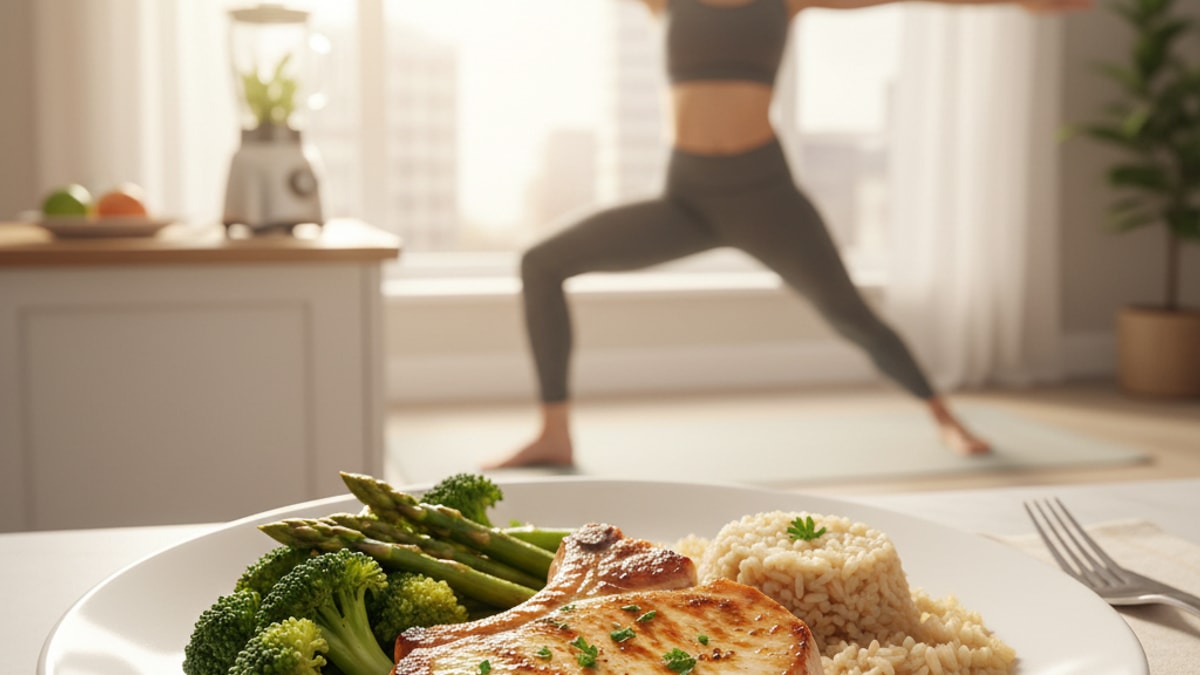
Let's get straight to it. The question of whether pork chops are healthy for weight loss comes across our desks all the time. It’s a classic dietary dilemma, isn't it? You're trying to eat better, shed some pounds, but you also want food that’s satisfying and, well, not another boring chicken breast. Pork chops sit in that gray area for many people—delicious, yes, but often associated with heavy, high-fat meals. So what’s the real story?
As a team dedicated to the science behind sustainable weight management, we're here to cut through that confusion. At TrimrX, our work revolves around creating comprehensive, medically-supervised weight loss programs, often incorporating advanced GLP-1 treatments. But we know better than anyone that medication is just one powerful tool in the toolbox. Lasting success is built on a foundation of smart, sustainable lifestyle choices. And that absolutely includes what you put on your plate. So, are pork chops a weight-loss-friendly friend or a foe? The answer is more nuanced—and frankly, more encouraging—than you might think.
The Nutritional Profile of Pork Chops: A Closer Look
Before we can label any food as 'good' or 'bad' for weight loss, we have to understand what’s actually in it. It's about data, not dogma. A pork chop isn't just a pork chop; it's a package of macronutrients and micronutrients that your body uses for fuel, repair, and function.
First up, protein. This is where pork chops really shine. They are an incredible source of high-quality, complete protein, meaning they provide all nine essential amino acids your body can't produce on its own. A single 4-ounce serving of lean pork loin can pack a formidable 25 grams of protein. Why is this so critical for weight loss? Our team can't stress this enough: protein is your greatest ally. It promotes satiety, that feeling of fullness and satisfaction, which helps curb cravings and reduce overall calorie intake. It also has a higher thermic effect of food (TEF) than fats or carbs, meaning your body burns more calories just digesting it. And crucially, when you're in a calorie deficit, adequate protein intake helps preserve lean muscle mass, ensuring you're losing fat, not muscle.
Now, let's talk about the fat. This is where the details become absolutely non-negotiable. The fat content in pork chops varies dramatically depending on the cut. A super-lean pork tenderloin is a world away from a heavily marbled shoulder chop. Some of this fat is saturated, which is why moderation is key, but a significant portion is also monounsaturated and polyunsaturated fat. The trick is choosing cuts that deliver that protein punch without an overwhelming amount of fat and calories. We'll get into the specific cuts shortly.
Beyond the macros, pork is also a micronutrient powerhouse. It's loaded with B vitamins—especially B12, B6, niacin, and thiamine—which are essential for converting food into energy. Forget feeling sluggish on your diet; these vitamins are critical for maintaining your metabolic engine. Pork is also an excellent source of selenium, a powerful antioxidant, as well as zinc and iron, which support immune function and oxygen transport. So, you're not just getting protein; you're getting a suite of vital nutrients that support your body's overall function during the demanding process of weight loss.
Pork Chops and Weight Loss: The Verdict?
So, are pork chops healthy for weight loss? Yes. Absolutely, they can be.
But that 'yes' comes with some very important conditions. Our experience, both in clinical settings and in guiding thousands of clients, shows that success hinges on three specific factors: the cut you choose, your portion size, and your cooking method. Get these three things right, and the pork chop transforms from a potential diet-derailer into a lean, mean, weight-loss-supporting machine.
Think of it this way: a Formula 1 car is a high-performance vehicle, but its performance depends entirely on the driver, the fuel, and the track conditions. The pork chop is your vehicle. You are the driver. Your kitchen is the track. Let's break down how to get a podium finish.
First, the cut is paramount. Not all pork is created equal. You want to look for leaner options like pork tenderloin (technically a roast, but the leanest of all), center-cut loin chops, or top loin chops. These have significantly less fat and fewer calories than their counterparts like rib chops or shoulder chops (also called blade chops), which are marbled with much more fat. Trimming any visible fat from the edge of the chop before cooking is another simple, effective step you can take to immediately improve its nutritional profile.
Second, portion control. This seems obvious, but it's where so many well-intentioned efforts go astray. A restaurant-style 12-ounce pork chop can easily push 600-700 calories before you even add a drop of oil or a single side dish. A sensible portion for a weight loss plan is more in the range of 4 to 6 ounces (cooked weight). This is about the size of a deck of cards or the palm of your hand. That size provides all the protein benefits without overloading you on calories.
And third, the cooking method. This is the real game-changer. How you prepare your lean, perfectly portioned pork chop can make or break its health credentials. We’re talking about grilling, baking, broiling, or air frying. These methods require little to no added fat and can even help render out some of the pork's natural fat. The opposite is true for methods like deep-frying or pan-frying in a pool of butter or oil, which can easily double the calorie count and douse your healthy protein in unhealthy fats.
The Preparation Pitfalls: Where Good Pork Goes Bad
We've seen it happen countless times. A client is doing everything right—they're adhering to their medically-supervised plan, they're staying active, but their progress stalls. We dig into their food logs and find the culprit. It's not that they're eating the 'wrong' foods; it's how they're preparing the 'right' ones.
The pork chop is a perfect case study. Here’s how a perfectly good piece of lean protein can be sabotaged.
The Breading Trap: That crispy, crunchy coating is tempting, we get it. But breading a pork chop with flour, egg, and breadcrumbs and then frying it is a nutritional disaster. You're essentially wrapping your lean protein in a blanket of refined carbohydrates and then soaking it in fat. This can add hundreds of extra calories, unhealthy trans fats (if using certain oils), and refined carbs that can spike your blood sugar. Air frying can give you a similar crispy texture with a tiny fraction of the oil, making it a far superior choice.
The Sauce Sabotage: What do you put on your pork chop? Be honest. If it’s a thick layer of sugary BBQ sauce, a sweet honey-garlic glaze, or a creamy mushroom sauce, you're undermining your efforts. Many popular sauces and glazes are loaded with sugar, high-fructose corn syrup, and sodium. These can add a shocking number of 'empty' calories and contribute to inflammation and water retention. Instead, think about rubs made from spices like paprika, garlic powder, and chili powder, or marinades based on citrus juice, vinegar, and fresh herbs.
The Side Dish Disaster: A beautifully grilled, lean pork chop is a fantastic centerpiece for a meal. But what's surrounding it? If it’s a mountain of french fries, a scoop of creamy mac and cheese, or a pile of buttered noodles, the meal as a whole is no longer aligned with your weight loss goals. This is about building a balanced plate. The pork chop is your protein component. Pair it with a huge portion of non-starchy vegetables—like roasted broccoli, a large green salad, or steamed asparagus—and a small serving of a complex carbohydrate like quinoa or a small sweet potato. That's a meal built for success.
This is a critical insight we share with our TrimrX patients. When you're using a tool like a GLP-1 medication, your appetite is naturally reduced. This makes it easier to focus on food quality over quantity. It's the perfect opportunity to re-engineer your plate, making lean proteins and vegetables the stars of the show.
Making Pork Chops Work for You: A Practical Guide
Alright, theory is great, but let's get practical. How do you actually walk into a grocery store, pick the right pork chop, and cook it in a way that actively supports your health goals? Here’s our team’s cheat sheet.
First, know your cuts. It's the single most important decision you'll make. We've put together a simple table to help you see the differences clearly. Our professional recommendation is to stick to the top two options on this list the vast majority of the time.
| Cut | Typical Calories (4oz cooked) | Protein (g) | Fat (g) | Our Recommendation |
|---|---|---|---|---|
| Pork Tenderloin | ~140 | ~26 | ~3.5 | The leanest and most versatile option for weight loss. Superb for roasting or slicing into medallions. |
| Center-Cut Loin Chop (Boneless) | ~170 | ~25 | ~7 | An excellent, lean choice that's widely available. Trim any visible fat before cooking for best results. |
| Rib Chop (Bone-in) | ~230 | ~23 | ~15 | More flavor from fat and the bone, but should be an occasional choice. Best for grilling where fat can drip away. |
| Shoulder (Blade) Chop | ~270 | ~22 | ~20 | Highest in fat and connective tissue. We generally recommend avoiding this cut when weight loss is the primary goal. |
Once you have your lean cut, focus on smart cooking. Here are some of our favorite techniques:
- Grilling/Broiling: This is a fantastic method. The intense, dry heat cooks the pork quickly and allows any excess fat to drip away. A simple spice rub is all you need for incredible flavor.
- Baking/Roasting: Perfect for thicker chops or a whole tenderloin. Cooking on a rack set inside a baking sheet also allows fat to render and drip away. It's a very controlled, hands-off method.
- Pan-Searing (The Right Way): You can absolutely get a beautiful crust in a pan. The key is to use a heavy-bottomed or non-stick skillet, get it nice and hot, and use only a very small amount of a high-smoke-point oil, like avocado oil. Don't use butter, which can burn easily and adds saturated fat.
- Air Frying: The modern marvel for healthy cooking. You can get a remarkably crispy, satisfying texture with just a light spritz of cooking spray. It's a game-changer for recreating that 'fried' experience without the guilt.
And finally, flavor without the calories. Ditch the sugary sauces. Your new best friends are herbs, spices, citrus, and vinegar. A marinade of lemon juice, garlic, oregano, and a touch of olive oil can tenderize and flavor the pork beautifully. A dry rub of smoked paprika, cumin, chili powder, and onion powder creates a delicious crust on the grill. Don't underestimate the power of a simple brine (salt, water, and maybe some herbs) to ensure a juicy, flavorful chop every single time.
Integrating Pork Chops into a Broader Weight Loss Strategy
It's crucial to remember that no single food, not even a perfectly prepared pork chop, will make or break your weight loss journey. It's all about the bigger picture. It's about consistency, balance, and the overall pattern of your diet.
A lean pork chop should be one component of a well-constructed meal. We often advise our clients to use the 'plate method.' Imagine your dinner plate divided into sections. Fill half of your plate with non-starchy vegetables (think leafy greens, broccoli, bell peppers, zucchini). Fill one-quarter of your plate with your lean protein, like that 4-ounce pork chop. And fill the final quarter with a high-fiber, complex carbohydrate source like quinoa, brown rice, or beans.
This is where a medically-supervised program can provide a significant advantage. At TrimrX, our approach is holistic. Advanced medications like Semaglutide and Tirzepatide are incredibly effective at regulating appetite and improving metabolic health. This creates a powerful biological tailwind, making it so much easier to implement and stick with healthy eating patterns like the plate method. When you're not constantly battling intense cravings and hunger, you have the mental and emotional bandwidth to make conscious, healthy choices. You can choose the grilled pork chop and salad because you genuinely want to fuel your body well, not because you're forcing yourself through sheer willpower.
If you've been on the diet rollercoaster for years and feel like you're fighting an uphill battle against your own biology, it might be time to explore how a modern, medical approach can change the game. You can Take Quiz on our site to see if a program like ours could be the missing piece of your puzzle.
What About Red Meat Concerns?
This is a valid question that comes up often. The USDA classifies pork as red meat due to its myoglobin content. And we've all heard the health recommendations to limit red meat consumption. So, how does this fit in?
Let's be very clear here: the primary health concerns associated with red meat are most strongly linked to processed red meat (like bacon, sausage, hot dogs, and deli meats) and very high consumption of fatty, unprocessed red meat. The science is quite consistent on this.
A lean, unprocessed pork loin chop is a very different nutritional entity from a strip of bacon. There is a world of difference. We don't advocate for an all-pork-all-the-time diet. We advocate for variety. Our stance is that incorporating unprocessed, lean pork into your diet a couple of times a week is perfectly compatible with a heart-healthy, weight-loss-oriented lifestyle. It's about moderation and making smart choices within the category. Demonizing entire food groups is rarely a productive or sustainable strategy.
The real enemy isn't the pork chop itself; it's the overconsumption of processed foods, sugary sauces, and the unhealthy fats often used in its preparation.
So, the final word on pork chops? They can absolutely be a healthy, delicious, and effective part of your weight loss arsenal. It all comes down to the choices you make. It’s not about restriction; it’s about smart substitution and skillful preparation. It's about moving from a mindset of 'what can't I have?' to 'how can I make what I love work for me?'
This journey of transforming your relationship with food is the cornerstone of long-term success. It's about building knowledge, developing new skills in the kitchen, and making empowered choices that serve your goals. Creating this foundation is the key to not just losing weight, but keeping it off for good. When you're ready to build that solid foundation with expert medical guidance and powerful tools, we're here. It's time to Start Your Treatment Now and take control of your health journey.
Frequently Asked Questions
How many times a week can I eat pork chops for weight loss?
▼
As part of a varied and balanced diet, enjoying lean, properly prepared pork chops 1-2 times per week is a reasonable approach for most people on a weight loss journey. Variety is key to ensure you’re getting a wide range of nutrients from different protein sources like poultry, fish, and legumes.
Is a bone-in or boneless pork chop better for dieting?
▼
Boneless, center-cut loin chops are typically leaner because they have less fat and connective tissue than their bone-in counterparts like rib chops. While the bone can add flavor, if your primary goal is minimizing calories and fat, the boneless loin chop is generally the superior choice.
What’s the leanest cut of pork?
▼
The leanest cut of pork is the tenderloin. It’s exceptionally low in fat and very high in protein, making it an ideal choice for anyone focused on weight loss. After tenderloin, the next leanest options are typically top loin or center-cut loin chops.
Are pork chops better than chicken breast for weight loss?
▼
Both lean pork loin and boneless, skinless chicken breast are excellent high-protein, low-fat options for weight loss. A lean pork chop can be just as effective as chicken breast, offering a different flavor profile and a rich source of B vitamins and zinc. The best choice is to include both for dietary variety.
Will eating lean pork chops raise my cholesterol?
▼
For most people, dietary cholesterol has less impact on blood cholesterol than saturated and trans fats do. A lean, trimmed pork chop, eaten in moderation as part of a diet rich in fiber and healthy fats, is unlikely to have a significant negative impact on your cholesterol levels.
What are some healthy side dishes for pork chops?
▼
Excellent, weight-loss-friendly side dishes include roasted vegetables like broccoli, asparagus, or Brussels sprouts, a large mixed green salad with a light vinaigrette, steamed green beans, or a serving of a whole grain like quinoa or farro.
Can I eat pork chops on a keto diet?
▼
Absolutely. Pork chops are naturally free of carbohydrates, making them a perfect fit for a ketogenic diet. Just be sure to choose your cut based on your fat macro goals and cook it without any sugary sauces or breading.
How does a GLP-1 medication help with making healthier food choices like this?
▼
GLP-1 medications, like those used in our TrimrX programs, help regulate appetite and reduce food cravings. This makes it significantly easier to bypass high-calorie, low-nutrient foods and instead choose satisfying, high-protein options like a lean pork chop because you feel more in control of your hunger signals.
Is Shake ‘n Bake a healthy way to cook pork chops?
▼
While it’s generally better than deep-frying, most commercial coating mixes like Shake ‘n Bake contain refined flour, sodium, and other additives. A healthier alternative is to make your own ‘breading’ from almond flour or crushed whole-grain crackers and herbs, then bake or air-fry the chops.
What’s the best internal temperature for a cooked pork chop?
▼
For both safety and flavor, the USDA recommends cooking pork chops to an internal temperature of 145°F (63°C), followed by a three-minute rest period. This ensures the pork is juicy and tender, not dry and tough.
Are pork steaks the same as pork chops?
▼
No, they are different cuts. Pork chops typically come from the loin, which is leaner. Pork steaks are usually cut from the pork shoulder (or butt), which is a fattier, tougher cut of meat. For weight loss, pork chops from the loin are a much better choice.
Why is trimming the visible fat from a pork chop so important?
▼
That thick strip of fat on the edge of a pork chop is almost pure saturated fat and calories. Simply taking a moment to trim it off with a knife before cooking is one of the easiest ways to instantly reduce the fat and calorie content of your meal without sacrificing the protein.

Transforming Lives, One Step at a Time
Keep reading

Do You Need a Prescription for GLP-1s? The 2026 Answer
Wondering ‘do you need a prescription for glp 1’ in 2026? Yes. We explain why a doctor’s oversight is critical for safe, effective results.

How to Get GLP-1 Covered By Insurance: Our 2026 Playbook
Struggling with how to get glp-1 covered by insurance? Our 2026 guide breaks down prior authorizations, appeals, and documentation.

Traveling with GLP-1s in 2026: Your Essential Trip-Proof Plan
Don’t let travel disrupt your GLP-1 treatment. Learn how to travel with glp 1 medications safely and stress-free in our 2026 expert guide.


