Pork Rinds for Weight Loss: The Surprising Truth You Need to Know
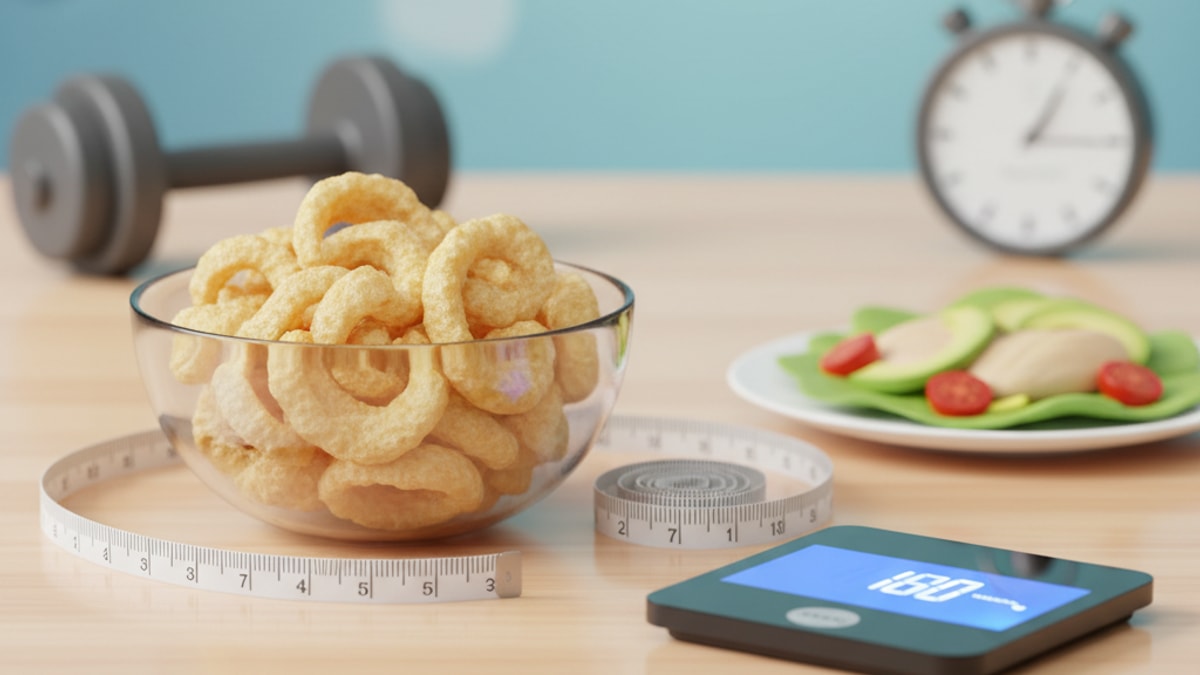
It’s a question we hear more and more, often whispered in forums or asked with a hint of hope: are pork rinds good for weight loss? In the sprawling landscape of low-carb and ketogenic diets, these salty, airy puffs of fried pig skin have emerged as a kind of cult-favorite snack. They deliver that satisfying crunch we all crave, all without a single carbohydrate. On paper, it sounds like a dream. A guilt-free replacement for potato chips? Sign us up.
But here at TrimrX, where we deal with the intricate science of metabolic health and sustainable weight loss every single day, we know that simple answers are rarely the right ones. The journey to a healthier weight is nuanced, deeply personal, and frankly, it's about so much more than just swapping out one snack for another. So, let’s pull back the curtain on pork rinds. We’re going to give you an unflinching look at their nutritional profile, where they can fit, and—more importantly—where they can become a formidable obstacle to your goals.
First Things First: What Exactly Are We Eating?
Before we can judge them, we need to understand them. Pork rinds are, quite simply, pig skin. The process involves simmering the skins to render the fat, scraping away any excess, and then dehydrating them until they’re hard and brittle. These dried pellets, called “pellets” or “cracklings,” are then deep-fried in hot oil. The intense heat causes the remaining moisture to flash into steam, puffing them up into the light, airy texture we recognize. They are then seasoned, most often with a heavy hand of salt.
It’s a straightforward process, but the final product is anything but simple from a nutritional standpoint. They are a paradox: a zero-carb food that is also incredibly high in fat and calories. This duality is precisely why they generate so much debate in the weight loss community.
The Nutritional Showdown: A Tale of Two Snacks
Let’s get granular. When you look at the nutrition label, the appeal for low-carb dieters is immediately obvious. A standard one-ounce serving (about 28 grams) typically contains zero carbohydrates, a significant amount of protein (around 17 grams), and a hefty dose of fat (around 9 grams). The protein content is surprisingly high, rivaling that of many protein-focused snacks.
But macros don't tell the whole story. Not even close. The devil is in the details, and this is where many people get tripped up. The fat profile can be problematic, often high in saturated and trans fats depending on the frying oil used. And the sodium? It’s often astronomical. A single serving can easily pack 20-30% of your recommended daily sodium intake. We can't stress this enough: that's a massive amount for a small snack.
To put it in perspective, our team put together a quick comparison of common snacks. It's an eye-opener.
| Snack (1 oz serving) | Calories | Protein (g) | Fat (g) | Carbs (g) | Sodium (mg) |
|---|---|---|---|---|---|
| Pork Rinds | ~150-160 | ~17 | ~9 | 0 | ~520 |
| Potato Chips | ~160 | ~2 | ~10 | ~15 | ~170 |
| Salted Almonds | ~170 | ~6 | ~15 | ~6 | ~95 |
| Cheddar Cheese | ~110 | ~7 | ~9 | <1 | ~170 |
| Pretzels | ~110 | ~3 | ~1 | ~23 | ~350 |
Looking at this, you can see the trade-offs. You eliminate carbs with pork rinds, but you take on a colossal sodium load compared to almost everything else. You get more protein, yes, but the fat and calorie count is comparable to potato chips and almonds. It’s not a clear win.
The Case FOR Pork Rinds in a Weight Loss Plan
Now, we’re not here to vilify any single food. Context is everything. In certain, very specific scenarios, pork rinds can serve a purpose. Let's be fair and look at the potential upsides.
First and foremost is their role in a ketogenic diet. For someone strictly adhering to keto, maintaining a state of ketosis is the primary objective. This requires keeping carbohydrate intake extremely low, typically under 20-50 grams per day. From this narrow perspective, pork rinds are a perfect fit. They provide a crunchy, savory vehicle for high-fat dips like guacamole or spinach dip without adding a single carb. This can be a psychological game-changer, helping to curb the feelings of deprivation that often lead people to abandon their diet.
Second, there's the satiety factor. The combination of high protein and high fat is known to be very filling. Protein is the most satiating macronutrient, and fat slows down digestion. In theory, having a small portion of pork rinds could help you feel fuller for longer, potentially preventing you from reaching for other, less diet-friendly options later. We’ve had clients report that a tiny handful was enough to kill a craving that might have otherwise led to a binge on carbs. It can be a useful tool for managing those intense moments of temptation.
Finally, they are incredibly versatile as a cooking ingredient in the low-carb world. Crushed pork rinds make an excellent, zero-carb breading for chicken, fish, or pork chops. They can be used as a crunchy topping for casseroles or even as a base for a low-carb pizza crust. In this form, they are being used for texture and structure, which is a smarter application than mindlessly eating them from a bag.
The Unflinching Reality: Where Pork Rinds Go Wrong
Okay, let's get real. While there are some niche uses, our professional experience shows that for the vast majority of people on a weight loss journey, pork rinds present more risks than rewards. The downsides are significant and can quietly sabotage your progress.
The Calorie Catastrophe
This is the big one. Pork rinds are phenomenally calorie-dense. A one-ounce serving has around 150 calories, which doesn't sound terrible until you realize how light they are. A one-ounce serving is a pretty sad-looking handful. It is breathtakingly easy to sit down with a bag and consume 3, 4, or even 5 servings without even noticing. Suddenly, your "zero-carb snack" has added 600 calories to your day, potentially wiping out the entire calorie deficit you worked so hard to create.
Think of it this way: they are calorie sponges. They offer very little volume for the caloric punch they pack. This is the exact opposite of what we recommend for sustainable weight loss, which is to focus on nutrient-dense, high-volume foods like vegetables and lean proteins that fill you up on fewer calories.
The Sodium Tsunami
A high-sodium diet is a formidable enemy of weight loss. While sodium itself doesn’t contain calories, it causes your body to retain water. This can lead to bloating, puffiness, and, most frustratingly, a higher number on the scale. This water weight can mask real fat loss, leading to immense frustration and the feeling that your diet isn't working. We've seen it time and time again. A client will be doing everything right, but their high-sodium snack choices keep the scale stubbornly high, crushing their motivation.
Beyond the scale, consistently high sodium intake is linked to high blood pressure and an increased risk of heart disease and stroke. It’s a serious health concern that simply cannot be ignored for the sake of a crunchy snack.
The Quality Quandary
Not all pork rinds are created equal. The vast majority of what you'll find in a typical grocery store are mass-produced products fried in questionable oils and loaded with artificial flavors, preservatives, and monosodium glutamate (MSG). These additives can trigger cravings and inflammation in some individuals, further complicating your health and weight loss efforts. Finding high-quality pork rinds—those made from pasture-raised pigs and fried in their own rendered lard or a stable, healthy oil—is possible, but they are more expensive and much harder to find. For most people, the readily available option is the least healthy one.
The Nutrient Void
Let's be brutally honest. Outside of protein and fat, pork rinds offer virtually zero nutritional value. No fiber. No vitamins. No minerals. No antioxidants. They are what we call "empty calories." A successful and sustainable weight loss plan should be built on a foundation of nutrient-dense foods that nourish your body while you lose weight. Relying on snacks like pork rinds fills you up on calories without providing any of the micronutrients your body desperately needs to function optimally. This can lead to fatigue, nutrient deficiencies, and poor overall health down the line.
Our Professional Guidance: A Smarter Strategy
So, after all that, are pork rinds good for weight loss? The answer is a heavily qualified no. Our team's consensus is that they are not a food to be incorporated regularly into a healthy, sustainable weight loss plan. The risks of overconsumption, high sodium intake, and lack of nutritional value far outweigh the benefits of being a zero-carb snack.
However, we also believe in flexibility and realism. Banning foods entirely often backfires. If you absolutely love pork rinds and feel they are a critical tool for sticking to a low-carb lifestyle, here is our recommendation for how to include them in the least damaging way:
- Treat Them as a Condiment, Not a Snack: This is the most important shift in mindset. Don't eat them from the bag. Instead, crush up one or two rinds and sprinkle them over a salad or a bowl of soup to add crunch. Use them as a breading. This way, you get the flavor and texture you crave in a controlled, minimal amount.
- Portion Control is Non-Negotiable: If you must have them as a snack, use a food scale. Measure out a half-ounce serving, put the bag away, and savor that small portion. Never, ever eat directly from the container.
- Scrutinize the Label: Become a detective. Hunt for brands with the simplest ingredient list possible: pork skins, salt. Maybe a natural spice. Avoid anything with long, unpronounceable ingredients, MSG, or hydrogenated oils. If possible, look for baked versions, which can be lower in fat and calories.
Looking Beyond the Snack: The Real Path to Lasting Results
Here’s the thing. Debating the merits of one specific snack, whether it's pork rinds or kale chips, can sometimes feel like rearranging deck chairs on the Titanic. It misses the bigger picture.
True, sustainable weight loss isn't about finding the perfect hack or the one magic food. It's about addressing the fundamental biological drivers of weight gain. It’s about understanding your body's unique metabolism, hormonal signals, and appetite regulation. This is where a purely dietary approach often falls short. For many, willpower alone is not enough to fight the powerful biological signals that drive hunger and cravings.
This is the core of what we do at TrimrX. We move beyond the confusing and often contradictory advice about what to eat and focus on the science of why we eat. Our medically-supervised programs utilize advancements in biotechnology, including proven GLP-1 medications like Semaglutide and Tirzepatide. These treatments work with your body's own systems to help regulate blood sugar, reduce appetite, and quiet the constant "food noise" that makes sticking to a healthy eating plan so challenging.
When your biology is working with you instead of against you, making smarter food choices becomes dramatically easier. You're no longer locked in a constant battle with cravings. You can focus on nourishing your body with whole, nutrient-dense foods because you're not desperately seeking a quick fix for overwhelming hunger. If this sounds like the support you've been missing, you can see if a medical approach is right for you when you Take Quiz.
Ultimately, the goal is to build a healthy lifestyle that doesn't feel like a punishment. It's about finding a sustainable balance where you feel energized, nourished, and in control. This comprehensive approach is what creates results that last a lifetime, long after the debate over the latest fad snack has faded. If you're tired of the cycle and ready to address the root causes of weight gain, we encourage you to Start Your Treatment Now.
So, while pork rinds might offer a temporary, crunchy reprieve from carb-counting, they are not a cornerstone of a successful weight loss strategy. Your energy is far better spent building a foundation of nutrient-rich whole foods and, when needed, seeking medical guidance that addresses the complex biology of weight. That’s the path to real, lasting change.
Frequently Asked Questions
Are baked pork rinds healthier than fried ones?
▼
Generally, yes. Baked pork rinds are typically lower in fat and calories than their deep-fried counterparts. However, it’s crucial to check the sodium content, as it can still be extremely high in both versions.
How many pork rinds can I eat on a keto diet?
▼
While they are zero-carb, we strongly advise strict portion control due to their high calorie and sodium content. A small, half-ounce serving is a reasonable limit to satisfy a craving without derailing your overall calorie goals.
Do pork rinds kick you out of ketosis?
▼
No, because they contain zero carbohydrates, eating pork rinds will not interfere with a state of ketosis. The primary concern with them on a keto diet is their high calorie count, which can still stall weight loss if overeaten.
Are pork rinds a good source of protein?
▼
Pork rinds are high in protein, but the quality is a consideration. Much of it is collagen from the skin, which is not a complete protein as it lacks some essential amino acids. They shouldn’t be relied upon as a primary protein source over options like meat, fish, or eggs.
What’s the difference between pork rinds and cracklins?
▼
Pork rinds are made from just the pig skin, making them light and airy when fried. Cracklins (or chicharrones) often have a layer of fat left on the skin, resulting in a harder, denser, and richer-tasting snack.
Can pork rinds cause bloating or water retention?
▼
Absolutely. Due to their incredibly high sodium content, pork rinds are a common cause of water retention and bloating. This can lead to a temporary increase on the scale, which can be very discouraging during a weight loss journey.
Are there any healthy alternatives to pork rinds for a crunchy snack?
▼
Yes, plenty! For a satisfying crunch, we recommend options like celery sticks with nut butter, bell pepper slices, roasted chickpeas (in moderation), or a small handful of nuts or seeds. These provide crunch along with valuable fiber and micronutrients.
Is MSG in pork rinds bad for you?
▼
Many mass-market pork rinds contain MSG as a flavor enhancer. While generally recognized as safe, some people report sensitivity to MSG, experiencing headaches or other symptoms. We recommend choosing brands with simple, clean ingredients.
Do pork rinds contain collagen?
▼
Yes, since they are made from skin, pork rinds are a source of collagen. However, the benefits of consuming collagen this way are debatable compared to using dedicated supplements, and it doesn’t offset the negative aspects like high sodium and fat.
Can I use pork rinds as a breading substitute?
▼
Yes, this is one of the smarter ways to use them. Crushing pork rinds into a fine powder creates an excellent zero-carb ‘breading’ for chicken, fish, or vegetables. This method allows you to get the texture in a controlled portion.
Are pork rinds considered a ‘clean’ food?
▼
This depends on the brand, but most commercially available pork rinds would not be considered ‘clean.’ They are highly processed and often contain artificial ingredients and unhealthy fats. Minimally processed, pasture-raised versions are cleaner but much harder to find.

Transforming Lives, One Step at a Time
Keep reading

Do You Need a Prescription for GLP-1s? The 2026 Answer
Wondering ‘do you need a prescription for glp 1’ in 2026? Yes. We explain why a doctor’s oversight is critical for safe, effective results.

How to Get GLP-1 Covered By Insurance: Our 2026 Playbook
Struggling with how to get glp-1 covered by insurance? Our 2026 guide breaks down prior authorizations, appeals, and documentation.

Traveling with GLP-1s in 2026: Your Essential Trip-Proof Plan
Don’t let travel disrupt your GLP-1 treatment. Learn how to travel with glp 1 medications safely and stress-free in our 2026 expert guide.


