Are Probiotics Good for Weight Loss? Our Unflinching Take
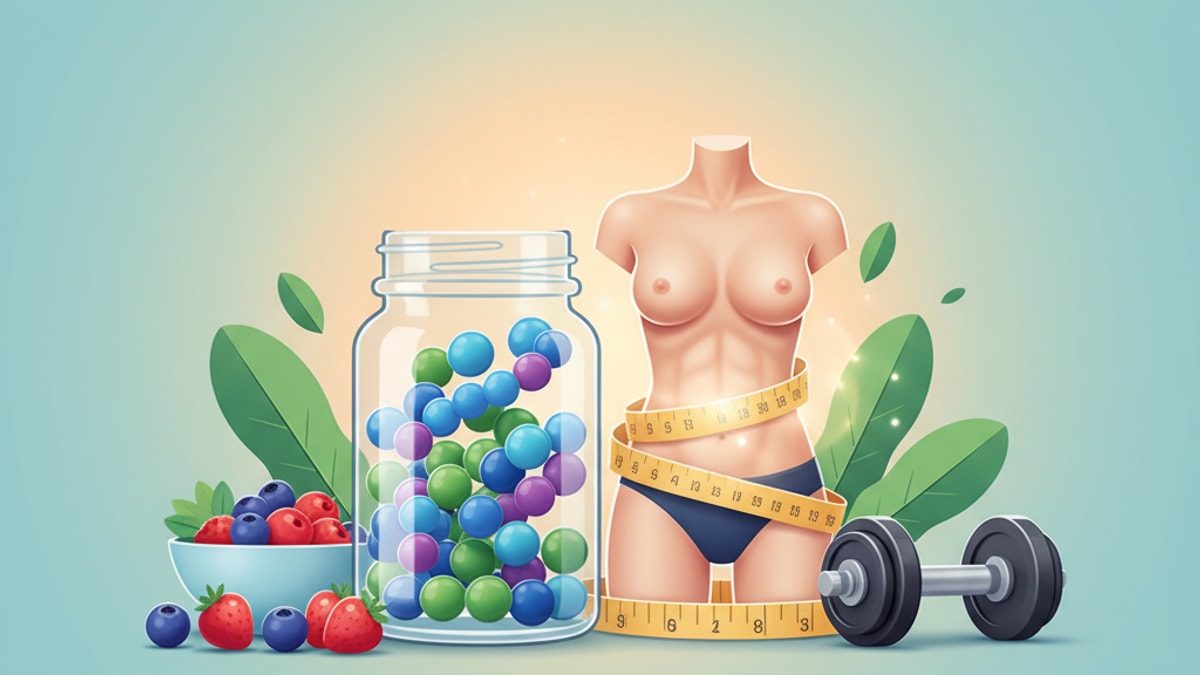
The question comes up a lot in our consultations. Amidst discussions of metabolic science and advanced treatments, someone will lean in and ask, almost conspiratorially, "But what about probiotics? Are probiotics good for weight loss?" It's a fair question. The wellness world is buzzing with talk of gut health, the microbiome, and the seemingly magical power of these 'good bacteria.' You see them advertised everywhere, promising everything from better digestion to a slimmer waistline.
Let's be direct. The connection between your gut and your weight is absolutely real, and it's a field of study our team follows with immense interest. It's a sprawling, complex ecosystem inside you that influences more than you might think. But the leap from 'gut health is important' to 'this specific yogurt will make me lose 10 pounds' is where things get murky. Our job is to cut through that noise. We're not here to sell you on the latest trend; we're here to ground you in the medical science of sustainable weight loss, and that means giving you an unflinching look at what works, what might help, and what's simply a distraction.
First Things First: What is the Gut Microbiome Anyway?
Before we can even touch on weight loss, we need to be on the same page. When we talk about your gut microbiome, we're referring to the trillions of microorganisms—bacteria, viruses, fungi—that live in your digestive tract. Think of it as a bustling, intricate city inside your intestines. For a long time, we thought their job was pretty simple: help digest food. That's it.
We now know that's a wild oversimplification. This internal ecosystem is a critical, non-negotiable element of your overall health. It's a veritable chemical factory that produces vitamins, regulates your immune system, communicates with your brain (the famed 'gut-brain axis'), and yes, plays a formidable role in how your body manages energy and weight. Probiotics, then, are specific strains of live bacteria that, when consumed in adequate amounts, are thought to provide a health benefit. They are the reinforcements you can send in to help bolster the population of beneficial microbes in your gut city. But managing a city is more complex than just sending in a few new citizens.
The Real Connection Between Gut Bacteria and Your Weight
This is where it gets fascinating. The link isn't just one thing; it's a cascade of interconnected factors. Our team has found that understanding these mechanisms helps our patients appreciate the holistic nature of weight management. It's not just about calories; it's about biology.
Here's what the science tells us:
-
Energy Extraction: Some gut bacteria are simply better at extracting calories from the food you eat than others. Two people could eat the exact same meal, but depending on their unique microbiome composition, one person might absorb more calories from it. Research has shown that the gut microbiomes of individuals with obesity often differ significantly from those of lean individuals, sometimes featuring a higher proportion of bacteria from the Firmicutes phylum, which are incredibly efficient at pulling energy from complex carbs.
-
Appetite Regulation: Your gut doesn't just digest; it talks. It communicates with your brain using hormones that control hunger and satiety. Gut bacteria influence the production of hormones like ghrelin (the 'hunger hormone') and leptin (the 'fullness hormone'). A balanced microbiome can help ensure these signals are sent and received correctly, leading to better appetite control. An imbalanced one? It can feel like your hunger signals are constantly haywire. We've seen it work. When gut health improves, patients often report a natural reduction in cravings and a better sense of fullness after meals.
-
Inflammation: Chronic low-grade inflammation is a known accomplice in obesity and metabolic dysfunction. Certain types of gut bacteria can produce compounds, like lipopolysaccharides (LPS), that trigger an inflammatory response when they leak into the bloodstream (a condition often called 'leaky gut'). A healthy gut lining and a balanced microbiome keep these inflammatory triggers contained. Probiotics, particularly certain strains, can help strengthen that gut barrier and produce anti-inflammatory compounds, calming the system down.
-
Fat Storage: Believe it or not, your gut bacteria can even influence where and how your body stores fat. They can impact gene expression related to fat metabolism, essentially telling your body to either burn fat for energy or store it in adipose tissue. It’s a nuanced dance, and having the right choreographers in your gut makes a significant difference.
So, the foundation is there. A healthy gut is undeniably a component of a healthy metabolism. The next logical question is, can we manipulate it with a simple pill?
So, Do Probiotics Actually Cause Weight Loss?
Here’s the million-dollar question. And the honest answer is: maybe, a little, but they are absolutely not a magic bullet.
Let’s look at the evidence. Several studies have explored this, and the results are…mixed. Some specific strains have shown modest promise. For instance, studies on Lactobacillus gasseri have suggested it can help reduce abdominal fat and body weight, though the effects were not dramatic. Similarly, some research involving Lactobacillus rhamnosus and various species of Bifidobacterium has pointed to small but measurable improvements in weight and BMI over several months. It’s a significant, sometimes dramatic shift in understanding, but not in pounds on the scale.
But for every study showing a positive effect, there are others that show no effect at all. Why the discrepancy? Our experience shows it comes down to a few key factors: the specific strains used, the dosage, the duration of the study, and—this is the big one—the individual's baseline gut health and overall lifestyle. Giving a probiotic to someone who already eats a fiber-rich, diverse diet and exercises regularly will have a very different impact than giving it to someone whose diet consists of highly processed foods.
We can't stress this enough: no probiotic supplement can outrun a poor diet or a sedentary lifestyle. It’s like hiring a world-class landscaper to fix your garden but continuing to pour concrete all over the soil. The tool is only as good as the environment it’s placed in.
Our professional observation is this: think of probiotics as a supporting cast member, not the lead actor. They can help create a healthier internal environment that makes your primary weight loss efforts—like dietary changes, exercise, and for many, medical treatments—more effective. They are not, in themselves, a weight loss treatment.
Not All Probiotics Are Created Equal
If you do decide to incorporate probiotics, it’s crucial to understand that walking into a pharmacy and grabbing the first bottle you see is a terrible strategy. The world of probiotics is incredibly nuanced.
It’s becoming increasingly challenging to navigate. You have different sources, different strains, and different dosages (measured in CFUs, or Colony-Forming Units). Making an informed choice is key.
| Probiotic Source | Pros | Cons | Our Team's Take |
|---|---|---|---|
| Supplements (Pills/Capsules) | High CFU counts; targeted strains for specific goals; convenient. | Can be expensive; quality varies wildly; may not survive stomach acid. | Look for multi-strain formulas, enteric coatings to protect bacteria, and reputable brands that guarantee CFU count through the expiration date. |
| Fermented Dairy (Yogurt/Kefir) | Contains live cultures; provides other nutrients like protein and calcium. | Often high in added sugar; CFU count can be lower and less diverse than supplements. | Choose plain, unsweetened versions. Greek yogurt and kefir are excellent choices. Check the label for 'live and active cultures.' |
| Fermented Vegetables (Kimchi/Sauerkraut) | Provides probiotics and prebiotic fiber; adds flavor and diversity to your diet. | Can be high in sodium; requires refrigeration; live culture content can vary. | A fantastic way to support gut health through whole foods. Look for 'unpasteurized' or 'raw' on the label to ensure cultures are alive. |
| Kombucha | A source of beneficial bacteria and yeasts. | Almost always contains sugar (it's food for the yeast); can contain trace amounts of alcohol. | Treat it as a healthier alternative to soda, not a primary health drink. Watch the sugar content closely. |
The TrimrX Perspective: Where Probiotics Fit into a Real Plan
This is where we bring it all together. At TrimrX, our entire focus is on providing powerful, effective, and medically-supervised weight loss solutions. Our patients come to us because they've tried everything else and need a treatment that addresses the fundamental biology of weight regulation. This is what GLP-1 medications like Semaglutide and Tirzepatide do. They work directly on the hormonal pathways that control appetite, satiety, and blood sugar. The results are profound and consistent because the mechanism is potent.
So where do probiotics fit? They are a complementary therapy. A valuable one, but a complementary one nonetheless.
We see it like this: GLP-1 treatments are the engine of the car, providing the power to drive significant, sustainable weight loss. A healthy lifestyle—good nutrition, regular movement, stress management, and yes, a healthy gut—is the high-quality fuel and maintenance that keeps the engine running smoothly for the long haul. You need the engine to get where you're going. The fuel just makes the journey more efficient and sustainable.
Our experience shows that patients who focus on improving their overall gut health often report feeling better during their treatment. They might experience fewer digestive side effects and notice improvements in energy and mood. We encourage a diet rich in fiber and fermented foods because it builds a robust foundation for health. But we are also crystal clear: these are enhancements, not the core treatment. If your goal is substantial weight loss, you need a strategy that targets the core physiological drivers of obesity.
If you’re tired of the cycle of trying things that only offer marginal results and are ready to explore a medical approach grounded in the latest science, we invite you to Take Quiz on our site. It’s the first step to understanding if a program like ours is the right fit for you. For those ready to move beyond the noise and commit to a real solution, you can Start Your Treatment and begin your journey with our medical team's guidance.
Beyond the Probiotic Pill: Building a Resilient Gut
Honestly, the obsession with probiotic supplements can sometimes distract from the bigger picture. Creating a truly healthy gut isn't about popping a pill; it's about cultivating a diverse and thriving internal garden. The best way to do that is to feed the good microbes you already have. This is where prebiotics come in.
Prebiotics are types of dietary fiber that your body can't digest, but your beneficial gut bacteria love to eat. They are the fertilizer for your internal garden. When you consume prebiotics, you're selectively feeding the good guys, helping them multiply and thrive. This is often a more powerful and sustainable strategy than just introducing a few new strains via a supplement.
Where do you find them? In plants. It's that simple.
- High-Fiber Foods: Onions, garlic, leeks, asparagus, bananas (especially slightly green ones), oats, and apples are all fantastic sources.
- Resistant Starch: This is a type of starch that resists digestion and acts like a prebiotic. You can find it in cooked and cooled potatoes, rice, and legumes.
- Dietary Diversity: This is huge. The single greatest predictor of a healthy microbiome is the diversity of plants in your diet. Aim to eat a wide variety of fruits, vegetables, whole grains, nuts, and seeds. Each one feeds a different family of beneficial bacteria. Challenge yourself to try one new plant-based food each week.
When you combine a prebiotic-rich diet with probiotic sources like kefir or kimchi, you create a powerful synergy. You're not just adding new bacteria; you're nourishing the entire ecosystem. That’s the approach we advocate for. It’s sustainable, it’s based on whole foods, and it supports your health in countless ways beyond just the number on the scale.
Probiotics can be a useful piece of a larger health puzzle. They support digestion, bolster the immune system, and may offer a very modest assist in the impossibly complex arena of weight management. But they are not the answer. They are a tool, and a minor one at that when compared to the foundational pillars of nutrition, exercise, and for those who need it, powerful medical interventions.
So, are probiotics good for weight loss? They are good for your health, and a healthy body is one that is better equipped to manage its weight. If you're ready to stop looking for a single magic ingredient and start building a comprehensive, science-backed plan that truly works, it might be time to Start Your Treatment Now. True transformation requires a real strategy, not just a supplement.
Frequently Asked Questions
Can I get enough probiotics from food alone?
▼
Absolutely. For general gut health, consuming a variety of fermented foods like plain yogurt, kefir, kimchi, and sauerkraut is an excellent strategy. Supplements are more for targeting specific health goals with particular bacterial strains.
How long does it take for probiotics to work for weight loss?
▼
The effects of probiotics on weight are typically very modest and appear over several months, not weeks. We stress that they are not a primary weight loss tool and should be part of a much broader health and lifestyle strategy.
Do probiotics help with belly fat specifically?
▼
Some studies involving strains like *Lactobacillus gasseri* have shown a reduction in visceral (belly) fat. However, the results are not dramatic, and spot reduction of fat isn’t possible. A comprehensive weight loss plan is needed for significant changes.
Are there any side effects to taking probiotics?
▼
For most people, probiotics are very safe. Some may experience temporary gas, bloating, or digestive upset when they first start taking them as their gut microbiome adjusts. These symptoms usually subside within a few days.
What does ‘CFU’ mean on a probiotic label?
▼
CFU stands for ‘Colony-Forming Units,’ which indicates the number of viable, live bacteria in a serving. While higher numbers might seem better, the specific strains and their ability to survive in your gut are more important than the CFU count alone.
Should I take a probiotic while on a GLP-1 medication like Semaglutide?
▼
While not a required part of treatment, supporting your gut health is always a good idea. Many of our patients find that a diet rich in probiotic and prebiotic foods helps with overall digestive wellness during their medically-supervised weight loss journey.
Does the brand of probiotic matter?
▼
Yes, quality can vary significantly between brands. We recommend choosing a reputable brand that uses clinically studied strains, guarantees CFU potency through the expiration date, and ideally has third-party testing for purity.
Will probiotics help me if I don’t change my diet?
▼
It’s highly unlikely. Probiotics cannot overcome a poor diet that’s low in fiber and high in processed foods. Think of it as trying to plant a flower in concrete; the environment has to be right for them to thrive and provide any benefit.
Can probiotics make you gain weight?
▼
This is extremely rare and not a typical outcome. The overwhelming body of research points toward either a modest weight loss effect or no effect. Any anecdotal reports of weight gain are likely due to other concurrent lifestyle factors.
What’s the difference between a probiotic and a prebiotic?
▼
Probiotics are the live beneficial bacteria themselves. Prebiotics are the non-digestible fibers (food) that these bacteria eat to grow and thrive. Taking both (or eating foods rich in them) is a powerful combination for gut health.
Are all fermented foods sources of probiotics?
▼
Not necessarily. Processes like baking (sourdough bread) or pasteurization can kill the live cultures. To get probiotic benefits, look for foods labeled ‘live and active cultures’ or products that are raw and unpasteurized, like refrigerated sauerkraut.

Transforming Lives, One Step at a Time
Keep reading

Do You Need a Prescription for GLP-1s? The 2026 Answer
Wondering ‘do you need a prescription for glp 1’ in 2026? Yes. We explain why a doctor’s oversight is critical for safe, effective results.

How to Get GLP-1 Covered By Insurance: Our 2026 Playbook
Struggling with how to get glp-1 covered by insurance? Our 2026 guide breaks down prior authorizations, appeals, and documentation.

Traveling with GLP-1s in 2026: Your Essential Trip-Proof Plan
Don’t let travel disrupt your GLP-1 treatment. Learn how to travel with glp 1 medications safely and stress-free in our 2026 expert guide.


