Can Protein Powder Actually Help You Lose Weight?
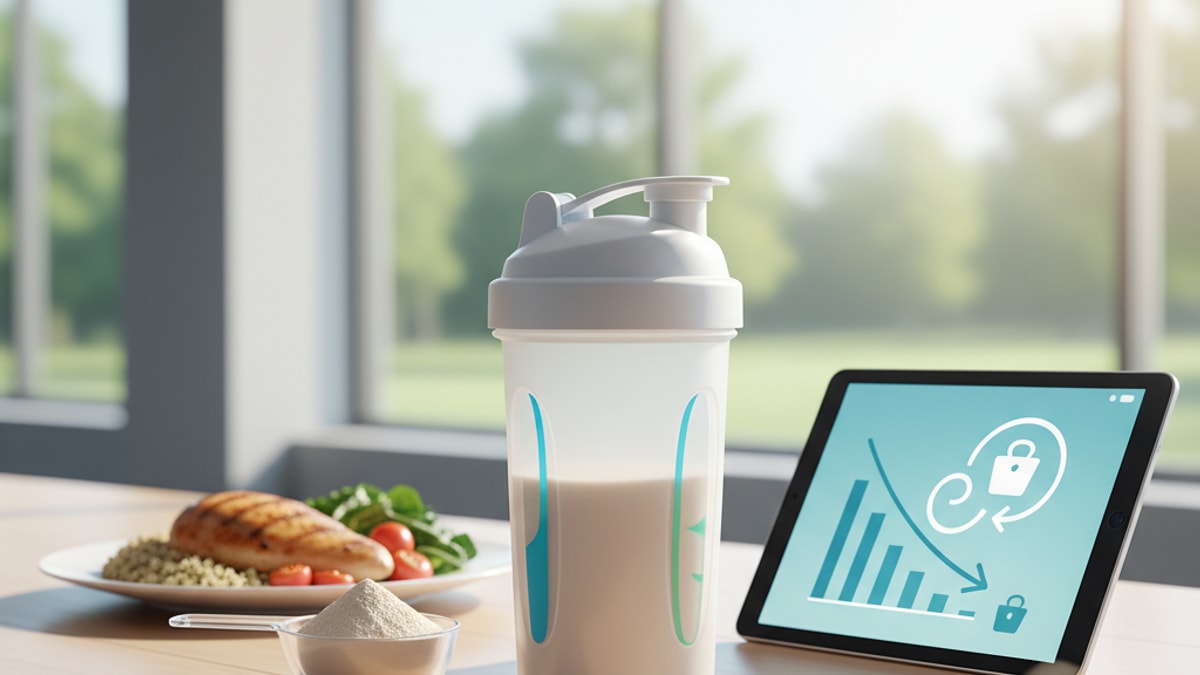
It’s a question our team hears constantly, both from patients in our programs and from people just starting their health journey. You see the sprawling aisles in grocery stores, the targeted ads online, the impossibly fit influencers scooping chalky dust into a shaker bottle. The message is clear: protein powder is a cornerstone of fitness. But when it comes to the difficult, often moving-target objective of weight loss, the question gets a little more complex: are protein powders good for weight loss?
The short answer is yes, they can be an incredibly useful tool. The long answer, the one that actually matters for real, sustainable results, is a lot more nuanced. It’s not about the powder itself, but how you use it within a larger, smarter strategy. Let's be honest, this is crucial. Simply adding protein shakes to your existing diet without changing anything else is a recipe for weight gain, not loss. We've seen it happen. Here, we're going to break down what our decades of collective experience in biotechnology and medically-supervised weight management have taught us about this very topic.
First, Let's Talk About Why Protein is a Big Deal
Before we even touch a scoop, we need to understand why protein is a non-negotiable element of any effective weight loss plan. It’s not just about building muscle in the gym. Its role is far more fundamental, and it works its magic in three significant ways.
First, and perhaps most importantly, is satiety. That's the feeling of fullness and satisfaction after a meal. Of all the macronutrients (protein, fats, and carbs), protein is by far the most satiating. Eating a protein-rich meal or snack helps curb hunger for hours, reducing the likelihood you'll reach for high-calorie, low-nutrient snacks between meals. This isn't just a feeling; it's biochemistry. Protein influences the hormones that control your appetite, like ghrelin (the 'hunger hormone') and peptide YY (a hormone that signals fullness). A high-protein intake helps turn down the volume on hunger signals. It’s a game-changer.
Second, there's the thermic effect of food (TEF). Your body actually burns calories to digest, absorb, and process the nutrients in your food. Protein has a much higher TEF (around 20-30%) compared to carbs (5-10%) and fats (0-3%). This means that for every 100 calories of protein you eat, your body uses 20-30 of those calories just to process it. It sounds small, but over the course of a day and weeks, this metabolic advantage adds up. It’s essentially a small, built-in calorie-burning boost that you get just by prioritizing protein.
And third, there’s muscle preservation. When you're in a calorie deficit to lose weight, your body doesn't just burn fat. It can also break down muscle tissue for energy. This is catastrophic for your metabolism. Muscle is metabolically active tissue, meaning it burns calories even when you're at rest. Losing it slows your metabolism down, making weight loss harder and weight regain more likely once you stop dieting (the dreaded rebound). Adequate protein intake, especially when combined with some form of resistance training, tells your body to burn fat for fuel while preserving that precious, calorie-burning muscle. This is the key to losing fat, not just weight.
So, Where Do Protein Powders Fit In?
Okay, so we've established that protein is your best friend on a weight loss journey. So why not just get it all from whole foods like chicken, fish, eggs, and legumes? You absolutely should. We can't stress this enough: whole food sources should always be your foundation.
But we also live in the real world. A world of demanding schedules, back-to-back meetings, and the relentless pressure to get things done. This is where protein powders stop being a 'bodybuilder thing' and become an incredibly practical tool for everyday people.
Their primary benefit is convenience. It takes 30 seconds to mix a scoop of powder with water or milk. It takes considerably longer to grill a chicken breast or cook a pot of lentils. When you're in a rush, a protein shake can be the difference between hitting your protein goals and grabbing a pastry from the coffee shop. Our experience shows that this convenience factor is a massive, often underestimated, component of long-term adherence to any nutritional plan.
They also offer incredible calorie control. A scoop of whey isolate can provide 25 grams of high-quality protein for around 120 calories. To get that same amount of protein from, say, cheddar cheese, you'd be looking at closer to 300 calories and a significant amount of fat. This precision allows you to increase your protein intake without dramatically increasing your overall calorie consumption. It's a clean, efficient delivery system for the one macronutrient you need most.
Not All Powders Are Created Equal: A Quick Breakdown
Walking into the supplement aisle can be overwhelming. The tubs are huge, the labels are confusing, and the marketing claims are formidable. Let's simplify it. Most protein powders fall into a few key categories, each with its own pros and cons. Understanding the difference is key to choosing the right tool for the job.
We've put together a simple table to help you navigate the options. This is a high-level overview, but it covers the main players you'll encounter.
| Protein Type | Source & Key Feature | Digestion Speed | Best For | Things to Consider |
|---|---|---|---|---|
| Whey Concentrate | Dairy (byproduct of cheese). Contains some fat/lactose. | Fast | Post-workout recovery, general daily use. Most cost-effective. | Not suitable for lactose intolerant individuals. Lower protein-per-calorie. |
| Whey Isolate | Dairy. Filtered to remove most fat and lactose. | Very Fast | Post-workout, individuals sensitive to lactose, strict calorie control. | More expensive than concentrate. Can be too thin for some tastes. |
| Whey Hydrolysate | Dairy. Pre-digested for ultra-fast absorption. | Ultra-Fast | Elite athletes needing rapid recovery. | Most expensive. Often has a bitter taste. Unnecessary for most people. |
| Casein | Dairy (main protein in milk). Forms a gel in the stomach. | Very Slow | Before bed (to prevent muscle breakdown overnight), long periods without food. | Can feel 'heavy'. Not ideal for post-workout. Also a dairy allergen. |
| Soy Protein | Plant-based (soybeans). A complete protein. | Moderate | Vegans/vegetarians, general use. Often used in meal replacement products. | Concerns about phytoestrogens (largely debunked for moderate intake). |
| Pea Protein | Plant-based (yellow split peas). Hypoallergenic. | Moderate | Vegans/vegetarians, people with dairy/soy allergies. Good source of iron. | Not a complete protein on its own (low in methionine). Often blended. |
| Hemp Protein | Plant-based (hemp seeds). Rich in fiber and omega-3s. | Slow | Vegans/vegetarians looking for added fiber and healthy fats. | Lower protein content per scoop. Can have an 'earthy' taste and texture. |
So which one is best? For most people aiming for weight loss, a high-quality whey isolate is an excellent starting point due to its high protein-to-calorie ratio and rapid absorption, making it great for post-exercise recovery. For those who are dairy-free or follow a plant-based diet, a pea and rice protein blend is a fantastic option because it combines two incomplete proteins to create a complete amino acid profile, mimicking the effectiveness of whey.
The Pitfalls: How Protein Shakes Can Sabotage Your Efforts
Now for the reality check. Protein powder isn't a magic wand. In fact, if used improperly, it can completely derail your weight loss goals. We've seen this happen time and again with well-intentioned clients before they came to us.
First, watch out for the hidden calorie bombs. Many commercial protein powders, especially those marketed as 'mass gainers' or 'meal replacements,' are loaded with sugar, maltodextrin, and other high-calorie fillers to make them taste better. A 'lean' protein shake can quickly turn into a high-sugar dessert-in-a-cup. Always, and we mean always, read the nutrition label. Look for a powder with minimal carbs and fats, and ideally, less than 2-3 grams of sugar per serving.
Then there's what you mix it with. Mixing your powder with water is the leanest option. Start using whole milk, fruit juices, heaping spoonfuls of peanut butter, and handfuls of granola, and your 120-calorie shake can easily become a 600-calorie monster. That's fine if you're trying to gain weight, but it's a disaster if you're trying to lose it. Be mindful of your add-ins.
Another major issue is over-reliance. Protein shakes are supplements, designed to supplement a diet of whole foods, not replace it entirely. Whole foods provide fiber, vitamins, minerals, and phytonutrients that you simply can't get from a powder. Replacing too many meals with shakes can lead to nutritional deficiencies and an unhealthy relationship with food. We recommend using a shake for one meal or snack per day, at most, in specific situations like post-workout or a hectic morning.
The Bigger Picture: A Tool, Not The Entire Toolbox
Here’s the core message our team at TrimrX wants you to understand. A protein shake can help manage your appetite. It can boost your metabolism slightly. It can help you retain muscle. These are all good things.
But a protein shake cannot fix the underlying biological factors that make weight loss so challenging. It can't recalibrate your body's set point, the weight your body is comfortable at and fights to maintain. It can't fundamentally rewire the complex hormonal signaling between your gut and your brain that dictates hunger and cravings. It's a helpful tactic, but it is not a comprehensive strategy.
This is where a medically-supervised approach provides a profound advantage. At TrimrX, we utilize advanced treatments like GLP-1 medications (such as Semaglutide and Tirzepatide) that work on a much deeper level. These aren't just about making you feel full for a few hours; they work with your body's natural biology to regulate appetite, reduce 'food noise,' and make it easier to adhere to a lower-calorie diet without feeling constantly deprived. They address the root cause, not just the symptoms.
Think of it this way: protein powder is like making sure your car has good tires. It's important for performance and safety. A medical weight loss program is like having a cutting-edge engine, a sophisticated GPS, and a professional driver. It's the integrated system that actually gets you to your destination efficiently and sustainably. The tires are still important, but they're just one part of a much more powerful machine.
When we design a plan for our patients, we look at the whole picture. Nutrition is a huge part of that, and we often recommend high-quality protein supplements as a tool to help them meet their goals. But it’s in the context of a plan that also includes medical guidance and powerful, science-backed treatments that address the biology of weight. This combination—smart nutritional tactics plus a robust medical strategy—is what creates transformative, long-lasting results. It's about moving beyond simple swaps and embracing a plan that truly works with your body. If you're ready to see what that kind of comprehensive support looks like, you can Start Your Treatment with a simple online assessment.
Making it Work: Your Protein Powder Game Plan
If you decide to incorporate protein powder, let's make sure you do it right. Here’s a simple, effective game plan based on what we've seen work best:
-
Choose Wisely: Opt for a high-quality isolate (whey or a plant-based blend) with minimal sugar and additives. Don't be swayed by flashy marketing; read the nutrition panel. The ingredient list should be short and understandable.
-
Time It Right: The best time is when it serves a specific purpose. Post-workout is classic, as it helps kickstart muscle repair. As a quick breakfast on a busy morning, it's far better than skipping the meal entirely. It can also be a great way to handle a mid-afternoon slump when you might otherwise reach for something from the vending machine.
-
Mix it Smart: For weight loss, mixing with water is your best bet. If you need a creamier texture, unsweetened almond or cashew milk are great low-calorie options. Add a handful of spinach—you won't taste it, and it adds nutrients. Maybe a few berries for fiber and antioxidants. Avoid turning it into a calorie-dense smoothie unless it's a planned, balanced meal replacement.
-
Don't Overdo It: One shake a day is plenty for most people. Two at the absolute maximum, and only if your schedule is particularly grueling. Remember, your goal is to build sustainable habits with whole foods. The shake is your support system, not the main event.
-
Listen to Your Body: Some people experience bloating or digestive discomfort from certain types of protein, particularly whey concentrate if they have a sensitivity to lactose. If you feel unwell after a shake, don't just power through it. Try a different type, like a plant-based powder or a whey isolate, to see if it sits better.
So, are protein powders good for weight loss? Yes, when used correctly, they absolutely are. They are a convenient, effective, and powerful tool for managing hunger, boosting metabolism, and preserving muscle. But they are just one tool in the box. True, lasting weight loss success comes from a holistic approach that addresses nutrition, lifestyle, and, most importantly, the underlying biology of your body. It's about building a system where every piece works together, from the food you eat to the medical support you receive. That's the real path to achieving your goals and, more importantly, maintaining them for life.
Frequently Asked Questions
Can I lose weight just by drinking protein shakes?
▼
No, simply adding protein shakes to your diet without making other changes will likely lead to weight gain. They are a tool to be used within a calorie-controlled diet to help you meet protein goals, manage hunger, and preserve muscle, not a magic solution on their own.
Will protein powder make me bulky?
▼
This is a common myth, especially among women. Gaining significant muscle mass (or ‘bulk’) requires a combination of a calorie surplus and intense, heavy resistance training. A single protein shake per day in a calorie deficit will support lean muscle, not make you bulky.
When is the best time to drink a protein shake for weight loss?
▼
The best time is when it helps you stick to your plan. Post-workout is great for recovery, but using it as a quick breakfast or a mid-afternoon snack to prevent unhealthy choices can be just as effective for overall calorie control and hunger management.
How much protein do I need per day for weight loss?
▼
A general guideline for active individuals looking to lose fat while preserving muscle is around 1.2 to 1.6 grams of protein per kilogram of body weight. However, this can vary, and it’s best to consult with a healthcare professional for personalized advice.
Is whey protein better than plant-based protein for weight loss?
▼
Whey protein is absorbed very quickly and has a complete amino acid profile, making it slightly superior for muscle synthesis right after a workout. However, high-quality plant-based blends (like pea and rice) are also highly effective and are an excellent choice, especially for those with dairy sensitivities.
Can I use protein powder to replace a meal?
▼
You can, but it should be done thoughtfully. To be a true meal replacement, the shake should include a source of fiber (like chia seeds or spinach) and healthy fats (like a small amount of avocado or almond butter) to provide more balanced nutrition and keep you full longer.
Are expensive protein powders worth the money?
▼
Not necessarily. The price is often dictated by the level of filtration (isolate is more expensive than concentrate) and branding. Look for third-party tested brands with a simple ingredient list rather than assuming a higher price means higher quality.
What should I look for on the nutrition label?
▼
For weight loss, prioritize high protein content (20-25g per serving), low sugar (under 3g), and low carbohydrates and fats. The shorter and more recognizable the ingredient list, the better.
Do I need protein powder if I’m using a GLP-1 medication like Semaglutide?
▼
While GLP-1 medications are powerful tools for appetite regulation, maintaining adequate protein intake is still critical to ensure you’re losing fat, not muscle. A protein powder can be a very convenient way to meet your protein goals while on a reduced-calorie diet.
Can protein powder cause kidney problems?
▼
For individuals with healthy, functioning kidneys, a high-protein diet is generally considered safe. The myth that it causes kidney damage has been largely debunked. However, if you have pre-existing kidney disease, you should absolutely consult your doctor before increasing your protein intake.
What’s the difference between whey isolate and concentrate?
▼
Whey isolate goes through an extra filtering process to remove most of the lactose and fat, resulting in a higher protein percentage per calorie. Concentrate is less processed and contains more of these components, which can be an issue for those with lactose sensitivity.
Can kids or teenagers use protein powder for weight management?
▼
This should only be done under the guidance of a pediatrician or registered dietitian. Young people’s nutritional needs are different, and it’s crucial to ensure they are developing healthy, whole-food-based eating habits first and foremost.

Transforming Lives, One Step at a Time
Keep reading

Do You Need a Prescription for GLP-1s? The 2026 Answer
Wondering ‘do you need a prescription for glp 1’ in 2026? Yes. We explain why a doctor’s oversight is critical for safe, effective results.

How to Get GLP-1 Covered By Insurance: Our 2026 Playbook
Struggling with how to get glp-1 covered by insurance? Our 2026 guide breaks down prior authorizations, appeals, and documentation.

Traveling with GLP-1s in 2026: Your Essential Trip-Proof Plan
Don’t let travel disrupt your GLP-1 treatment. Learn how to travel with glp 1 medications safely and stress-free in our 2026 expert guide.


