Protein & Weight Loss: Are Powders Really the Answer?
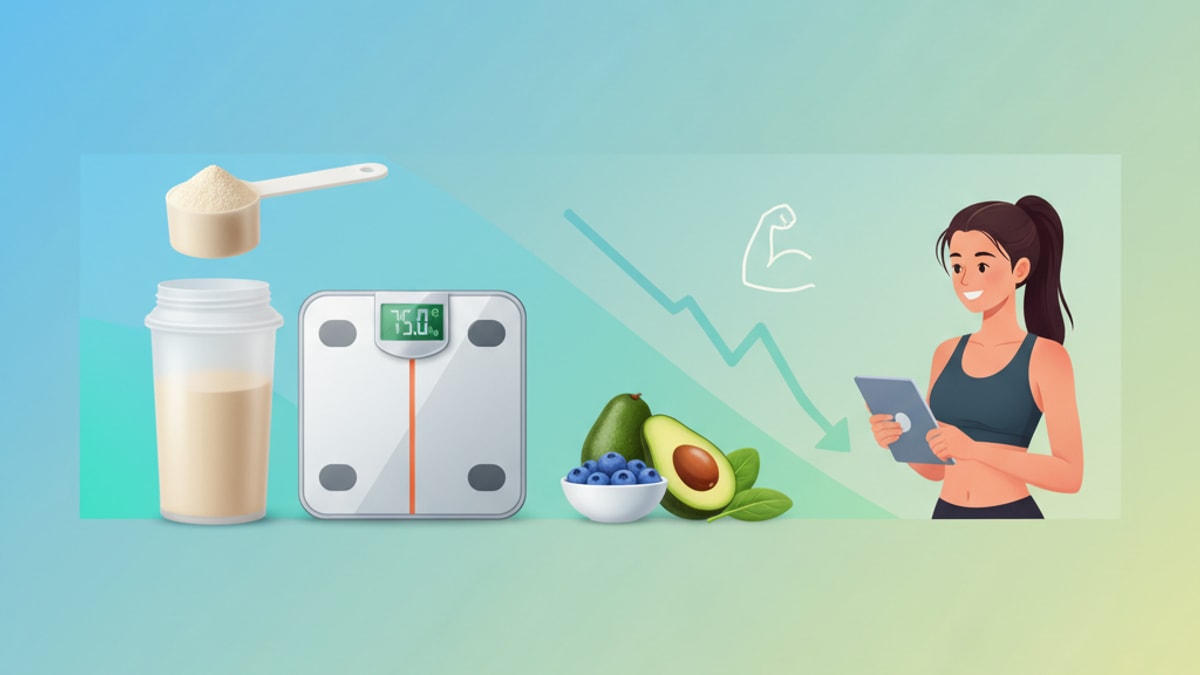
It’s a question our team hears all the time, whispered in consultations and typed into search bars late at night: are protein powders good for weight loss? You’ve seen them. Giant, colorful tubs lining the aisles, promising lean muscle, effortless fat loss, and a quick fix to complex nutritional challenges. They feel like a solution. A simple, mixable answer to a difficult, often moving-target objective.
Let’s be honest, the appeal is powerful. In a world of demanding schedules and high expectations, the idea of a fast, protein-packed meal replacement or recovery drink is incredibly tempting. But the sprawling, often contradictory information online can leave you feeling more confused than confident. One article claims it's the key to unlocking your metabolism; another warns of hidden sugars and kidney damage. So, what's the real story? We're here to cut through the noise with an unflinching look at the role of protein powder in a serious weight loss strategy. It's not about hype; it's about biology, strategy, and understanding how to use tools effectively.
The Big Question: Are Protein Powders Good for Weight Loss?
Let's get right to it. The short answer is yes, they can be. But that 'yes' comes with some massive, non-negotiable caveats. Thinking of protein powder as a magic bullet is a catastrophic mistake. It's a tool, and like any tool, its effectiveness depends entirely on how, when, and why you use it.
We’ve seen it work. We've also seen it backfire spectacularly.
The real power of protein powder in a weight loss context isn't about the powder itself. It’s about the protein. When used strategically, supplementing with a high-quality powder can help you consistently hit your daily protein targets, which is a critical, non-negotiable element of any successful fat loss plan. It’s a convenient way to shore up your nutritional foundation, especially when you’re busy or struggling to get enough protein from whole food sources alone.
However, a scoop of powder doesn't cancel out poor dietary choices, a lack of physical activity, or underlying metabolic issues. It's an accelerator, not a steering wheel. It can help you get to your destination faster if you’re already pointed in the right direction. If you’re not, it can just as easily send you further off course, adding unnecessary calories and creating a false sense of security. The distinction is everything.
How Protein Actually Fuels Fat Loss (It's Not Magic)
To understand why protein powder can be an asset, you first have to appreciate what protein itself does for your body during a weight loss phase. It’s a formidable ally for three specific, science-backed reasons. Our team often explains it to patients as a three-pronged defense against the challenges of a calorie deficit.
First, there’s the Thermic Effect of Food (TEF). This sounds complex, but the concept is simple. Your body has to burn calories to digest, absorb, and process the nutrients in your food. Protein has a much higher TEF than carbohydrates or fats. Roughly 20-30% of the calories from protein are burned off during digestion. For carbs, it’s about 5-10%, and for fats, it’s a mere 0-3%. So, by shifting your calorie intake to favor protein, you’re inherently giving your metabolism a small but significant boost throughout the day. It’s not a giant leap, but these little advantages add up over weeks and months.
Second—and this is arguably the most important factor—is satiety. Protein is incredibly filling. It triggers the release of hormones like PYY and GLP-1 (a hormone we know a lot about here at TrimrX) that signal to your brain that you're full. This is a game-changer. Feeling hungry and deprived is the number one reason people abandon their weight loss efforts. A protein-rich meal or shake can keep you feeling satisfied for hours, crushing cravings and making it profoundly easier to stick to your calorie goals. It’s about appetite control, which is the bedrock of sustainable weight management.
Finally, there’s muscle preservation. When you lose weight, your body doesn't just burn fat; it can also break down precious muscle tissue for energy. This is bad news, as muscle is metabolically active tissue. The more muscle you have, the more calories you burn at rest. A high protein intake, especially when combined with resistance training, provides the building blocks (amino acids) your body needs to repair and maintain muscle mass, even while you’re in a calorie deficit. This ensures that the weight you're losing is primarily fat, not muscle. This approach (which we've refined over years) delivers real, lasting results in body composition, not just a lower number on the scale.
Choosing Your Weapon: A Breakdown of Protein Powder Types
Navigating the supplement aisle can feel like decoding an ancient language. Whey, casein, isolate, plant-based… what’s the difference? Each type has its own unique profile, and the right choice depends on your goals, digestion, and dietary preferences. We've put together a quick comparison to demystify the options.
| Protein Type | Primary Source | Digestion Speed | Best For | Considerations |
|---|---|---|---|---|
| Whey Concentrate | Dairy (Milk) | Fast | Post-workout recovery, general daily use. A good starting point. | Contains lactose and some fat/carbs. May cause digestive issues for some. |
| Whey Isolate | Dairy (Milk) | Very Fast | Post-workout, individuals with lactose sensitivity. Low in fat/carbs. | More processed and typically more expensive than concentrate. |
| Casein | Dairy (Milk) | Very Slow | Before bed or between meals to provide a sustained release of amino acids. | Forms a gel in the stomach, which can feel heavy. Not ideal for post-workout. |
| Soy Protein | Soybeans | Moderate | Plant-based option, contains all essential amino acids (a complete protein). | Concerns about phytoestrogens exist, though often overstated in moderation. |
| Pea Protein | Yellow Peas | Moderate | Excellent hypoallergenic, plant-based option. Rich in iron. | Can have a distinct earthy taste and is not a complete protein on its own. |
| Hemp Protein | Hemp Seeds | Moderate | Plant-based option rich in fiber and healthy fats (omega-3 and omega-6). | Lower protein content per scoop compared to others. Gritty texture. |
Our professional observation? For most people focused on weight loss, a high-quality whey isolate is an impeccable choice due to its high protein-to-calorie ratio and low lactose content. For those following a plant-based diet or with dairy allergies, a blend of pea and rice protein is often recommended to ensure a complete amino acid profile, mimicking the benefits of whey.
The Hidden Pitfalls: When Protein Powders Sabotage Your Goals
This is where the conversation gets real. We can't stress this enough: not all protein powders are created equal. Many products on the market are little more than glorified milkshakes, packed with ingredients that can actively undermine your weight loss efforts.
First and foremost: added sugar. It's shocking how many popular brands load their formulas with sugar, fructose, or high-fructose corn syrup to improve the taste. A single scoop can contain as much sugar as a candy bar, sending your blood sugar on a rollercoaster and contributing a hefty dose of empty calories. This completely negates the satiety benefits of the protein. Always, always read the label. We recommend looking for products with 2 grams of sugar or less per serving.
Then there are the fillers and artificial ingredients. Thickeners like xanthan gum, artificial sweeteners like sucralose and acesulfame potassium, and various other chemical additives are commonplace. While they may not add calories, they can cause digestive distress, bloating, and gas in many individuals. For some people, these sweeteners can even trigger cravings for more sweet foods. It’s a sneaky trap.
Another major pitfall is what we call 'calorie blindness.' It's easy to mindlessly gulp down a 300-calorie shake and not register it as a significant part of your daily intake, unlike a solid meal. People often add their protein scoop to an already calorie-dense smoothie with milk, fruit, nut butter, and oats, turning a simple supplement into a 600-calorie dessert. If you're not meticulous about tracking what goes into your shaker bottle, you can easily drink back all the calories you worked so hard to burn.
Practical Application: How Our Team Recommends Using Protein Powder
Alright, so how do you use this tool correctly? It comes down to intention and timing. Here’s a simple framework our experts often share.
As a Meal Supplement, Not a Replacement: We rarely advise replacing whole food meals with protein shakes entirely. Whole foods offer a complex matrix of fiber, micronutrients, and phytochemicals that you simply can't get from a powder. However, a shake can be a fantastic supplement to a meal. For example, if your breakfast is typically a carb-heavy bagel or cereal, adding a simple protein shake (just powder and water/unsweetened almond milk) alongside it can balance the meal, boost satiety, and keep you full until lunch.
The Post-Workout Window: This is the classic use case. Consuming a fast-digesting protein like whey isolate within an hour or two after a workout can help kickstart the muscle repair and recovery process. This is particularly important if you're engaging in resistance training to preserve muscle mass during weight loss.
The 'Emergency' Snack: This is one of our favorite strategies for busy professionals. Keep a shaker bottle and a single-serving packet of protein powder in your desk, car, or bag. When that 3 p.m. craving for something from the vending machine hits, having a quick, 120-calorie protein shake can be the perfect intervention. It satisfies hunger, stabilizes blood sugar, and prevents you from making a poor food choice you'll regret later. It's a proactive strategy, not a reactive one.
What should you mix it with? For weight loss, simplicity is key. Water is the best choice as it adds zero calories. Unsweetened almond milk is another great low-calorie option that adds a bit of creaminess. Steer clear of fruit juices and whole milk, which can dramatically increase the calorie and sugar content.
Beyond the Scoop: Why Powder Is Only One Piece of the Puzzle
Now, this is where it gets interesting. While optimizing your protein intake is a critical tactic, it's just that—a tactic. True, sustainable, and life-changing weight loss requires a comprehensive strategy that addresses the underlying biology of appetite, metabolism, and behavior. This is the core of our philosophy at TrimrX.
Protein powders can help you feel fuller. That's fantastic. But what if you could fundamentally recalibrate your body's own hunger and satiety signals? This is precisely what modern medical advancements, like GLP-1 receptor agonists, are designed to do. Medications such as Semaglutide and Tirzepatide work with your body's natural systems to regulate appetite at the source. They amplify the very same hormonal signals that protein helps to trigger, making appetite control feel less like a battle of willpower and more like an automatic process.
Our experience shows that when your biology is working with you instead of against you, nutritional tools like protein powder become exponentially more effective. You're no longer using a protein shake to fight off relentless hunger; you're using it to strategically fuel your body within a system that is already balanced and regulated. The mental burden is lifted. The constant food noise quiets down. This allows you to focus on building healthy habits for the long term, rather than just surviving from one meal to the next.
This integrated approach is the future of weight management. It’s not about choosing between diet, exercise, or medical treatment. It's about intelligently combining them. A medically-supervised program can provide the powerful biological foundation, while smart nutritional strategies, like properly timing your protein intake, build upon that success. If you're curious about how this synergistic approach could transform your own journey, we invite you to Take Quiz on our site. It's the first step toward a more holistic plan.
For those who feel they've tried everything—from counting every calorie to endless cardio—and are still struggling, it might be time to consider a strategy that addresses the root physiological drivers of weight. You can Start Your Treatment with a plan tailored by medical experts to your unique biology. It's about moving beyond just tools and embracing a complete system.
Red Flags to Watch For on Nutrition Labels
Knowledge is your best defense against clever marketing. When you pick up a tub of protein powder, ignore the flashy claims on the front and turn it over to the Nutrition Facts panel and ingredient list. Here’s what to scan for:
- Proprietary Blends: This is a huge red flag. It’s a term companies use to hide the exact amounts of each ingredient in their formula. You have no idea if you're getting mostly high-quality protein or cheap fillers. We recommend avoiding these entirely.
- Protein Spiking (Amino Spiking): Some unscrupulous companies add cheap, non-protein amino acids like glycine or taurine to their powders. These compounds register as nitrogen in lab tests, artificially inflating the protein content listed on the label. Look for a clear amino acid profile or third-party testing seals (like NSF or Informed-Sport) to ensure quality.
- Long Ingredient Lists: A good protein powder should have a short, simple ingredient list. Protein (whey, pea, etc.) should be the very first ingredient. If you see a long list of chemicals you can't pronounce, it’s likely filled with unnecessary additives.
- Serving Size vs. Protein Content: Pay close attention to the serving size. A massive 45-gram scoop that only provides 20 grams of protein is inefficient. A quality product will deliver 20-25 grams of protein in a scoop size of around 30 grams. Aim for a product that is at least 75-80% protein by weight.
Ultimately, protein powder is a supplement, intended to supplement a diet rich in whole, unprocessed foods. It's a fantastic convenience and a powerful tool for hitting your protein goals, preserving muscle, and controlling hunger. But it is not, and never will be, a replacement for a sound nutritional strategy and a healthy lifestyle. Use it wisely, choose your product carefully, and see it as one component of a much bigger, more important picture of your health. Your journey is unique, and the right plan will always be the one that addresses your body, your biology, and your life in a complete, integrated way.
Frequently Asked Questions
Can I lose weight just by drinking protein shakes?
▼
It’s highly unlikely. While shakes can help control hunger and contribute to a calorie deficit, sustainable weight loss requires a balanced diet of whole foods, physical activity, and healthy habits. Relying solely on shakes is not a balanced or long-term solution.
Will protein powder make me bulky?
▼
No, this is a common myth. Gaining significant muscle mass (bulk) requires a combination of a calorie surplus and intensive, heavy resistance training. A single protein shake used for weight loss will support lean muscle preservation, not cause unwanted bulk.
What’s the best time of day to have a protein shake for weight loss?
▼
The best time is when it helps you the most. Many find it effective post-workout to aid recovery, or as a mid-afternoon snack to prevent cravings and overeating at dinner. The key is using it to manage hunger and meet your daily protein goals.
Can protein powder replace a meal?
▼
While it can work in a pinch, we generally don’t recommend regularly replacing whole-food meals with shakes. Shakes lack the fiber, micronutrients, and overall nutritional complexity of a balanced meal, which is crucial for long-term health.
Is more protein always better for weight loss?
▼
Not necessarily. There’s a point of diminishing returns. We recommend aiming for around 1.2 to 1.6 grams of protein per kilogram of your target body weight. Exceeding this significantly just adds extra calories without providing much additional benefit for muscle preservation or satiety.
Are expensive protein powders worth the money?
▼
Often, yes. Higher-priced powders typically use better filtration methods (like for whey isolate), resulting in a higher protein content with fewer carbs, fats, and lactose. They are also more likely to have third-party testing for quality and purity.
Can I use protein powder if I’m on a GLP-1 medication like Semaglutide?
▼
Absolutely. In fact, it can be a very synergistic combination. Since GLP-1 medications reduce appetite, ensuring you get adequate, high-quality protein is vital for preserving muscle mass. A protein supplement can be an easy way to meet those needs.
What’s the difference between whey concentrate and isolate?
▼
Whey isolate goes through an additional filtering process to remove most of the lactose, fat, and carbohydrates. This results in a higher percentage of protein per scoop, making it a better choice for those with lactose sensitivity or on a strict low-carb diet.
Are plant-based protein powders as effective as whey?
▼
They can be. While many individual plant proteins are ‘incomplete’ (lacking all essential amino acids), most commercial plant-based powders are blends (like pea and rice) that provide a complete amino acid profile, making them just as effective as whey for muscle support.
Does protein powder cause kidney damage?
▼
For individuals with healthy, functioning kidneys, a high protein intake from powders and food is perfectly safe. This concern is primarily relevant for those with pre-existing kidney disease, who should consult their doctor about appropriate protein levels.
Can I mix protein powder with just water?
▼
Yes, and for weight loss, it’s often the best way. Mixing with water ensures you’re getting the protein without adding any extra calories, sugars, or fats from milk or juice. Modern powders mix much better in water than older formulas did.
How do I choose a protein powder that tastes good?
▼
Taste is subjective, but reading reviews can help. We also suggest buying a small container or single-serving packets to try a brand before committing to a large tub. Simple flavors like chocolate or vanilla are often more versatile than exotic ones.

Transforming Lives, One Step at a Time
Keep reading

Do You Need a Prescription for GLP-1s? The 2026 Answer
Wondering ‘do you need a prescription for glp 1’ in 2026? Yes. We explain why a doctor’s oversight is critical for safe, effective results.

How to Get GLP-1 Covered By Insurance: Our 2026 Playbook
Struggling with how to get glp-1 covered by insurance? Our 2026 guide breaks down prior authorizations, appeals, and documentation.

Traveling with GLP-1s in 2026: Your Essential Trip-Proof Plan
Don’t let travel disrupt your GLP-1 treatment. Learn how to travel with glp 1 medications safely and stress-free in our 2026 expert guide.


