Quest Bars for Weight Loss: The TrimrX Team Weighs In
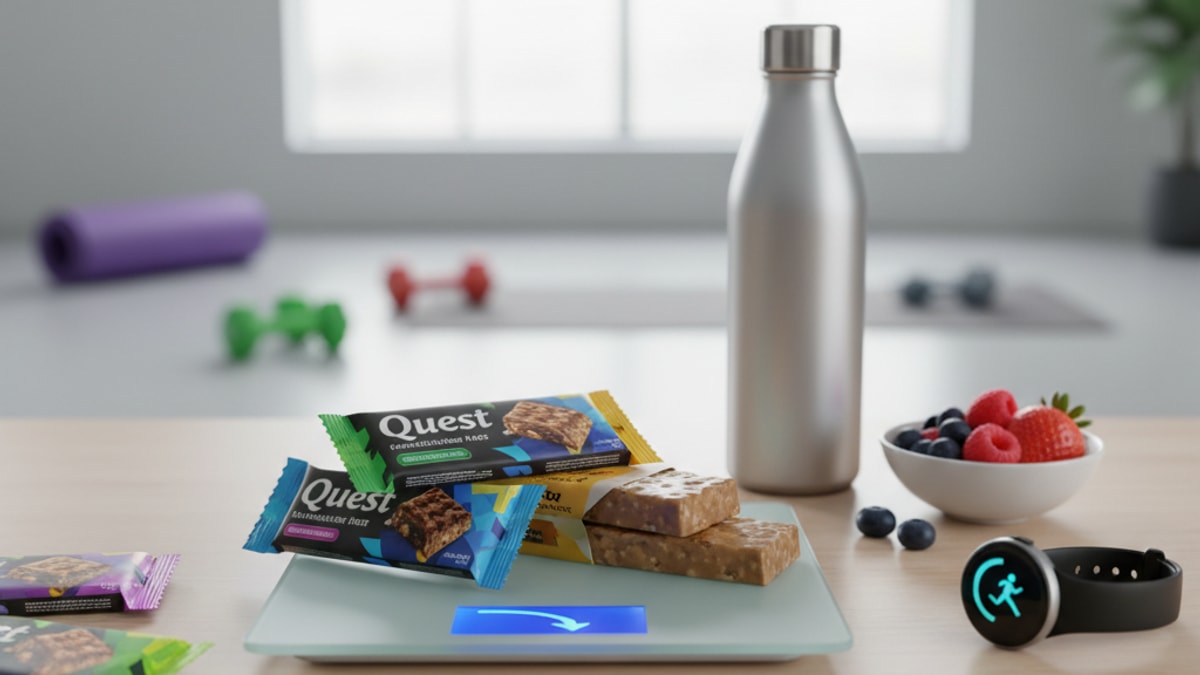
You’re standing in the checkout line, and there it is. The wall of protein bars. It's a sprawling, colorful display of promises—muscle gain, low sugar, meal replacement, guilt-free indulgence. And right in the middle, you almost always see the familiar, bold wrapper of a Quest Bar. You've heard they're a 'good' choice, especially if you're trying to lose weight. So you grab one. It feels like a responsible decision.
But is it? Here at TrimrX, our team spends every day navigating the complexities of weight loss, metabolism, and nutrition, not just from a dietary perspective, but from a deep, biological one. We work with patients leveraging powerful tools like GLP-1 medications to fundamentally reset their metabolic health. So when we look at a food product, we see more than just a nutrition label. We see its potential impact on hormones, satiety signals, gut health, and long-term habits. The question, 'are Quest Bars good for weight loss?' isn't a simple yes or no. It's a far more nuanced, and frankly, more important conversation.
What's Actually Inside a Quest Bar? A Nutritional Deep Dive
Before we can judge its role, we have to understand what we're working with. Let's be clinical for a moment and dissect a typical Quest Bar. On the surface, the macronutrient profile is impressive and clearly engineered to appeal to the health-conscious consumer. It’s what has made them so incredibly popular.
A standard Chocolate Chip Cookie Dough bar, for instance, typically contains around 200 calories, 21 grams of protein, 9 grams of fat, and a headline-grabbing 4 grams of net carbs. This is the magic formula that catches everyone’s eye. But the story is in the details, and our experience shows the details are what truly matter for sustainable results.
-
The Protein: The primary protein source is usually a blend of milk protein isolate and whey protein isolate. These are high-quality, complete proteins that are easily absorbed by the body. From a pure protein standpoint, this is a solid checkmark. Protein is critical for weight loss—it promotes satiety (the feeling of fullness), helps preserve lean muscle mass during a calorie deficit, and has a higher thermic effect of food, meaning your body burns more calories digesting it compared to fats or carbs.
-
The Fiber: This is where things get interesting. A single bar can pack a whopping 14 grams of fiber, primarily from soluble corn fiber (some formulations use other sources like isomalto-oligosaccharides). This massive fiber content is how they achieve such a low 'net carb' count. The formula is Total Carbs – Fiber – Sugar Alcohols = Net Carbs. This fiber is meant to feed good gut bacteria and, more importantly for our discussion, slow down digestion and increase feelings of fullness. It’s a key part of their appeal.
-
The Sweeteners: To keep sugar low (usually just 1 gram), Quest Bars rely on alternative sweeteners. You'll typically find a combination of erythritol, sucralose, and/or stevia. Erythritol is a sugar alcohol that is mostly unabsorbed by the body, so it contributes sweetness without a significant calorie or blood sugar impact. Sucralose is a high-intensity artificial sweetener. We're not here to demonize these ingredients, but it's crucial to recognize they are part of what makes the bar an ultra-processed food product. Some people are highly sensitive to them, which we'll get into.
So, the blueprint is clear: high protein, high fiber, low net carbs, low sugar. On paper, it looks like a weight loss dream. It seems to tick all the boxes. But our bodies don't run on paper.
The Case For Quest Bars in a Weight Loss Plan
Let's give credit where it's due. In certain situations, a Quest Bar can absolutely be a strategic tool. We've seen patients successfully use them to navigate tricky scenarios that might have otherwise derailed their progress. We can't stress this enough: context is everything.
First, there's the undeniable convenience. Life is messy and unpredictable. You're stuck in traffic, a meeting runs late, you're traveling through an airport filled with Cinnabons and Sbarros. In that moment, having a Quest Bar in your bag can be the difference between a 200-calorie, high-protein snack and a 700-calorie, high-sugar disaster. It’s a pragmatic choice for damage control. We call this 'strategic substitution.' It's not the ideal meal, but it's monumentally better than the alternative.
Second, they can be a legitimate lifesaver for hitting protein targets. Consuming adequate protein (often upwards of 1.2-1.6 grams per kilogram of body weight) is a non-negotiable element of effective weight loss. It's what keeps you full and protects your metabolism-driving muscle. But getting that much protein from whole foods can be challenging, especially for busy people. A bar that delivers 20+ grams of protein can help bridge that gap on a day when your meals were a bit light on protein. Simple as that.
Finally, for those who struggle with a powerful sweet tooth, a Quest Bar can satisfy a craving in a more controlled way than a candy bar or a pint of ice cream. The combination of sweetness and protein can quell a craving without the catastrophic blood sugar spike that follows a traditional dessert. It can feel like a treat, a psychological win that keeps you on track. This mental component of a weight loss journey should never be underestimated.
The Unflinching Truth: Where Quest Bars Fall Short
Now, for the other side of the coin. And this is the side our team at TrimrX believes is more critical for long-term, sustainable health. While a Quest Bar can be a useful tool in a pinch, relying on them regularly introduces some significant, often overlooked, problems.
The biggest issue is simple. It's an ultra-processed food (UPF).
Let's be clear about what this means. It isn't just 'processed' like canned beans or pasteurized milk. A UPF is a product made from substances extracted from foods (like protein isolates, corn fiber) and synthesized in labs. It's an assembly of parts, engineered for hyper-palatability and long shelf life. The growing body of scientific literature on UPFs is, frankly, alarming. Consistent consumption is linked to weight gain, metabolic dysfunction, and a host of other chronic health issues, even when the macros appear 'healthy.'
Why? For one, they displace whole foods. Every time you choose a Quest Bar, you're not choosing an apple, a handful of almonds, a hard-boiled egg, or a cup of Greek yogurt. Those whole foods provide a complex symphony of micronutrients—vitamins, minerals, antioxidants, phytonutrients—that your body needs to function optimally. A processed bar, stripped down to its core macros, simply cannot compete on nutrient density. This is a massive trade-off that many people miss. You might be hitting your protein goal, but you're potentially creating a micronutrient deficit.
Then there's the digestive toll. We've heard it from countless individuals. The massive dose of soluble corn fiber and sugar alcohols can be a recipe for digestive distress. For many, it leads to uncomfortable gas, bloating, and cramping. Your gut microbiome is a delicate ecosystem, and flooding it with a huge amount of a single, highly processed fiber source isn't always the best strategy. A healthy gut thrives on a variety of fibers from different plant sources.
Finally, there's the psychological trap of the 'health halo.' Because the bar is marketed as 'healthy,' it's easy to rationalize eating them when you're not truly hungry, or to have two instead of one. It can disconnect you from your body's natural hunger and satiety cues. Instead of asking, 'Am I hungry?', you ask, 'Can I fit this into my macros?' That's a subtle but significant mindset shift that can undermine intuitive eating and long-term success. True metabolic health, the kind we foster in our programs at TrimrX, involves healing that connection with your body's signals, not overriding them with engineered food products.
A Comparison: Quest Bar vs. Whole Food Snacks
To make this tangible, let's put a Quest Bar head-to-head with a couple of simple, whole-food snack alternatives. The numbers might surprise you.
| Snack Option | Calories (Approx) | Protein (g) | Fiber (g) | Sugar (g) | Micronutrient Quality | Satiety Factor | Processing Level |
|---|---|---|---|---|---|---|---|
| Quest Bar (Cookie Dough) | 200 | 21 | 14 | 1 | Low | High (Short-term) | Ultra-Processed |
| 1 Cup Greek Yogurt + Berries | 180 | 20 | 4 | 9 (Natural) | High (Vitamins, Calcium, Antioxidants) | High (Sustained) | Minimally Processed |
| 2 Hard-Boiled Eggs + Apple | 230 | 12 | 4 | 19 (Natural) | High (Choline, Vitamin D, Polyphenols) | High (Sustained) | Whole Food |
| 1/4 Cup Almonds + Beef Jerky | 260 | 16 | 4 | 2 | High (Vitamin E, Magnesium, Iron) | Very High | Minimally Processed |
As you can see, you can achieve similar (or even better) calorie and protein profiles with whole foods. But the real win for the whole-food options is the column that isn't on a nutrition label: micronutrient quality. That's where you get the vitamins, minerals, and anti-inflammatory compounds that support overall health, energy levels, and metabolic function. The satiety from whole foods also tends to be more sustained and 'natural' feeling, without the potential for the digestive upset that can come from the processed bar.
The TrimrX Perspective: Integrating Tools vs. Building a Foundation
This brings us to the core of our philosophy at TrimrX. We believe in using the most effective tools available to help our patients achieve profound, lasting weight loss. That’s why we specialize in medically-supervised programs using advanced GLP-1 medications like Semaglutide and Tirzepatide. These treatments are revolutionary because they don't just ask for more willpower; they work on a fundamental biological level to regulate appetite, improve insulin sensitivity, and reset the body's metabolic 'set point.'
They create the foundation.
And on that strong foundation, you build a structure of healthy, sustainable habits. A Quest Bar is not part of that foundation. It can, however, be a piece of temporary scaffolding you use on a particularly difficult day. It's a tool, not a cornerstone.
Our patients on GLP-1 treatments often find their cravings for hyper-palatable, sweet, and processed foods naturally diminish. Their bodies begin to prefer nutrient-dense, whole foods because their hormonal signaling is finally working correctly. In this state, a Quest Bar loses much of its appeal. It might still serve a purpose for convenience, but it's no longer a crutch to manage runaway cravings or hunger. The medication is handling the heavy lifting of appetite regulation, freeing up the patient to focus on nourishing their body with high-quality foods.
This is the crucial distinction. So many weight loss approaches are about white-knuckling your way through the day, using tools like protein bars to fight off cravings. Our approach is different. We address the root biological drivers of those cravings. Once those are managed, making healthier choices becomes exponentially easier. It becomes the natural path. For those who feel they're stuck in that cycle of cravings and quick fixes, it's time to consider a more powerful, foundational approach. If you're ready to move beyond just managing snacks and truly want to address the biology of weight, we believe this is the moment to Start Your Treatment.
So, Are Quest Bars Good for Weight Loss? The Final Verdict
Let’s circle back to the original question. After breaking it all down, our team's answer is this: Quest Bars are not 'good' or 'bad' for weight loss. They are a powerful tool with a very specific and limited use case.
They can be an acceptable, and sometimes even smart, choice when you are in a bind and the alternative is something far worse for your goals. They can help you hit a protein macro on a day you've fallen short. They are a form of harm reduction in a world full of dietary landmines.
However, they should never be a staple in your diet. They are not a replacement for the nutritional superiority and metabolic benefits of whole, unprocessed foods. Relying on them daily means you're missing out on vital micronutrients and potentially setting yourself up for digestive issues and a psychological dependence on engineered 'health' foods. They are a supplement to a good diet, not a substitute for one.
The ultimate goal isn't just to lose weight. It's to build a healthy, resilient body with a well-functioning metabolism. That is achieved by prioritizing lean proteins, healthy fats, and an abundance of fiber from vegetables, fruits, and whole grains. It's achieved by healing your relationship with food and your body's own internal signals. And for many, it's achieved most effectively when supported by medical interventions that correct the underlying biology.
Think of it this way: a hammer is a great tool for building a house, but you can't live in a pile of hammers. Use the Quest Bar like a tool—sparingly, strategically, and for its intended purpose. But focus your energy on building the strong, nourishing, and sustainable house of your long-term health.
Frequently Asked Questions
How many Quest Bars can I eat a day for weight loss?
▼
Our team strongly advises against eating more than one Quest Bar per day, and even that should not be a daily habit. They are best used as an occasional snack for convenience, not as a staple food, to ensure you’re prioritizing nutrient-dense whole foods.
Are Quest Bars truly keto-friendly?
▼
Yes, due to their high fiber and use of sugar alcohols, Quest Bars have a very low ‘net carb’ count, typically between 4-7 grams. This makes them compatible with the macronutrient goals of a ketogenic diet.
Why do Quest Bars cause gas and bloating for some people?
▼
The digestive discomfort some people experience is usually caused by two key ingredients: the high concentration of soluble corn fiber and sugar alcohols like erythritol. For some individuals, these can ferment in the gut, leading to gas and bloating.
Are Quest protein cookies or chips healthier than the bars?
▼
While the nutritional profiles differ slightly, the same core principles apply. The cookies, chips, and other Quest products are still ultra-processed foods. We recommend viewing them all through the same lens: as occasional convenience items, not health foods.
What are some better whole-food alternatives to a Quest Bar?
▼
Excellent alternatives include a cup of plain Greek yogurt with berries, a handful of almonds with a piece of fruit, two hard-boiled eggs, or a quality beef jerky stick. These options provide a better balance of micronutrients.
Can a Quest Bar effectively replace a meal?
▼
We do not recommend using Quest Bars as a meal replacement. At around 200 calories, they lack the caloric density and, more importantly, the micronutrient diversity of a complete, balanced meal made from whole foods.
Will the sweeteners in Quest Bars spike my blood sugar?
▼
The primary sweeteners used—erythritol, sucralose, and stevia—have a minimal to zero impact on blood sugar levels in most people. This is one of the reasons they are popular in low-carb and diabetic-friendly products.
Is the high fiber content in Quest Bars actually good for you?
▼
While fiber is essential, the benefit comes from a variety of sources. Relying on a single, processed source like soluble corn fiber isn’t ideal. A diet rich in vegetables, legumes, and whole grains provides a healthier and more diverse range of fibers for gut health.
Can I eat a Quest Bar before or after a workout?
▼
Yes, a Quest Bar can be a convenient pre- or post-workout snack. The protein is beneficial for muscle repair and recovery. However, a whey protein shake or a small meal with lean protein and carbs might be an even better option for many.
Do all protein bars have the same issues as Quest Bars?
▼
Most commercially available protein bars fall into the category of ultra-processed foods. While ingredients vary, the general principle of prioritizing whole foods over processed bars applies broadly across the market.
Are ‘net carbs’ a scientifically reliable measure for weight loss?
▼
Net carbs can be a useful guideline for low-carb diets, but it’s not a perfect system. The concept is based on the idea that fiber and sugar alcohols aren’t fully digested, but individual responses can vary. We advise focusing on the overall quality of the food first.
Is there a difference between the ‘old’ and ‘new’ Quest Bar formulas?
▼
Quest has changed its formula over the years, primarily adjusting the fiber source from isomalto-oligosaccharides to soluble corn fiber. This was done to improve texture and digestive tolerance for some, but the core identity as a processed, high-protein bar remains the same.

Transforming Lives, One Step at a Time
Keep reading

Do You Need a Prescription for GLP-1s? The 2026 Answer
Wondering ‘do you need a prescription for glp 1’ in 2026? Yes. We explain why a doctor’s oversight is critical for safe, effective results.

How to Get GLP-1 Covered By Insurance: Our 2026 Playbook
Struggling with how to get glp-1 covered by insurance? Our 2026 guide breaks down prior authorizations, appeals, and documentation.

Traveling with GLP-1s in 2026: Your Essential Trip-Proof Plan
Don’t let travel disrupt your GLP-1 treatment. Learn how to travel with glp 1 medications safely and stress-free in our 2026 expert guide.


