Are Refried Beans Good for Weight Loss? Our Unflinching Take
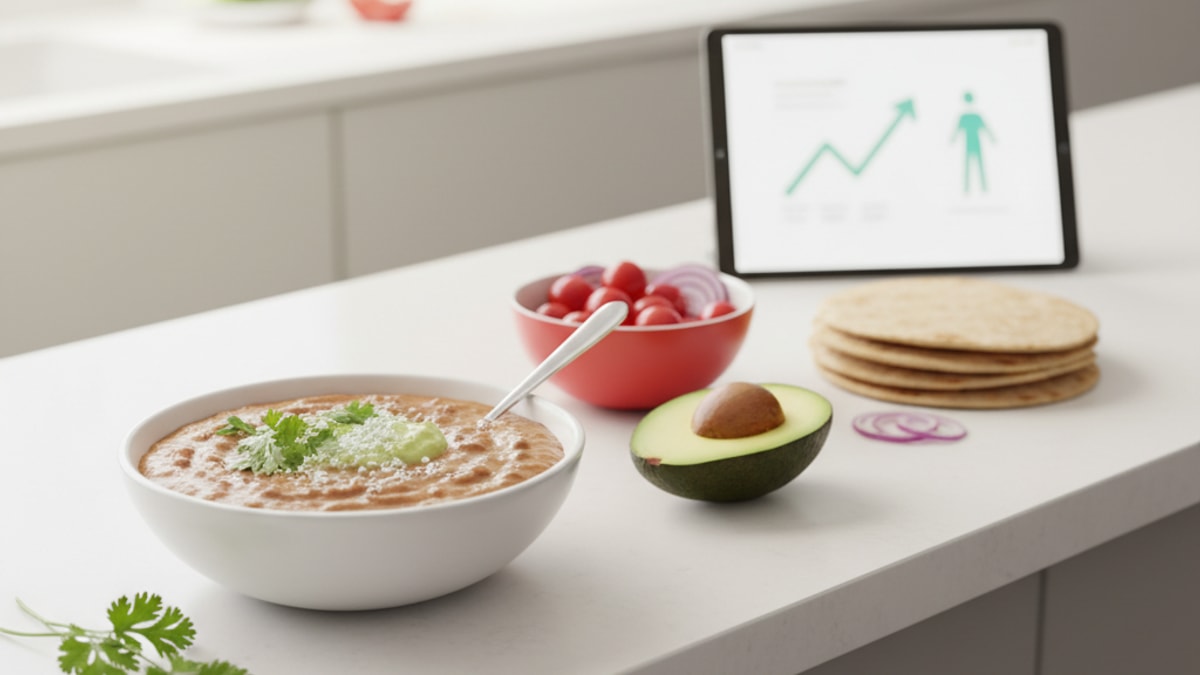
Let's be honest. When you picture 'weight loss food,' a hearty scoop of refried beans probably isn't the first thing that springs to mind. It’s more often relegated to the role of a cheesy, decadent sidekick to a massive burrito or a plate of nachos. We get it. For years, this humble legume dish has been saddled with a reputation for being heavy, fatty, and generally counterproductive to any serious wellness goal. But our team is here to set the record straight, because this is a massive, and frankly, unfortunate misunderstanding.
Are refried beans good for weight loss? The answer is a resounding, nuanced yes—but with some critical caveats. The truth is, the core ingredient, the pinto bean, is a nutritional powerhouse packed with exactly the kinds of things your body needs to manage weight effectively. The problem isn't the bean; it's what we do to it. This is a recurring theme we see constantly with our patients at TrimrX: a perfectly healthy food gets sabotaged by its preparation. It's time to separate the bean from the lard and uncover the formidable potential hiding in this simple dish.
The Nutritional Powerhouse Hiding in Plain Sight
Before we dissect where things go wrong, let's talk about what makes the foundational ingredient—the simple pinto bean—so incredibly beneficial for anyone on a weight management journey. It's not just a filler food. It's a functional food.
First and foremost, we're talking about fiber. Beans are absolutely loaded with it. A single cup of cooked pinto beans can provide over 15 grams of dietary fiber, which is more than half of the recommended daily intake for many adults. Why does our team obsess over fiber? Because it’s a non-negotiable element for successful, sustainable weight loss. Fiber does two crucial things. It slows down digestion, which keeps you feeling full and satisfied for much longer after a meal. This dramatically reduces the likelihood of reaching for high-calorie snacks between meals. Secondly, soluble fiber, the kind prevalent in beans, helps to stabilize blood sugar levels. It prevents the sharp spikes and subsequent crashes in glucose that trigger intense cravings and energy slumps. This stable energy is a game-changer.
Then there's the protein. A cup of pinto beans also delivers around 15 grams of plant-based protein. Protein is a critical macronutrient for weight loss for several reasons. It has a higher thermic effect of food (TEF) than fats or carbs, meaning your body actually burns more calories just digesting it. Like fiber, it's also incredibly satiating. A meal rich in protein and fiber is the ultimate combination for crushing hunger and cravings. We've found that patients who prioritize these two nutrients in their meals report a significant, sometimes dramatic, shift in their ability to adhere to their nutritional plan without feeling deprived.
Beyond the macros, beans are packed with essential micronutrients that support your metabolism. They're a fantastic source of iron, which is vital for energy production and preventing the fatigue that can derail your motivation to stay active. They also contain magnesium, a mineral involved in hundreds of biochemical reactions, including blood sugar control and muscle function. When your body is properly nourished at a cellular level, everything else works better. It's that simple.
The 'Refried' Problem: How a Superfood Gets Derailed
So, if beans are so great, where did the bad reputation come from? The name itself gives us a clue: 'refried.'
Traditional restaurant-style refried beans are often made by mashing cooked pinto beans with a generous amount of lard or bacon fat. While these fats add a rich, savory flavor, they also add a colossal amount of saturated fat and calories. A simple side of beans can suddenly have the caloric density of a small dessert. On top of that, they're often loaded with excessive amounts of sodium and then smothered in melted cheese, turning a lean, mean, weight-loss machine into a metabolic disaster.
This is the critical distinction we can't stress enough. The health benefits are in the bean, not in the traditional preparation method. Canned varieties can be just as problematic. Many commercial brands, even the 'vegetarian' ones, can be shockingly high in sodium and may contain added sugars or hydrogenated oils to improve texture and shelf life. It’s a classic case of food processing turning a whole food into something far less beneficial. You have to become a label detective.
Reading the nutrition facts and ingredient list is a non-negotiable skill for modern life. Our experience shows that this small habit is one of the most powerful predictors of long-term success. It's about taking control and understanding what you're actually consuming, rather than relying on front-of-package marketing claims.
The Healthy Refried Bean Blueprint: A Comparison
Making or choosing the right refried beans can make all the difference. It's about maximizing the good stuff (fiber, protein) while minimizing the bad (saturated fat, sodium, excess calories). Let's be clear: you don't have to give up the creamy texture and comforting flavor you love. You just need a smarter approach.
Here's what we've learned: making them yourself is almost always the superior option because you have absolute control over every ingredient. It’s easier than you think. Start with canned pinto beans (look for low-sodium or no-salt-added versions and rinse them well) or cook your own from dry. Instead of lard, use a small amount of olive oil or avocado oil, or even just a splash of vegetable broth or the starchy water from the bean can to achieve that creamy consistency when you mash them. From there, the flavor is in your hands. Cumin, chili powder, garlic powder, onion powder, and a squeeze of lime juice can create an incredibly deep, savory flavor without adding a single gram of fat or excess sodium.
If you're buying them canned, you need to be vigilant. Look for labels that say 'fat-free' or 'vegetarian' (which usually means they use vegetable oil instead of lard), but don't stop there. Flip it over and check the sodium content. Aim for the lowest number you can find, ideally under 140mg per serving. The ingredient list should be short and recognizable: beans, water, salt, and maybe some spices. If you see words you can't pronounce or any mention of hydrogenated oils, put it back on the shelf.
To really illustrate the difference, our team put together a quick comparison. The numbers are approximate but paint a very clear picture.
| Feature | Traditional Restaurant-Style | Standard Canned (Vegetarian) | Ideal Homemade (Fat-Free) |
|---|---|---|---|
| Primary Fat Source | Lard or Bacon Fat | Vegetable Oil / Canola Oil | None (or minimal olive oil) |
| Calories (per 1/2 cup) | 180 – 250+ | 120 – 150 | 90 – 110 |
| Saturated Fat (g) | 5 – 10g | 0 – 1g | 0g |
| Sodium (mg) | 500 – 800mg+ | 400 – 550mg | 50 – 150mg (controlled by you) |
| Key Benefits | Rich, traditional flavor | Convenience | Full nutritional benefit, customizable |
| Primary Drawbacks | Very high in calories, sat fat, sodium | Often very high in sodium | Requires minimal preparation time |
That's the reality. It all comes down to preparation. The difference between the traditional version and a healthy homemade one is staggering. You get all the satiating benefits of the fiber and protein for less than half the calories and a fraction of the sodium and saturated fat. That's a powerful swap.
The Science of Satiety and the GLP-1 Connection
Now, this is where it gets really interesting for us here at TrimrX. Why do high-fiber, high-protein foods like beans make you feel so full? It's not just about physical volume in your stomach; it's about a sophisticated hormonal response.
When you eat foods rich in these nutrients, your digestive system releases hormones that signal to your brain that you're full. One of the most important of these hormones is called glucagon-like peptide-1, or GLP-1. This hormone slows down gastric emptying (keeping food in your stomach longer), tells your brain’s hypothalamus that you're satisfied, and helps your pancreas release the right amount of insulin. It's a natural appetite suppressant your body produces on its own.
This powerful, natural mechanism is precisely what we leverage in our medically-supervised weight loss programs. The FDA-approved medications we use, like Semaglutide and Tirzepatide, are GLP-1 receptor agonists. They work by mimicking this natural fullness hormone, amplifying its effects to help control hunger and reduce caloric intake in a way that feels manageable, not miserable. Therefore, incorporating foods like properly prepared refried beans into your diet is a phenomenal way to naturally support this same pathway. You're essentially giving your body the raw materials it needs to produce its own powerful appetite-controlling signals. It’s a beautiful synergy. You're working with your body's biology, not against it.
Making it Work: Practical Ways to Eat Refried Beans
Okay, so you’re on board. You've either made a batch of healthy refried beans or found a great low-sodium, fat-free brand. Now what? The key is to move them from the side dish category to the center of the plate.
Think of them as a versatile, satisfying base for countless healthy meals:
- The Power Bowl: Start with a scoop of warm, healthy refried beans. Top it with brown rice or quinoa, grilled chicken or tofu, and a mountain of fresh veggies like bell peppers, onions, lettuce, and pico de gallo. Finish with a little salsa or a dollop of plain Greek yogurt instead of sour cream.
- The Smarter Tostada: Take a whole-wheat tortilla, spray it with a little cooking oil, and bake it until crispy. Spread it with your refried beans and top with shredded lettuce, diced tomatoes, and a sprinkle of cotija cheese (a little goes a long way).
- The High-Fiber Wrap: Use a high-fiber, whole-grain tortilla and spread a thin layer of refried beans. Add your protein and veggies, roll it up, and you have a portable, incredibly filling lunch that will keep you going all afternoon.
- The Better Dip: Forget the cheesy, high-calorie bean dips. Warm up your healthy refried beans, mix in some salsa and spices, and use it as a dip for crunchy vegetables like carrots, celery, and bell pepper strips instead of tortilla chips.
Remember, portion control is still important. Just because they're healthy doesn't mean the calories don't count. A serving is typically about half a cup. But because that half-cup is so packed with fiber and protein, our team finds that it's often more than enough to leave you feeling genuinely satisfied. Building a sustainable eating plan filled with meals you actually enjoy is a cornerstone of long-term success. If you're tired of the cycle of restrictive dieting and are ready for a comprehensive medical approach, it might be time to Start Your Treatment.
It’s Never Just About One Food
We need to be crystal clear. Refried beans, even the healthiest version, are not a magic weight loss pill. No single food ever is. True, lasting weight management comes from a holistic approach. It’s about building a pattern of healthy habits that includes a balanced diet, regular physical activity, adequate sleep, and stress management.
This is the entire philosophy behind our work at TrimrX. Our programs are designed to address the complex biology of weight. The medications we use are powerful tools, but they work best as part of a comprehensive strategy that supports your entire well-being. We've seen it work time and time again: lasting results are born from a multifaceted strategy that combines medical science with sustainable lifestyle changes. It's about creating an ecosystem where your body can finally thrive. If you're curious about whether a medical approach is the right next step for you, you can easily find out if you're a candidate by taking our simple quiz.
So, are refried beans good for weight loss? Absolutely. When you strip away the excess fat and sodium, you're left with an incredibly effective tool for managing hunger, stabilizing blood sugar, and nourishing your body. They are proof that some of the most powerful foods for your health journey are often the simplest and most overlooked. It's about being an informed consumer, a mindful cook, and looking at the bigger picture of your health. Don't let a bad reputation fool you; the humble bean is a heavyweight champion in the world of nutrition.
Frequently Asked Questions
Are canned refried beans as healthy as homemade?
▼
Generally, no. Homemade refried beans are superior because you control the ingredients completely, especially the sodium and fat content. However, you can find healthy canned options by choosing ‘fat-free’ and ‘low-sodium’ varieties with a simple ingredient list.
How much refried beans should I eat for weight loss?
▼
A typical serving size is about 1/2 cup. Because they are so rich in fiber and protein, our team finds this portion is often very satisfying and sufficient to promote fullness without adding excessive calories to your meal.
Do refried beans cause bloating or gas?
▼
Beans contain complex sugars that can be difficult for some people to digest, potentially causing gas. You can mitigate this by rinsing canned beans thoroughly, staying well-hydrated, and gradually increasing your fiber intake to allow your digestive system to adjust.
Can I eat refried beans on a low-carb or keto diet?
▼
It’s challenging. Beans are high in complex carbohydrates, which makes them generally unsuitable for a strict ketogenic diet. On a more moderate low-carb plan, a very small portion might fit, but you’d need to track your macros carefully.
What’s better for weight loss: refried pinto beans or black beans?
▼
Both are excellent choices with very similar nutritional profiles. Black beans have a slight edge in fiber content, while pinto beans have slightly more protein. We recommend choosing whichever you enjoy more, as both are fantastic for weight management when prepared healthily.
Are ‘vegetarian’ refried beans automatically healthy?
▼
Not necessarily. ‘Vegetarian’ simply means they’re made with vegetable oil instead of lard. They can still be extremely high in sodium and calories. Always check the full nutrition label, not just the front-of-package claim.
How can I add flavor to healthy refried beans without fat?
▼
Spices are your best friend! Cumin, chili powder, smoked paprika, garlic powder, and onion powder add incredible depth. A squeeze of fresh lime juice at the end brightens the flavor, and mixing in some salsa or green chiles also works wonders.
Do refried beans support the effects of GLP-1 medications?
▼
Yes, in a complementary way. The high fiber and protein content of beans naturally stimulates your body’s own production of the GLP-1 hormone. This works in harmony with GLP-1 medications like Semaglutide, supporting the goal of enhanced satiety and appetite control.
Are refried beans a complete protein?
▼
No, beans are not a complete protein on their own as they are low in one essential amino acid, methionine. However, when paired with a grain like rice or a corn tortilla, they form a complete protein, providing all the amino acids your body needs.
Can I freeze homemade refried beans?
▼
Absolutely. Homemade refried beans freeze beautifully. We suggest portioning them into freezer-safe containers or bags for quick, healthy meal components. They can be stored for up to three months.
What is the glycemic index of refried beans?
▼
Pinto beans have a low glycemic index (GI), typically around 39. This means they cause a slow, steady rise in blood sugar rather than a sharp spike, which is ideal for weight management, energy stability, and reducing cravings.

Transforming Lives, One Step at a Time
Keep reading

Do You Need a Prescription for GLP-1s? The 2026 Answer
Wondering ‘do you need a prescription for glp 1’ in 2026? Yes. We explain why a doctor’s oversight is critical for safe, effective results.

How to Get GLP-1 Covered By Insurance: Our 2026 Playbook
Struggling with how to get glp-1 covered by insurance? Our 2026 guide breaks down prior authorizations, appeals, and documentation.

Traveling with GLP-1s in 2026: Your Essential Trip-Proof Plan
Don’t let travel disrupt your GLP-1 treatment. Learn how to travel with glp 1 medications safely and stress-free in our 2026 expert guide.


