Can You Take Berberine While on Semaglutide? Safe Mixing Tips
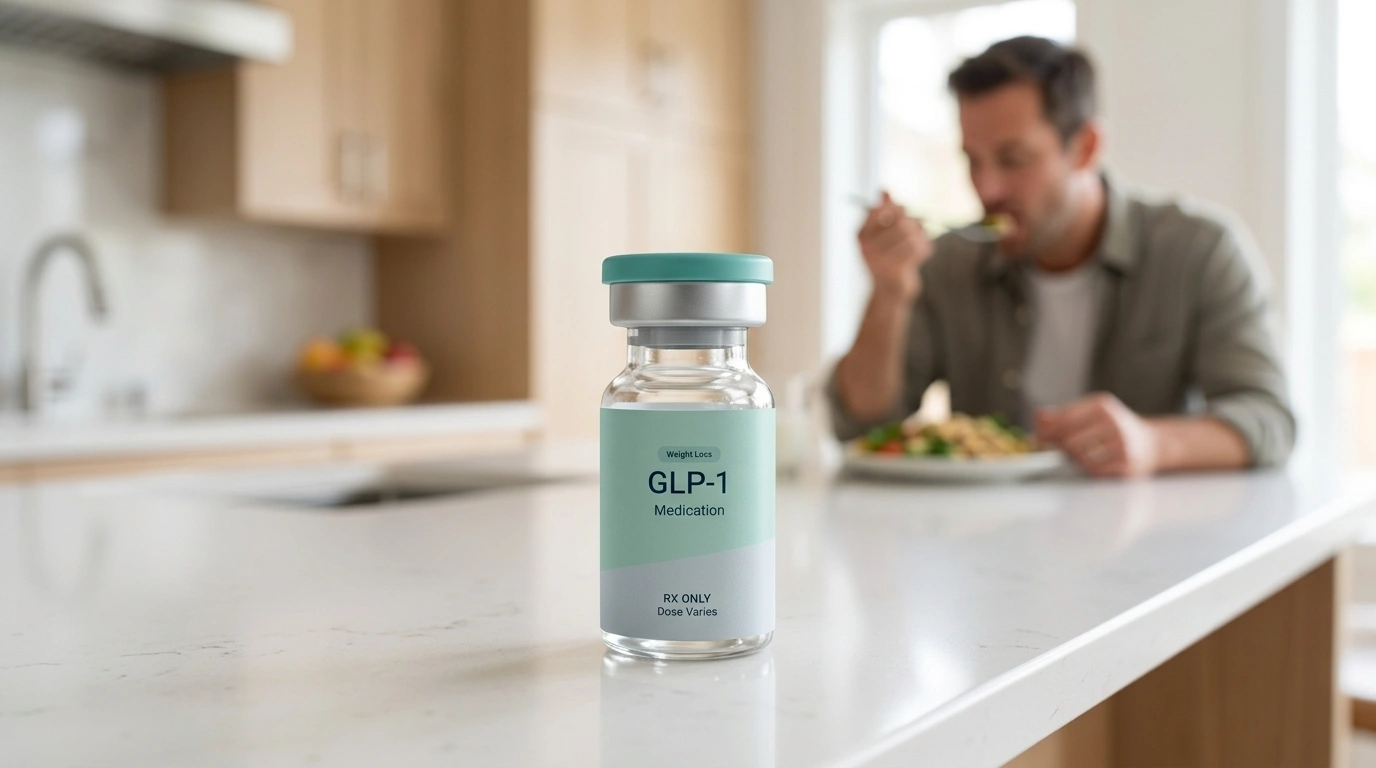
Quick Answer: It is generally possible to take berberine while on semaglutide, but it must be done under strict medical supervision. Because both substances lower blood sugar and affect digestion, combining them increases the risk of hypoglycemia and gastrointestinal distress. Always consult your healthcare provider before adding supplements to a prescription medication routine.
Introduction
Finding a weight loss strategy that actually works can feel like a long, exhausting journey. If you have finally seen progress with semaglutide, you might be looking for ways to maximize your results. Many people are curious if natural supplements like berberine—often nicknamed “nature’s Ozempic®”—can be used alongside their prescription. For a broader overview of the hormone pathway behind these medications, our what GLP-1 is and how it works guide is a helpful place to start. At TrimRx, we focus on helping you navigate these metabolic choices through science-backed, personalized programs that prioritize your safety and long-term success. This article covers how these two substances interact, the potential benefits of stacking them, the risks you need to know, and how to approach a combination therapy safely. While the idea of “boosting” your medication is tempting, understanding the underlying biology is the first step toward a healthier lifestyle.
If you are still deciding whether prescription treatment is the right path, you can take the free assessment quiz to see whether a medically supervised program may fit your goals.
Understanding the Mechanism of Action
To determine if you can take berberine while on semaglutide, you first need to understand how each one influences your metabolism. They do not work the same way, which is why people are often interested in using them together.
How Semaglutide Works in the Body
Semaglutide is a GLP-1 receptor agonist. This means it mimics a hormone your body naturally produces called glucagon-like peptide-1 (GLP-1). This hormone is responsible for several critical functions related to how you process food and feel full.
First, it signals the brain to reduce hunger and quiet “food noise,” which are the intrusive thoughts about eating that many people experience. Second, it slows down gastric emptying, meaning food stays in your stomach longer, helping you feel satisfied with smaller portions. Finally, it prompts the pancreas to release insulin only when blood sugar is high and prevents the liver from making too much sugar.
How Berberine Affects Metabolism
Berberine is a bioactive compound found in several plants. It has been used for centuries in traditional medicine but has gained modern popularity for its metabolic effects. Unlike semaglutide, berberine primarily works by activating an enzyme called AMP-activated protein kinase (AMPK).
For a side-by-side breakdown of how berberine differs from GLP-1 medications, the article on whether berberine and GLP-1 are the same explains the distinction clearly. AMPK is often referred to as the body’s “metabolic master switch.” When activated, it helps the body burn fat for energy, improves insulin sensitivity, and reduces glucose production in the liver. While some social media trends compare it to prescription GLP-1s, berberine does not target the GLP-1 receptor directly in the same powerful way that a medication like Wegovy® or Ozempic® does.
Key Takeaway: Semaglutide acts like a hormone to control hunger and insulin, while berberine acts on a cellular enzyme to improve how your body burns energy.
The Potential Benefits of Combining the Two
Some individuals explore combining these two because they target different metabolic pathways. In theory, this could provide a multi-layered approach to weight management and blood sugar control.
Improved insulin sensitivity is a primary goal. By using semaglutide to manage appetite and insulin release while using berberine to activate AMPK, some believe they can achieve better glucose stability. This may be particularly relevant for individuals with significant insulin resistance who find that medication alone isn’t reaching their desired health markers.
Enhanced fat metabolism may be another benefit. Because berberine helps the body prioritize fat burning through the AMPK pathway, it may complement the calorie reduction achieved through semaglutide’s appetite suppression. However, it is important to remember that these benefits are largely theoretical or based on small-scale studies. There are no large, long-term clinical trials specifically examining the safety of this exact combination.
Risks and Side Effects to Consider
While the benefits sound promising, the risks of “stacking” metabolic treatments are real. When you combine a potent prescription medication with a bioactive supplement, you increase the burden on your digestive system and your liver.
The Risk of Hypoglycemia
Low blood sugar, or hypoglycemia, is the most significant concern. Both semaglutide and berberine are effective at lowering blood glucose. When taken together, they may lower it too much. Symptoms of hypoglycemia include:
- Dizziness or lightheadedness
- Shakiness and tremors
- Sudden sweating or chills
- Confusion or irritability
- Rapid heartbeat
If you want to compare this combination with other GLP-1 discussions, our guide on taking berberine with GLP-1 medications walks through overlapping side effects and safety considerations. If you are already taking other medications for type 2 diabetes, such as metformin or insulin, adding berberine to your semaglutide routine could be dangerous without a doctor adjusting your dosages.
Gastrointestinal Distress
Both substances are known for causing stomach issues. Semaglutide commonly causes nausea, bloating, and constipation as the body adjusts to slower digestion. Berberine is also notorious for causing diarrhea, cramping, and gas. Combining them can lead to a “double-whammy” effect on the gut.
For many, the digestive side effects of taking berberine while on semaglutide are the reason they stop the supplement. The discomfort can become severe enough to interfere with daily life, making it difficult to maintain the healthy diet and exercise habits necessary for long-term weight loss.
Liver Enzyme Interactions
Berberine can interfere with how your liver processes medications. It affects certain enzymes in the CYP450 family, which are responsible for breaking down many drugs. This could potentially change how quickly semaglutide—or any other medication you take—is metabolized. If your liver cannot process your medication correctly, the drug could build up in your system, increasing the risk of toxicity or severe side effects.
Note: Always inform your healthcare provider about every supplement you take. Even “natural” products can have powerful interactions with prescription drugs.
Managing Side Effects Through Support
If you decide to move forward with a personalized weight loss program, managing side effects is a crucial part of the process. At TrimRx, we believe that medication is only one piece of the puzzle. Supporting your body with the right nutrients can make a significant difference in how you feel.
For those experiencing the common digestive hurdles of GLP-1 treatments, our GLP-1 support supplement page is designed to provide the body with essential nutrients that might be depleted or needed during a weight loss journey. Additionally, our Weight Loss Boost supplement is available for those who want to support their metabolism without the complexities of high-dose berberine stacking. These quick-access supplements do not require a prescription and are designed to work alongside our programs to help you stay comfortable and focused on your goals.
Practical Tips for Stacking Safely
If your licensed healthcare provider has cleared you to take berberine while on semaglutide, you should follow a cautious, stepped approach.
Step 1: Stabilize on your medication first. Do not start both at the same time. You should be on your semaglutide dose for at least 4–8 weeks to understand how your body reacts to the medication alone. If you are already struggling with nausea or fatigue, adding a supplement will only make it harder to identify the cause of your symptoms.
Step 2: Start with a low dose of berberine. Do not jump to the maximum recommended dose on the supplement bottle. Start with a small amount and see how your digestion handles it.
Step 3: Monitor your blood sugar. Even if you do not have diabetes, it is wise to watch for signs of low blood sugar. If you feel shaky or faint after taking the supplement, stop use immediately and contact your provider.
Step 4: Keep a symptom journal. Document what you take and how you feel. This data is invaluable for your healthcare team when they are deciding whether to adjust your treatment plan.
Who Should Avoid This Combination?
Not everyone is a candidate for combining these metabolic tools. Certain health profiles make the risk much higher than the potential reward.
- Individuals with Liver Disease: Because berberine affects liver enzymes, those with existing liver conditions should avoid it unless specifically directed by a specialist.
- Pregnant or Breastfeeding Women: There is insufficient safety data regarding the use of GLP-1 medications or berberine during pregnancy.
- Those on Blood Thinners: Berberine may have mild blood-thinning effects, which can interact dangerously with medications like warfarin or aspirin.
- People with Severe GI Disorders: If you have Gastroparesis (paralyzed stomach) or Inflammatory Bowel Disease (IBD), the combined digestive impact could be severe.
If you are unsure whether prescription treatment is appropriate for your health history, complete the free assessment quiz so a provider can review your situation.
Berberine vs. Semaglutide: Potency and Expectations
It is a common misconception that berberine is a “natural replacement” for semaglutide. While they share some metabolic goals, the scale of their impact is very different.
| Feature | Berberine Supplement | Semaglutide (e.g., Ozempic®) |
|---|---|---|
| Primary Mechanism | AMPK Activation | GLP-1 Receptor Agonist |
| Typical Weight Loss | Modest (approx. 3–5 lbs in studies) | Significant (up to 15% or more of body weight) |
| FDA Status | Dietary Supplement (Not FDA-approved to treat disease) | FDA-approved for Diabetes/Weight Loss |
| Administration | Oral Capsules (2–3 times daily) | Once-weekly Injection or Daily Pill |
| Cost & Access | Over-the-counter | Prescription Required |
Berberine is a supportive tool, not a primary driver. For an individual with a BMI over 30 who has struggled for years with weight, a supplement alone rarely provides the clinical-grade results seen with GLP-1 medications. If you find that semaglutide is already providing significant results, adding berberine may offer diminishing returns while increasing the likelihood of feeling unwell.
How Personalized Telehealth Programs Help
One of the biggest risks of taking berberine while on semaglutide is doing it alone. When you buy supplements off a shelf and combine them with prescriptions from a local pharmacy, there may not be a single professional looking at your entire health profile.
This is where a platform like TrimRx makes a difference. Our programs are designed to be fully personalized. When you complete our free assessment quiz, a licensed provider reviews your medical history, goals, and current health status. They don’t just look at the medication; they look at the whole person. This medical supervision ensures that if you are interested in supplements, you have a professional care team to guide you on what is safe and what isn’t.
For more context on how TrimRx approaches medically supervised treatment, the article on how to get GLP-1 weight loss outlines the process from assessment to ongoing support. We provide access to compounded semaglutide and compounded tirzepatide through FDA-registered, inspected compounding pharmacies. These medications provide the same active ingredients found in branded drugs but allow for a more flexible, telehealth-first approach. Because our program includes unlimited support and doctor consultations, you always have a place to turn if you have questions about adding a supplement to your routine.
Bottom Line: Don’t self-prescribe a “stack.” Use a supervised platform to ensure your weight loss journey is both effective and safe.
The Role of Diet and Exercise
No combination of medication and supplements can replace the foundation of health. Whether you take berberine or not, semaglutide works best when paired with lifestyle changes.
- Prioritize Protein: As you lose weight, you want to preserve muscle mass. High protein intake helps ensure the weight lost comes from fat.
- Hydrate Constantly: Slower digestion requires more water to prevent constipation and help the kidneys process metabolic waste.
- Focus on Fiber: Fiber helps stabilize blood sugar naturally and keeps the digestive system moving, which can counteract some of the slowing effects of GLP-1s.
- Strength Training: Moving your body tells your metabolism to stay active, preventing the “plateau” that many people fear.
Conclusion
Taking berberine while on semaglutide is a choice that should only be made with professional guidance. While the two may theoretically support each other through different metabolic pathways, the increased risk of low blood sugar and digestive upset is a significant hurdle. For most people, focusing on a high-quality, medically supervised GLP-1 program—like the ones we offer at TrimRx—is the most effective way to reach their goals without the guesswork of supplement stacking.
If you are ready to see whether a personalized program is the right fit, take the free assessment quiz and begin with a provider review. Our mission is to help you embrace a healthier lifestyle through science, empathy, and a transparent, personalized approach. We believe weight loss should be sustainable, not a struggle against constant side effects.
Your Next Steps:
- If you are already on semaglutide and considering berberine, message your provider first.
- If you are just starting your journey, take our free assessment quiz to see which personalized program is right for you.
- Explore our quick-access supplements for targeted nutrient support that doesn’t require a prescription.
FAQ
Does berberine interfere with Ozempic® or Wegovy®?
Berberine may interfere with how the liver processes these medications by affecting certain enzymes. Additionally, because both slow down digestion and lower blood sugar, taking them together can lead to increased side effects like nausea or hypoglycemia.
Can berberine help if I plateau on semaglutide?
While some people use berberine to try and “break” a plateau, it is often more effective to talk to your provider about adjusting your medication dose or reviewing your protein intake and exercise routine. Supplements are rarely as powerful as a clinical dose adjustment.
What are the signs that my blood sugar is too low while taking both?
If you feel sudden shakiness, sweating, dizziness, or confusion after taking berberine with your medication, your blood sugar may be too low. You should have a source of fast-acting glucose (like fruit juice) nearby and contact your doctor immediately.
Should I take berberine at the same time as my semaglutide dose?
Since semaglutide is usually a once-weekly injection, you wouldn’t take them at the “same time,” but berberine is taken daily. If you are using the oral version of semaglutide, you should separate them by several hours to ensure both are absorbed properly. For more background on getting started with GLP-1 treatment, see how to get GLP-1 weight loss.
Disclaimer: This content is for informational purposes only and does not constitute medical advice. It is not intended to diagnose, treat, cure, or prevent any disease or condition. Individual results may vary. Always consult a qualified healthcare professional before starting any weight loss program or medication.

Transforming Lives, One Step at a Time
Keep reading
What Is CagriSema? Cagrilintide and Semaglutide Explained
CagriSema is an investigational once-weekly injectable from Novo Nordisk that combines two different weight-loss ingredients in one shot: cagrilintide, an amylin analog, and semaglutide,…

Taste Changes on Semaglutide: Why Food Tastes Different
Yes, semaglutide can change how food tastes. Some people notice a metallic or off taste, foods they used to love losing their appeal, or…
Bruising and Injection Site Reactions on Semaglutide
Bruising and mild injection site reactions, meaning redness, a small lump, itching, or tenderness, are common with subcutaneous semaglutide and are usually harmless. Bruising…


