Best Foods to Eat While on Zepbound for Weight Loss
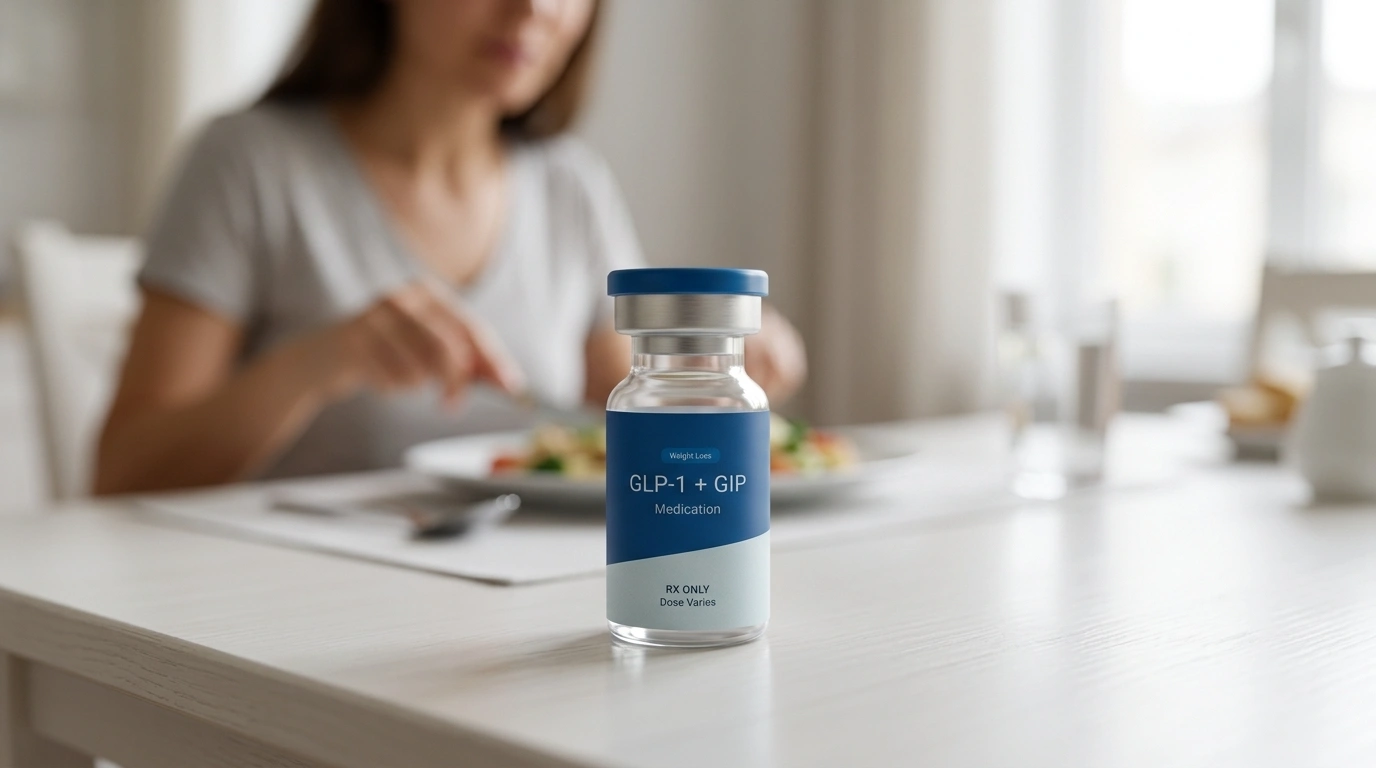
Table of Contents
- Introduction
- How Zepbound® Changes Your Relationship with Food
- The Importance of Lean Protein
- Prioritizing Fiber for Digestive Health
- Choosing Complex Carbohydrates over Simple Sugars
- Healthy Fats in Moderation
- Hydration and Electrolytes
- Foods to Avoid or Minimize
- Managing Common Side Effects with Food
- Supplementing Your Nutrition
- Creating a Sustainable Routine with TrimRx
- Sample One-Day Meal Plan
- How to Get Started
- Conclusion
- FAQ
Introduction
Starting a journey with a medication like Zepbound® often brings a mix of excitement and uncertainty. You may notice that your “food noise”—those constant, intrusive thoughts about your next meal—has finally gone quiet, but this new reality raises a fresh question: what should you actually put on your plate? Eating while on a dual-agonist medication is no longer about restriction; it is about fueling your body strategically to preserve muscle and manage energy. At TrimRx, we believe that the right nutritional foundation is just as important as the medication itself. This post covers the essential categories of food that support your metabolic health, help minimize side effects, and ensure you are getting the most out of your treatment. By focusing on nutrient-dense choices, you can create a sustainable lifestyle that lasts long after your initial weight loss goals are met.
If you are considering medically guided treatment, you can take the free assessment quiz to explore whether a personalized program may be appropriate for you.
How Zepbound® Changes Your Relationship with Food
Before diving into specific food lists, it is helpful to understand how Zepbound® works within your body. Zepbound® is a branded medication containing the active ingredient tirzepatide. Tirzepatide is a dual-receptor agonist, which means it mimics two naturally occurring hormones in your body: glucagon-like peptide-1 (GLP-1) and glucose-dependent insulinotropic polypeptide (GIP).
These hormones work together to regulate your blood sugar and slow down the rate at which your stomach empties, a process known as gastric emptying. Because food stays in your stomach longer, you feel full for much longer periods. Additionally, the medication signals your brain to lower appetite and increase feelings of satiety (the feeling of being full).
Because you are likely eating significantly less than you were before, every bite you take needs to “work harder” for you. When your total caloric intake drops, your body needs specific nutrients to maintain its vital functions, keep your hair and skin healthy, and prevent the loss of lean muscle mass.
For a broader look at meal planning and food choices, explore this guide to eating while on Zepbound.
Key Takeaway: Zepbound® slows digestion and reduces hunger, making nutrient density the top priority for every meal to ensure your body stays nourished on fewer calories.
The Importance of Lean Protein
Protein is arguably the most critical component of a diet while taking a GLP-1 or GIP medication. When you lose weight rapidly, your body often pulls energy from both fat stores and muscle tissue. To protect your muscles—which are essential for a healthy metabolism—you must consume adequate protein.
High-Quality Animal Proteins
Lean animal proteins are complete proteins, meaning they contain all the essential amino acids your body cannot produce on its own. For an individual aiming to maintain muscle while on a personalized program, these should be staples:
- Skinless Poultry: Chicken and turkey are low in saturated fat and very versatile for meal prepping.
- White Fish: Cod, tilapia, and halibut are easy on the stomach, which is helpful if you are experiencing mild nausea.
- Egg Whites: A pure source of protein that is easy to digest in the morning.
- Greek Yogurt: Opt for plain, non-fat versions to avoid added sugars while getting a boost of probiotics for gut health.
Plant-Based Protein Sources
If you prefer plant-based options, you can still meet your protein needs, though you may need to eat a slightly higher volume of food.
- Lentils and Beans: These provide protein alongside a significant amount of fiber.
- Tofu and Tempeh: These are excellent complete plant proteins that absorb the flavors of whatever you are cooking.
- Seitan: A high-protein option for those who are not gluten-sensitive.
For additional nutrition strategies, review these GLP-1 eating tips for supporting protein and muscle.
Bottom line: Aim to include a palm-sized portion of protein with every meal and snack to protect your lean muscle mass and keep your metabolism active.
Prioritizing Fiber for Digestive Health
One of the most common side effects of medications that slow gastric emptying is constipation. When food moves more slowly through the digestive tract, your body absorbs more water from it, which can lead to discomfort. Fiber is the solution to this challenge.
Soluble vs. Insoluble Fiber
You need a mix of both types of fiber. Soluble fiber (found in oats and beans) turns into a gel-like substance that helps regulate blood sugar. Insoluble fiber (found in whole grains and vegetable skins) adds bulk to your stool and helps food pass more quickly through the intestines.
Best Fiber Sources
- Berries: Raspberries and blackberries are among the highest-fiber fruits and are relatively low in sugar.
- Chia Seeds: These can be added to water or yogurt and expand in the stomach to help you feel full and keep things moving.
- Cruciferous Vegetables: Broccoli, cauliflower, and Brussels sprouts are fiber powerhouses, though some people find they cause gas when first starting the medication.
- Avocado: A unique fruit that provides both healthy fats and a surprising amount of fiber.
For more guidance, read about why Zepbound can cause constipation.
Note: If you are not used to a high-fiber diet, increase your intake slowly and drink plenty of water to avoid bloating.
Choosing Complex Carbohydrates over Simple Sugars
Carbohydrates are your body’s primary energy source, but not all carbs are created equal. Because Zepbound® improves how your body handles insulin, choosing “slow-burning” carbs can help keep your energy levels stable throughout the day.
The Benefit of Whole Grains
Whole grains contain the entire grain kernel, including the fiber-rich bran. This means they take longer to break down, preventing the rapid spikes and crashes in blood sugar that can lead to fatigue.
- Quinoa: A grain-like seed that is also a complete protein.
- Steel-Cut Oats: These have a lower glycemic index than instant oatmeal.
- Sweet Potatoes: These provide beta-carotene and fiber with a slower energy release than white potatoes.
Fruits to Emphasize
While fruit is healthy, some are very high in sugar, which might cause digestive upset for some users. Stick to lower-sugar, high-fiber options:
- Apples and Pears: Keep the skin on for maximum fiber.
- Citrus Fruits: Oranges and grapefruit provide Vitamin C and hydration.
Healthy Fats in Moderation
Fat is essential for hormone production and the absorption of vitamins (A, D, E, and K). However, because Zepbound® slows down your digestion, very high-fat meals can sit in the stomach for a long time, often leading to heartburn or nausea.
The goal is to choose “heart-healthy” unsaturated fats and keep portions small.
- Olive Oil: Use it sparingly for dressing or light sautéing.
- Nuts and Seeds: A small handful of raw almonds or walnuts provides satiety and healthy fats.
- Fatty Fish: Salmon and mackerel provide Omega-3 fatty acids, which support heart health and reduce inflammation.
Myth: You should cut out all fat while on Zepbound®. Fact: Your body needs healthy fats to absorb nutrients; the key is choosing high-quality sources and avoiding fried or greasy foods that trigger side effects.
Hydration and Electrolytes
Staying hydrated is non-negotiable when taking a GIP/GLP-1 medication. Many people find their thirst cues diminish along with their hunger cues. Additionally, as you lose weight, your body releases stored water, which can lead to dehydration if you aren’t careful.
Water is the priority, but sometimes water alone isn’t enough. If you find yourself feeling dizzy or having headaches, you may need electrolytes. Sodium, potassium, and magnesium are vital for nerve function and hydration balance.
For more information, read about hydration and metabolic health during weight loss.
To stay properly hydrated:
- Carry a reusable water bottle and sip throughout the day rather than “chugging” large amounts at once.
- Use sugar-free electrolyte powders if you are exercising or in a hot climate.
- Eat hydrating foods like cucumbers, celery, and watermelon.
Foods to Avoid or Minimize
To have the best experience on your weight loss journey, it is helpful to identify “trigger foods” that commonly cause discomfort while on medication.
High-Sugar Foods and Drinks
Zepbound® helps regulate insulin, but overloading your system with refined sugar can lead to “dumping syndrome” or extreme nausea. Minimize:
- Sodas and sweetened coffee drinks.
- Candy and heavy desserts.
- White bread and sugary cereals.
Greasy and Fried Foods
Because the medication slows gastric emptying, fried foods like french fries, fried chicken, or heavy pizza can stay in the stomach for an uncomfortably long time. This often results in:
- Severe acid reflux or heartburn.
- Nausea.
- Sulfur-smelling burps.
Alcohol
Many patients report that their desire for alcohol decreases while on Zepbound®. If you do choose to drink, be cautious. Alcohol can lower blood sugar and is often irritating to the stomach lining. It also provides “empty calories” that offer no nutritional value when your intake is already limited.
Managing Common Side Effects with Food
If you do experience side effects, your food choices can often help mitigate them. Many people find that their symptoms are most pronounced in the first 24 to 48 hours after their weekly injection.
For a broader overview, read this guide to managing tirzepatide side effects.
For Nausea:
- Eat small, frequent meals rather than three large ones.
- Stick to bland foods like crackers, toast, or plain rice (the BRAT diet) for a day if needed.
- Incorporate ginger or peppermint tea.
- Avoid lying down immediately after eating.
For Constipation:
- Increase your intake of leafy greens and high-fiber fruits.
- Ensure you are meeting your daily water goals.
- Consider a gentle fiber supplement if recommended by your provider.
For Fatigue:
- Check your protein intake; you may not be eating enough to support your energy levels.
- Ensure you are getting enough Vitamin B12 and iron.
Supplementing Your Nutrition
Even with the best diet, eating significantly fewer calories can sometimes lead to nutrient gaps. This is where targeted supplementation can play a role. While the medication handles the hormonal side of weight loss, supplements can support the metabolic and digestive side.
We often suggest looking into options like GLP-1 Daily Support, which is specifically formulated to address the unique nutritional needs of those on GLP-1 or GIP medications.
Another option for those looking to support energy and metabolism is the Weight Loss Boost supplement.
Note: Always discuss new supplements with your healthcare provider to ensure they are appropriate for your specific health profile.
Creating a Sustainable Routine with TrimRx
At TrimRx, we understand that a medication like Zepbound® is a tool, but your lifestyle is the foundation. Our platform connects you with licensed providers who help you navigate the complexities of medical weight loss through a telehealth-first approach.
The journey is not just about the number on the scale; it is about how you feel, your energy levels, and your long-term health. Our personalized programs are designed to support you every step of the way, providing the medical supervision you need without the hassle of waiting rooms or in-person visits. By combining the science of medications like tirzepatide with a focus on high-protein, fiber-rich nutrition, we help you achieve results that are both significant and sustainable.
Sample One-Day Meal Plan
What does a day of eating for success look like? Here is a general example of how to structure your meals:
- Breakfast: Two scrambled egg whites with spinach and a small side of raspberries.
- Mid-Morning Snack: A small container of plain non-fat Greek yogurt with a sprinkle of chia seeds.
- Lunch: Grilled chicken breast over a bed of mixed greens with cucumber, cherry tomatoes, and a light lemon-tahini dressing.
- Afternoon Snack: A handful of raw almonds or a string cheese.
- Dinner: Baked salmon with a small portion of quinoa and steamed asparagus.
- Hydration: At least 64–80 ounces of water throughout the day, possibly with one sugar-free electrolyte drink.
Bottom line: Focus on “Protein, Fiber, and Fluid” as your three pillars for every single day.
How to Get Started
If you are struggling with weight management and want to see if a GLP-1 or GIP medication is right for you, the process is simple. We provide a streamlined, online path to personalized care.
Step 1: Complete the free assessment quiz. This helps us understand your medical history, goals, and current health status. You can complete a free eligibility assessment to begin.
Step 2: Consult with a licensed provider. A medical professional will review your information to determine the most appropriate treatment plan for you.
Step 3: Receive your personalized program. If eligible, your medication and plan will be coordinated through the platform, with everything you need delivered to your door.
Step 4: Ongoing support. You have 24/7 access to a team of specialists to answer questions about nutrition, side effects, and your progress.
Conclusion
Success on a weight loss journey involves more than just a prescription; it requires a thoughtful approach to how you nourish your body. By prioritizing lean proteins, fiber-rich vegetables, and consistent hydration, you can minimize side effects and protect your metabolic health. Remember that your needs may change as your dosage adjusts or as you lose weight, so staying in tune with your body is essential. We are committed to being your partner in this process, offering a blend of clinical expertise and empathetic support to help you reach your goals. Our mission is to provide you with the tools and guidance necessary for a healthier, more vibrant life through a science-backed, personalized approach. If you are ready to take the next step, see if you qualify for a personalized program and connect with our team.
FAQ
Can I eat whatever I want on Zepbound and still lose weight?
While the medication will likely reduce your appetite and cause weight loss even without a perfect diet, eating nutrient-poor foods can lead to significant muscle loss and severe digestive side effects. Focusing on protein and fiber ensures the weight you lose is primarily fat and helps you feel your best during the process.
Why do I feel so nauseous after eating fatty foods?
Zepbound® slows down gastric emptying, meaning fat—which already takes a long time to digest—stays in your stomach even longer. This can lead to feelings of heaviness, indigestion, and nausea, which is why lean protein sources are generally much better tolerated.
How much protein should I be eating every day?
Most clinical guidelines suggest aiming for at least 60 to 90 grams of protein per day to help preserve lean muscle mass during active weight loss. However, your specific needs may vary based on your activity level and body composition, so it is best to discuss a target with your healthcare provider.
Is it okay to skip meals if I am not hungry?
While you may not feel hungry, skipping meals entirely can lead to fatigue and make it difficult to hit your daily protein and fiber goals. It is usually better to eat small, nutrient-dense snacks throughout the day to keep your energy stable and ensure your body receives the fuel it needs.
If you are unsure whether a prescription program fits your goals, you can start with the free assessment quiz and discuss your options with a licensed provider.
Disclaimer: This content is for informational purposes only and does not constitute medical advice. It is not intended to diagnose, treat, cure, or prevent any disease or condition. Individual results may vary. Always consult a qualified healthcare professional before starting any weight loss program or medication.

Transforming Lives, One Step at a Time
Keep reading
Can You Eat Clam Chowder on Zepbound?
Clam chowder is a seaside classic, often served in a bread bowl on a chilly day. New England chowder is thick, creamy, and rich…
Can You Eat Korean BBQ on Zepbound?
Korean barbecue is a social, hands-on meal: platters of marinated meats grilled at the table, surrounded by small side dishes called banchan, with lettuce…
Can You Eat Brownies on Zepbound?
Brownies are a classic homemade treat, a bake sale staple, and a common office snack. They are also dense, rich, and very sweet, made…


