Best Weight Loss Medication 2026: Complete GLP-1 Comparison Guide

Best Weight Loss Medication 2026: Complete GLP-1 Comparison Guide
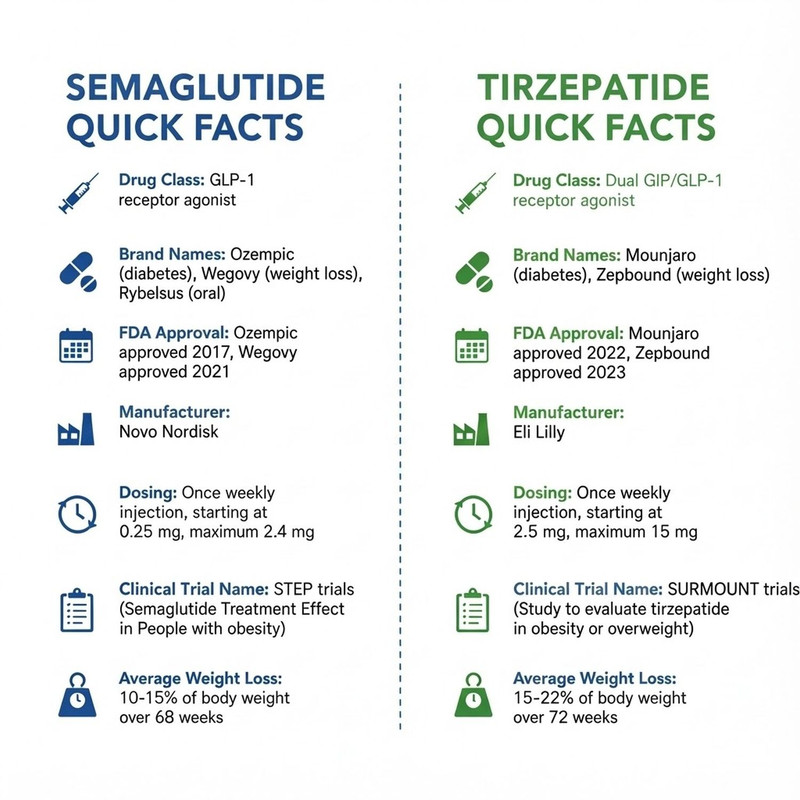
Tirzepatide (Zepbound, Mounjaro) is the most effective weight loss medication in 2026, producing 15-22% average body weight loss in clinical trials, followed closely by semaglutide (Wegovy, Ozempic) with 10-15% average weight loss, with both significantly outperforming all other FDA-approved weight loss medications.
If you’re researching prescription weight loss options, understanding the dramatic effectiveness advantage of GLP-1 medications over older alternatives helps you make informed decisions about your weight loss journey.
The landscape of weight loss medication has been revolutionized by GLP-1 and dual GIP/GLP-1 receptor agonists. These medications work through multiple mechanisms—reducing appetite, slowing digestion, and affecting brain hunger centers—producing weight loss results that were previously only achievable through bariatric surgery.
TrimRx provides access to both compounded semaglutide ($199/month) and compounded tirzepatide ($349/month), making the most effective weight loss medications affordable and accessible.
FDA-Approved Weight Loss Medications Overview
The FDA has approved several medications specifically for chronic weight management, but they vary dramatically in effectiveness.
Current FDA-Approved Weight Loss Medications:
GLP-1 and Dual Agonists (Most Effective):
- Tirzepatide (Zepbound)
- Approval: November 2023
- Mechanism: Dual GIP/GLP-1 receptor agonist
- Average Weight Loss: 15-22% of body weight
- Administration: Weekly injection
- Semaglutide (Wegovy)
- Approval: June 2021
- Mechanism: GLP-1 receptor agonist
- Average Weight Loss: 10-15% of body weight
- Administration: Weekly injection
- Liraglutide (Saxenda)
- Approval: December 2014
- Mechanism: GLP-1 receptor agonist
- Average Weight Loss: 5-8% of body weight
- Administration: Daily injection
Older Weight Loss Medications (Less Effective):
- Phentermine-Topiramate (Qsymia)
- Approval: July 2012
- Mechanism: Appetite suppressant + anticonvulsant
- Average Weight Loss: 7-9% of body weight
- Administration: Daily pill
- Naltrexone-Bupropion (Contrave)
- Approval: September 2014
- Mechanism: Opioid antagonist + antidepressant
- Average Weight Loss: 4-5% of body weight
- Administration: Daily pill
- Orlistat (Xenical, Alli)
- Approval: April 1999 (prescription), 2007 (OTC)
- Mechanism: Lipase inhibitor (blocks fat absorption)
- Average Weight Loss: 3-5% of body weight
- Administration: Three times daily with meals
- Phentermine (Adipex-P, Lomaira)
- Approval: 1959
- Mechanism: Appetite suppressant
- Average Weight Loss: 5-7% of body weight
- Administration: Daily pill
- Restriction: Short-term use only (12 weeks)
Effectiveness Ranking:
| Medication | Average Weight Loss | FDA Approval Year | Rank |
| Tirzepatide (Zepbound) | 15-22% | 2023 | #1 |
| Semaglutide (Wegovy) | 10-15% | 2021 | #2 |
| Phentermine-Topiramate (Qsymia) | 7-9% | 2012 | #3 |
| Liraglutide (Saxenda) | 5-8% | 2014 | #4 |
| Phentermine (Adipex-P) | 5-7% | 1959 | #5 |
| Naltrexone-Bupropion (Contrave) | 4-5% | 2014 | #6 |
| Orlistat (Xenical) | 3-5% | 1999 | #7 |
Why GLP-1 Medications Dominate:
The top three most effective medications are all GLP-1 receptor agonists. These medications work through multiple complementary mechanisms:
Appetite Regulation:
- Activate receptors in brain’s appetite centers
- Reduce hunger signals
- Increase feelings of fullness
- Decrease food cravings
Gastric Effects:
- Slow stomach emptying
- Prolong satiety after meals
- Reduce portion sizes naturally
Metabolic Benefits:
- Improve insulin sensitivity
- Better blood sugar control
- Reduce inflammation
- Positive cardiovascular effects
The combination of these effects produces weight loss 2-4x greater than older medications.
FDA Approval Criteria:
For FDA approval as weight loss medication, drugs must demonstrate:
Efficacy Requirements:
- At least 5% average weight loss greater than placebo
- At least 35% of patients lose ≥5% body weight
- At least 15% of patients lose ≥10% body weight
Safety Requirements:
- Acceptable safety profile in clinical trials
- Benefits outweigh risks
- Appropriate for long-term use
All newer GLP-1 medications far exceed the minimum efficacy requirements, which explains their dominance.
Off-Label Use:
Some medications are prescribed “off-label” for weight loss:
Semaglutide (Ozempic):
- FDA-approved for type 2 diabetes (not weight loss)
- Identical to Wegovy but different indication
- Commonly prescribed off-label for weight loss
- Same effectiveness as Wegovy
Tirzepatide (Mounjaro):
- FDA-approved for type 2 diabetes (not weight loss)
- Identical to Zepbound but different indication
- Prescribed off-label for weight loss before Zepbound approval
- Same effectiveness as Zepbound
Metformin:
- Diabetes medication sometimes used for weight loss
- Produces only 1-3% weight loss
- Not FDA-approved for weight loss
- Generally not recommended as primary weight loss medication
The Current State of Weight Loss Medication:
Clear Winners: GLP-1 receptor agonists (especially tirzepatide and semaglutide) have become the gold standard for medical weight loss, producing results previously unattainable with medication alone.
Outdated Options: Older medications like orlistat and naltrexone-bupropion are still FDA-approved but rarely prescribed by weight loss specialists due to poor effectiveness and tolerability.
Future Pipeline: Multiple pharmaceutical companies are developing next-generation weight loss medications, including:
- Oral GLP-1 formulations
- Triple agonist medications (GIP/GLP-1/glucagon)
- Long-acting formulations (monthly injections)
Understanding the best GLP-1 weight loss programs helps you access these highly effective medications affordably.
GLP-1 Medications: The Gold Standard
GLP-1 (glucagon-like peptide-1) receptor agonists represent a breakthrough in weight loss medication, producing results that rival bariatric surgery without requiring invasive procedures.
Why GLP-1s Are Revolutionary:
Historical Context:
Before GLP-1 medications:
- Weight loss medications produced 3-7% average weight loss
- Only bariatric surgery achieved 15-30% weight loss
- Many people couldn’t access surgery due to cost, risk, or preferences
- Gap existed between ineffective pills and invasive surgery
GLP-1s filled this gap:
- Producing 10-22% weight loss with medication alone
- Non-surgical option with bariatric-level results
- Relatively few contraindications
- Once-weekly administration
- Generally well-tolerated
How GLP-1 Medications Work:
Natural Hormone Mimicry:
GLP-1 is a hormone your body naturally produces in your intestines after eating. It signals:
- “You’re full, stop eating”
- “Produce insulin to handle this food”
- “Don’t release stored glucose from liver”
GLP-1 medications are synthetic versions that:
- Last much longer than natural GLP-1 (days vs. minutes)
- Activate same receptors at higher, sustained levels
- Produce therapeutic effects natural GLP-1 can’t maintain
Multiple Mechanisms of Action:
Brain Effects:
- Cross blood-brain barrier
- Activate GLP-1 receptors in hypothalamus (appetite control center)
- Reduce reward response to food
- Decrease food cravings and obsessive food thoughts
- Increase feelings of satiety
Stomach Effects:
- Slow gastric emptying (food stays in stomach longer)
- Increase time to feel hungry again
- Reduce portion sizes naturally (feel full with less food)
- Decrease frequency of eating
Pancreas Effects:
- Increase insulin secretion when blood sugar is elevated
- Improve beta cell function
- Decrease glucagon (prevents excess glucose production)
- Better blood sugar control
Metabolic Effects:
- Improve insulin sensitivity
- Reduce inflammation
- Lower blood pressure
- Improve lipid profiles
- Reduce cardiovascular disease risk
Types of GLP-1 Medications:
Pure GLP-1 Agonists:
- Semaglutide (Wegovy, Ozempic)
- Liraglutide (Saxenda, Victoza)
- Dulaglutide (Trulicity)
- Exenatide (Byetta, Bydureon)
Dual GIP/GLP-1 Agonist:
- Tirzepatide (Zepbound, Mounjaro)
- Activates both GIP and GLP-1 receptors
- More potent than pure GLP-1 agonists
- Represents next generation of medications
Why Dual Agonists Are More Effective:
GIP (Glucose-Dependent Insulinotropic Polypeptide) adds:
- Additional insulin secretion
- Improved insulin sensitivity
- Effects on fat metabolism
- Synergistic appetite suppression with GLP-1
- Better overall metabolic improvements
Result: 5-7% more weight loss than semaglutide alone
Clinical Trial Success:
STEP Program (Semaglutide):
- STEP 1: 14.9% weight loss vs 2.4% placebo
- STEP 2 (diabetes): 9.6% weight loss
- STEP 3 (with lifestyle): 16.0% weight loss
- STEP 4 (maintenance): Continued loss with treatment, regain when stopped
SURMOUNT Program (Tirzepatide):
- SURMOUNT-1: 22.5% weight loss vs 2.4% placebo
- SURMOUNT-2 (diabetes): 15.7% weight loss
- SURMOUNT-3 (maintenance): Additional 5.5% loss when continued
- SURMOUNT-4: 25.3% weight loss with maximum protocol
Real-World Effectiveness:
Studies of patients using GLP-1s outside clinical trials show:
- Similar weight loss to trials (real-world effectiveness confirmed)
- High patient satisfaction
- Most side effects manageable
- Many patients continue long-term
- Weight regain occurs if stopped (as expected)
Safety Profile:
Common Side Effects:
- Nausea (30-44% depending on medication)
- Diarrhea (19-30%)
- Constipation (10-24%)
- Vomiting (9-24%)
- Abdominal discomfort
Most side effects:
- Occur during dose escalation
- Improve over 4-8 weeks
- Manageable with dietary adjustments
- Rarely require discontinuation
Serious Risks (Rare):
- Pancreatitis (<1%)
- Gallbladder problems (related to rapid weight loss)
- Thyroid tumors (seen in rodents, not confirmed in humans)
- Kidney problems (usually from dehydration)
Contraindications:
- Personal or family history of medullary thyroid carcinoma
- Multiple endocrine neoplasia syndrome type 2 (MEN 2)
- Pregnancy or planning pregnancy
- History of severe GLP-1 allergic reaction
Long-Term Safety:
Semaglutide:
- SELECT trial: 20% reduction in major cardiovascular events
- Approved since 2017 (as Ozempic)
- Extensive real-world safety data
- Cardiovascular benefits proven
Tirzepatide:
- SURPASS trials: Excellent safety profile
- Approved since 2022 (as Mounjaro)
- Growing real-world data
- Cardiovascular outcomes trial ongoing
Why Doctors Prefer GLP-1s:
For Weight Loss Specialists:
- Most effective medications available
- Predictable results
- Manageable side effects
- Once-weekly dosing improves adherence
- Metabolic benefits beyond weight loss
- Cardiovascular protection (semaglutide proven)
For Patients:
- Dramatic appetite reduction
- Natural decrease in portion sizes
- Reduced food obsession
- Sustainable over long term
- Improved quality of life
- Better than any previous medication option
Cost Consideration:
Brand-Name:
- Wegovy (semaglutide): $1,349/month
- Zepbound (tirzepatide): $1,069/month
- Saxenda (liraglutide): $1,400/month
Compounded:
- Semaglutide: $199-$599/month
- Tirzepatide: $349-$699/month
TrimRx offers both compounded options at the lower end of these ranges, making GLP-1 medications accessible to cash-pay patients.
Future of GLP-1 Medications:
In Development:
- Oral formulations (Rybelsus exists but less effective)
- Monthly injection versions
- Triple agonist medications (GIP/GLP-1/glucagon)
- Combinations with other weight loss mechanisms
The GLP-1 class will likely dominate weight loss treatment for the next decade while continuing to improve.
Semaglutide Options (Wegovy, Ozempic, Compounded)
Semaglutide is available in multiple forms, all containing the same highly effective active ingredient.
Understanding Semaglutide:
What It Is:
- Synthetic GLP-1 receptor agonist
- Mimics natural GLP-1 hormone
- 94% identical to human GLP-1
- Modifications make it last much longer in body
- Half-life of approximately 7 days (allows once-weekly dosing)
Brand Names:
Wegovy:
- Indication: Chronic weight management in adults with obesity or overweight with comorbidities
- FDA Approval: June 2021
- Doses: 0.25 mg, 0.5 mg, 1.0 mg, 1.7 mg, 2.4 mg (weekly)
- Manufacturer: Novo Nordisk
- Cost: $1,349/month
Ozempic:
- Indication: Type 2 diabetes management
- FDA Approval: December 2017
- Doses: 0.25 mg, 0.5 mg, 1.0 mg, 2.0 mg (weekly)
- Manufacturer: Novo Nordisk
- Cost: $969/month
- Note: Commonly prescribed off-label for weight loss
Rybelsus:
- Indication: Type 2 diabetes management
- Formulation: Oral tablet (not injection)
- Doses: 3 mg, 7 mg, 14 mg (daily)
- Effectiveness: Much lower than injectable (3-5% weight loss)
- Not typically recommended for weight loss
Compounded Semaglutide:
- Source: FDA-registered compounding pharmacies
- Indication: Prescribed for weight loss by licensed providers
- Doses: Custom concentrations available
- Cost: $199-$599/month
- Same active ingredient as Wegovy/Ozempic
Clinical Effectiveness:
STEP-1 Trial (Wegovy 2.4 mg):
- Duration: 68 weeks
- Participants: 1,961 adults with obesity
- Average Weight Loss: 14.9% of body weight
- Placebo: 2.4% weight loss
- ≥5% Weight Loss: 86.4% of participants
- ≥10% Weight Loss: 69.1% of participants
- ≥15% Weight Loss: 50.5% of participants
Real-World Examples:
250-Pound Person:
- Average loss: 37 pounds
- Final weight: 213 pounds
- Timeline: 16-18 months
200-Pound Person:
- Average loss: 30 pounds
- Final weight: 170 pounds
- Timeline: 16-18 months
300-Pound Person:
- Average loss: 45 pounds
- Final weight: 255 pounds
- Timeline: 18-20 months
Dosing Schedule:
Standard Escalation:
- Weeks 1-4: 0.25 mg weekly (starting dose to assess tolerance)
- Weeks 5-8: 0.5 mg weekly
- Weeks 9-12: 1.0 mg weekly
- Weeks 13-16: 1.7 mg weekly (if tolerated)
- Week 17+: 2.4 mg weekly (maintenance dose for weight loss)
Why Gradual Escalation:
- Minimizes nausea and GI side effects
- Allows body to adapt
- Identifies optimal dose for each person
- Some people achieve goals at lower doses
Side Effects:
Most Common:
- Nausea: 44% (usually improves after 4-8 weeks)
- Diarrhea: 30%
- Constipation: 24%
- Vomiting: 24%
- Abdominal pain: 20%
Management Strategies:
- Eat smaller, more frequent meals
- Avoid fatty and spicy foods
- Stay well-hydrated
- Inject before bed (sleep through initial nausea)
- Anti-nausea medication if severe
- Slow down dose escalation if needed
Discontinuation Rate: 6.9% due to side effects (relatively low)
Who Should Choose Semaglutide:
Ideal Candidates:
- Need to lose 20-50 pounds
- Want proven, highly effective medication
- Comfortable with once-weekly injections
- Have BMI ≥30 (or ≥27 with weight-related conditions)
- No contraindications to GLP-1s
- Can commit to long-term treatment
Good for:
- Budget-conscious patients (compounded at $199/month)
- First-time GLP-1 users
- Those who may not need maximum potency tirzepatide
- Patients with cardiovascular disease (proven benefits)
Cost Comparison:
| Option | Monthly Cost | Annual Cost | Notes |
| Wegovy (no insurance) | $1,349 | $16,188 | Rarely affordable cash-pay |
| Wegovy (with insurance) | $25-$300 | $300-$3,600 | If covered |
| Ozempic (off-label) | $969 | $11,628 | Similar to Wegovy |
| Compounded (TrimRx) | $199 | $2,388 | Best value, same ingredient |
| Compounded (other) | $199-$599 | $2,388-$7,188 | Variable pricing |
Advantages of Compounded Semaglutide:
Cost Savings:
- 85% less than brand-name Wegovy
- $199/month makes long-term treatment affordable
- No insurance hassles or denials
Better Availability:
- Not subject to same shortages as brand-name
- Consistent supply through compounding pharmacies
- Ships directly to your door in 3-7 days
Telehealth Access:
- Complete process online
- No in-person doctor visits required
- Ongoing medical supervision included
Custom Dosing:
- Pharmacies can prepare any concentration
- Allows individualized titration
- Flexibility in dose adjustments
Access Through TrimRx:
- $199/month with annual commitment
- Licensed provider consultations included
- FDA-registered pharmacy partners
- All supplies and shipping included
- Monthly follow-ups with medical team
Cardiovascular Benefits:
SELECT Trial Results: Semaglutide showed:
- 20% reduction in major adverse cardiovascular events
- Reduced heart attacks, strokes, and cardiovascular deaths
- Benefits beyond weight loss alone
- Important for patients with heart disease history
This makes semaglutide particularly valuable for patients with obesity and cardiovascular disease.
Maintenance and Long-Term Use:
STEP-4 Trial:
- Participants who stopped semaglutide regained most weight
- Those who continued maintained loss and continued losing
- Suggests long-term treatment necessary for maintenance
Most experts recommend:
- Treating obesity as chronic disease
- Long-term or indefinite medication use
- Transitioning to maintenance dose (not stopping)
- Combining with lifestyle changes for best results
Understanding the complete comparison between semaglutide and tirzepatide helps determine which medication best fits your goals.
Tirzepatide Options (Mounjaro, Zepbound, Compounded)
Tirzepatide represents the most effective weight loss medication currently available, with multiple access options.
Understanding Tirzepatide:
What It Is:
- Dual GIP/GLP-1 receptor agonist
- First-in-class medication combining two mechanisms
- Activates both GIP and GLP-1 receptors
- Produces superior weight loss to single-agonist medications
- Half-life of approximately 5 days (allows once-weekly dosing)
Brand Names:
Zepbound:
- Indication: Chronic weight management in adults with obesity or overweight with comorbidities
- FDA Approval: November 2023
- Doses: 2.5 mg, 5 mg, 7.5 mg, 10 mg, 12.5 mg, 15 mg (weekly)
- Manufacturer: Eli Lilly
- Cost: $1,069/month
Mounjaro:
- Indication: Type 2 diabetes management
- FDA Approval: May 2022
- Doses: 2.5 mg, 5 mg, 7.5 mg, 10 mg, 12.5 mg, 15 mg (weekly)
- Manufacturer: Eli Lilly
- Cost: $1,069/month
- Note: Identical to Zepbound, prescribed off-label for weight loss
Compounded Tirzepatide:
- Source: FDA-registered compounding pharmacies
- Indication: Prescribed for weight loss by licensed providers
- Doses: Custom concentrations available
- Cost: $349-$699/month
- Same active ingredient as Zepbound/Mounjaro
Why Tirzepatide Is More Effective:
Dual Mechanism:
GLP-1 Effects (Same as Semaglutide):
- Appetite suppression through brain receptors
- Slowed gastric emptying
- Increased insulin secretion
- Decreased glucagon production
Additional GIP Effects:
- Enhanced insulin response beyond GLP-1 alone
- Improved insulin sensitivity in tissues
- Effects on fat metabolism and energy expenditure
- Synergistic appetite reduction
- Additional weight loss mechanisms
Result: The combination produces 5-7% more weight loss than GLP-1 agonists alone.
Clinical Effectiveness:
SURMOUNT-1 Trial (Tirzepatide 15 mg):
- Duration: 72 weeks
- Participants: 2,539 adults with obesity
- Average Weight Loss: 22.5% of body weight
- 10 mg Dose: 21.4% weight loss
- 5 mg Dose: 15.0% weight loss
- Placebo: 2.4% weight loss
- ≥5% Weight Loss: 96% of participants
- ≥10% Weight Loss: 89% of participants
- ≥15% Weight Loss: 78% of participants
- ≥20% Weight Loss: 63% of participants
This is the best weight loss result ever achieved with medication in clinical trials.
Real-World Examples:
250-Pound Person:
- Average loss: 56 pounds (22.5%)
- Final weight: 194 pounds
- Timeline: 18-20 months
200-Pound Person:
- Average loss: 45 pounds (22.5%)
- Final weight: 155 pounds
- Timeline: 18-20 months
300-Pound Person:
- Average loss: 67 pounds (22.5%)
- Final weight: 233 pounds
- Timeline: 20-24 months
Dosing Schedule:
Standard Escalation:
- Weeks 1-4: 2.5 mg weekly (starting dose)
- Weeks 5-8: 5 mg weekly
- Weeks 9-12: 7.5 mg weekly
- Weeks 13-16: 10 mg weekly (if tolerating well)
- Weeks 17-20: 12.5 mg weekly (if needed)
- Week 21+: 15 mg weekly (maximum dose for weight loss)
Flexible Dosing:
- Not everyone needs maximum 15 mg dose
- Many achieve excellent results at 10 mg
- Provider adjusts based on results and tolerance
- Can stay at effective dose rather than pushing to maximum
Side Effects:
Most Common:
- Nausea: 30-37% (lower than semaglutide despite higher potency)
- Diarrhea: 19-23%
- Vomiting: 9-17%
- Constipation: 10-17%
- Abdominal discomfort: 8-11%
Interesting Finding: Despite being more potent, tirzepatide causes less nausea and vomiting than semaglutide. Researchers believe GIP activation may counterbalance some GLP-1 gut effects.
Discontinuation Rate: 6.2% due to side effects (similar to semaglutide)
Side Effect Comparison:
| Side Effect | Semaglutide | Tirzepatide | Winner |
| Nausea | 44% | 30-37% | Tirzepatide |
| Diarrhea | 30% | 19-23% | Tirzepatide |
| Vomiting | 24% | 9-17% | Tirzepatide |
| Constipation | 24% | 10-17% | Tirzepatide |
| Weight Loss | 14.9% | 22.5% | Tirzepatide |
Tirzepatide produces better results with fewer side effects—a rare win-win.
Who Should Choose Tirzepatide:
Ideal Candidates:
- Need maximum weight loss (50+ pounds)
- Want most effective medication available
- Can afford $349-$1,069/month depending on option
- Have BMI ≥30 (or ≥27 with comorbidities)
- Plateaued on semaglutide or other medications
- No contraindications to GLP-1/GIP agonists
Particularly Good For:
- Significant obesity (BMI ≥35)
- Previous weight loss medication failures
- Those who want best possible results
- Patients who tolerate GLP-1s well
Cost Comparison:
| Option | Monthly Cost | Annual Cost | Notes |
| Zepbound (no insurance) | $1,069 | $12,828 | Expensive cash-pay |
| Zepbound (with insurance) | $25-$300 | $300-$3,600 | If covered (rare) |
| Mounjaro (off-label) | $1,069 | $12,828 | Same as Zepbound |
| Compounded (TrimRx) | $349 | $4,188 | Best value for tirzepatide |
| Compounded (other) | $349-$699 | $4,188-$8,388 | Variable pricing |
Value Analysis:
Cost per % Body Weight Lost:
Brand-Name Tirzepatide:
- 22.5% loss at $12,828/year
- Cost per %: $570
Compounded Tirzepatide (TrimRx):
- 22.5% loss at $4,188/year
- Cost per %: $186
Compounded Semaglutide (TrimRx):
- 14.9% loss at $2,388/year
- Cost per %: $160
Both compounded options offer excellent value, with semaglutide being slightly more cost-efficient per percentage lost, while tirzepatide produces greater absolute weight loss.
Advantages of Compounded Tirzepatide:
Cost Savings:
- 67% less than brand-name ($349 vs $1,069)
- Makes most effective medication affordable
- Saves $8,640 annually vs. brand-name
Better Availability:
- Consistent supply through compounding
- Not subject to same brand-name shortages
- Direct-to-door delivery in 3-7 days
Telehealth Convenience:
- Online consultations with licensed providers
- No in-person visits required
- Ongoing medical supervision included
Same Effectiveness:
- Identical active ingredient
- Same weight loss results
- Same mechanism of action
Access Through TrimRx:
- $349/month with annual commitment
- Licensed medical consultations included
- FDA-registered compounding pharmacy partners
- All injection supplies included
- Free shipping with cold-chain packaging
- Monthly follow-up appointments
Comparative Effectiveness:
Tirzepatide vs Semaglutide:
- Tirzepatide: 22.5% average weight loss
- Semaglutide: 14.9% average weight loss
- Difference: 7.6% more weight loss (significant clinical advantage)
For 250-pound person:
- Tirzepatide: Lose 56 pounds
- Semaglutide: Lose 37 pounds
- Extra 19 pounds lost with tirzepatide
Is the difference worth $150/month more?
- For maximum results: Yes
- For budget-conscious: Semaglutide still excellent
- For significant obesity: Tirzepatide preferred
- For moderate weight loss: Either works well
Ongoing Research:
SURMOUNT-MMO Trial:
- Studying tirzepatide in patients with obesity and multiple comorbidities
- Evaluating cardiovascular outcomes
- Results pending (expected 2025-2026)
Future Developments:
- Oral tirzepatide formulations in research
- Monthly injection versions being studied
- Combinations with other therapies
Understanding affordable Mounjaro alternatives helps you access tirzepatide at prices that fit your budget.
Other Prescription Weight Loss Medications
While GLP-1s dominate, other FDA-approved medications exist for patients who can’t use GLP-1s or prefer alternatives.
Phentermine-Topiramate (Qsymia):
What It Is:
- Combination of appetite suppressant (phentermine) + anticonvulsant (topiramate)
- Phentermine: Sympathomimetic amine (stimulant)
- Topiramate: Originally approved for seizures, also affects appetite
Effectiveness:
- Average Weight Loss: 7-9% of body weight
- CONQUER Trial: 9.3% loss with highest dose vs 1.6% placebo
- Third most effective after tirzepatide and semaglutide
Dosing:
- Extended-release capsules taken once daily
- Dose escalation over 14 days
- Available in 4 dose combinations
- Highest: Phentermine 15 mg + Topiramate 92 mg
Side Effects:
- Dry mouth
- Constipation
- Paresthesia (tingling in hands/feet)
- Insomnia
- Increased heart rate
- Mood changes
- Cognitive effects (“brain fog” reported)
Contraindications:
- Pregnancy (topiramate causes birth defects)
- Glaucoma
- Hyperthyroidism
- Cardiovascular disease
- History of drug abuse (phentermine is controlled substance)
Cost:
- $150-$250/month
- Generic versions available
- Some insurance coverage
Who Should Consider:
- Can’t use GLP-1s due to contraindications
- Need oral medication option
- Want lower cost than GLP-1s
- Don’t mind daily medication
- No cardiovascular disease or substance abuse history
Naltrexone-Bupropion (Contrave):
What It Is:
- Combination of opioid antagonist (naltrexone) + antidepressant (bupropion)
- Works on brain reward and hunger centers
- Not a stimulant
Effectiveness:
- Average Weight Loss: 4-5% of body weight
- COR Trials: 5.4% loss vs 1.3% placebo
- Among least effective FDA-approved options
Dosing:
- Two tablets twice daily at full dose
- Gradual dose escalation over 4 weeks
- Taken with food
Side Effects:
- Nausea (very common, 29-32%)
- Headache
- Constipation
- Dizziness
- Insomnia
- Dry mouth
Contraindications:
- Uncontrolled hypertension
- Seizure disorders
- Eating disorders (anorexia, bulimia)
- Opioid use or withdrawal
- Use of MAO inhibitors
Cost:
- $100-$250/month
- Limited insurance coverage
Who Should Consider:
- Can’t use GLP-1s
- Prefer oral medication
- Have depression (may benefit from bupropion component)
- Moderate weight loss goals
- Don’t need maximum effectiveness
Orlistat (Xenical, Alli):
What It Is:
- Lipase inhibitor (blocks fat digestion)
- Prevents absorption of ~25% of dietary fat
- Available prescription (Xenical) and OTC (Alli)
Effectiveness:
- Average Weight Loss: 3-5% of body weight
- Oldest and least effective option
- Requires strict low-fat diet
Mechanism:
- Blocks enzyme that breaks down fat
- Undigested fat passes through intestines
- Must reduce fat intake or experience GI side effects
Side Effects:
- Oily spotting
- Fecal urgency and incontinence
- Oily stools
- Increased bowel movements
- Flatulence with discharge
- Fat-soluble vitamin deficiency
Side effects worsen with high-fat meals, essentially forcing dietary compliance through negative reinforcement.
Dosing:
- Three times daily with meals
- Must take with or within 1 hour of meals containing fat
Cost:
- Prescription (Xenical 120 mg): $100-$200/month
- OTC (Alli 60 mg): $40-$60/month
Who Should Consider:
- Very few patients benefit
- May be option if all other medications contraindicated
- Extremely motivated to follow low-fat diet
- Don’t mind frequent GI side effects
Most weight loss specialists don’t recommend orlistat due to poor effectiveness and troublesome side effects.
Phentermine (Adipex-P):
What It Is:
- Sympathomimetic amine (stimulant)
- Appetite suppressant
- Oldest weight loss medication still available
Effectiveness:
- Average Weight Loss: 5-7% of body weight
- Short-term use only (FDA-approved for 12 weeks)
- Weight often regained after stopping
Mechanism:
- Stimulates norepinephrine release
- Decreases appetite
- Increases energy expenditure
Side Effects:
- Increased heart rate and blood pressure
- Insomnia
- Nervousness, anxiety
- Dry mouth
- Constipation
- Potential for dependence
Major Limitations:
- Controlled substance (Schedule IV)
- FDA-approved for short-term only (12 weeks)
- Not a long-term solution
- Cardiovascular concerns
- Risk of abuse
Cost:
- Generic: $20-$50/month
- Usually not covered by insurance
Who Should Consider:
- Need short-term appetite suppression
- Kickstart weight loss before switching to long-term option
- Can’t afford other medications
- No cardiovascular disease or substance abuse
Most experts don’t recommend phentermine due to short-term limitation and rebound weight gain.
Liraglutide (Saxenda):
What It Is:
- GLP-1 receptor agonist (same class as semaglutide)
- Older, less effective version
- Daily injection required
Effectiveness:
- Average Weight Loss: 5-8% of body weight
- SCALE Trial: 8% loss vs 2.6% placebo
- Significantly less effective than semaglutide (daily) or tirzepatide
Why Less Effective:
- Shorter half-life requires daily dosing
- Less consistent drug levels
- Lower peak concentrations
Side Effects:
- Similar to semaglutide (nausea, diarrhea, constipation)
- Same GLP-1 class warnings
Cost:
- $1,400/month
- More expensive than newer, more effective options
Who Should Consider:
- Almost no one
- Semaglutide and tirzepatide have largely replaced liraglutide
- Rarely prescribed for weight loss anymore
Comparison Table: All FDA-Approved Weight Loss Medications:
| Medication | Weight Loss | Administration | Cost/Month | Rank |
| Tirzepatide | 15-22% | Weekly injection | $349-$1,069 | #1 |
| Semaglutide | 10-15% | Weekly injection | $199-$1,349 | #2 |
| Phentermine-Topiramate | 7-9% | Daily pill | $150-$250 | #3 |
| Liraglutide | 5-8% | Daily injection | $1,400 | #4 |
| Phentermine | 5-7% | Daily pill | $20-$50 | #5 |
| Naltrexone-Bupropion | 4-5% | Daily pill (2x/day) | $100-$250 | #6 |
| Orlistat | 3-5% | 3x/day with meals | $40-$200 | #7 |
Bottom Line on Non-GLP-1 Options:
For most patients seeking effective weight loss:
- Best Results: Tirzepatide or semaglutide
- If GLP-1s Contraindicated: Phentermine-topiramate
- Avoid: Orlistat, naltrexone-bupropion (poor effectiveness)
- Short-term Only: Phentermine
The GLP-1 revolution has made older medications largely obsolete for patients who can tolerate them.
Effectiveness Comparison: Which Works Best?
Based on clinical trial data and real-world results, tirzepatide is the clear winner for weight loss effectiveness.
Clinical Trial Results Ranked:
| Rank | Medication | Average % Weight Loss | Trial Name | Duration |
| 1 | Tirzepatide 15 mg | 22.5% | SURMOUNT-1 | 72 weeks |
| 2 | Tirzepatide 10 mg | 21.4% | SURMOUNT-1 | 72 weeks |
| 3 | Semaglutide 2.4 mg | 14.9% | STEP-1 | 68 weeks |
| 4 | Phentermine-Topiramate | 9.3% | CONQUER | 56 weeks |
| 5 | Liraglutide 3.0 mg | 8.0% | SCALE | 56 weeks |
| 6 | Phentermine | 6.0% | Various | 12 weeks |
| 7 | Naltrexone-Bupropion | 5.4% | COR-I | 56 weeks |
| 8 | Orlistat 120 mg | 4.0% | Various | 52 weeks |
Head-to-Head: Tirzepatide vs Everything Else
250-Pound Person – Weight Loss After 12-18 Months:
| Medication | Pounds Lost | Final Weight | % Lost |
| Tirzepatide | 56 lbs | 194 lbs | 22.5% |
| Semaglutide | 37 lbs | 213 lbs | 14.9% |
| Phentermine-Topiramate | 23 lbs | 227 lbs | 9.3% |
| Liraglutide | 20 lbs | 230 lbs | 8.0% |
| Naltrexone-Bupropion | 12 lbs | 238 lbs | 5.4% |
| Orlistat | 10 lbs | 240 lbs | 4.0% |
The difference between top and bottom is 46 pounds of weight loss—massive clinical significance.
Percentage of Patients Reaching Weight Loss Milestones:
Losing ≥5% Body Weight:
- Tirzepatide 15 mg: 96%
- Semaglutide 2.4 mg: 86%
- Phentermine-Topiramate: 67%
- Naltrexone-Bupropion: 48%
- Orlistat: 37%
Losing ≥10% Body Weight:
- Tirzepatide 15 mg: 89%
- Semaglutide 2.4 mg: 69%
- Phentermine-Topiramate: 47%
- Liraglutide: 33%
- Naltrexone-Bupropion: 20%
Losing ≥15% Body Weight:
- Tirzepatide 15 mg: 78%
- Semaglutide 2.4 mg: 51%
- Phentermine-Topiramate: 15%
- Others: <10%
Losing ≥20% Body Weight:
- Tirzepatide 15 mg: 63%
- Semaglutide 2.4 mg: Not well-documented
- Others: Rare
Tirzepatide is the only medication where more than half of patients lose 20%+ of their body weight.
Time to Results:
Noticeable Appetite Reduction:
- GLP-1s (semaglutide, tirzepatide): 1-2 weeks
- Phentermine: 1-3 days
- Phentermine-topiramate: 1-2 weeks
- Naltrexone-bupropion: 4-8 weeks
- Orlistat: Doesn’t reduce appetite
Measurable Weight Loss:
- Tirzepatide: 5-8% by week 20, 15-22% by week 72
- Semaglutide: 5-7% by week 20, 10-15% by week 68
- Phentermine-topiramate: 5-6% by week 28
- Others: 3-5% by week 24-28
GLP-1s produce steady, sustained weight loss over 16-20 months. Older medications produce most weight loss in first 3-6 months then plateau.
Durability of Results:
Maintenance Studies:
Tirzepatide (SURMOUNT-3):
- Continued treatment: Additional 5.5% weight loss
- Stopped treatment: Regained 14% of weight
- Conclusion: Need ongoing treatment
Semaglutide (STEP-4):
- Continued treatment: Maintained loss, continued losing
- Stopped treatment: Regained most weight
- Conclusion: Need ongoing treatment
Phentermine:
- FDA-approved for 12 weeks only
- Weight regain after stopping is universal
- Not a long-term solution
All Weight Loss Medications:
- Obesity is chronic disease
- Medications treat symptoms, don’t cure
- Stopping medication → weight regain
- Long-term or indefinite use necessary for sustained results
Safety Profile Comparison:
Discontinuation Due to Side Effects:
- Tirzepatide: 6.2%
- Semaglutide: 6.9%
- Liraglutide: 9.9%
- Naltrexone-bupropion: 25% (very high)
- Orlistat: 15-20%
- Phentermine-topiramate: 8-10%
GLP-1s have excellent tolerability considering their effectiveness.
Serious Adverse Events:
- All medications: <2% in clinical trials
- No medication dramatically safer than others
- Risk-benefit strongly favors most effective options
Cost-Effectiveness Analysis:
Cost Per Pound Lost (18-month treatment):
| Medication | Total Cost | Pounds Lost | Cost/Pound |
| Compounded Tirzepatide | $6,282 | 56 | $112 |
| Compounded Semaglutide | $3,582 | 37 | $97 |
| Brand Tirzepatide | $19,242 | 56 | $344 |
| Brand Semaglutide | $24,282 | 37 | $656 |
| Phentermine-Topiramate | $4,050 | 23 | $176 |
| Naltrexone-Bupropion | $3,600 | 12 | $300 |
Compounded GLP-1s offer the best combination of effectiveness and cost-effectiveness.
Expert Consensus:
American College of Physicians: “GLP-1 receptor agonists should be considered for patients with obesity who have not achieved weight loss goals with lifestyle modifications.”
Endocrine Society: “Semaglutide and tirzepatide represent significant advances in obesity pharmacotherapy and should be considered first-line options.”
Obesity Medicine Association: “The dramatic efficacy of GLP-1 and dual agonist medications has fundamentally changed the treatment landscape for obesity.”
Real-World Effectiveness:
Studies of patients using these medications outside clinical trials show:
- GLP-1s: Similar to clinical trial results (confirming real-world effectiveness)
- Older medications: Often less effective in real-world than trials (adherence issues)
- Patient satisfaction: Highest with GLP-1s
Bottom Line: Which Works Best?
For Maximum Weight Loss:
- Tirzepatide (22.5% average loss)
- Semaglutide (14.9% average loss)
- Distant third: Phentermine-topiramate (9.3% loss)
For Best Value:
- Compounded semaglutide ($97 per pound lost)
- Compounded tirzepatide ($112 per pound lost)
- Others significantly worse
For Most Patients: Compounded semaglutide or compounded tirzepatide provide the best combination of effectiveness, tolerability, and affordability.
Cost Analysis: Price vs Results
Understanding the total cost of treatment and cost per unit of weight loss helps identify the best value options.
Brand-Name Medication Costs:
Annual Cost Comparison (Without Insurance):
| Medication | Monthly Cost | Annual Cost | Avg Weight Loss | Cost per % Lost |
| Wegovy (semaglutide) | $1,349 | $16,188 | 14.9% | $1,086 |
| Zepbound (tirzepatide) | $1,069 | $12,828 | 22.5% | $570 |
| Saxenda (liraglutide) | $1,400 | $16,800 | 8.0% | $2,100 |
| Qsymia (phen-top) | $200 | $2,400 | 9.3% | $258 |
| Contrave | $175 | $2,100 | 5.4% | $389 |
| Xenical (orlistat) | $150 | $1,800 | 4.0% | $450 |
With Insurance (Variable):
If Covered with Low Copay ($25-$50/month):
- GLP-1s become most cost-effective options
- Worth pursuing insurance approval if possible
- But many plans don’t cover or have high deductibles
Typical Insurance Scenario:
- Copay: $200-$300/month
- Annual cost: $2,400-$3,600
- Still less than full price but not cheap
Many Patients Find:
- Insurance approval difficult
- Prior authorization denied
- Cheaper to pay cash for compounded options
Compounded Medication Costs:
Annual Cost Comparison:
| Option | Monthly | Annual | Avg Weight Loss | Cost per % Lost |
| Compounded Tirzepatide (TrimRx) | $349 | $4,188 | 22.5% | $186 |
| Compounded Semaglutide (TrimRx) | $199 | $2,388 | 14.9% | $160 |
| Compounded Tirzepatide (other) | $500 avg | $6,000 | 22.5% | $267 |
| Compounded Semaglutide (other) | $350 avg | $4,200 | 14.9% | $282 |
Savings Analysis:
Switching from Brand to Compounded:
Wegovy → Compounded Semaglutide (TrimRx):
- Monthly savings: $1,150
- Annual savings: $13,800
- Same effectiveness (both semaglutide)
Zepbound → Compounded Tirzepatide (TrimRx):
- Monthly savings: $720
- Annual savings: $8,640
- Same effectiveness (both tirzepatide)
Total Cost Over 18-Month Treatment:
To Lose 50 Pounds:
| Medication Approach | Total Cost | Final Result |
| Brand Tirzepatide | $19,242 | 56 lbs lost |
| Brand Semaglutide | $24,282 | 37 lbs lost |
| Compounded Tirzepatide | $6,282 | 56 lbs lost |
| Compounded Semaglutide | $3,582 | 37 lbs lost (may need longer) |
To reach 50-pound goal:
- Compounded tirzepatide: $6,282 total (18 months)
- Compounded semaglutide: $4,776 total (24 months to reach 50 lbs)
- Savings vs brand: $13,000-$19,000
Cost Per Pound Lost:
Most Cost-Effective Options:
- Compounded Semaglutide: $97/pound
- Compounded Tirzepatide: $112/pound
- Phentermine-Topiramate: $176/pound
- Brand Tirzepatide: $344/pound
- Brand Semaglutide: $656/pound
Least Cost-Effective:
- Saxenda: $840/pound
- Contrave: $300/pound
- Orlistat: $180/pound (but only 10 pounds total)
Hidden Costs:
Additional Expenses to Consider:
Medical Visits:
- In-person visits: $150-$300 each
- Multiple visits for prescription and monitoring
- Telehealth typically includes visits in monthly cost
Lab Work:
- Initial labs: $150-$300
- Periodic monitoring: $100-$200
- May be required by some providers
Anti-Nausea Medication:
- If needed for side effects: $10-$30/month
- Not everyone requires
Supplies:
- Sharps containers: $5-10
- Alcohol swabs: $5-10
- Usually included with compounded medications
Transportation:
- Gas, parking for in-person appointments
- Time off work
- Eliminated with telehealth
Insurance Premiums:
- If paying for insurance primarily for medication coverage
- Consider if compounded cash-pay might be cheaper overall
Value Beyond Weight Loss:
Health Improvements:
GLP-1 medications provide benefits beyond weight:
- Reduced diabetes risk: 60-70% reduction
- Better blood pressure: Average 5-10 mmHg reduction
- Improved cholesterol: 10-20% improvement in lipids
- Cardiovascular benefits: 20% reduction in major events (semaglutide proven)
- Better quality of life: Significant improvements in surveys
- Reduced joint pain: From weight reduction
- Better sleep: Improvement in sleep apnea
When calculating “value,” include:
- Prevented medical costs from obesity complications
- Improved productivity and quality of life
- Reduced need for other medications
- Delayed or prevented need for bariatric surgery
Long-Term Cost Considerations:
Maintenance Phase:
Most patients need ongoing treatment:
- May reduce to lower maintenance dose
- Continue indefinitely to prevent regain
- Long-term cost becomes important factor
Budget for:
- 18-24 months active weight loss phase
- Indefinite maintenance phase
- Choose sustainable cost option
Return on Investment:
Healthcare Cost Savings:
Obesity-related annual medical costs:
- $1,400-$2,700/year more than normal weight
- Type 2 diabetes: Additional $9,600/year
- Cardiovascular disease: Additional $18,000/year
Weight loss medication costing $2,400-$4,200/year can prevent $10,000-$20,000/year in obesity-related medical expenses.
Quality of Life Value:
Patients report weight loss is worth it for:
- Improved mobility and energy
- Better self-confidence
- More career opportunities
- Better relationships
- Longer life expectancy
- Independence in later years
These benefits have value beyond monetary cost.
Payment Strategies:
Making Treatment Affordable:
HSA/FSA:
- Use pre-tax dollars
- Saves 20-30% on medication cost
- Most compounded options HSA/FSA eligible
Annual Commitments:
- Many providers offer discounts for longer commitments
- TrimRx pricing based on annual commitment
- Reduces monthly cost significantly
Comparison Shopping:
- Compare multiple providers
- Check what’s included in price
- Verify pharmacy partners and quality
Start with Lower-Cost Option:
- Begin with compounded semaglutide ($199/month)
- Assess results after 6 months
- Upgrade to tirzepatide if want more weight loss
- Saves money during trial phase
Bottom Line on Cost:
Best Overall Value:
- Compounded semaglutide at $199/month – excellent results, lowest cost
- Compounded tirzepatide at $349/month – maximum results, affordable
- Brand-name with excellent insurance – if copay under $100/month
Avoid:
- Brand-name cash pay ($1,000+/month unsustainable)
- Older, less effective medications (false economy)
- Anything without medical supervision (dangerous)
Understanding how to buy semaglutide online safely ensures you get legitimate medication at fair prices.
How to Choose the Right Medication for You
Selecting the best weight loss medication depends on your individual goals, health status, budget, and preferences.
Step 1: Define Your Goals
Weight Loss Target:
Need to lose 20-40 pounds:
- Semaglutide sufficient (14.9% average loss)
- Less expensive option works well
- Compounded semaglutide at $199/month
Need to lose 50+ pounds:
- Tirzepatide preferred (22.5% average loss)
- Maximum effectiveness important
- Compounded tirzepatide at $349/month
Need to lose 100+ pounds:
- Tirzepatide strongly recommended
- May still need bariatric surgery after medication
- Medication can help even if surgery eventual goal
Timeline:
Want faster results:
- Tirzepatide produces weight loss slightly faster
- But both require 16-20 months for full results
- No medication produces safe, sustainable rapid weight loss
Have time for gradual approach:
- Either medication works
- Semaglutide more affordable for extended timeline
Step 2: Assess Your Health Status
Medical Conditions:
Type 2 Diabetes:
- Both semaglutide and tirzepatide excellent choices
- Provide blood sugar control plus weight loss
- May allow reducing other diabetes medications
Cardiovascular Disease:
- Semaglutide proven to reduce heart attacks/strokes (SELECT trial)
- May be preferred if heart disease history
- Tirzepatide cardiovascular trial ongoing
Thyroid Cancer or MEN 2 History:
- Absolute contraindication to all GLP-1s
- Must use non-GLP-1 options (phentermine-topiramate)
Gastrointestinal Disorders:
- GLP-1s may worsen gastroparesis
- Consider if severe GERD or chronic GI issues
- Discuss with provider
Pregnancy Plans:
- Do not use GLP-1s if pregnant or planning pregnancy
- Stop 2 months before trying to conceive
- Choose non-GLP-1 option or delay treatment
Previous Pancreatitis:
- Relative contraindication to GLP-1s
- Use with caution, close monitoring
- May be safer to avoid
Current Medications:
Insulin or Sulfonylureas:
- GLP-1s may cause low blood sugar when combined
- Need to reduce diabetes medication doses
- Close monitoring required
Blood Thinners:
- GLP-1s safe with anticoagulants
- No contraindication
Psychiatric Medications:
- Generally compatible with GLP-1s
- Naltrexone-bupropion may have more interactions
Step 3: Evaluate Your Budget
What Can You Afford Long-Term?
$150-$250/month:
- Compounded semaglutide at $199/month
- Best value for effectiveness
- Sustainable long-term
$300-$400/month:
- Compounded tirzepatide at $349/month
- Maximum effectiveness
- Still affordable vs. brand-name
$500-$1,000+/month:
- Brand-name options if insurance covers
- Unnecessary if paying cash (compounded same effectiveness)
Less than $150/month:
- Phentermine-topiramate ($150-$200)
- Phentermine alone ($20-$50, but short-term only)
- Consider if GLP-1s not affordable yet
Remember: Budget for 18-24 months minimum, plus maintenance phase
Step 4: Consider Administration Preferences
Comfortable with Weekly Injections:
- Semaglutide or tirzepatide (best effectiveness)
- Small needles, subcutaneous (not intramuscular)
- Most people find easier than expected
Prefer Daily Pills:
- Phentermine-topiramate (less effective but oral)
- Naltrexone-bupropion (least effective oral option)
- Oral semaglutide (Rybelsus) exists but much less effective
Needle Phobia:
- Try cognitive behavioral therapy first
- Consider that better results may outweigh discomfort
- If truly can’t inject: phentermine-topiramate
- Learn about oral tirzepatide development (not yet available)
Step 5: Assess Side Effect Tolerance
Sensitive to Nausea:
- Tirzepatide has lower nausea rates than semaglutide
- Start at lowest dose, escalate slowly
- Consider anti-nausea medication
- Most nausea improves after 4-8 weeks
GI Issues:
- All GLP-1s cause some GI effects initially
- Usually manageable with diet adjustments
- Improves significantly over time
Prefer Minimal Side Effects:
- GLP-1s still best choice despite side effects
- 93% of patients tolerate well enough to continue
- Benefits outweigh temporary discomfort for most
Step 6: Factor in Convenience
Prefer Telehealth:
- Compounded options through TrimRx
- Complete process online
- No in-person visits required
- Medication ships to door
Have Good In-Person Provider:
- Can prescribe brand-name or compounded
- Continue relationship if working well
- May still choose compounded for cost savings
Want Ongoing Support:
- Choose provider with included follow-ups
- Look for coaching or nutritionist access
- Community support valuable
Step 7: Make Your Decision
Decision Matrix:
Choose Compounded Tirzepatide If:
- ✓ Want maximum weight loss (50+ pounds)
- ✓ Can afford $349/month
- ✓ Comfortable with weekly injections
- ✓ Want most effective medication available
- ✓ No contraindications to GLP-1s
Choose Compounded Semaglutide If:
- ✓ Want excellent results at lowest cost
- ✓ Need to lose 20-50 pounds
- ✓ Budget is primary concern ($199/month)
- ✓ Comfortable with weekly injections
- ✓ Have cardiovascular disease (proven benefits)
Choose Phentermine-Topiramate If:
- ✓ Can’t use GLP-1s (contraindications)
- ✓ Prefer oral medication
- ✓ Moderate weight loss goals
- ✓ Lower budget ($150-$200/month)
- ✓ No cardiovascular disease
Choose Brand-Name GLP-1 If:
- ✓ Insurance covers with low copay ($25-$100)
- ✓ Approval process straightforward
- ✓ Want brand-name for peace of mind
- ✓ Can navigate insurance requirements
Avoid:
- ✗ Naltrexone-bupropion (poor effectiveness)
- ✗ Orlistat (poor effectiveness, bad side effects)
- ✗ Phentermine alone (short-term only)
- ✗ Saxenda/liraglutide (daily injection, less effective than alternatives)
Common Starting Strategies:
“Start Low, Go High” Approach:
- Begin with compounded semaglutide ($199/month)
- Take for 4-6 months
- Assess results and tolerance
- If want more weight loss, switch to tirzepatide
- Saves money during initial phase
“Maximum Results” Approach:
- Start with compounded tirzepatide ($349/month)
- Go for best results from beginning
- Worth extra $150/month for significantly better outcomes
- Best for major weight loss goals
“Insurance First” Approach:
- Try getting brand-name covered by insurance
- If approved with reasonable copay, use insurance
- If denied or copay too high, switch to compounded
- Worth attempting if insurance might cover
Red Flags to Avoid:
Don’t Choose Medication Based On:
- ✗ Social media influencer recommendations
- ✗ What worked for your friend (individual variation)
- ✗ Unrealistic promises from provider
- ✗ Pressure tactics to choose expensive option
- ✗ Unlicensed sources or overseas pharmacies
Do Choose Based On:
- ✓ Clinical evidence and effectiveness data
- ✓ Your specific goals and health status
- ✓ Realistic budget for long-term treatment
- ✓ Legitimate provider with proper credentials
- ✓ Medical guidance from licensed professional
Getting Started:
Next Steps:
- Research providers: Compare TrimRx and other legitimate platforms
- Complete health assessment: Thorough medical questionnaire
- Consult with provider: Discuss options and get recommendation
- Start treatment: Begin with chosen medication at proper starting dose
- Monitor and adjust: Regular follow-ups to optimize results
- Commit long-term: Plan for 18-24 month active phase plus maintenance
Questions to Ask Your Provider:
- “Based on my goals and health, which medication do you recommend?”
- “What results can I realistically expect?”
- “How will we manage side effects?”
- “What’s the total monthly cost including all fees?”
- “What follow-up care is included?”
- “What happens if I need to switch medications?”
Bottom Line:
For most people seeking effective weight loss:
- Best effectiveness: Tirzepatide
- Best value: Semaglutide
- Best provider: TrimRx for affordable compounded options
Compare all your GLP-1 program options to find the best fit for your situation.
Frequently Asked Questions
What is the most effective weight loss medication in 2026? Tirzepatide (Zepbound, Mounjaro) is the most effective weight loss medication, producing 15-22% average body weight loss in clinical trials—significantly better than all other FDA-approved options. Semaglutide (Wegovy, Ozempic) is the second most effective at 10-15% average weight loss. Both dramatically outperform older medications like phentermine-topiramate (7-9%) and naltrexone-bupropion (4-5%).
How much weight can you lose with GLP-1 medications? With tirzepatide, patients lose an average of 15-22% of body weight (40-56 pounds for a 250-pound person). With semaglutide, patients lose an average of 10-15% of body weight (25-37 pounds for a 250-pound person). Results vary individually, but 89% of tirzepatide users and 69% of semaglutide users lose at least 10% of their body weight.
Are weight loss medications safe for long-term use? Yes, GLP-1 medications (semaglutide and tirzepatide) have been proven safe for long-term use in clinical trials lasting up to 2+ years. The most common side effects—nausea, diarrhea, constipation—typically improve after the first 4-8 weeks. Semaglutide has been proven to reduce cardiovascular events by 20%, demonstrating health benefits beyond weight loss. Most patients need long-term treatment to maintain weight loss.
What is the cheapest effective weight loss medication? Compounded semaglutide at $199/month provides the best combination of effectiveness and affordability, producing 10-15% average weight loss at 85% less cost than brand-name Wegovy ($1,349/month). This makes highly effective GLP-1 treatment accessible to cash-pay patients who can’t afford brand-name prices.
Do I need a prescription for weight loss medication? Yes, all FDA-approved weight loss medications require a prescription from a licensed healthcare provider. Legitimate telehealth platforms like TrimRx connect you with licensed providers who can prescribe after appropriate medical evaluation. Any source offering prescription weight loss medications without a prescription is operating illegally.
Which is better for weight loss: semaglutide or tirzepatide? Tirzepatide produces superior results—22.5% average weight loss versus 14.9% with semaglutide. However, semaglutide costs less ($199 compounded vs $349 for tirzepatide) and still provides excellent weight loss. Choose tirzepatide for maximum results or semaglutide for best value. Compare both medications in detail.
How long does it take to see results with weight loss medication? Most people notice reduced appetite within 1-2 weeks of starting GLP-1 medications. Measurable weight loss typically begins by weeks 4-8 and continues steadily for 16-20 months. Average patients lose 5-8% of body weight in the first 3 months, 10-15% by 6 months, and reach maximum weight loss around 16-20 months.
Can I use weight loss medication if I have diabetes? Yes, both semaglutide and tirzepatide are excellent choices for patients with type 2 diabetes. Both medications were originally approved for diabetes treatment and provide excellent blood sugar control along with weight loss. Many patients can reduce or eliminate other diabetes medications after starting GLP-1 therapy. Consult your provider about adjusting diabetes medications.
Will insurance cover prescription weight loss medication? Insurance coverage for weight loss medications varies significantly. Some plans cover semaglutide (Wegovy) or tirzepatide (Zepbound) with copays of $25-$300/month, but many plans don’t cover weight loss medications or require extensive prior authorization. Compounded versions are rarely covered by insurance but cost less than most brand-name copays and can be purchased with HSA/FSA funds.
What happens when you stop taking weight loss medication? Clinical trials show that most patients regain significant weight when they stop GLP-1 medications. Obesity is a chronic condition, and medications treat symptoms rather than cure the underlying condition. Most experts recommend long-term or indefinite use, transitioning to a maintenance dose rather than stopping completely, combined with sustained lifestyle changes.
Ready to start your weight loss journey with the most effective medications available? TrimRx provides access to compounded semaglutide at $199/month and compounded tirzepatide at $349/month—both with licensed medical oversight, FDA-registered pharmacy partners, and proven results. Learn more about buying semaglutide online safely or explore affordable Mounjaro alternatives.

Transforming Lives, One Step at a Time
Keep reading
How Online GLP-1 Prescriptions Work: From Consult to Delivery
The idea of getting a prescription for a GLP-1 medication without setting foot in a doctor’s office still surprises some people. It shouldn’t. Telehealth…

How to Verify a Compounding Pharmacy Is Safe and Legitimate
The growth of the compounded GLP-1 market has brought something genuinely useful to patients who couldn’t otherwise afford semaglutide or tirzepatide. It has also…

What Is a Compounding Pharmacy and How Does It Work?
If you’ve been researching GLP-1 medications like semaglutide or tirzepatide, you’ve probably come across the term “compounding pharmacy” more than once. It gets used…


