Top 6 Best Weight Loss Medications in 2026
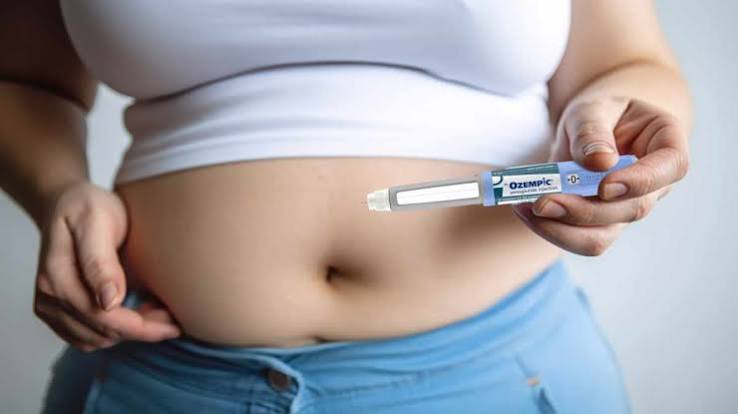
Prescription weight loss medication has gone mainstream. What was once a quiet corner of obesity medicine is now one of the most talked-about categories in healthcare, and for good reason. The newer GLP-1 and GIP drugs produce results that older pills never came close to, and millions of people who struggled for years are finally seeing the scale move.
But the options can be confusing. Some of these drugs are injections taken weekly. Others are daily pills with very different mechanisms. Each one comes with its own side effect profile, cost, and eligibility rules. If you’re weighing prescription weight loss drugs for the first time, the choice you make with your doctor matters as much as the decision to start.
This guide covers the six most prescribed, FDA-approved medications for weight management. Read on to find out what each one does, who it suits, what the clinical trial data says, and where each falls short.
Best Weight Loss Medications

Every medication on this list is approved by the FDA for chronic weight management, but they work in different ways. Some quiet appetite signals in the brain while others block fat absorption in the gut. The right fit depends on your health history, your budget, and how much weight you need to lose.
1. Zepbound (tirzepatide)
Zepbound is the strongest prescription weight loss medication on the market right now. It’s a once-weekly injection that activates both GLP-1 and GIP receptors, a dual action that reduces appetite and slows digestion more aggressively than GLP-1-only drugs.
In clinical trials for weight loss, people taking the highest dose lost an average of around 20 percent of their body weight over 72 weeks. That’s close to what bariatric surgery achieves for some patients. It’s also approved to treat obstructive sleep apnea in adults with obesity, which no competitor can claim yet.
Common side effects include nausea, diarrhea, and constipation, mostly during dose increases. It carries a boxed warning about thyroid tumors seen in rodent studies, so anyone with a personal or family history of medullary thyroid carcinoma or multiple endocrine neoplasia syndrome type 2 should not take it. Cash pricing through LillyDirect runs roughly $349 to $499 per month depending on dose. Some buyers also access tirzepatide through telehealth providers like TrimRx, which pairs the prescription with ongoing provider support.
Best For: people with a BMI of 30 or higher who want maximum results and can tolerate a weekly injection.
2. Wegovy (semaglutide)
Wegovy is the medication that started the GLP-1 boom, and it remains a top choice. It’s a once-weekly injectable medication using semaglutide, the same molecule as the type 2 diabetes drug Ozempic, at a higher dose approved for weight loss.
Average weight loss in trials landed around 15 percent of starting weight over 68 weeks. Wegovy also has proven cardiovascular benefit. The FDA approved it to reduce the risk of heart attack and stroke in adults with heart disease and obesity or overweight, which matters if you have high blood pressure or other weight-related health conditions.
Side effects mirror Zepbound’s. Nausea, vomiting, and stomach upset are most common early on, and the same thyroid tumor warning applies. NovoCare Pharmacy offers it around $499 per month for cash payers, and telehealth services such as TrimRx offer semaglutide-based programs with medical oversight included.
Best For: people who want strong results plus heart health data, or whose insurance covers semaglutide but not tirzepatide.
3. Qsymia (phentermine/topiramate)
Qsymia is the most effective pill on this list, and it’s been around since 2012. It combines phentermine, an appetite suppressant, with topiramate extended-release, a drug that affects hunger and satiety signals. Taken once daily, it helped people lose around 9 to 11 percent of their body weight in trials, depending on dose.
That’s well below the GLP-1 injectables, but Qsymia costs a fraction of the price, often $100 to $200 per month through the manufacturer’s savings programs. For buyers paying cash who can’t afford $400-plus monthly injections, it’s a practical middle ground.
The trade-offs are real. Possible side effects include tingling in the hands and feet, dry mouth, insomnia, and increased heart rate. It can’t be used during pregnancy because topiramate raises the risk of birth defects, and it’s a controlled substance, which means stricter prescribing rules. People with uncontrolled high blood pressure or heart disease are generally steered elsewhere.
Best For: budget-conscious buyers who want meaningful results from a pill and have no heart or pregnancy concerns.
4. Saxenda (liraglutide)
Saxenda was the first GLP-1 approved for weight management, back in 2014. Liraglutide works like semaglutide but with one big inconvenience: it’s a daily injection, not weekly.
Trial results show average weight loss around 8 percent of body weight, roughly half of what Wegovy delivers. That gap, plus the daily shots, has pushed Saxenda down the pecking order. It still has a role, though. It’s approved for teens aged 12 and up with obesity, one of the few options for younger patients, and some people who can’t tolerate semaglutide do fine on liraglutide.
Common side effects include nausea and digestive upset, same family as the other GLP-1s. Pricing without insurance is steep relative to its results, often $1,000 or more per month at retail, though generic liraglutide versions have started bringing that down.
Best For: adolescents with obesity, or adults who respond poorly to semaglutide but want a GLP-1.
5. Contrave (naltrexone/bupropion)
Contrave combines two older drugs into one daily tablet. Bupropion is an antidepressant that also affects appetite, and naltrexone blocks opioid receptors involved in food reward. Together they target cravings and emotional eating, which makes Contrave a different tool than the appetite-suppressing injections.
Weight loss averages 5 to 6 percent of body weight in trials. Modest, but for someone whose eating is driven by cravings rather than physical hunger, it can work where other drugs haven’t. It’s also taken as a pill, costs around $99 per month through the manufacturer’s access program, and avoids needles entirely.
Side effects include nausea, headache, and constipation, and it can raise blood pressure and heart rate, so it’s not for people with uncontrolled hypertension. Anyone taking opioids can’t use it, since naltrexone blocks them.
Best For: people who struggle with food cravings or emotional eating and prefer an affordable pill.
6. Xenical (orlistat)
Xenical is the old-timer of the group, approved in 1999. Orlistat works in the gut, blocking about 30 percent of dietary fat from being absorbed. It never touches the brain, so there are no appetite or mood effects, and no cardiovascular warnings.
The results are the most modest here, typically 5 percent of body weight over a year, and the side effects are famously unpleasant. Oily spotting, gas, and urgent bowel movements happen when you eat too much fat while taking it. That actually functions as a crude behavioral tool, but plenty of people quit because of it.
The upside: it’s cheap, available in a lower over-the-counter dose (alli), and safe for people who can’t take stimulants or GLP-1 drugs. It also slightly improves cholesterol and blood sugar numbers.
Best For: people who want a non-systemic, low-cost option and are willing to follow a lower-fat diet.
What to Look for When Choosing a Weight-Loss Medication
Start with eligibility. Most of these drugs are approved for adults with a BMI of 30 or higher, or a BMI of 27 with a weight-related health condition like type 2 diabetes or high blood pressure. Your doctor will check that first.
Next, weigh results against lifestyle fit. The injectables produce roughly double the weight loss of the pills, but they cost more and require refrigeration and needles. If you travel constantly or hate shots, a pill you’ll actually take beats an injection you’ll avoid.
Then look at your medical history. Thyroid cancer history rules out GLP-1 drugs. Pregnancy plans rule out Qsymia. Opioid use rules out Contrave. Uncontrolled high blood pressure narrows the field further. This is why these are prescription medications to treat overweight and obesity, not over-the-counter supplements.
How Much Do Weight Loss Medications Cost?
The spread is wide. Brand-name GLP-1 injectables list around $1,000 to $1,350 per month at retail, though manufacturer direct programs have cut cash prices to roughly $349 to $499. Older pills like Contrave and Qsymia run $100 to $200 per month with savings programs, and orlistat is the cheapest of all.
Insurance coverage is the wildcard. Many plans cover these drugs to treat type 2 diabetes but exclude them for weight management. Always check your formulary before assuming you’ll pay cash.
Common Mistakes Buyers Make
The biggest mistake is stopping too early. Obesity is a chronic disease, and trial data shows most people regain weight within a year of stopping medication. Plan for long-term treatment, not a three-month fix.
Another is ignoring lifestyle changes. These medications help you lose weight by reducing appetite or fat absorption, but protein intake and strength training determine whether you lose fat or muscle along the way. The National Institute of Diabetes and Digestive and Kidney Diseases emphasizes that medication works best alongside diet and activity changes, not instead of them.
Finally, don’t buy from any source that skips the prescription process. Legitimate medications for weight loss require a licensed clinician, full stop.
Frequently Asked Questions
Which weight loss medication produces the most weight loss?
Zepbound leads, with average losses near 20 percent of body weight in trials. Wegovy follows at around 15 percent.
Are these medications safe long term?
The GLP-1 drugs have years of safety data from diabetes use, and most side effects are digestive and manageable. Each carries specific warnings your prescriber should review with you.
Can you take these with type 2 diabetes?
Yes. Several of these drugs are also used to treat type 2 diabetes, and weight loss itself improves blood sugar. Your doctor may adjust diabetes medications as you lose weight.
How long before results show?
Appetite changes often appear within weeks. Meaningful weight loss builds over three to six months, with full results taking a year or more.
The Bottom Line
The best weight loss medications give you real options at every price point. If maximum results matter most and the budget allows, Zepbound is the clear leader, with Wegovy close behind plus cardiovascular benefits. If cost or needle phobia drives the decision, Qsymia and Contrave offer honest, smaller results in pill form. Saxenda fills a niche for teens and GLP-1-sensitive patients, and Xenical remains the low-cost, non-systemic standby.
Whatever you choose, make the decision with a clinician who knows your history, budget for at least a year of treatment, and treat the medication as a tool rather than a cure. That’s how people lose weight and keep it off.

Transforming Lives, One Step at a Time
Keep reading

What to Do With a Full Pantry You No Longer Eat From
Sort it into three piles rather than clearing it all out: donate, keep, and discard. The mistake most people make is emptying the whole…

How to Handle a Business Dinner When the Client Orders for the Table
This is the one dining situation where your usual tools do not work. You cannot order a starter as your main, cannot ask for…

How to Handle Group Dinners Where Everyone Shares Plates
Shared dining is generally easier than a fixed plate, not harder, and it is worth going in with that framing. When everyone is taking…


