Beyond Ozempic: Your Guide to Continued Weight Loss Success
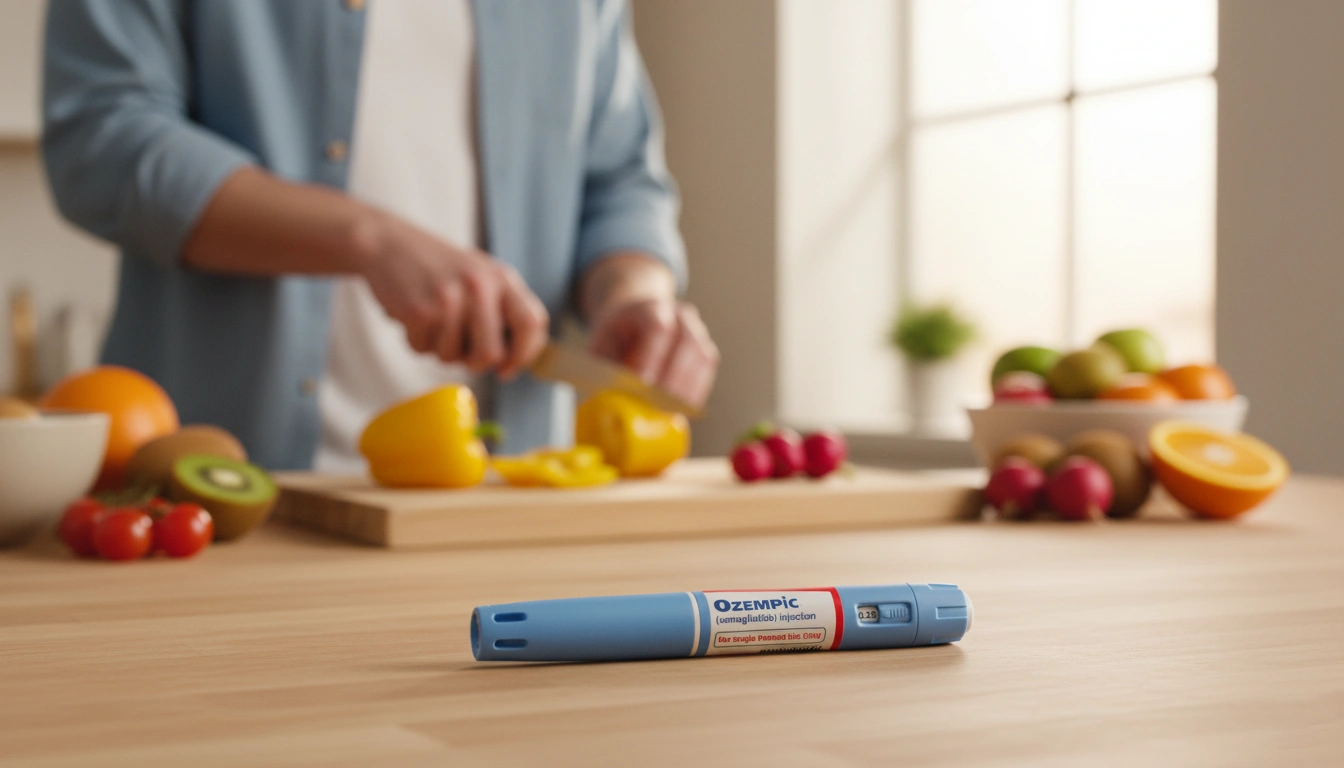
The pursuit of a healthier weight is a deeply personal and often challenging journey, brimming with hope for effective solutions. When breakthrough medications like Ozempic emerge, promising significant results, it’s natural to feel a surge of optimism. Many individuals have indeed experienced life-changing transformations, celebrating considerable weight loss and improved health outcomes. However, the reality, as with any medical intervention, is nuanced: for a segment of the population, the expected results do not materialize. You might hear stories of others shedding pounds with ease, only to find yourself asking, “Can Ozempic not work for some people?” This question, far from being a sign of personal failure, points to the complex interplay of biology, lifestyle, and medical factors that shape individual responses to weight loss treatments.
In this comprehensive guide, we at TrimRx aim to demystify why some individuals may not experience the anticipated weight loss with GLP-1 medications like Ozempic. Our journey began with a shared vision: to help individuals embrace healthier lifestyles by merging cutting-edge telehealth innovations with effective weight loss solutions. We understand that sustainable weight loss should be achieved through science, empathy, and a transparent approach. This post will delve into the various reasons behind non-response, from adherence challenges and the critical role of lifestyle to the subtle influence of individual biology and other underlying health conditions. We’ll explore what it means to be a “non-responder,” shed light on the science, and, most importantly, provide actionable insights and alternative pathways to help you regain momentum in your weight loss efforts. By the end, you will understand that a lack of expected progress isn’t an endpoint, but rather an invitation to explore a more personalized and informed approach to your well-being.
Understanding GLP-1 Medications and Expected Outcomes
GLP-1 receptor agonists, such as Semaglutide (the active ingredient in Ozempic and Wegovy) and Tirzepatide (found in Mounjaro and Zepbound), represent a significant advancement in the landscape of weight management. These medications mimic the action of a natural hormone, glucagon-like peptide-1 (GLP-1), which your body releases after eating. Their mechanism of action is multifaceted and powerful: they slow down gastric emptying, leading to a prolonged feeling of fullness (satiety); they signal the brain to reduce appetite and cravings; and for those with type 2 diabetes, they stimulate insulin secretion in a glucose-dependent manner, helping to regulate blood sugar.
The clinical trials for these medications have demonstrated impressive results for many. For instance, a 2021 clinical trial involving over 800 participants indicated that 86.2% achieved “clinically significant” weight loss (defined as 5% or more body weight reduction) after taking weekly doses of semaglutide for 68 weeks. Similar studies on tirzepatide for weight loss showed even more profound results, with participants losing between 15% and 21% of their body weight, depending on the dose. These statistics highlight why GLP-1 medications are often referred to as “game-changers” for individuals living with obesity or overweight.
However, these promising numbers also reveal a crucial aspect: not everyone responds in the same way. The same trials indicate that a portion of individuals—around 13.8% in the semaglutide study—did not achieve clinically significant weight loss. Real-world data suggests this “non-responder” rate could be as high as one in four, meaning they lose less than 5% of their body weight after three months of treatment. Understanding that this variability exists is the first step toward a more empathetic and effective approach to weight management. It underscores our belief at TrimRx that while these medications are powerful tools, they are part of a larger, individualized strategy. We offer a range of these powerful tools, including [Compounded Semaglutide], [Oral Semaglutide], [Ozempic®], [Compounded Tirzepatide], [Oral Tirzepatide], [Mounjaro®], [Zepbound®], and [Wegovy®], ensuring that we have options tailored to diverse needs, and we always partner with FDA-registered and inspected pharmacies for their provision.
Navigating the Reasons Why Ozempic Might Not Be Working
When faced with a lack of expected progress on Ozempic or similar GLP-1 medications, it’s natural to feel frustrated. However, recognizing that many factors contribute to individual responses can shift the perspective from self-blame to proactive problem-solving. At TrimRx, we approach these challenges with compassion and a commitment to personalized care, understanding that every individual’s unique journey requires a tailored strategy. Let’s explore the multifaceted reasons why “can Ozempic not work for some people” is a valid and important question.
Adherence and Dosing: Consistency is Key
The effectiveness of any medication, especially one designed for long-term conditions like weight management, hinges significantly on consistent and correct usage.
The Importance of Taking Medication as Prescribed
GLP-1 medications are typically introduced at a low dose and gradually increased over several weeks, a process known as titration. This gradual escalation is essential for minimizing potential side effects and allowing your body to adjust safely. For instance, it can take up to three to four months to reach the full maintenance dosage of Ozempic. During these initial weeks, you might not see significant weight loss, as the body is still acclimating and the dose may not yet be therapeutic for weight management. Patience during this ramp-up phase is paramount.
Skipping doses or discontinuing medication prematurely can severely impede results. The half-life of Ozempic, for example, is approximately one week, meaning its effects diminish if the weekly injection is missed. Clinical trials typically follow patients for extended periods—often 68 weeks or more—because the full benefits often accrue over time. Studies have shown that individuals who stop taking semaglutide tend to regain about two-thirds of the weight lost within a year. Our comprehensive service at TrimRx includes doctor consultations and unlimited support, ensuring you have the guidance to adhere to your prescribed regimen and understand its importance.
Managing Side Effects
While many individuals tolerate GLP-1 medications well, some experience side effects such as nausea, vomiting, diarrhea, or constipation. For a small percentage, these side effects can be severe enough to lead to discontinuation. It’s crucial to have open communication with your healthcare provider if side effects are impacting your quality of life or adherence. Often, these side effects can be managed with dietary adjustments or other supportive medications, allowing you to continue treatment. Our dedicated support team is here to help you navigate any challenges, ensuring our approach remains consistent regardless of dosage changes.
The Foundational Role of Lifestyle Interventions
While GLP-1 medications are powerful tools, they are most effective when integrated into a holistic health strategy. They are not a “magic bullet” but rather an enhancer for established healthy habits.
Diet and Nutrition
GLP-1 medications aid in reducing appetite and increasing satiety, but the quality and quantity of food consumed still play a critical role.
- Balanced Eating: Focusing on a diet rich in fruits, vegetables, lean proteins, and whole grains is essential. Reducing intake of highly processed foods, sugary drinks, refined carbohydrates, and unhealthy fats complements the medication’s effects.
- Protein and Fiber Intake: Adequate protein (around 1.2-1.6 grams per kilogram of body weight per day for weight loss) and fiber (25-38 grams per day) are crucial. These macronutrients enhance satiety, help preserve muscle mass during weight loss, and support digestive health, which can be particularly beneficial for managing GLP-1 side effects like constipation.
- Calorie Deficit: Even with reduced appetite, a sustainable caloric deficit is generally necessary for weight loss. Mindful eating practices, such as eating without distraction and paying attention to hunger and fullness cues, can naturally lead to consuming fewer calories. Our [GLP-1 Daily Support] and [Weight Loss Boost] supplements are designed to provide additional nutritional assistance and energy, complementing these dietary efforts and supporting overall wellness during your journey.
Physical Activity
Exercise is indispensable for comprehensive weight management, working synergistically with GLP-1 medications.
- Preserving Muscle Mass: Weight loss, especially rapid loss, can sometimes lead to a reduction in muscle mass. Incorporating strength or resistance training alongside aerobic exercise helps preserve muscle, which is vital for maintaining a healthy metabolism and preventing injury.
- Boosting Metabolism: Regular physical activity, particularly a combination of aerobic and strength training, can help counteract the natural metabolic slowdown that occurs with weight loss. Aiming for 150-300 minutes of moderate-intensity exercise per week is a good starting point.
- Overall Well-being: Beyond direct weight impact, exercise improves cardiovascular health, mood, and sleep quality—all integral components of a successful weight loss journey.
Sleep, Stress, and Social Connections
These often-overlooked pillars of lifestyle medicine significantly influence weight.
- Quality Sleep: Insufficient sleep can disrupt hormones that regulate appetite (ghrelin and leptin) and metabolism, making weight loss more challenging. Aim for 7-9 hours of quality sleep per night.
- Stress Management: Chronic stress can lead to increased cortisol levels, which can promote fat storage, especially around the abdomen, and contribute to emotional eating. Techniques like meditation, yoga, or spending time in nature can be beneficial.
- Social Support: Maintaining strong social relationships can provide emotional support and accountability, which are powerful motivators in any health endeavor.
At TrimRx, our empathetic and supportive approach extends beyond medication. We believe in empowering you with the knowledge and resources to cultivate these essential lifestyle habits, ensuring a more sustainable and holistic path to health.
Individual Biological Variations: The Unique Blueprint
Every individual’s body is a complex system, and responses to medication can vary due to inherent biological differences. This is a primary reason why “can Ozempic not work for some people.”
Genetics and Metabolic Rate
Your genes and baseline metabolic rate (how quickly your body burns calories) play a significant role in how you respond to weight loss interventions, including GLP-1 medications. Some individuals may simply be genetically predisposed to a slower or different response. Researchers are actively studying specific genetic variants that might influence GLP-1 drug effectiveness, although concrete clinical predictors are still being developed. Our commitment to personalized care at TrimRx recognizes this inherent variability.
Obesity Phenotypes
Cutting-edge research, including work at the Mayo Clinic, identifies different biological “phenotypes” of obesity, which describe what drives an individual’s excess weight.
- “Hungry Brain” vs. “Hungry Gut”: Some individuals might have a “hungry brain” phenotype, meaning they require an abnormally high number of calories to feel full, impacting their response to appetite-suppressing drugs. Others might have a “hungry gut” phenotype, feeling full quickly but becoming hungry again soon after. GLP-1 drugs, by prolonging satiety after meals, might be more effective for the “hungry gut” phenotype, while other medications targeting brain pathways might be better for a “hungry brain.” This area of research highlights the need for precision medicine in weight management.
Insulin Resistance and Pre-existing Metabolic Conditions
Ozempic was initially approved for type 2 diabetes, primarily to lower A1C and improve blood sugar control. While it also promotes weight loss, individuals with pre-established metabolic diseases like type 2 diabetes or significant insulin resistance may experience less dramatic weight loss compared to those without these conditions. This is because their bodies’ ability to respond to GLP-1 and stimulate insulin secretion might be reduced, making it more challenging to reverse long-standing metabolic abnormalities. Our medically supervised programs are designed to consider such complexities, aiming for comprehensive health improvements.
Other Undiagnosed or Untreated Medical Issues
Unaddressed health conditions can significantly hinder weight loss efforts, regardless of medication.
- Hormonal Imbalances: Conditions like hypothyroidism (an underactive thyroid) can slow metabolism and cause weight gain.
- Sleep Disorders: Untreated sleep apnea or chronic insomnia can disrupt hormones and metabolic processes, making weight loss difficult.
- Eating Disorders: Certain eating disorders, such as binge eating disorder, can interfere with treatment effectiveness. While GLP-1s show promise in reducing some eating disorder behaviors, they may not resolve all underlying psychological aspects.
- Medication Interference: Certain medications prescribed for other conditions, such as some antidepressants, corticosteroids, or beta-blockers, can promote weight gain or interfere with weight loss mechanisms. It’s crucial to discuss all current medications with your healthcare provider.
Our platform is a user-friendly and supportive space where individuals receive personalized, medically supervised care, including thorough assessments to identify and address any underlying conditions that might impact your weight loss journey. To see if you qualify for a personalized treatment plan, you can [take our free assessment quiz].
The Weight Loss Plateau: A Normal Part of the Journey
Even for those who initially see success, hitting a weight loss plateau can be frustrating. This common phenomenon is often a natural physiological response, not a failure of the medication or effort.
The Body’s Adaptive Mechanisms
As you lose weight, your body’s metabolism naturally slows down. This is a built-in survival mechanism, as your body requires fewer calories to maintain a lighter weight, and it adapts to conserve energy. Hormonal shifts can also occur, sometimes increasing appetite or cravings for high-calorie foods. This is why sustainable weight loss is rarely a straight line; it often involves periods of rapid loss, followed by plateaus. Most people experience the most rapid weight loss within the first three to six months of starting a GLP-1 medication, with a slower pace and occasional plateaus thereafter.
Strategies to Break Through a Plateau
- Re-evaluate Diet and Exercise: Revisit your caloric intake, ensuring you maintain a deficit. Consider increasing protein and fiber. Intensify or vary your exercise routine, perhaps incorporating more strength training to boost metabolism.
- Optimize Sleep and Stress: Ensure you’re getting adequate, quality sleep and actively managing stress, as these can impact your metabolism and adherence to healthy habits.
- Hydration: Drinking enough water is crucial for metabolic function and can aid satiety.
- Consistency and Patience: Breaking through a plateau often requires persistence and minor adjustments rather than drastic changes.
At TrimRx, we are results-oriented and provide comprehensive support to help you navigate these challenges. We believe in providing compassionate care that respects every individual’s unique journey, and that includes understanding and addressing plateaus as part of the natural process.
What to Do If Ozempic Isn’t Working for You
Discovering that a medication like Ozempic isn’t yielding the expected results can be disheartening, but it’s not the end of your weight loss journey. Instead, it’s an opportunity to collaborate with healthcare professionals and explore alternative, more suitable paths. Our brand is built on being empathetic, innovative, trustworthy, supportive, results-oriented, and personalized, offering compassionate care that respects every individual’s unique journey.
Open Dialogue with Your Healthcare Provider
The first and most critical step is to engage in an open and honest conversation with your medical provider. They are your partner in health and can help evaluate various factors.
- Comprehensive Assessment: Your provider can review your medical history, current health conditions, other medications you’re taking, and adherence to the Ozempic regimen. They can also assess for undiagnosed conditions that might be impeding progress.
- Dose Adjustment: If you are still on a lower dose, your provider might suggest gradually increasing it, as higher doses are often associated with greater weight loss.
- Side Effect Management: Discuss any side effects you are experiencing. Often, these can be managed through adjustments in diet, timing of medication, or the addition of supportive over-the-counter or prescription remedies, allowing you to continue your treatment comfortably. Remember, the goal of these medications is to improve your health and quality of life.
At TrimRx, our personalized weight loss programs begin with a thorough doctor consultation, ensuring that all individual factors are considered to create a safe and effective plan. We also provide unlimited support throughout your journey, fostering a continuous dialogue to address any concerns.
Re-evaluating and Optimizing Lifestyle
While GLP-1 medications are powerful, they function optimally when supported by foundational lifestyle changes. Take this opportunity to conduct a self-assessment of your daily habits.
- Dietary Review: Are you consistently consuming a balanced diet rich in protein and fiber, limiting processed foods, and maintaining a caloric deficit? Consider keeping a food diary to identify hidden calories or nutritional gaps. Our quick-access supplements like [GLP-1 Daily Support] and [Weight Loss Boost] can offer additional nutritional support as you refine your diet.
- Exercise Regimen: Are you incorporating enough physical activity, including both aerobic and strength training, to support metabolism and muscle preservation? Perhaps it’s time to increase intensity or vary your routine.
- Sleep and Stress: Are you prioritizing adequate sleep (7-9 hours) and employing effective strategies for stress management? These elements are crucial for hormonal balance and overall well-being, directly impacting weight.
- Hydration: Ensure you are drinking enough water throughout the day, which supports metabolism and satiety.
Small, consistent tweaks in these areas can often lead to significant breakthroughs, especially when combined with medication.
Exploring Alternative Medications and Approaches
If, after thorough evaluation and adjustments, Ozempic still isn’t proving effective, it’s reassuring to know that other clinically proven options are available. The landscape of weight loss medication is evolving, offering diverse mechanisms of action that might be better suited to your unique biology.
- Different GLP-1 Options: While Ozempic (semaglutide) is widely recognized, other GLP-1 receptor agonists like Wegovy (a higher dose of semaglutide specifically approved for weight loss) or Saxenda (liraglutide) might offer different responses for some individuals.
- Tirzepatide (Dual Agonist): Medications like Zepbound (tirzepatide), which is approved for weight loss, and Mounjaro (tirzepatide), which is approved for type 2 diabetes, represent a newer class of medication. Tirzepatide is a dual GIP and GLP-1 receptor agonist, meaning it mimics two natural hormones that regulate blood sugar and appetite. Clinical trials have shown that tirzepatide can lead to even greater weight loss percentages compared to semaglutide for many individuals.
- Compounded Medications: For those exploring options, compounded versions of semaglutide and tirzepatide can also be considered, provided through FDA-registered and inspected pharmacies. It’s important to clarify that compounded medications are not FDA approved, but the pharmacies we partner with for shipping are meticulously vetted to ensure safety and quality.
- Oral Formulations: For some, an oral form of semaglutide or tirzepatide might be a more convenient option, affecting adherence and potentially improving outcomes.
At TrimRx, we are dedicated to providing a personalized approach to weight loss. Our platform offers a comprehensive suite of solutions, including [Compounded Semaglutide], [Oral Semaglutide], [Ozempic®], [Compounded Tirzepatide], [Oral Tirzepatide], [Mounjaro®], [Zepbound®], and [Wegovy®]. We believe in transparent service, highlighting that our approach remains consistent regardless of dosage changes. Our free assessment quiz is designed to help determine your eligibility for these prescription weight loss medications and guide you toward a personalized treatment plan with a qualified medical professional. [Take our free assessment quiz] today to explore which option might be the best fit for your unique needs.
Remember, your weight loss journey is ongoing, and encountering challenges like non-response to a particular medication is a step in understanding your body better. With the right support, personalized guidance, and a willingness to explore various strategies, achieving your health goals is absolutely attainable.
Conclusion
The question, “Can Ozempic not work for some people?” is not just valid but essential for a realistic and empathetic approach to weight management. We’ve explored the multifaceted reasons behind varied responses to GLP-1 medications like Ozempic, from adherence challenges and the indispensable role of lifestyle factors to the intricate nuances of individual biology and the natural occurrence of weight loss plateaus. Understanding these complexities reveals that a lack of expected progress is rarely a personal failing, but rather an indicator that a different strategy or a deeper dive into underlying factors may be needed.
At TrimRx, our journey began with a vision to merge cutting-edge telehealth innovations with effective weight loss solutions, creating a user-friendly and supportive space for personalized, medically supervised care. We firmly believe that sustainable weight loss should be achieved through science, empathy, and a transparent approach. Our brand is built on being empathetic, innovative, trustworthy, supportive, results-oriented, and personalized, ensuring that we offer compassionate care that respects every individual’s unique journey.
If your current path isn’t yielding the desired results, remember that you have options and support. By engaging in open dialogue with healthcare professionals, critically evaluating your lifestyle habits, and exploring the diverse range of clinically proven medications available today, you can redirect your journey towards success. We partner exclusively with FDA-registered and inspected pharmacies for the shipping of weight loss medications, ensuring safety and quality as you pursue your goals. Whether you’re considering our robust personalized programs with medications like [Compounded Semaglutide], [Oral Semaglutide], [Ozempic®], [Compounded Tirzepatide], [Oral Tirzepatide], [Mounjaro®], [Zepbound®], or [Wegovy®], or seeking immediate support through our [GLP-1 Daily Support] and [Weight Loss Boost] supplements, we are here to empower you.
Your health journey is unique, and with the right tools, knowledge, and support, sustainable weight loss is attainable and tailored to you. We encourage you to take the next step towards a healthier, happier you. To determine your eligibility for our prescription weight loss medications and receive a personalized treatment plan, we invite you to [take our free assessment quiz] today.
Frequently Asked Questions
Q1: How long should I typically wait to see weight loss results with Ozempic before considering it “not working”?
Most people begin to see some weight loss within the first 4-12 weeks of starting Ozempic, especially as the dosage is gradually increased (titrated) to reach the therapeutic level. However, significant and sustained weight loss often occurs over a longer period, with clinical trials extending to 68 weeks or more. If you’ve been on a consistent, higher dose for 12 weeks or more without any measurable progress, it’s a good time to discuss this with your healthcare provider.
Q2: Can lifestyle changes truly make a difference if Ozempic isn’t working for me?
Absolutely. Lifestyle changes are a critical foundation for successful weight loss, whether or not you are taking medication. GLP-1 medications like Ozempic are powerful tools that enhance the body’s natural satiety and metabolic regulation, but they work best in synergy with a balanced diet, regular physical activity, adequate sleep, and stress management. Optimizing these lifestyle factors can significantly improve your response to medication or help break through a weight loss plateau. Our [GLP-1 Daily Support] and [Weight Loss Boost] supplements can also help complement these efforts.
Q3: What are some alternative medications or approaches if Ozempic is not effective for my weight loss?
If Ozempic isn’t yielding the desired results, several other options are available. These include other GLP-1 receptor agonists like Wegovy (a higher-dose semaglutide specifically for weight loss) or Saxenda (liraglutide). Additionally, dual GIP/GLP-1 receptor agonists such as Zepbound (tirzepatide) or Mounjaro (tirzepatide) have shown even greater weight loss in clinical studies. Other approaches might include compounded versions of these medications, or, in some cases, other non-GLP-1 weight management medications, all of which should be discussed with a qualified medical professional. To explore a personalized treatment plan, you can [take our free assessment quiz].
Q4: Is it possible for Ozempic to stop working after it has been effective for a while?
Yes, it is possible to experience a weight loss plateau or a slowdown in progress even after initial success on Ozempic. This is a common physiological response as your body adapts to a lower weight, leading to a natural decrease in metabolic rate. It doesn’t necessarily mean the medication has stopped working entirely, but rather that your body has adjusted. In such cases, re-evaluating your lifestyle habits, discussing potential dose adjustments with your provider, or exploring other strategies to overcome the plateau can be very effective.

Transforming Lives, One Step at a Time
Keep reading

Does Ozempic Affect Sleep: What Patients Experience
Sleep changes on Ozempic catch a lot of patients off guard. You might expect nausea or reduced appetite, but disrupted rest isn’t something most…

Ozempic While Sick: Managing Colds, Flu, and Illness
Getting sick while on Ozempic raises questions that don’t always have obvious answers. Should you take your dose as usual? What happens if you…

Ozempic and Gas: Why It Happens and How to Manage It
Gas is one of those Ozempic side effects that people don’t always bring up with their doctor but absolutely notice. Excess flatulence, bloating, and…


