Beyond the Dose: Can Ozempic Pens Be Recycled for a Healthier Future?
Introduction
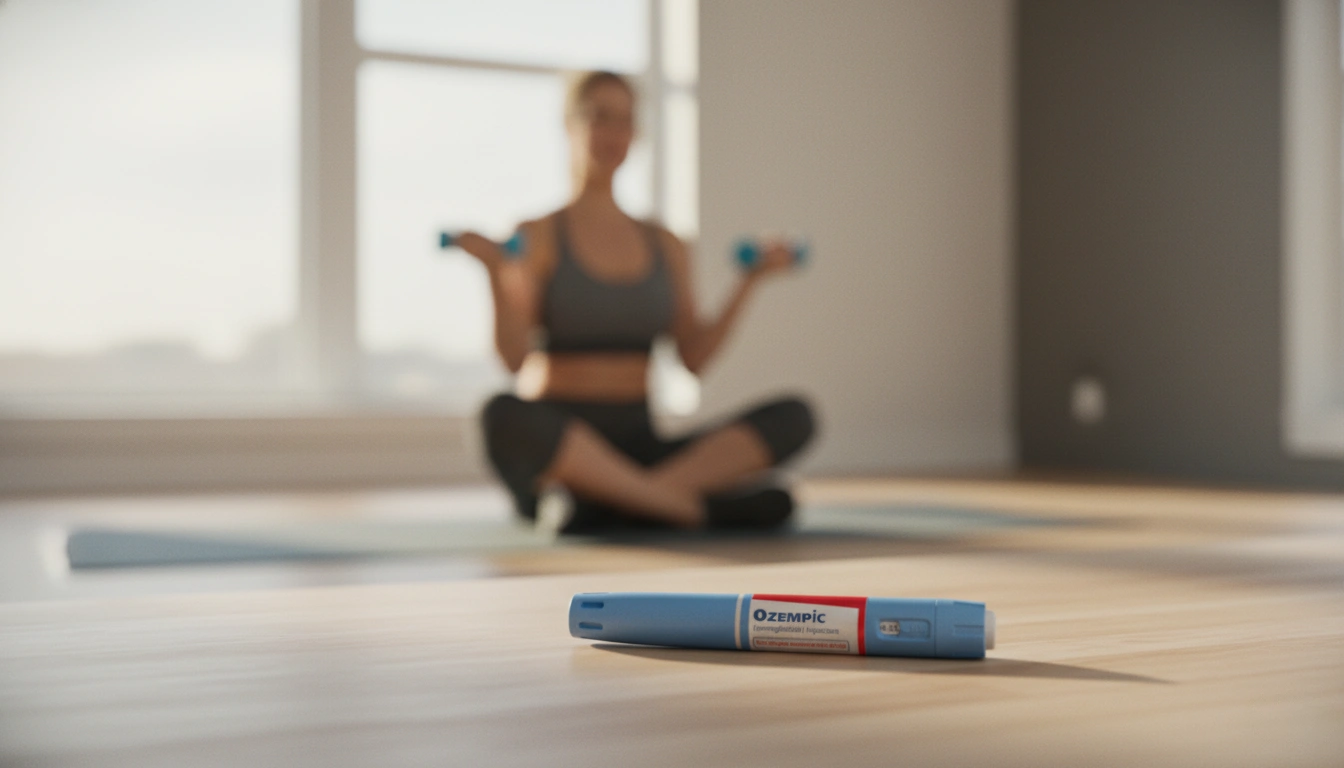
The conversation around health and well-being has expanded significantly in recent years, reaching into every corner of our lives, from the food we eat to the medications we rely on. With the remarkable advancements in treatments for conditions like type 2 diabetes and obesity, injectable medications, particularly GLP-1 receptor agonists such as Ozempic, have become increasingly prevalent. Millions of individuals globally now utilize these pens as a vital part of their health management journey. However, as the usage of these innovative devices surges, a critical question often arises once the final dose is delivered: what happens to the pen itself?
The environmental footprint of medical waste is a growing concern, and the improper disposal of medication pens contributes significantly to this challenge. It’s estimated that millions of medical pens are incinerated or sent to landfills annually, posing risks ranging from sharps injuries to long-term environmental pollution from plastics and metals that take centuries to degrade. This isn’t just a regulatory issue; it’s a matter of public health and ecological responsibility. As individuals embrace healthier lifestyles through tools like medication, the responsibility extends to how these tools are handled at the end of their useful life.
The purpose of this comprehensive guide is to illuminate the complexities of disposing of Ozempic pens and similar injectable devices, addressing the crucial question: can Ozempic pens be recycled? We will delve into the “why” behind proper disposal, explore the “how” with practical, actionable steps, and discuss the various avenues available for ensuring these items are handled safely and sustainably. By the end of this article, you will have a clear understanding of the environmental implications, the health hazards associated with improper disposal, and the specific guidelines you can follow to manage your medication waste responsibly. We will also highlight how our commitment at TrimRx to clinically proven, personalized weight loss solutions naturally extends to fostering environmentally conscious practices in health management, ensuring a holistic approach to your well-being.
The Growing Challenge of Medical Waste in a Health-Conscious World
As individuals increasingly prioritize their health and seek effective solutions for managing conditions such as type 2 diabetes and obesity, the landscape of medical treatments continues to evolve. Medications like Ozempic, a semaglutide injection, have transformed countless lives, offering new pathways to better health outcomes. This rise in therapeutic innovation, while overwhelmingly positive, introduces a parallel challenge: the responsible management of medical waste generated outside traditional healthcare settings. For many, a vital part of managing chronic conditions now involves self-administering injectable medications at home, bringing the complexities of medical waste disposal directly into our communities.
The sheer volume of medication pens, pre-filled syringes, and associated sharps now in circulation represents a significant environmental consideration. While precise global figures are challenging to ascertain, the dramatic increase in GLP-1 medication prescriptions in recent years underscores the scale of this issue. These pens, designed for ease of use and patient convenience, contain a combination of plastic and metal components, along with residual medication and sharp needles. If disposed of improperly, these materials can contribute to landfill burden, ocean pollution, and pose immediate biohazard risks.
The Hidden Impact: Why Improper Disposal Harms More Than Just the Environment
When a used Ozempic pen or any similar injectable device is simply tossed into a regular household trash or recycling bin, it creates a cascade of potential problems:
Environmental Degradation from Plastics and Metals
The primary components of many medication pens are various types of plastics and, often, metal springs or internal mechanisms. These materials are not readily biodegradable. Plastics can take hundreds of years to break down, leaching microplastics and other chemicals into the soil and water during that time. Metals, while potentially recyclable in specialized facilities, become contaminants in general waste streams or, worse, contribute to landfill expansion. The manufacturing process for these materials also consumes significant resources and energy, making their end-of-life management critical to a broader sustainability effort.
Public Health Risks from Sharps and Medication Residue
Perhaps the most immediate and critical danger of improper disposal is the risk posed by the needle itself. Used needles are classified as “sharps” and are considered biohazardous waste. Accidental needle-stick injuries can occur to anyone handling waste, from family members to sanitation workers, potentially transmitting bloodborne pathogens and leading to serious infections. Furthermore, residual medication, even in small quantities, can enter waterways if flushed or improperly landfilled, posing risks to aquatic ecosystems and potentially impacting human health through contaminated water sources. Our dedication at TrimRx to safe, effective weight loss solutions extends to encouraging safety in all aspects of your health journey, including proper medication disposal.
Legal and Community Responsibilities
Many regions have specific regulations governing the disposal of medical waste, including sharps. Failing to adhere to these guidelines can result in fines and, more importantly, undermines community efforts to maintain public health and environmental integrity. Responsible disposal is not just a suggestion; it’s a legal and ethical imperative that reflects our shared commitment to a healthier society and planet.
Demystifying Disposal: Can Ozempic Pens Be Recycled?
The core question for many environmentally conscious individuals is whether their used Ozempic pens can be recycled alongside everyday household items. The answer, while nuanced, is generally no, not through conventional curbside recycling programs. However, this doesn’t mean recycling or responsible material recovery isn’t possible through specific, specialized channels.
The Challenge of Standard Recycling Streams
Standard municipal recycling facilities are designed to process clean, segregated materials like specific types of plastic, paper, glass, and metal. Medication pens, even when “empty,” present several challenges that prevent them from being accepted in these streams:
- Biohazard Risk: The presence of a needle, even if capped or retracted, immediately flags the item as a biohazard. Recycling sorters and equipment are not designed to safely handle sharps, and the risk of needle-stick injuries is too high.
- Material Complexity: Ozempic pens are multi-material devices, often made from different types of plastics, metals, and sometimes glass, all fused together. Separating these materials for recycling is a complex and costly process that standard facilities are not equipped to do.
- Medication Residue: While pens are designed to deliver a precise dose, tiny amounts of medication might remain. These residues can contaminate recycling streams and are not safe for general processing.
Therefore, the critical first step in disposing of any injectable medication pen, including Ozempic, is to acknowledge that it cannot simply be tossed into your blue bin.
The Essential First Step: Proper Sharps Disposal
Before considering the pen body, the most crucial aspect of disposing of an Ozempic pen is the safe management of the needle.
Utilizing a Sharps Disposal Container
A designated sharps disposal container is the safest and most recommended method for disposing of used needles. These containers are specifically designed to be:
- Puncture-resistant: Made of heavy-duty plastic to prevent needles from piercing through.
- Leak-resistant: To contain any residual fluids.
- Closable with a tight-fitting, puncture-resistant lid: To prevent sharps from spilling out once full.
- Upright and stable: To prevent accidental tipping during use.
- Properly labeled: To warn of hazardous waste inside.
You can typically obtain sharps containers from pharmacies, medical supply stores, or through healthcare providers. We prioritize your well-being, and safe disposal is a critical part of maintaining that well-being.
DIY Alternatives for Sharps Disposal
If a commercially available sharps container isn’t immediately accessible, a heavy-duty plastic household container can serve as a temporary alternative. Suitable options include:
- An empty laundry detergent bottle.
- A sturdy liquid fabric softener bottle.
- An empty coffee tin with a secure lid.
Ensure the container meets the criteria for puncture-resistance and has a tight-fitting, unremovable lid. Once full, seal the lid with strong tape, label it clearly as “Sharps – Do Not Recycle,” and prepare it for specialized disposal as per local guidelines. Keep all sharps containers out of reach of children and pets.
Beyond the Needle: What About the Pen Body?
Once the needle is safely contained (many Ozempic pens have a removable needle that should be immediately placed in a sharps container), the question of the pen body remains. This is where options for environmental responsibility become more specific and often depend on manufacturer initiatives and local programs.
Manufacturer Take-Back Programs
Some pharmaceutical manufacturers, recognizing the environmental impact of their products, have initiated take-back or recycling programs for their empty medication pens. For instance, Novo Nordisk (the manufacturer of Ozempic) has developed programs like “PenCycle” in some regions, specifically designed to collect and recycle their used pens. These programs provide specialized return boxes for empty pens (with needles removed), allowing users to send them back for processing. The collected pens are then disassembled, and the plastic and metal components are recovered and recycled into new products.
While these programs may not be universally available, they represent a significant step towards sustainable medical device management. It’s always worth checking the manufacturer’s website or inquiring with your prescribing pharmacy or healthcare provider about the availability of such programs in your area. Our commitment to innovation at TrimRx means we support advancements in sustainable practices within the healthcare industry, aligning with our vision for a healthier future.
Pharmacy Take-Back Schemes
Many pharmacies participate in medication take-back programs that accept used sharps containers and, sometimes, the empty pen bodies themselves. These programs ensure that medical waste is collected by professionals and routed to appropriate disposal facilities. Checking with your local pharmacy is a convenient way to find out if they offer this service. They can provide specific guidance on what they accept and how to prepare items for return.
Local Waste Management Guidelines and Special Collections
Regulations for medical waste disposal vary significantly by state and even by municipality within the United States. Your local health department or waste management authority is the best resource for specific instructions in your area. Many communities offer:
- Household Hazardous Waste (HHW) collection events: These events often accept sharps containers and other medical waste.
- Mail-back programs: Some states or private companies offer prepaid mail-back envelopes or containers for safe sharps disposal.
- Designated drop-off sites: Certain hospitals, clinics, or police stations may serve as permanent collection points for sharps and unused medications.
- Special medical waste collection services: A few local councils may even offer residential pick-up services for medical waste, though these often come with specific requirements or a fee.
It is absolutely crucial to consult your local authorities before placing any medical waste, even securely contained sharps, into your regular household trash or recycling, as this may be illegal and unsafe in many areas.
Comprehensive Practices for Sustainable Health Management
Responsible disposal of medication pens like Ozempic is just one facet of a broader commitment to sustainable health. At TrimRx, we believe that embracing a healthier lifestyle goes hand-in-hand with making environmentally conscious choices, reflecting our core values of science, empathy, and a transparent approach. Our journey began with a shared vision to help individuals embrace healthier lifestyles by merging cutting-edge telehealth innovations with effective weight loss solutions. This holistic view of health extends to how we manage the tools that support our well-being.
Why Every Step Matters
Beyond the direct risks of improper disposal, cultivating responsible habits around medication waste contributes to a larger cultural shift. It raises awareness, encourages manufacturers to develop more sustainable packaging and device designs, and reinforces the idea that personal health and planetary health are inextricably linked. By taking the time to dispose of your Ozempic pen correctly, you are actively participating in:
- Protecting sanitation workers: Reducing the risk of accidental needle sticks.
- Preventing environmental contamination: Keeping plastics, metals, and drug residues out of landfills and waterways.
- Conserving resources: Supporting recycling efforts for valuable materials where specialized programs exist.
- Fostering a culture of responsibility: Setting an example for others and advocating for better waste management solutions.
TrimRx’s Commitment to Your Holistic Well-being
Our platform at TrimRx is a user-friendly and supportive space where individuals receive personalized, medically supervised care—all designed to make sustainable weight loss attainable and tailored to the individual. We embody an empathetic, innovative, trustworthy, supportive, results-oriented, and personalized brand personality. We offer compassionate care that respects every individual’s unique journey by combining advanced medical science with modern technology. Our commitment to transparent service—highlighting that our approach remains consistent regardless of dosage changes—and our focus on safety by working exclusively with FDA-registered and inspected pharmacies underscore every aspect of our care. We partner with these pharmacies for the shipping of weight loss medications, ensuring your safety and convenience.
Just as we guide you through a safe and effective weight loss journey, we also encourage mindful practices in every aspect of your health, including the responsible end-of-life management of your medication tools.
Discover Your Personalized Path to Health
For individuals seeking a medically supervised, personalized weight loss program, our offerings include:
- Compounded Semaglutide
- Oral Semaglutide
- Ozempic®
- Compounded Tirzepatide
- Oral Tirzepatide
- Mounjaro®
- Zepbound®
- Wegovy®
These prescription medications require a tailored approach. To see if you qualify and to receive a personalized treatment plan designed specifically for you, we encourage you to take our free assessment quiz. This quiz is the first step toward understanding your unique needs and how our expert medical team can support you. Our comprehensive service includes doctor consultations, medication, lab work, unlimited support, and shipping with no hidden fees, all delivered with our commitment to your success and safety.
Support Your Journey with Quick-Access Supplements
Beyond prescription medications, we understand that comprehensive wellness often benefits from additional support. For those looking for immediate ways to bolster their overall health during their weight loss journey, we offer quick-access supplements that do not require a quiz:
- GLP-1 Daily Support: Designed to complement your regimen and support your body’s natural processes.
- Weight Loss Boost: Formulated to assist with various aspects of weight management, providing an extra edge.
These supplements are readily available to help you feel your best as you progress towards your health goals.
The Future of Sustainable Healthcare: What Lies Ahead
The discussion around “can Ozempic pens be recycled” is part of a much larger global conversation about sustainability in healthcare. As the demand for effective treatments grows, so does the imperative for the pharmaceutical and medical device industries to innovate not only in therapeutic efficacy but also in environmental responsibility.
Looking forward, we anticipate several trends that will further improve the disposal and recycling of medical devices:
Advances in Bioplastics and Biodegradable Materials
Research and development are continually exploring new materials for medical devices, including bioplastics derived from renewable biomass sources and truly biodegradable polymers. While still facing regulatory hurdles and performance requirements, these materials hold promise for reducing the long-term environmental impact of single-use devices.
Expanded Producer Responsibility (EPR) Schemes
We expect to see more widespread implementation of Extended Producer Responsibility (EPR) schemes. Under EPR, manufacturers are responsible for the entire life cycle of their products, from design to end-of-life disposal and recycling. This incentivizes companies to design products that are easier to recycle, use fewer virgin materials, and establish robust take-back and recycling programs. Programs like Novo Nordisk’s ReMed™ initiative, which aims to expand globally, are a testament to this evolving responsibility, working towards circular economy principles by giving used pens a new life through dedicated collection and recycling efforts. Every injection pen collected and recycled through such support brings us closer to a collective ambition of zero environmental impact.
Enhanced Public Awareness and Education
The more informed individuals become about proper disposal practices, the greater the collective impact on public health and environmental protection. Educational campaigns, clear labeling, and accessible information on local disposal options will be crucial in empowering patients to make responsible choices. As a leading provider of personalized weight loss solutions, we are committed at TrimRx to being a part of this educational effort, ensuring our community is well-equipped with the knowledge needed for holistic well-being.
Collaboration Between Healthcare Providers, Patients, and Waste Management
Effective solutions require a multi-stakeholder approach. Healthcare providers, including those in telehealth like TrimRx, play a vital role in educating patients from the outset about disposal. Patients must actively follow guidelines. And waste management companies, in collaboration with local governments, need to establish and communicate clear, accessible pathways for medical waste collection and processing.
Conclusion
The question “can Ozempic pens be recycled” highlights a pivotal intersection of personal health, medical advancement, and environmental responsibility. While conventional recycling streams are not suitable due to biohazard risks and material complexity, the answer is not a simple “no.” Instead, it points to a more nuanced reality: proper disposal of the needle in a designated sharps container is paramount, and specialized recycling or recovery programs, often spearheaded by manufacturers or pharmacies, offer responsible pathways for the pen body.
As we navigate our individual health journeys, it’s increasingly clear that our choices have broader implications. Opting for proper disposal is a small but powerful act that contributes to public safety, environmental protection, and a more sustainable future for healthcare. At TrimRx, our foundation is built on merging cutting-edge telehealth innovations with effective, personalized weight loss solutions. Our commitment to your safe and effective weight loss journey encompasses every aspect of your well-being, including responsible medication management. We believe that sustainable weight loss should be achieved through science, empathy, and a transparent approach, values that extend to advocating for thoughtful environmental stewardship.
We encourage you to take proactive steps: understand your local waste disposal guidelines, utilize sharps containers diligently, and inquire about manufacturer or pharmacy take-back programs. For those embarking on or continuing a path to better health, remember that our comprehensive, medically supervised programs are designed to support you every step of the way. If you’re considering a personalized weight loss plan with options like Ozempic®, Semaglutide, or Tirzepatide, we invite you to take our free assessment quiz to determine your eligibility and discover a tailored solution. Additionally, explore our immediate support options like GLP-1 Daily Support and Weight Loss Boost to enhance your wellness journey. Together, we can strive for healthier lives and a healthier planet.
Frequently Asked Questions
Q1: Can Ozempic pens be placed in my regular household recycling bin?
No, Ozempic pens should generally not be placed in regular household recycling bins. This is primarily due to the biohazard risk from the needle (even if capped or retracted) and the complexity of the pen’s multi-material construction (different plastics, metals). Standard recycling facilities are not equipped to safely separate these components or handle medical waste, which could lead to contamination of recycling streams and pose risks to sanitation workers.
Q2: What is the most critical step for safely disposing of a used Ozempic pen?
The most critical step is the immediate and safe disposal of the needle component. All used needles, whether attached to the pen or separate, must be placed into a designated sharps disposal container. This prevents accidental needle-stick injuries to yourself or others and ensures the biohazardous component is contained securely. Many Ozempic pens have a removable needle that should be detached and placed directly into a sharps container.
Q3: What if I don’t have a specific sharps container at home? Are there alternatives?
Yes, if you don’t have a commercial sharps container, you can create a safe, temporary alternative using a heavy-duty plastic household container. Examples include an empty laundry detergent bottle, a sturdy liquid fabric softener bottle, or an empty coffee tin. Ensure the container is puncture-resistant, has a tight-fitting, unremovable lid, is stable, leak-resistant, and clearly labeled “Sharps – Do Not Recycle.” Once full, seal it securely with strong tape and dispose of it according to your local waste management guidelines for sharps.
Q4: Where can I find specific information about Ozempic pen disposal options in my local area of the USA?
To find the most accurate and up-to-date information for your specific location in the USA, you should contact your local health department, waste management authority, or municipal solid waste office. Many communities also offer household hazardous waste collection events, mail-back programs for sharps, or designated drop-off sites at hospitals, clinics, or pharmacies. Additionally, check the manufacturer’s (Novo Nordisk’s) website for any specific take-back or recycling programs they may offer for their pens in your region.

Transforming Lives, One Step at a Time
Keep reading

Ozempic and Bloating: Why It Happens and How to Reduce It
Bloating is one of the most consistently reported GI side effects of Ozempic, and it’s one that tends to linger longer than nausea for…

Ozempic and Muscle Cramps: Causes and Solutions
Muscle cramps don’t get as much attention as nausea or fatigue in conversations about Ozempic side effects, but they’re a real and often frustrating…
Ozempic and Dizziness: Causes and When to Call Your Doctor
Dizziness is one of those Ozempic side effects that tends to catch people off guard. Unlike nausea, which most patients expect going in, dizziness…


