Beyond the Dose: What to Do with Empty Ozempic Pens for Safe Disposal
Introduction
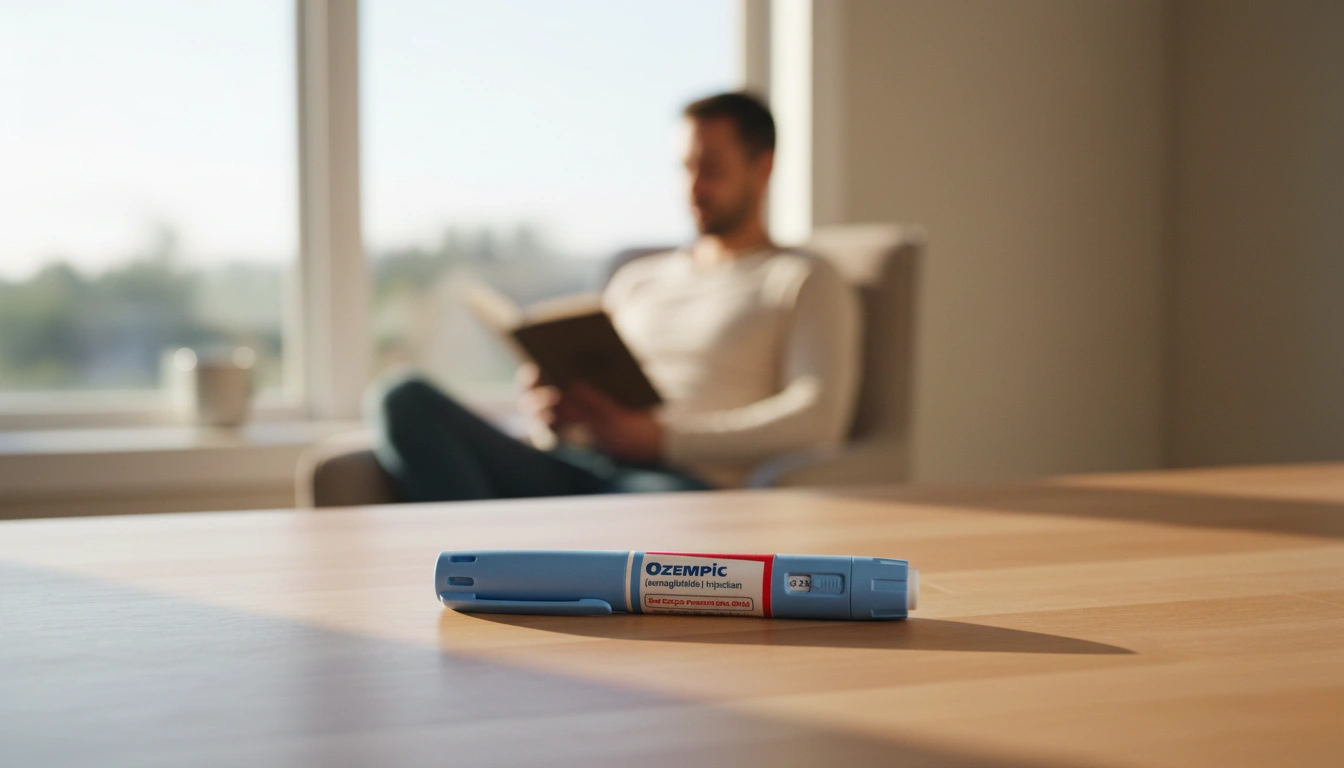
As a new era of health management unfolds, millions of individuals are embracing innovative treatments, including GLP-1 receptor agonists like Ozempic, to navigate their weight loss journeys or manage conditions such as type 2 diabetes. According to recent data from the British Pharmacological Society, an astounding 20 million people in the USA were prescribed Ozempic in 2023, marking a remarkable 5,000% increase over five years. This significant rise highlights not only the growing effectiveness of such medications but also introduces a crucial, often overlooked aspect of treatment: responsible disposal. Once the final dose is administered, the question arises: what to do with empty Ozempic pens?
The convenience and efficacy of these injectable medications are transforming lives, yet the discarded pens represent a substantial volume of medical waste. Globally, an estimated 23 million medical pens are either incinerated or sent to landfills annually, posing both environmental and public health concerns if not handled correctly. Improper disposal can lead to accidental needle-stick injuries, potential exposure to residual medication, and a lasting burden on our planet due to the slow degradation of plastic and metal components.
This comprehensive guide is designed to empower you with the knowledge and practical steps needed for the safe and eco-conscious disposal of your empty Ozempic pens. We will delve into why proper disposal is paramount, outline clear, actionable methods, and discuss the broader implications for community health and environmental stewardship. By the end of this post, you will understand how to safely manage your used pens, contributing positively to your well-being and the health of our shared environment. We believe that sustainable weight loss should be achieved through science, empathy, and a transparent approach, and this commitment extends to every facet of your treatment journey, including responsible waste management. Let’s explore together how to complete your medication cycle thoughtfully and safely.
The Critical Importance of Proper Medication Disposal
The journey toward improved health involves numerous steps, and often, the final act of disposing of medication is underestimated in its significance. When it comes to injectable medications like Ozempic, proper disposal is not merely a recommendation; it is a vital practice with far-reaching implications for individual safety, public health, and environmental well-being. At TrimRx, our commitment to your health extends to every detail, ensuring your entire treatment experience is safe, effective, and responsible.
Safeguarding Against Sharps Injuries
Perhaps the most immediate and tangible risk associated with improper disposal of empty Ozempic pens, especially the needles, is the potential for sharps injuries. These injuries occur when someone is accidentally pricked or cut by a used needle. Such incidents can happen to anyone handling waste, from family members and pets at home to sanitation workers, recycling facility staff, and even children playing in public spaces.
Sharps injuries carry the risk of transmitting serious infections, including hepatitis B, hepatitis C, and HIV, if the needle has been exposed to contaminated blood or bodily fluids. While Ozempic pens are primarily used for chronic conditions, the principle of minimizing contact with used needles remains universally critical. Ensuring the needle is safely contained immediately after use is the cornerstone of preventing these avoidable and potentially life-altering injuries. Our dedication to safety is paramount, and this includes providing guidance that helps protect not just our patients, but the wider community.
Mitigating Environmental Impact
Beyond immediate safety, the materials composing an Ozempic pen pose a significant environmental challenge if discarded improperly. These pens typically consist of various plastics and metal components. When these materials end up in general landfills, they can take hundreds of years to decompose, releasing microplastics and potentially other substances into the soil and water. This accumulation contributes to landfill overflow and long-term pollution, harming ecosystems and wildlife.
Furthermore, if medication residue, however small, leaches into the environment, it can impact natural habitats and contaminate water sources. While our medications are provided through FDA-registered, inspected, and approved pharmacies, our collective responsibility for environmental stewardship guides our advice on disposal. We understand that your health journey is part of a larger ecological context, and we aim to support practices that benefit both you and the planet.
Upholding Public Health Standards
Improper disposal practices can also undermine broader public health efforts. When medical waste, including used pens and needles, is not managed according to established guidelines, it can overwhelm conventional waste streams not designed to handle biohazardous materials. This can lead to increased costs for waste management, potential public health crises if contaminated waste is mishandled, and a general degradation of community hygiene standards.
Adhering to correct disposal procedures helps maintain the integrity of our waste management systems and prevents the spread of disease, reinforcing a robust public health infrastructure. Our transparent approach means we openly share vital information, ensuring you are equipped to make informed decisions that contribute to the health of your community.
Ensuring Regulatory Compliance
Local, state, and federal regulations govern the disposal of medical waste, including sharps. These regulations are in place to prevent the risks outlined above and ensure public safety. Discarding medical waste in household trash or recycling bins can lead to penalties and fines, as these actions are often in violation of local ordinances. Understanding and following these guidelines is a key part of responsible medication management. By educating yourself on what to do with empty Ozempic pens in your specific area, you are ensuring compliance and contributing to a safer environment for everyone.
At TrimRx, our journey began with a shared vision to help individuals embrace healthier lifestyles by merging cutting-edge telehealth innovations with effective weight loss solutions. This vision encompasses promoting responsible practices in all aspects of health management. When you engage with our platform, you benefit from a user-friendly and supportive space where individuals receive personalized, medically supervised care, all designed to make sustainable weight loss attainable and tailored to the individual. Our commitment to safety and responsible care is unwavering, reflecting our belief in a health journey built on science, empathy, and transparency.
Dissecting Your Ozempic Pen: Understanding Disposal Needs
Before diving into the “how-to” of disposal, it’s helpful to understand the different components of an Ozempic pen and why each might require specific handling. While designed for simplicity and ease of use, these devices are medical instruments with distinct parts that impact their end-of-life management.
The Pen Body: Plastic and Metal Components
The main body of the Ozempic pen is typically made from various types of plastic and contains internal metal mechanisms. These materials are robust and designed for durability throughout the medication’s use. However, once the pen is empty, these components become waste that can persist in the environment for an extended period. The plastics, in particular, are not usually compatible with standard household recycling streams due to their medical nature, potential for medication residue, and the mixed material composition.
The challenge lies in the fact that while they are essentially plastic and metal, they are still considered medical waste in many contexts. If a specific take-back program for the entire pen body is not available in your area, and once the needle is safely removed, local guidelines will dictate whether the pen body can be placed in general waste (after ensuring it’s truly empty and de-identified) or if it must be treated as broader medical waste. This is a critical distinction that often requires local inquiry.
The Needle: The Primary Biohazard
The detachable needle is the most critical component from a safety perspective. It is a sharp object designed to penetrate the skin, and once used, it is considered biohazardous waste. Even if it appears clean, residual body fluids or medication can be present, posing risks for sharps injuries and potential infection transmission. Therefore, the needle must be immediately and safely removed from the pen and placed into a puncture-resistant container specifically designed for sharps. Never attempt to recap or bend a used needle, as this increases the risk of accidental injury.
Understanding these distinctions is crucial for proper disposal. The primary focus is always on securing the needle, followed by managing the pen body according to local environmental and medical waste regulations.
Your Step-by-Step Guide to Disposing of Empty Ozempic Pens
Responsible disposal is a simple yet essential practice that ensures safety for yourself, your community, and the environment. Here’s a comprehensive guide on what to do with empty Ozempic pens, outlining the recommended steps and available options.
Preparation: Ensuring the Pen is Empty and Removing the Needle
The first and most crucial step in disposing of your Ozempic pen is to ensure it is completely empty and to safely remove the used needle.
Confirming the Pen is Fully Used
Before disposal, double-check that your Ozempic pen has dispensed all its medication. The dosage window or indicator on your pen should confirm that the cartridge is empty or that the prescribed doses have been fully administered. This prevents any residual medication from being inadvertently discarded or accessed.
Safely Removing the Needle
Immediately after injecting, carefully remove the needle from the pen. Ozempic pens are designed with detachable needles for this purpose. Most needles twist off or can be carefully pulled straight off the pen. Do not attempt to recap, bend, or break the needle. The goal is to minimize any direct contact with the used sharp.
The Sharps Container: Your Essential Safety Tool
Once the needle is removed, its immediate placement into a designated sharps disposal container is paramount. This container is the bedrock of safe sharps waste management.
What is a Sharps Container?
A sharps container is a specially designed, puncture-resistant, leak-proof container used for the safe disposal of needles, syringes, and other sharp medical instruments. These containers are typically red and feature a clear warning label. They are engineered to prevent sharps from escaping and to protect those who handle medical waste.
Where to Obtain a Sharps Container
You can typically acquire an FDA-cleared sharps container from several sources:
- Pharmacies: Many local pharmacies sell sharps containers.
- Healthcare Providers: Your doctor’s office or clinic may provide one or advise you on where to get one.
- Medical Supply Stores: Specialty stores for medical supplies carry a range of sharps containers in various sizes.
- Online Retailers: Numerous online platforms offer sharps containers for home use.
Creating a DIY Sharps Container (If Necessary)
If an FDA-cleared sharps container is not immediately available, you can create a safe, temporary alternative using common household items. It’s crucial that this improvised container meets specific criteria:
- Heavy-Duty Plastic: Use a container made of robust plastic, such as an empty laundry detergent bottle, a thick bleach bottle, or a sturdy coffee can (ensure it’s metal, not cardboard). Glass containers are generally not recommended as they can break.
- Tight-Fitting, Puncture-Resistant Lid: The container must have a lid that can be securely closed and is impenetrable by needles.
- Upright and Stable: Ensure the container can stand upright and is stable during use to prevent spills.
- Leak-Resistant: The material should prevent any potential leakage.
- Clearly Labeled: Mark the container clearly with “SHARPS WASTE” or “BIOHAZARD” to warn others of its contents. Keep this container out of reach of children and pets.
Disposing of the Full Sharps Container
Once your sharps container (whether purchased or homemade) is approximately ¾ full, or if the sharps reach the “full” line indicated on the container, it’s time for disposal. Properly disposing of the entire container is the next critical step.
Local Council or Waste Management Services
In many regions, local authorities or waste management services provide specific programs for sharps disposal. These options can vary significantly by location, so it’s essential to check your local guidelines.
- Medical Waste Collection Services: Some local councils offer free or fee-based home collection services for sharps. You might need to register for this service or schedule pickups.
- Household Waste Recycling Centers (HWRCs) or Designated Drop-Off Sites: Certain facilities accept sharps containers. You may be required to transport your sealed container to a specific drop-off point at these centers.
- Hospital or Clinic Drop-Off Programs: Some hospitals, clinics, or healthcare facilities may have designated sharps disposal programs for their patients or the community.
Pharmacy Take-Back Programs
A growing number of pharmacies participate in take-back schemes for used medical devices, including sharps containers and sometimes even the entire pen body (with the needle removed). It’s always worth asking your local pharmacist if they offer such a program. For example, some manufacturers, like Novo Nordisk (maker of Ozempic), have initiatives, but availability can vary by region. If your pharmacy offers this, ensure your sharps are in a sealed, puncture-proof container before returning them.
Mail-Back Programs
Some states or private companies offer mail-back programs for sharps. These services provide pre-paid, pre-addressed mailing containers for you to fill with sharps and then mail back for safe, professional disposal. This can be a convenient option, especially for individuals in rural areas.
Important Disposal Exclusions: Never in General Trash or Recycling
Unless explicitly permitted by very specific local regulations (which is rare for sharps), you must never dispose of loose needles, syringes, or full sharps containers in your regular household trash or recycling bins. These systems are not equipped to handle medical sharps safely and doing so puts waste handlers at extreme risk. Similarly, avoid flushing any medication or needles down the toilet, as this contaminates water systems and poses an environmental hazard.
Disposing of the Empty Pen Body (After Needle Removal)
Once the needle is safely removed and placed in a sharps container, you are left with the empty plastic and metal pen body. What to do with empty Ozempic pens in this state depends on local guidelines and available programs:
- Manufacturer Take-Back Schemes: As mentioned, some pharmaceutical companies or pharmacies may have programs to collect empty pen bodies for specialized recycling or disposal. Always inquire about these first.
- General Waste (with caution): If no specific take-back program exists, and after ensuring the pen is completely empty and the needle is removed, some local regulations may permit disposal of the pen body in your general household waste. Before doing so, consider removing any identifying labels to protect your privacy. However, always verify this with your local waste management authority, as rules can differ.
- Medical Waste Stream: In some instances, the entire pen (minus the needle) might still be considered medical waste and require disposal through a specific medical waste stream or drop-off point, especially if there’s any potential for medication residue.
Always prioritize checking with your local council, pharmacy, or healthcare provider for the most accurate and up-to-date disposal instructions in your specific area.
Special Considerations: Unused or Expired Medications
The question of what to do with empty Ozempic pens extends beyond just used pens to situations involving unused or expired medication. Responsible management is equally crucial in these scenarios.
Unused Ozempic Pens
If you have an Ozempic pen that is completely unused and you no longer need it, or if your prescription changes, it should still be disposed of carefully. Even if untouched, an unused pen should never be shared with others due to potential safety issues and legal restrictions. The best option is often to return it to the pharmacy where it was prescribed or purchased. They may have specific procedures for handling unused medications, ensuring they are disposed of safely and preventing potential misuse.
Expired Ozempic Pens
Expired medications can lose their efficacy or, in rare cases, become harmful. Therefore, using an expired Ozempic pen is not recommended. The disposal of expired pens, whether opened or unopened, should follow similar guidelines as unused pens. Return them to a pharmacy or a designated medication take-back program. The U.S. Drug Enforcement Administration (DEA) periodically hosts National Prescription Drug Take Back Days, and many communities have permanent drug take-back bins at police stations or pharmacies. These programs are excellent resources for safe disposal of all types of unwanted medications, including expired Ozempic pens.
Always remember that the goal is to prevent unintended use, minimize environmental impact, and ensure public safety by properly managing all medication waste.
The Broader Impact: Cultivating a Culture of Health and Responsibility
Understanding what to do with empty Ozempic pens is more than a technical instruction; it’s an opportunity to reflect on our collective role in fostering a healthier, more sustainable world. Every action, no matter how small, contributes to the larger picture of community well-being and environmental stewardship.
Promoting Public Health and Safety
By consistently practicing safe sharps disposal, you become an active participant in public health protection. You reduce the risk of accidental injuries and the potential spread of infectious diseases among sanitation workers, family members, and the wider community. This commitment to safety aligns perfectly with our foundational values at TrimRx. We believe that compassionate care respects every individual’s unique journey by combining advanced medical science with modern technology, and this extends to how we interact with our environment.
Embracing Environmental Stewardship
The plastics and metals in medication pens can persist in landfills for centuries. Choosing responsible disposal methods, whether through dedicated sharps programs or manufacturer take-back initiatives, actively reduces this environmental burden. It demonstrates a conscious effort to minimize your ecological footprint and contribute to a healthier planet for future generations. Our commitment to transparent service means we not only guide you on your weight loss journey but also empower you with knowledge for broader sustainable practices.
Reinforcing Responsible Healthcare Practices
Adhering to proper disposal protocols reinforces a culture of responsibility within healthcare. It sets a positive example and encourages others to adopt similar practices, creating a ripple effect that elevates the standards of medication management across the board. This is a testament to our brand personality—trustworthy, supportive, and results-oriented—as we guide you through every aspect of your health journey.
At TrimRx, our platform is a user-friendly and supportive space where individuals receive personalized, medically supervised care, all designed to make sustainable weight loss attainable and tailored to the individual. We offer a comprehensive service that includes doctor consultations, medication, lab work, unlimited support, and shipping with no hidden fees. We work exclusively with FDA-registered and inspected pharmacies for the shipping of weight loss medications, ensuring your safety and peace of mind. While we partner with these pharmacies for medication delivery, it’s important to clarify that TrimRx itself does not provide actual medical supervision. Our personalized programs feature a range of options including Compounded Semaglutide, Oral Semaglutide, Ozempic®, Compounded Tirzepatide, Oral Tirzepatide, Mounjaro®, Zepbound®, and Wegovy®. To explore these options and determine your eligibility, we encourage you to [take our free assessment quiz] (https://intake.trimrx.com/?utm_source=flyrank&utm_medium=referral&utm_campaign=blog&utm_source_platform=flyrank).
For those seeking immediate support for their wellness journey, we also offer quick-access supplements that do not require a quiz. You can enhance your overall well-being with our [GLP-1 Daily Support] (https://trimrx.com/glp1-support/?utm_source=flyrank&utm_medium=referral&utm_campaign=blog&utm_source_platform=flyrank) or explore the benefits of our [Weight Loss Boost] (https://trimrx.com/lp-wlboost/?utm_source=flyrank&utm_medium=referral&utm_campaign=blog&utm_source_platform=flyrank). These products are designed to complement your efforts and provide ongoing assistance as you pursue your health goals.
By choosing TrimRx, you’re not just getting a weight loss solution; you’re gaining a partner dedicated to supporting your health responsibly, from personalized treatment plans to guidance on essential practices like medication disposal.
Conclusion
Navigating a health journey with medications like Ozempic brings incredible benefits, offering new pathways to wellness and improved quality of life. As we embrace these advanced solutions, it’s vital that we also adopt equally advanced practices for managing their end-of-life cycle. Understanding what to do with empty Ozempic pens is a small but profoundly impactful component of this journey, safeguarding our health, protecting our communities, and preserving our environment.
We’ve explored the critical reasons for proper disposal, from preventing sharps injuries and mitigating environmental pollution to upholding public health standards and ensuring regulatory compliance. We’ve outlined a clear, step-by-step process: confirming the pen is empty, safely removing the needle, utilizing an FDA-cleared sharps container (or a robust homemade alternative), and then responsibly disposing of the full container through local waste management, pharmacy take-back programs, or mail-back services. Furthermore, we’ve addressed the specific considerations for unused or expired pens, emphasizing their return to pharmacies or participation in drug take-back events.
At TrimRx, our vision is to help individuals achieve healthier lifestyles through innovative, personalized, and medically supervised weight loss solutions. Our commitment to your well-being is holistic, extending beyond your treatment plan to include guidance on responsible medication management. We believe that empowering you with comprehensive knowledge fosters not only better health outcomes but also a greater sense of responsibility towards our shared world.
As you continue on your path to improved health, remember that every thoughtful decision, including how you dispose of your medication, contributes to a larger tapestry of safety, sustainability, and collective well-being. If you are seeking a supportive, evidence-based approach to weight loss, we invite you to discover how our personalized programs can transform your health journey. [Take our free assessment quiz today] (https://intake.trimrx.com/?utm_source=flyrank&utm_medium=referral&utm_campaign=blog&utm_source_platform=flyrank) to see if you qualify for our prescription weight loss medications and embark on a path tailored just for you. For immediate support, explore our [GLP-1 Daily Support] (https://trimrx.com/glp1-support/?utm_source=flyrank&utm_medium=referral&utm_campaign=blog&utm_source_platform=flyrank) and [Weight Loss Boost] (https://trimrx.com/lp-wlboost/?utm_source=flyrank&utm_medium=referral&utm_campaign=blog&utm_source_platform=flyrank) supplements, designed to complement your journey towards a healthier you.
Frequently Asked Questions
Q1: Can I throw an empty Ozempic pen in my regular trash or recycling bin?
A1: No, you should never throw loose needles or full sharps containers directly into your regular household trash or recycling bin. Used needles pose a significant risk of sharps injuries to waste handlers and can spread infections. While the plastic pen body (after the needle is removed) might be allowed in general waste in some areas, it is crucial to always check with your local waste management authority for specific guidelines, as regulations vary. Flushing any part of the pen or medication down the toilet is also strongly discouraged due to environmental contamination.
Q2: What can I use if I don’t have a sharps container?
A2: If you don’t have an FDA-cleared sharps container, you can create a safe, temporary alternative using a heavy-duty plastic household container. Examples include an empty laundry detergent bottle, a thick bleach bottle, or a sturdy metal coffee can. The container must have a tight-fitting, puncture-resistant lid that can be securely closed. Remember to clearly label the container as “SHARPS WASTE” and keep it out of reach of children and pets. This homemade container should then be disposed of according to local sharps disposal guidelines, typically at a designated drop-off site or through a medical waste collection service.
Q3: How do I dispose of an unused or expired Ozempic pen?
A3: Unused or expired Ozempic pens should be disposed of responsibly to prevent misuse and environmental harm. The best approach is to return them to the pharmacy where they were prescribed or purchased, as many pharmacies have medication take-back programs. Alternatively, you can utilize community drug take-back programs, such as those organized by the U.S. Drug Enforcement Administration (DEA), or permanent drop-off bins often found at police stations or specific pharmacies. Never dispose of unused or expired medications in the regular trash or by flushing them, as this can lead to environmental contamination.
Q4: Does TrimRx help with medication disposal guidance?
A4: Yes, at TrimRx, we are committed to supporting you through every aspect of your health journey, including responsible medication management. While we partner with FDA-registered and inspected pharmacies for the shipping of your weight loss medications, we also provide informative resources like this blog post to guide you on safe disposal practices. Our comprehensive service, which includes doctor consultations, medication, lab work, unlimited support, and shipping, is designed to ensure a safe, effective, and transparent experience. We empower you with the knowledge needed to manage your treatment responsibly, aligning with our values of science, empathy, and transparency.

Transforming Lives, One Step at a Time
Keep reading
Does Ozempic Affect Sleep: What Patients Experience
Sleep changes on Ozempic catch a lot of patients off guard. You might expect nausea or reduced appetite, but disrupted rest isn’t something most…

Ozempic While Sick: Managing Colds, Flu, and Illness
Getting sick while on Ozempic raises questions that don’t always have obvious answers. Should you take your dose as usual? What happens if you…

Ozempic and Gas: Why It Happens and How to Manage It
Gas is one of those Ozempic side effects that people don’t always bring up with their doctor but absolutely notice. Excess flatulence, bloating, and…


