Birth Control and Ozempic: Can You Be On Both?
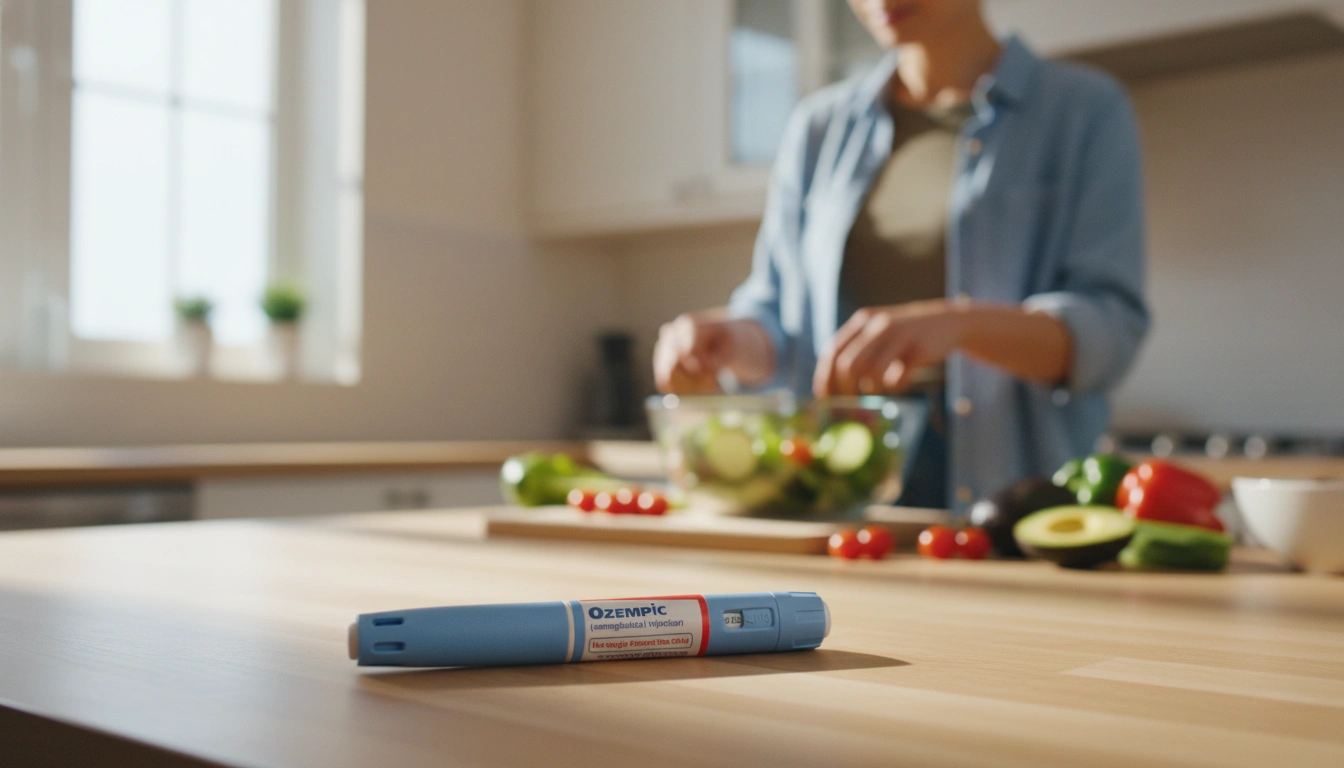
If you’re taking Ozempic or another GLP-1 medication and also using oral birth control, there’s a practical interaction worth understanding. Semaglutide slows gastric emptying, which affects how quickly medications move through your digestive system. For oral contraceptives, this delay in gastric motility raises questions about absorption consistency and contraceptive reliability. The concern is real enough that Novo Nordisk includes a note about it in Ozempic’s prescribing information, though the full clinical picture is more nuanced than a simple warning suggests. Here’s what you actually need to know.
How Ozempic Affects Gastric Emptying
GLP-1 receptor agonists work partly by slowing the rate at which food and other substances leave the stomach and enter the small intestine. This is one of the mechanisms behind the appetite suppression and blood sugar stabilization these medications produce. Food stays in the stomach longer, glucose absorption is more gradual, and satiety signals persist.
The same mechanism applies to oral medications. When gastric emptying is slowed, pills that are absorbed in the small intestine may take longer to reach peak concentration in the bloodstream. For most medications this doesn’t matter clinically, but for time-sensitive medications like oral contraceptives, consistency of absorption is more important.
The effect is most pronounced in the early weeks of GLP-1 treatment and during dose escalation, when gastric emptying changes are most significant. As the body adjusts to the medication, the effect tends to stabilize somewhat, though it doesn’t disappear entirely.
What the Research Actually Shows
The clinical trial data on this specific interaction is limited. Novo Nordisk conducted a small pharmacokinetic study examining the effect of semaglutide on oral contraceptive absorption. The study found that semaglutide did not meaningfully reduce overall exposure to ethinyl estradiol or levonorgestrel, the hormones in most combined oral contraceptives. Peak concentration was delayed, but total absorption was not significantly reduced.
Based on this data, Novo Nordisk’s official position is that additional contraceptive precautions are not required for women on Ozempic using oral contraceptives. However, this study was conducted at a single dose level and involved a relatively small number of participants. Many gynecologists and prescribers take a more cautious position in practice, particularly during the dose escalation phase when gastric emptying changes are most pronounced.
The honest takeaway: the interaction is real but its clinical significance for contraceptive failure is not firmly established. It warrants awareness and discussion with your provider, not necessarily a change in contraceptive method.
Which Contraceptive Methods Are Not Affected
The gastric emptying concern applies specifically to oral contraceptives, because they depend on absorption through the digestive tract. Several highly effective contraceptive methods bypass this issue entirely.
Hormonal IUDs (Mirena, Kyleena, Liletta) work locally in the uterus and are not affected by GLP-1 medications at all. Copper IUDs are non-hormonal and similarly unaffected. The contraceptive implant (Nexplanon) delivers hormones directly into the bloodstream through the arm and has no digestive absorption component. Injectable contraceptives (Depo-Provera) are administered intramuscularly and also bypass the gastric emptying issue.
For women who are already using one of these methods, there is no meaningful interaction with Ozempic or other GLP-1 medications to be concerned about.
Practical Guidance for Women on Oral Contraceptives
If you’re currently on oral birth control and starting a GLP-1 medication, a few practical steps reduce any theoretical risk during the adjustment period.
Take your oral contraceptive at a consistent time each day, ideally at a time that is separated from your largest meal, since food itself affects gastric emptying independently of semaglutide. Some providers suggest taking oral contraceptives in the morning before eating, when gastric motility tends to be higher.
During dose escalation, when gastric emptying changes are most significant, some providers recommend using a backup contraceptive method such as condoms as an added precaution. This is a conservative approach that isn’t universally recommended, but it’s worth discussing with your prescriber if you have concerns.
Consider this scenario: a 29-year-old woman starts compounded semaglutide while using a combined oral contraceptive she has been on for three years. Her prescriber discusses the gastric emptying interaction, notes that the pharmacokinetic data is reassuring, and recommends she continue her current pill while being consistent about timing. She adds condoms during the first two months of dose escalation as a precaution and then discontinues the backup method once she reaches a stable dose. Her contraceptive coverage remains intact throughout.
The Fertility Restoration Factor
There’s a separate and arguably more important consideration for women on GLP-1 medications who are using contraception: these medications can restore ovulatory function in women who had stopped ovulating due to PCOS, insulin resistance, or obesity-related hormonal disruption.
A woman who assumed she was largely infertile due to irregular or absent cycles may find that semaglutide restores ovulation faster than expected, sometimes within the first few months of treatment. If her contraceptive coverage is anything less than highly reliable during this window, the risk of unintended pregnancy increases.
This is one reason the conversation about contraception is important when starting GLP-1 treatment, not just because of the absorption question, but because the medication itself may change the fertility landscape in ways the patient doesn’t anticipate.
For women who are actively trying to conceive, the ozempic while trying to conceive article covers the full picture of how to sequence GLP-1 treatment around pregnancy planning.
GLP-1 Medications and Specific Contraceptive Formulations
Not all oral contraceptives are identical, and the interaction profile may differ slightly depending on formulation. Combined oral contraceptives (estrogen plus progestin) were the focus of Novo Nordisk’s pharmacokinetic study. Progestin-only pills (the mini-pill) have a narrower efficacy window and are more sensitive to timing disruptions. Women on progestin-only pills who are starting GLP-1 treatment may warrant closer attention to timing consistency, and a conversation about whether an alternative method might be preferable.
For women with endometriosis or other conditions managed with oral hormonal therapies, the same gastric emptying concern applies to therapeutic progestins taken orally. The endometriosis and GLP-1 article covers the treatment interaction considerations for that population in more detail.
Having the Right Conversation With Your Prescriber
The most important step is making sure both your GLP-1 prescriber and your gynecologist or primary care provider know what you’re taking. Medication management across multiple providers works best when everyone has the full picture. If you’re using oral contraceptives and starting semaglutide, flag it explicitly rather than assuming it’s been noted.
TrimRx providers review your complete medication list during the intake process, which includes any hormonal contraceptives. This allows for personalized guidance rather than generic advice. The compounded semaglutide program offers a significantly more affordable entry point than brand Ozempic or Wegovy, making it easier to start treatment and maintain it over time.
To find out whether you’re a candidate and discuss your specific medication situation with a licensed provider, take the intake assessment to get started.
This information is for educational purposes and is not medical advice. Consult with a healthcare provider before starting any medication. Individual results may vary.

Transforming Lives, One Step at a Time
Keep reading
Ozempic for Emotional Eating: Does It Help?
Emotional eating is one of the most common and least discussed barriers to sustainable weight loss. For people who eat in response to stress,…

Hashimoto’s and Ozempic: Safety Considerations
Hashimoto’s thyroiditis is the most common autoimmune condition in the United States, affecting an estimated 14 million people, the majority of them women. It’s…

Ozempic and Anxiety: Side Effects and Interactions (2026)
Anxiety is one of the more nuanced topics that comes up in conversations about GLP-1 medications. Some people report that starting Ozempic worsened their…


