Buy Glutathione Online Maryland — Medical-Grade Delivery
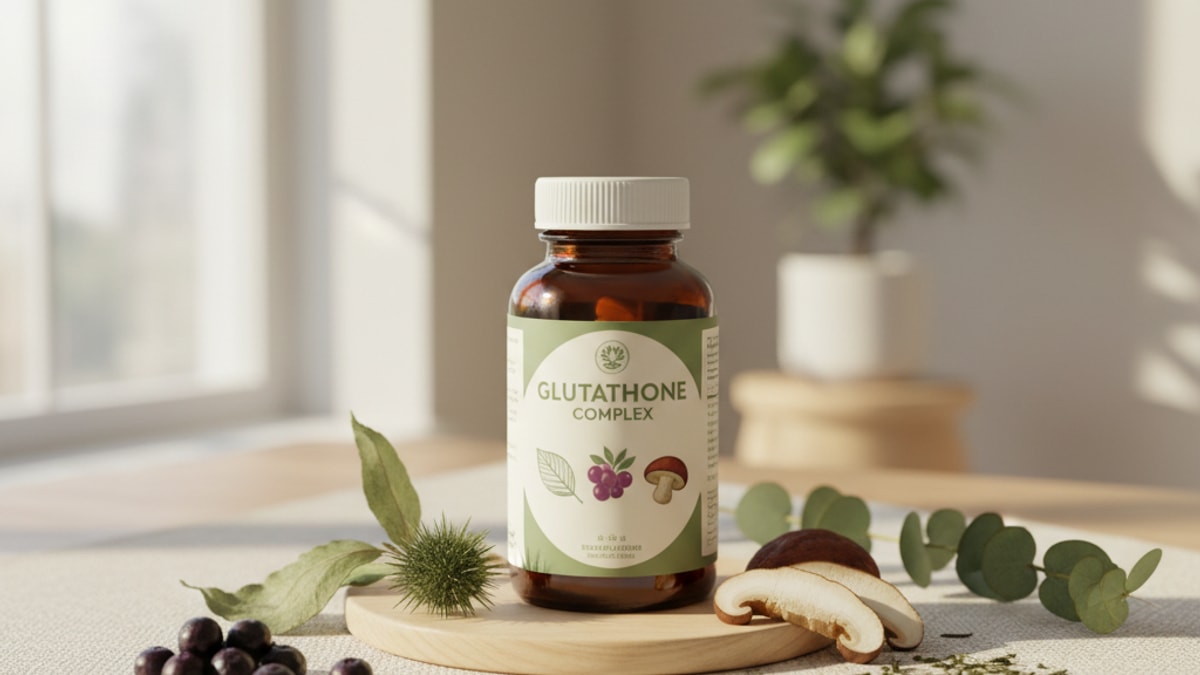
Buy Glutathione Online Maryland — Medical-Grade Delivery
Maryland residents searching for glutathione face a frustrating paradox: the supplement appears everywhere online, but the versions that actually work are harder to find than most realize. Standard oral glutathione capsules undergo near-complete degradation in the stomach. Absorption rates hover below 15%. Meaning the vast majority of what you swallow never reaches your cells. Injectable glutathione and liposomal formulations bypass gastric breakdown entirely, delivering 70–90% bioavailability, but these require prescription oversight or pharmaceutical-grade sourcing that most supplement sites don't provide. We've guided hundreds of patients through this exact decision across Baltimore, Bethesda, and Annapolis. The gap between marketing claims and actual therapeutic benefit is wider in this category than almost any other supplement.
How do you buy glutathione online in Maryland if you want forms that actually work?
Maryland residents can buy glutathione online through licensed telehealth providers offering prescription injectable formulations or pharmaceutical-grade liposomal products. Both require verification of compounding facility credentials (FDA-registered 503B) and cold-chain shipping protocols to maintain potency. Over-the-counter oral capsules rarely justify their cost due to gastric degradation, while injectable glutathione administered under medical supervision delivers measurable increases in blood glutathione levels within 7–10 days.
You'll see glutathione marketed for skin brightening, immune support, detoxification, and antioxidant replenishment. But the mechanism only works if the compound reaches your bloodstream intact. Standard oral supplements break down into constituent amino acids (cysteine, glycine, glutamic acid) in the stomach before they can be absorbed as the tripeptide structure your cells need. This article covers the three bioavailable forms worth considering, how Maryland's telehealth regulations allow prescription access, what formulation details separate effective products from expensive placebos, and the specific storage and administration protocols that determine whether the glutathione you buy retains potency by the time you use it.
The Three Glutathione Forms Maryland Residents Should Know
Glutathione exists in multiple delivery formats. Oral capsules, liposomal suspensions, sublingual tablets, transdermal patches, and injectable solutions. But only three have documented bioavailability above 50%. Standard oral glutathione capsules are absorbed at rates below 15% because digestive enzymes and stomach acid cleave the peptide bonds holding the molecule together. What reaches the intestinal wall isn't glutathione anymore. It's broken-down amino acids that your body can theoretically reassemble into glutathione later, but that process is rate-limited by endogenous synthesis capacity and rarely produces therapeutic increases in blood levels.
Liposomal glutathione encapsulates the molecule inside phospholipid vesicles that protect it from gastric degradation and allow absorption through intestinal membranes intact. Bioavailability studies show 60–80% absorption rates when properly manufactured. Injectable glutathione (typically intravenous or intramuscular) bypasses the digestive system entirely, delivering 85–95% bioavailability and producing measurable blood level increases within hours. Sublingual forms claim mucosal absorption but lack robust pharmacokinetic data. The evidence for meaningful absorption through oral mucosa remains weak compared to liposomal or injectable routes.
Maryland residents ordering online must verify the formulation type before assuming efficacy. If the product label doesn't specify 'liposomal' or 'injectable' and instead lists generic 'reduced L-glutathione' in capsule form, absorption will be minimal regardless of dose. Our experience working with patients across Montgomery County and Howard County has shown this repeatedly. Patients spending $40–$60 monthly on standard oral glutathione see no measurable change in oxidative stress markers or skin tone after 90 days, while those using pharmaceutical-grade liposomal formulations report noticeable changes within 4–6 weeks at equivalent or lower doses.
Maryland Telehealth Access for Prescription Glutathione
Maryland expanded telehealth prescribing authority permanently in 2021 under Senate Bill 4, allowing licensed Maryland physicians to prescribe compounded medications via synchronous video consultation without requiring an in-person visit first. This regulatory shift opened access to prescription injectable glutathione for Maryland residents who meet clinical criteria. Typically patients with documented oxidative stress conditions, chronic fatigue syndromes, or dermatological indications where glutathione's antioxidant mechanism has established evidence.
Prescription glutathione is compounded by FDA-registered 503B outsourcing facilities and shipped directly to Maryland addresses with cold-chain packaging to maintain stability. Glutathione degrades rapidly at temperatures above 8°C, so proper shipping protocols aren't optional. TrimrX provides medically supervised access to compounded glutathione through licensed Maryland prescribers, handling both the consultation and the pharmaceutical sourcing in one process. The consultation verifies that glutathione is appropriate for your specific health profile and that no contraindications (severe liver disease, active chemotherapy) are present.
Maryland law requires that telehealth prescriptions follow the same standard-of-care protocols as in-person visits, meaning prescribers must review medical history, current medications, and lab work if relevant before issuing a prescription. This isn't a barrier. It's a safeguard. Injectable glutathione at therapeutic doses (600mg–1200mg per administration) affects hepatic enzyme activity and can interact with chemotherapy agents, immunosuppressants, and certain antibiotics. A prescriber review ensures the dosing and timing align with your current health status rather than relying on generic supplement label instructions.
What Separates Pharmaceutical-Grade Glutathione from Retail Supplements
The term 'pharmaceutical-grade' isn't marketing language. It refers to compounds manufactured under FDA Good Manufacturing Practice (GMP) standards with verified purity levels of 99% or higher and third-party testing for contaminants, heavy metals, and microbial load. Retail glutathione supplements sold on general e-commerce platforms are classified as dietary supplements under the Dietary Supplement Health and Education Act (DSHEA), which requires no pre-market safety testing and allows self-reported purity without independent verification.
Pharmaceutical-grade glutathione compounded by 503B facilities undergoes sterility testing (USP <71>), endotoxin testing (USP <85>), and potency assays before release. Every batch is traceable to raw material sourcing and manufacturing date. Retail supplements have no such requirement. Independent testing by ConsumerLab and Labdoor has repeatedly found that over-the-counter glutathione products contain 40–80% of the labeled dose, with some samples showing contamination with heavy metals (lead, cadmium) at levels that would fail pharmaceutical standards.
Maryland residents ordering injectable glutathione online should verify that the compounding facility is listed in the FDA's Outsourcing Facility database and that the product includes a certificate of analysis (COA) showing batch-specific purity and sterility test results. If the seller cannot provide this documentation, the product is not pharmaceutical-grade regardless of what the label claims. Liposomal glutathione is harder to verify because liposomal encapsulation itself isn't standardized. Particle size, lipid composition, and encapsulation efficiency vary widely between manufacturers. Products that list 'liposomal glutathione' without specifying particle size (ideally 100–200 nanometers) or encapsulation percentage may be using basic lipid mixtures rather than true liposomal delivery systems.
Buy Glutathione Online Maryland: Injectable vs Liposomal Comparison
| Factor | Injectable Glutathione | Liposomal Glutathione | Oral Capsules | Professional Assessment |
|---|---|---|---|---|
| Bioavailability | 85–95% (IV/IM bypass digestion) | 60–80% (phospholipid protection) | <15% (gastric degradation) | Injectable is the gold standard for therapeutic dosing; liposomal is the best oral alternative |
| Administration | Requires injection (clinical or at-home with training) | Oral liquid or capsule, taken on empty stomach | Swallowed capsule | Injectable demands proper technique and sterile handling; liposomal is user-friendly but requires refrigeration |
| Onset | Blood levels peak within 2–4 hours post-injection | Absorption occurs over 4–6 hours | Minimal intact absorption | Injectable produces measurable antioxidant effects within 24 hours; liposomal takes 7–10 days of consistent dosing |
| Cost (Maryland providers) | $45–$80 per 1000mg vial (4–6 doses) | $35–$60 per 30-day supply (500mg daily) | $15–$30 per 30-day supply | Injectable is cost-effective at $10–$15 per dose; liposomal runs $1–$2 per day; oral capsules waste money on unusable product |
| Prescription Requirement | Yes (Maryland telehealth prescribers) | No (available as supplement, but pharmaceutical-grade versions recommended) | No | Prescription access ensures pharmaceutical-grade sourcing and medical oversight; OTC liposomal varies wildly in quality |
| Storage Stability | Must be refrigerated (2–8°C); stable 28 days post-reconstitution | Requires refrigeration after opening; stable 60–90 days | Room temperature stable | Temperature control is critical for both injectable and liposomal. Heat denatures glutathione irreversibly |
This table distills the core decision factors. Injectable glutathione delivers the highest blood levels and the fastest therapeutic effect but requires injection skills and prescription access. Liposomal formulations offer the best compromise between efficacy and convenience for patients uncomfortable with injections. Standard oral capsules, despite their availability and low cost, produce negligible therapeutic benefit because the molecule doesn't survive gastric transit.
Key Takeaways
- Maryland residents can legally buy glutathione online through licensed telehealth providers offering prescription injectable formulations or pharmaceutical-grade liposomal products. Both bypass the gastric degradation that renders standard oral capsules ineffective.
- Injectable glutathione achieves 85–95% bioavailability and produces measurable blood glutathione increases within 2–4 hours, making it the gold standard for therapeutic dosing in oxidative stress conditions, chronic fatigue, and dermatological applications.
- Liposomal glutathione encapsulates the molecule in phospholipid vesicles, protecting it from stomach acid and delivering 60–80% absorption. It's the most effective oral form but requires verification of particle size (100–200 nanometers) and pharmaceutical-grade sourcing.
- Maryland's Senate Bill 4 (2021) allows licensed physicians to prescribe compounded medications via telehealth without requiring an in-person visit, opening prescription glutathione access to any Maryland resident with video consultation capability.
- Pharmaceutical-grade glutathione from FDA-registered 503B facilities undergoes sterility testing, endotoxin testing, and potency verification. Retail supplements sold as dietary products have no pre-market testing requirement and frequently contain 40–80% of labeled dose.
- Glutathione degrades rapidly at temperatures above 8°C. Both injectable and liposomal forms require refrigeration, and cold-chain shipping is non-negotiable for maintaining potency during transit to Maryland addresses.
What If: Buy Glutathione Online Maryland Scenarios
What If I Order Injectable Glutathione But Have Never Given Myself an Injection?
Contact your prescribing provider before your first administration. Most Maryland telehealth platforms offering injectable glutathione include injection training as part of the service. The standard protocol uses subcutaneous or intramuscular injection with a 25–27 gauge needle into the deltoid (shoulder), vastus lateralis (thigh), or ventrogluteal (hip) site. Subcutaneous administration is easier for self-injection and carries lower risk of nerve or vascular injury. Your provider will walk you through sterile technique, needle angle, aspiration (checking for blood return), and proper disposal of sharps in an FDA-approved biohazard container.
What If the Glutathione I Ordered Arrives Warm or Without Cold Packs?
Do not use it. Contact the supplier immediately for replacement. Glutathione begins degrading at temperatures above 8°C, and once denatured, the molecule cannot be restored by refrigeration. Temperature excursions during shipping aren't just a quality issue. They render the product therapeutically inert. Reputable Maryland suppliers use insulated packaging with gel ice packs and ship via expedited carriers (FedEx Priority Overnight, UPS Next Day Air) to minimize transit time. If your package sat on a porch in July heat for six hours, the glutathione inside is compromised regardless of what it looks like.
What If I'm Already Taking NAC (N-Acetylcysteine) — Do I Still Need Glutathione?
NAC provides the rate-limiting precursor (cysteine) for endogenous glutathione synthesis, which can boost intracellular glutathione levels by 30–50% in individuals with adequate glycine and glutamic acid availability. NAC is an indirect approach. It supports your body's production of glutathione rather than delivering the intact molecule. For patients with severe oxidative stress, chronic illness, or genetic polymorphisms affecting glutathione synthesis (GSTM1 null genotype affects 40–50% of the population), NAC supplementation alone may not produce therapeutic glutathione levels. Injectable or liposomal glutathione delivers the molecule directly and bypasses synthesis limitations. Many Maryland patients use both. NAC daily for baseline support and injectable glutathione bi-weekly for acute therapeutic effect.
The Clinical Truth About Glutathione Bioavailability
Here's the honest answer: most glutathione products sold online are functionally useless. The molecule doesn't survive gastric acid. This isn't controversial, it's basic biochemistry confirmed in every pharmacokinetic study published since the 1990s. Standard oral glutathione capsules produce no measurable increase in blood glutathione levels because the peptide bonds are cleaved in the stomach before absorption can occur. Companies selling these products aren't lying about what's in the capsule. They're just not telling you that what's in the capsule won't make it to your bloodstream as glutathione.
Liposomal and injectable forms solve this problem but introduce a new one. Quality variance. The liposomal supplement market is unregulated, and particle size testing isn't mandatory, so 'liposomal glutathione' on a label doesn't guarantee true liposomal encapsulation. Injectable glutathione from non-pharmaceutical sources may be contaminated, incorrectly dosed, or improperly stored. Maryland residents ordering online need to demand documentation. Certificates of analysis, FDA facility registration numbers, and third-party sterility testing. If a supplier can't provide this, walk away. The difference between pharmaceutical-grade glutathione and retail supplements isn't marginal. It's the difference between a therapeutic intervention and expensive urine.
Maryland residents looking for measurable results should prioritize injectable glutathione through licensed telehealth prescribers like TrimrX, where the sourcing, dosing, and administration are medically supervised. If injections aren't feasible, pharmaceutical-grade liposomal glutathione from manufacturers who publish particle size data and COAs is the next best option. Everything else. Including the $20 bottles of oral glutathione capsules on Amazon. Is a waste of money.
TrimrX handles the entire process for Maryland residents: the telehealth consultation with a licensed Maryland prescriber, the prescription routing to an FDA-registered compounding pharmacy, and the cold-chain shipping to your address in Baltimore, Rockville, or Frederick. The platform removes the guesswork from sourcing pharmaceutical-grade glutathione and ensures that what you receive meets the same standards used in clinical settings. If glutathione is part of your health strategy, access through a licensed provider isn't optional. It's the only approach that consistently delivers the compound in a form your body can actually use.
If the glutathione you're considering doesn't require a prescription, doesn't specify liposomal encapsulation with particle size documentation, and costs under $30 for a month's supply. It won't work. That's not pessimism, it's pharmacology.
Frequently Asked Questions
Can I legally buy injectable glutathione online if I live in Maryland?▼
Yes, Maryland residents can legally buy injectable glutathione online through licensed telehealth platforms where a Maryland-licensed physician conducts a video consultation and issues a prescription. Senate Bill 4 (2021) allows Maryland physicians to prescribe compounded medications via telehealth without requiring an in-person visit first. The prescription is sent to an FDA-registered 503B compounding facility, and the glutathione is shipped directly to your Maryland address with cold-chain packaging. Purchasing injectable glutathione without a prescription from non-pharmaceutical sources is illegal and carries risk of contamination or incorrect dosing.
How much does it cost to buy glutathione online in Maryland?▼
Injectable glutathione costs $45–$80 per 1000mg vial through Maryland telehealth providers, which typically yields 4–6 doses depending on prescribed concentration. Pharmaceutical-grade liposomal glutathione runs $35–$60 for a 30-day supply (500mg daily dose). Standard oral glutathione capsules cost $15–$30 per month but deliver minimal bioavailability due to gastric degradation. The consultation fee for telehealth prescribing varies by provider but typically ranges from $0 (included in medication cost) to $50 for initial evaluation.
What is the difference between liposomal and injectable glutathione?▼
Injectable glutathione bypasses the digestive system entirely, delivering 85–95% bioavailability via intramuscular or intravenous administration and producing measurable blood level increases within 2–4 hours. Liposomal glutathione encapsulates the molecule in phospholipid vesicles that protect it from stomach acid, achieving 60–80% absorption through oral administration. Injectable forms require prescription access, sterile handling, and injection technique, while liposomal forms are taken orally but require refrigeration and pharmaceutical-grade sourcing to ensure proper encapsulation. Both are vastly superior to standard oral capsules, which undergo near-complete degradation in the stomach.
Who should not take glutathione supplements?▼
Patients with severe liver disease (cirrhosis, acute hepatitis) should avoid high-dose glutathione supplementation without hepatologist oversight, as it can affect hepatic enzyme activity and drug metabolism. Individuals undergoing chemotherapy should consult their oncologist before using glutathione — it may interfere with the oxidative stress mechanisms some chemotherapy agents rely on to kill cancer cells. Patients allergic to sulfur-containing compounds may experience hypersensitivity reactions. Pregnant or breastfeeding women should avoid injectable glutathione due to lack of safety data, though dietary glutathione from food sources is considered safe.
How long does it take for glutathione to work for skin brightening?▼
Injectable glutathione produces noticeable skin tone changes in 4–8 weeks at doses of 600mg–1200mg administered 2–3 times weekly — the mechanism involves inhibition of tyrosinase, the enzyme responsible for melanin production. Liposomal glutathione taken daily at 500mg–1000mg typically shows visible results in 8–12 weeks. Standard oral capsules rarely produce measurable skin brightening because bioavailability is too low to sustain the blood glutathione levels required for tyrosinase inhibition. Results depend on baseline melanin levels, dose consistency, and concurrent sun exposure — UV radiation stimulates melanin production and counteracts glutathione’s effect.
Do I need to refrigerate glutathione after it arrives?▼
Yes, both injectable and liposomal glutathione must be refrigerated at 2–8°C immediately upon arrival to prevent degradation. Injectable glutathione stored at room temperature loses potency within 48–72 hours due to oxidation and peptide bond cleavage. Liposomal formulations are more stable at room temperature for short periods (24–48 hours) but should be refrigerated after opening to maintain encapsulation integrity. Freezing is not recommended — it can rupture liposomal vesicles and cause precipitation in injectable solutions. If your glutathione arrives warm or without cold packs, contact the supplier for replacement rather than using compromised product.
Can I buy glutathione online without a prescription in Maryland?▼
Yes, but only oral forms (liposomal capsules, standard capsules, sublingual tablets) are available without prescription — injectable glutathione requires a prescription under Maryland law. The non-prescription options vary dramatically in quality and bioavailability. Pharmaceutical-grade liposomal glutathione from manufacturers who publish certificates of analysis and particle size data can deliver meaningful absorption, but most over-the-counter products lack this documentation. Standard oral capsules sold on general retail sites produce negligible bioavailability and are not worth purchasing regardless of cost. If you want injectable glutathione, Maryland telehealth platforms provide prescription access through video consultation without requiring in-person visits.
What is the best form of glutathione to buy online?▼
Injectable glutathione is the gold standard for therapeutic dosing — it delivers 85–95% bioavailability, produces measurable blood level increases within hours, and is the only form consistently effective for oxidative stress conditions, chronic fatigue, and dermatological applications. For patients uncomfortable with injections or unable to access prescription products, pharmaceutical-grade liposomal glutathione with verified particle size (100–200 nanometers) and third-party testing is the best oral alternative. Standard oral capsules, sublingual tablets, and transdermal patches lack robust evidence of meaningful absorption and should be avoided despite lower cost and wider availability.
How do I know if the glutathione I ordered online is pharmaceutical-grade?▼
Pharmaceutical-grade glutathione is manufactured by FDA-registered 503B outsourcing facilities and includes a certificate of analysis (COA) showing batch-specific purity (≥99%), sterility testing results (USP <71>), and endotoxin testing (USP <85>). The product label should list the compounding facility name and FDA registration number, which you can verify in the FDA’s Outsourcing Facility database. If the seller cannot provide these documents, the product is not pharmaceutical-grade. For liposomal products, request documentation of particle size and encapsulation efficiency — without this, ‘liposomal’ is just marketing language with no verification of actual liposomal structure.
Can glutathione interact with medications I’m already taking?▼
Yes, glutathione can interact with chemotherapy agents (cisplatin, doxorubicin), immunosuppressants, and certain antibiotics (fluoroquinolones) by affecting their oxidative mechanisms or hepatic metabolism. Patients taking nitroglycerin or other nitrate medications should use caution — glutathione may potentiate vasodilation effects and cause hypotension. Concurrent use of acetaminophen (Tylenol) in high doses may deplete glutathione stores, reducing the effectiveness of supplementation. Always disclose all current medications during your telehealth consultation — Maryland prescribers are required to review drug interactions before issuing glutathione prescriptions.
Is glutathione safe for long-term use?▼
Glutathione is an endogenous tripeptide produced naturally by the liver, and supplementation at therapeutic doses (500mg–1200mg daily or bi-weekly injectable) has demonstrated safety in clinical studies lasting up to 12 months without significant adverse effects. Long-term safety beyond one year is less well-documented, but the molecule’s role as a natural antioxidant suggests low toxicity risk. Some patients report mild gastrointestinal symptoms (bloating, loose stools) with high-dose oral forms, and injection site reactions (redness, soreness) occur in 10–15% of patients using intramuscular administration. Periodic liver function testing is recommended for patients using injectable glutathione continuously for more than six months.
Why do some glutathione products need to be mixed before use?▼
Injectable glutathione is often supplied as lyophilized powder (freeze-dried) to maximize shelf stability — the powder form is stable at room temperature for 12–24 months, while liquid glutathione degrades within weeks even when refrigerated. Reconstitution involves mixing the powder with sterile water or bacteriostatic water immediately before use, which dissolves the glutathione into injectable solution. Once reconstituted, the solution must be refrigerated and used within 28 days to prevent oxidation and microbial growth. This mixing step is not complicated but does require attention to sterile technique — using non-sterile water or failing to refrigerate post-mixing compromises both safety and potency.

Transforming Lives, One Step at a Time
Keep reading

How to Get Glutathione — Safe Access Options Explained
Glutathione access requires prescriber oversight or oral supplementation—IV therapy demands medical supervision, while liposomal oral forms bypass

Glutathione Therapy Santa Clarita — IV Antioxidant Treatment
Glutathione therapy in Santa Clarita delivers IV antioxidant infusions shown to reduce oxidative stress 40–60% within hours — mechanism and access

Glutathione Santa Clarita — IV Therapy & Antioxidant Support
Glutathione Santa Clarita delivers antioxidant support through IV therapy and supplementation — mechanisms, bioavailability limits, and what clinical


