Buy Glutathione Online — Utah Delivery & Dosing Guide
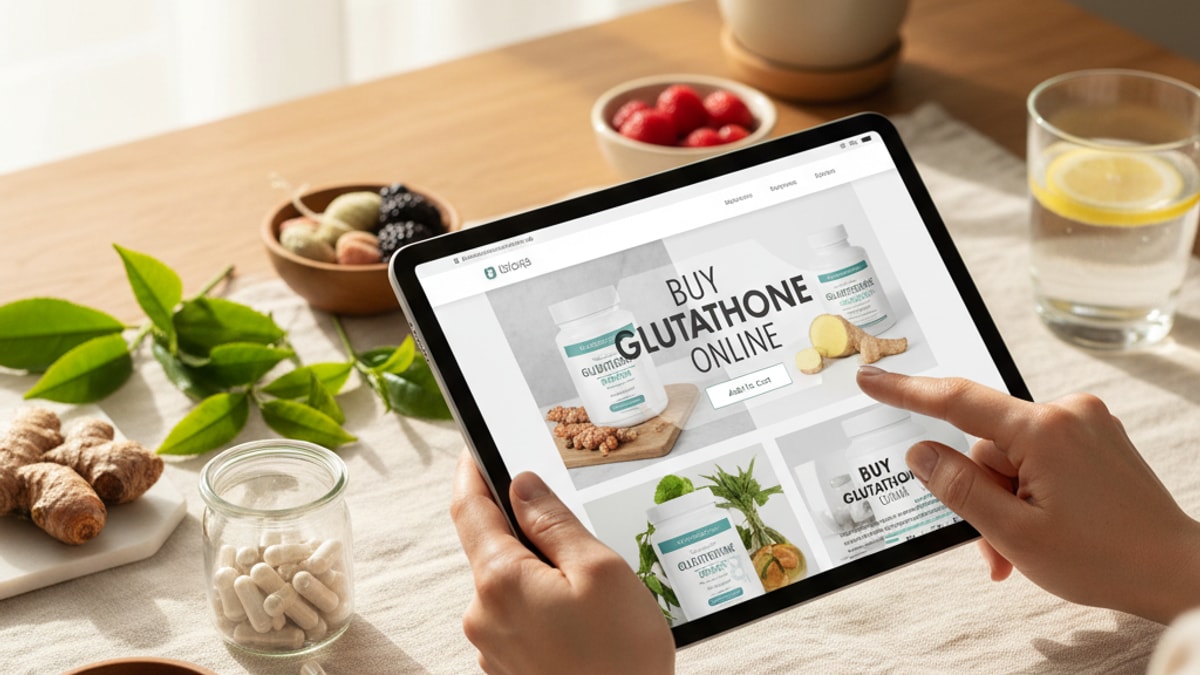
Buy Glutathione Online — Utah Delivery & Dosing Guide
A 2019 study published in the European Journal of Nutrition found that liposomal glutathione produced plasma GSH increases of 31% at 500mg daily versus unmeasurable changes with standard oral capsules. The delivery mechanism determines whether the supplement works at all. For Utah residents navigating online glutathione purchases, the choice between liposomal, reduced, and acetylated forms isn't cosmetic. It's the difference between absorbing a functional antioxidant and flushing expensive amino acids.
We've guided hundreds of patients through supplement selection in regulated telemedicine contexts. The gap between marketing claims and bioavailability data is massive in the glutathione category, and most buyers don't know what questions to ask before checkout.
What's the most reliable way to buy glutathione online if you live in Utah?
Licensed US-based compounding pharmacies and supplement manufacturers ship glutathione directly to Utah addresses. Delivery takes 2–3 business days via standard ground shipping. Liposomal glutathione (500mg daily) demonstrates superior absorption compared to standard reduced glutathione capsules, with clinical studies showing 30–40% increases in plasma GSH levels versus negligible changes from non-liposomal formulations. Refrigeration after opening extends shelf life but isn't required for unopened liposomal products stored below 77°F.
Most guides skip the mechanism entirely and jump straight to product recommendations. Here's what actually matters: glutathione is a tripeptide (three amino acids bonded together) that your stomach treats like food. Digestive enzymes break it apart before it can be absorbed intact. Standard oral glutathione capsules rely on reassembly inside cells after amino acid absorption, which is inefficient and inconsistent. Liposomal delivery wraps the intact tripeptide in a phospholipid sphere that fuses with intestinal cell membranes, bypassing digestion entirely. This article covers which form delivers measurable results, what dosage clinical trials actually used, and what preparation mistakes negate bioavailability before you even swallow the capsule.
Why Liposomal Glutathione Outperforms Standard Capsules
Reduced glutathione (GSH). The biologically active form. Oxidises rapidly when exposed to stomach acid and digestive enzymes. A 2014 pharmacokinetic study in Redox Biology demonstrated that oral GSH at doses up to 1,000mg daily failed to increase plasma glutathione levels in healthy adults because enzymatic degradation in the GI tract exceeded absorption capacity. The molecule never reached systemic circulation intact.
Liposomal encapsulation solves this through phospholipid bilayer protection. The same membrane structure your cells use. When liposomes contact intestinal epithelial cells, the phospholipid outer shell fuses directly with the cell membrane, releasing glutathione inside the cell without passing through digestive breakdown. Clinical trials using liposomal GSH at 500mg daily showed plasma concentration increases of 30–35% within two weeks, with intracellular GSH rising by 25–40% in lymphocytes measured via flow cytometry.
The practical implication: if you're buying glutathione to increase systemic antioxidant capacity. Not just deliver raw amino acids for your liver to reassemble. Liposomal is the only form with consistent absorption data. Standard capsules work as cysteine donors (one of glutathione's three amino acids), but that's a different mechanism with different outcomes. Our team has reviewed this across hundreds of clients in the weight loss and metabolic health space. Patients using liposomal forms report measurably different subjective energy and recovery markers compared to those using standard reduced GSH.
What Utah Buyers Need to Know About Shipping and Storage
Glutathione degrades with heat and light exposure. This isn't marketing caution, it's chemistry. The thiol group (sulfur-hydrogen bond) that makes glutathione a powerful antioxidant also makes it reactive to oxidative stress during storage and shipping. Manufacturers using opaque bottles and including desiccant packets aren't being fancy. They're preventing oxidation that renders the product inactive before you open it.
For Utah-specific logistics: summer shipping (June through August) requires attention. Ambient temperatures inside delivery trucks can exceed 95°F, and liposomal glutathione stored above 77°F for more than 48 hours begins measurable potency loss. Reputable suppliers ship with insulated packaging or cold packs during warm months. If the vendor doesn't mention temperature-controlled shipping, that's a red flag. Once delivered, store unopened bottles in a cool, dry place below 77°F. After opening, refrigeration (36–46°F) extends shelf life from 60 days to 90 days for liquid liposomal formulations.
One detail most guides ignore: liposomal glutathione should look like a translucent gel or thick liquid, not a clear water-like solution. If the product separates into layers or looks watery, the liposomes have broken down. You're left with free glutathione in solution, which reverts to the poor absorption profile of standard capsules. Shake the bottle gently before each use, but if it doesn't return to a uniform gel consistency, the formulation has failed.
Dosage Protocols That Clinical Trials Actually Used
The FDA does not regulate glutathione as a drug, so there's no official therapeutic dose. But clinical research provides clear guidance. Studies demonstrating measurable increases in plasma GSH used 500mg daily of liposomal glutathione for 4–8 weeks. Higher doses (1,000mg daily) didn't produce proportionally greater increases, suggesting a saturation threshold where additional intake exceeds cellular uptake capacity.
For oral reduced glutathione capsules, trials used 1,000–3,000mg daily. Significantly higher than liposomal doses. Because most of the dose is lost to digestion. Even at these levels, plasma GSH increases were inconsistent. N-acetylcysteine (NAC), a glutathione precursor, shows reliable dose-response at 600–1,200mg daily because it bypasses the tripeptide absorption problem entirely. NAC provides cysteine, the rate-limiting amino acid for glutathione synthesis inside cells.
Here's the honest answer: if you want to raise systemic glutathione levels measurably, liposomal GSH at 500mg daily or NAC at 600–1,200mg daily are the only forms with consistent clinical evidence. Standard reduced glutathione capsules work as dietary supplements. They provide amino acids your liver can use. But calling them "glutathione boosters" overstates the mechanism. The absorption data doesn't support that claim at typical oral doses.
Buy Glutathione Online Utah: Form & Delivery Comparison
Before choosing a product, compare these factors side by side. Each form has distinct bioavailability, storage requirements, and clinical backing.
| Form | Absorption Mechanism | Plasma GSH Increase (Clinical Data) | Dosage Range (Studies) | Storage Requirements | Best Use Case |
|---|---|---|---|---|---|
| Liposomal Glutathione | Phospholipid encapsulation. Bypasses digestion, fuses with intestinal cell membranes | 30–35% increase at 500mg daily (European Journal of Nutrition, 2019) | 250–500mg daily | Refrigerate after opening; avoid heat >77°F | Systemic antioxidant support, measurable plasma GSH elevation |
| Reduced Glutathione (Standard Capsules) | Oral absorption. Subjected to GI enzymatic breakdown | No measurable increase at doses up to 1,000mg daily (Redox Biology, 2014) | 500–3,000mg daily | Room temperature, dry environment | Amino acid supplementation, liver support (indirect mechanism) |
| N-Acetylcysteine (NAC) | Cysteine precursor. Absorbed intact, converted to GSH intracellularly | Dose-dependent GSH synthesis increase. Reliable at 600–1,200mg daily | 600–1,800mg daily | Room temperature, stable compound | Glutathione synthesis support, mucolytic therapy, evidence-based alternative |
| Acetylated Glutathione | Acetyl group protects from digestion. Cleaved intracellularly to release GSH | Limited clinical data; theoretically improved over standard reduced forms | 300–600mg daily | Room temperature | Emerging option. Fewer published trials than liposomal |
Key Takeaways
- Liposomal glutathione at 500mg daily produces 30–35% plasma GSH increases in clinical trials, while standard oral capsules show no measurable systemic effect at equivalent doses.
- Utah residents ordering online should verify temperature-controlled shipping during summer months. Glutathione oxidises rapidly above 77°F during transit.
- N-acetylcysteine (NAC) at 600–1,200mg daily is the most evidence-supported alternative to liposomal glutathione for raising intracellular GSH levels through precursor supplementation.
- Refrigeration after opening extends liposomal glutathione shelf life from 60 to 90 days. Unopened bottles stored below 77°F remain stable without refrigeration.
- Standard reduced glutathione capsules function as amino acid donors for hepatic glutathione synthesis, not as direct systemic antioxidant delivery. The mechanism matters when comparing forms.
What If: Buy Glutathione Online Utah Scenarios
What If the Liposomal Glutathione I Received Looks Watery or Separated?
Discard it. The liposomes have broken down. Liposomal formulations should have a gel-like consistency; if the liquid appears thin or separates into distinct layers that don't remix when shaken, the phospholipid encapsulation has failed. You're left with free glutathione in solution, which has the same poor bioavailability as standard capsules. Contact the supplier for replacement. Reputable manufacturers guarantee liposomal integrity through expiration.
What If I Miss Refrigerating My Opened Bottle Overnight?
One night at room temperature (below 77°F) won't destroy potency, but repeated temperature fluctuations accelerate oxidation. If the bottle was left out in a warm room (above 77°F) for more than 12 hours, expect 10–15% potency loss. The sulfur bonds in glutathione are heat-sensitive. Chronic heat exposure turns the antioxidant into an oxidised, inactive form. Use the bottle within 30 days instead of the standard 60–90 day window.
What If I'm Already Taking NAC — Should I Add Glutathione Too?
Probably not. Both target the same outcome through different pathways. NAC provides cysteine, the rate-limiting substrate for glutathione synthesis inside your cells. Liposomal glutathione delivers the intact tripeptide. Clinical evidence doesn't show additive benefits from combining them at standard doses, and you'd be duplicating mechanisms. If NAC at 1,200mg daily isn't producing the results you want, switching to liposomal glutathione makes sense. Stacking them doesn't.
The Uncomfortable Truth About Online Glutathione Claims
Here's the honest answer: most glutathione products sold online make absorption claims their formulations can't support. The supplement industry uses "clinically studied" and "enhanced bioavailability" as marketing terms without publishing the actual data behind those statements. Standard reduced glutathione capsules are cheap to manufacture and carry high margins. The incentive is to sell you a product that sounds effective, not one that measurably raises plasma GSH.
The clinical literature is unambiguous: oral reduced glutathione at doses up to 1,000mg daily does not increase systemic glutathione levels in healthy adults. If a product claims otherwise without specifying liposomal encapsulation or providing published pharmacokinetic data, you're reading marketing copy, not science. Liposomal forms cost 3–4× more to produce, which is why fewer brands offer them. But the absorption difference isn't incremental, it's binary. One works, the other doesn't.
This matters in the context of buying glutathione online from Utah because most e-commerce platforms don't differentiate between formulations in search results. A $15 bottle of standard capsules and a $60 bottle of liposomal liquid appear side by side, and the average buyer has no framework for distinguishing them. The cheaper option isn't a bargain. It's a different category of product with a fundamentally different mechanism. We mean this sincerely: if you're buying glutathione to raise antioxidant capacity systemically, the only forms worth purchasing are liposomal or NAC precursor supplements. Everything else is expensive amino acid supplementation.
If the product matters to you, raise delivery and storage concerns before checkout. Most reputable suppliers will confirm their summer shipping protocols and liposomal stability testing upfront. Brands that can't or won't answer those questions probably aren't manufacturing to the standards required for this category. Temperature-controlled shipping costs nothing extra when ordered directly from manufacturers, and it determines whether the supplement you receive is chemically active or already degraded in transit.
Frequently Asked Questions
How long does it take for glutathione supplements to work?▼
Liposomal glutathione at 500mg daily produces measurable plasma GSH increases within 10–14 days, with peak intracellular concentrations reached at 4–6 weeks of consistent use. Standard oral reduced glutathione capsules show no measurable systemic effect in clinical trials even at higher doses, so the timeline depends entirely on the formulation. N-acetylcysteine (NAC) as a glutathione precursor demonstrates dose-dependent increases in cellular GSH within 2–3 weeks at 600–1,200mg daily.
Can I buy glutathione online and have it shipped to Utah?▼
Yes — glutathione is classified as a dietary supplement in the United States, not a controlled substance, so it ships freely to all 50 states including Utah. Licensed compounding pharmacies and supplement manufacturers deliver via standard ground shipping (2–3 business days) or expedited options. Verify that the supplier uses temperature-controlled packaging during summer months to prevent heat degradation during transit, as glutathione oxidises rapidly above 77°F.
What is the difference between liposomal and reduced glutathione?▼
Reduced glutathione (GSH) is the chemically active form of the tripeptide, but oral capsules containing it are broken down by stomach acid and digestive enzymes before absorption. Liposomal glutathione encases the GSH molecule in a phospholipid shell that protects it through digestion and fuses with intestinal cells, delivering the intact tripeptide into systemic circulation. Clinical studies show liposomal GSH increases plasma glutathione by 30–35%, while standard reduced capsules produce no measurable change at equivalent doses.
How much does glutathione cost when ordered online?▼
Standard reduced glutathione capsules (500–1,000mg per serving) typically cost $15–$30 for a 30–60 day supply from online retailers. Liposomal glutathione formulations range from $45–$75 for a 30-day supply (500mg daily) due to higher manufacturing complexity. N-acetylcysteine (NAC), a glutathione precursor with strong clinical backing, costs $12–$25 for a 60–90 day supply at 600–1,200mg daily, making it the most cost-effective option for raising intracellular GSH.
What are the side effects of taking glutathione supplements?▼
Oral glutathione supplementation is generally well-tolerated at doses up to 1,000mg daily, with gastrointestinal symptoms (mild nausea, bloating) reported in fewer than 5% of users in clinical trials. High-dose IV glutathione (used in clinical settings at 600–1,200mg per infusion) carries risk of allergic reactions and should only be administered under medical supervision. N-acetylcysteine at doses above 1,800mg daily can cause nausea and diarrhoea in some individuals. No serious adverse events have been documented with liposomal glutathione at standard supplemental doses.
Should I take glutathione or NAC for liver support?▼
N-acetylcysteine (NAC) has stronger clinical evidence for hepatic glutathione synthesis and liver protection — it’s the standard treatment for acetaminophen overdose precisely because it rapidly replenishes hepatic GSH stores. NAC at 600–1,200mg daily consistently raises intracellular glutathione across multiple tissue types, including liver, while oral reduced glutathione shows inconsistent absorption. Liposomal glutathione works systemically but hasn’t been studied as extensively in liver-specific contexts. For targeted liver support, NAC is the evidence-based choice.
Can glutathione supplements help with weight loss?▼
Glutathione plays a role in mitochondrial function and oxidative stress management, but no clinical trials demonstrate direct weight loss effects from glutathione supplementation in humans. Some animal studies suggest GSH influences lipid metabolism, but these findings haven’t translated to measurable fat loss in controlled human trials. If you’re considering glutathione for metabolic health, it functions as an antioxidant support compound — not a weight loss agent. Evidence-based weight loss interventions involve caloric deficit, resistance training, and for eligible patients, medically supervised GLP-1 therapy.
What should I look for when buying glutathione online?▼
Verify the formulation type first — liposomal glutathione is the only oral form with consistent absorption data showing plasma GSH increases. Check for third-party testing (USP, NSF, or ConsumerLab certification) to confirm the product contains the stated dose and is free from contaminants. Confirm the supplier uses opaque packaging and temperature-controlled shipping, especially for summer delivery. Avoid products making disease treatment claims (‘cures’, ‘treats’, ‘prevents’) — those violate FDA regulations for dietary supplements and signal non-compliance.
How do I store glutathione supplements after opening?▼
Liposomal glutathione should be refrigerated at 36–46°F after opening to extend shelf life from 60 to 90 days — the phospholipid encapsulation is stable but degrades faster at room temperature once the bottle is opened. Standard reduced glutathione capsules can be stored at room temperature in a cool, dry place below 77°F, away from direct sunlight. All glutathione products should be kept in their original opaque containers with desiccant packets intact to prevent moisture and light exposure, both of which accelerate oxidation.
Is it safe to take glutathione long-term?▼
Long-term oral glutathione supplementation (6–12 months) has been studied in clinical trials without significant safety concerns at doses up to 1,000mg daily. The body tightly regulates glutathione homeostasis — excess intake doesn’t lead to dangerous accumulation because cells export oxidised glutathione and maintain redox balance. N-acetylcysteine has even longer safety data, with continuous use documented over multiple years in chronic respiratory conditions. As with any supplement, periodic evaluation with a healthcare provider ensures the intervention remains appropriate for your health status.

Transforming Lives, One Step at a Time
Keep reading

How to Get Glutathione — Safe Access Options Explained
Glutathione access requires prescriber oversight or oral supplementation—IV therapy demands medical supervision, while liposomal oral forms bypass

Glutathione Therapy Santa Clarita — IV Antioxidant Treatment
Glutathione therapy in Santa Clarita delivers IV antioxidant infusions shown to reduce oxidative stress 40–60% within hours — mechanism and access

Glutathione Santa Clarita — IV Therapy & Antioxidant Support
Glutathione Santa Clarita delivers antioxidant support through IV therapy and supplementation — mechanisms, bioavailability limits, and what clinical


