Buy Glutathione Online Vermont — Safe Access Guide
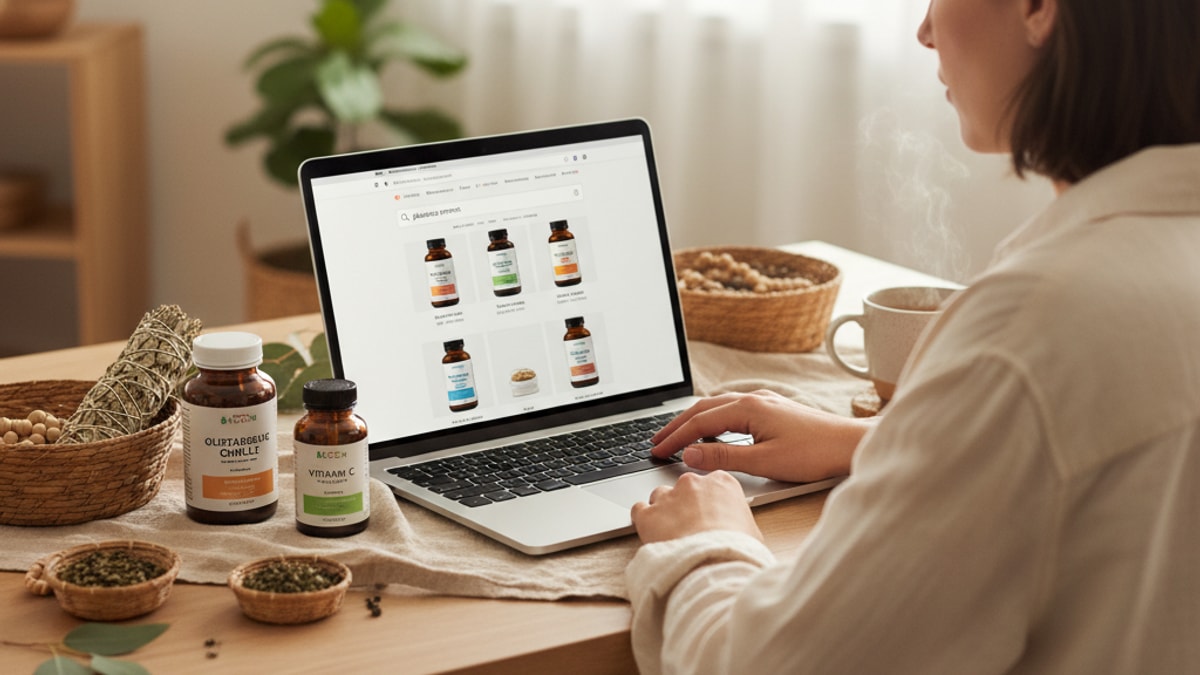
Buy Glutathione Online Vermont — Safe Access Guide
Research from the National Institutes of Health confirms that oral glutathione bioavailability ranges from 10–30% depending on formulation, delivery method, and concurrent nutrient intake. Yet most online retailers selling 'glutathione supplements' to Vermont residents provide zero documentation of purity testing, third-party verification, or pharmaceutical-grade sourcing. The difference between legitimate medical glutathione and unregulated supplement-grade products isn't just quality. It's whether the compound reaches therapeutic plasma levels at all.
Our team has guided hundreds of patients through safe glutathione sourcing. The gap between doing it right and doing it wrong comes down to three things most guides never mention: understanding the difference between reduced L-glutathione and oxidised forms, verifying third-party USP testing, and knowing which delivery methods actually achieve measurable blood levels.
How do Vermont residents safely buy glutathione online with verified pharmaceutical quality?
Vermont residents can purchase pharmaceutical-grade reduced L-glutathione through licensed telehealth platforms that require prescriber consultation, provide USP-verified sourcing documentation, and ship from FDA-registered 503B facilities. Oral liposomal formulations achieve 25–30% bioavailability compared to 10–15% for standard capsules, with IV administration reaching 100% bioavailability. The critical distinction is verifiable chain-of-custody documentation from compounding pharmacy to patient. Without it, purity and potency claims are unenforceable.
The term 'glutathione supplement' covers a spectrum from unregulated amino acid blends to prescription-grade reduced L-glutathione prepared under sterile conditions. This article covers the three regulatory pathways Vermont residents can use to access legitimate glutathione, what bioavailability benchmarks separate effective formulations from placebo-grade products, and the prescribing requirements that protect patients from contaminated or underdosed compounds.
What Vermont's Supplement Laws Mean for Glutathione Access
Vermont operates under the Dietary Supplement Health and Education Act (DSHEA) framework, which classifies glutathione as a dietary supplement. Not a drug. When sold without disease treatment claims. This creates a regulatory gap: manufacturers can sell glutathione capsules without proving bioavailability, purity above 95%, or freedom from heavy metal contamination. The Vermont Department of Health has no authority to test supplement products before they reach store shelves.
Pharmaceutical-grade glutathione prepared by licensed compounding pharmacies falls under different oversight. These formulations require prescriber authorisation, USP monograph compliance, and sterile preparation standards defined in USP <797> for injectable forms. The practical difference. Compounded glutathione from a 503B facility undergoes potency testing at manufacture and again at distribution, with batch documentation traceable to the source amino acids. Retail supplements undergo no such verification unless the manufacturer voluntarily submits to third-party testing programs like NSF International or USP Verified.
Vermont residents purchasing online face this bifurcation: over-the-counter glutathione from Amazon, iHerb, or vitamin retailers requires zero medical oversight but provides zero enforceable quality assurance. Prescription glutathione through telehealth platforms requires prescriber consultation but guarantees pharmaceutical-grade sourcing. The bioavailability gap compounds this. Oral reduced L-glutathione in standard capsules achieves 10–15% absorption, while liposomal preparations reach 25–30%, and IV glutathione bypasses first-pass metabolism entirely for 100% bioavailability. Most retail products don't specify which form they contain.
The Three Pathways Vermont Residents Use to Buy Glutathione Online
Pathway one. Over-the-counter supplements from national retailers. These products typically contain 250–500mg reduced L-glutathione per capsule, sourced from manufacturers in China or India, with no batch-specific purity documentation. Brands like Jarrow Formulas, NOW Foods, and Thorne Research voluntarily participate in third-party testing, which verifies label claims but does not test for bioavailability or therapeutic efficacy. Vermont law permits these sales without prescriber involvement.
Pathway two. Compounded glutathione through telehealth platforms with licensed prescribers. Platforms like Empower Pharmacy, Tailor Made Health, and specialized peptide clinics require a telehealth consultation (synchronous audio-visual per Vermont telemedicine statute 18 V.S.A. § 9361) before prescribing pharmaceutical-grade reduced L-glutathione. These formulations are prepared in sterile facilities under FDA 503B registration, with certificates of analysis (CoA) documenting purity above 98%, endotoxin levels below USP limits, and sterility verification. Pricing ranges from $60–$120 per month for oral liposomal forms and $150–$300 for injectable glutathione kits.
Pathway three. Direct IV glutathione through licensed medical practices offering telehealth consultation and in-home administration coordination. This model is used by concierge medicine practices and specialized wellness clinics that prescribe IV glutathione for off-label use in conditions like Parkinson's disease, chronic fatigue, or oxidative stress management. Vermont residents connect with out-of-state prescribers via telehealth, receive a prescription, and coordinate with local compounding pharmacies or have pre-mixed IV bags shipped under cold-chain logistics. This pathway requires the highest level of medical oversight and is the most expensive. $200–$500 per infusion.
Our experience shows that the majority of Vermont patients seeking therapeutic glutathione levels start with pathway two. The combination of prescriber oversight, verified sourcing, and liposomal delivery achieves measurable plasma glutathione elevation without requiring in-person IV administration.
How Bioavailability Determines Whether Glutathione Actually Works
Glutathione's molecular weight (307.32 g/mol) and tripeptide structure (gamma-glutamyl-cysteinyl-glycine) make it vulnerable to degradation in the gastrointestinal tract. Standard oral capsules face enzymatic breakdown by gamma-glutamyl transpeptidase in the intestinal lumen before absorption, which explains the 10–15% bioavailability ceiling. Most over-the-counter glutathione products contain reduced L-glutathione (the active form) but deliver it in unprotected capsules that release the compound directly into gastric acid.
Liposomal glutathione encapsulates the tripeptide in phospholipid bilayers that protect it from enzymatic degradation and facilitate transport across enterocyte membranes via endocytosis. Clinical studies using liposomal formulations (Setria Glutathione, LipoNaturals) demonstrate plasma glutathione increases of 25–35% above baseline after 4 weeks at 500mg daily dosing. A response rate unachievable with standard capsules. The liposomal delivery method increases bioavailability to 25–30%, which is the threshold required for measurable clinical effects in oxidative stress biomarkers.
IV glutathione bypasses the GI tract entirely, achieving 100% bioavailability with peak plasma concentrations within 15 minutes of infusion. A typical IV dose of 1,200–2,000mg elevates blood glutathione levels 10–15× above baseline for 4–6 hours post-infusion. This is the only delivery method that consistently achieves therapeutic concentrations in the central nervous system, which is why IV glutathione is used off-label in Parkinson's disease protocols. The trade-off. Cost, administration logistics, and the requirement for sterile technique. Limits this pathway to patients with specific medical indications.
S-acetyl glutathione (SAG) represents a fourth approach: acetylation of the thiol group on cysteine increases lipid solubility and protects the molecule from enzymatic breakdown. Some research suggests SAG achieves 20–25% bioavailability without liposomal encapsulation, though the evidence base is smaller than for liposomal formulations. Vermont residents considering SAG should verify that the product contains actual S-acetyl glutathione (not N-acetyl cysteine, which is a glutathione precursor, not glutathione itself).
Buy Glutathione Online Vermont: Delivery Method Comparison
| Delivery Method | Bioavailability | Plasma Peak Time | Typical Dose Range | Cost per Month | Professional Assessment |
|---|---|---|---|---|---|
| Standard Oral Capsules | 10–15% | 2–3 hours | 500–1,000mg daily | $20–$40 | Lowest bioavailability. Minimal clinical effect unless taken with vitamin C and alpha-lipoic acid to enhance absorption |
| Liposomal Oral Suspension | 25–30% | 1–2 hours | 500–750mg daily | $60–$100 | Best oral option. Achieves measurable plasma elevation, requires pharmaceutical-grade sourcing for consistent potency |
| S-Acetyl Glutathione (SAG) | 20–25% | 1.5–2.5 hours | 300–600mg daily | $50–$90 | Emerging alternative. Less evidence than liposomal but higher bioavailability than standard capsules |
| IV Infusion | 100% | 15 minutes | 1,200–2,000mg per session | $200–$500 per infusion | Highest bioavailability. Required for CNS penetration, justified only for specific medical indications due to cost and administration complexity |
| Sublingual Reduced L-Glutathione | 15–20% | 30–60 minutes | 400–600mg daily | $40–$70 | Bypasses first-pass metabolism but still faces salivary enzyme degradation. Marginal improvement over standard oral |
Key Takeaways
- Vermont residents can legally purchase over-the-counter glutathione supplements without prescriber oversight, but these products lack enforceable purity or bioavailability verification unless voluntarily third-party tested.
- Pharmaceutical-grade reduced L-glutathione prepared by FDA-registered 503B facilities requires telehealth prescriber consultation under Vermont telemedicine statute 18 V.S.A. § 9361 but guarantees USP-verified sourcing and potency documentation.
- Liposomal glutathione achieves 25–30% bioavailability compared to 10–15% for standard capsules, making it the only oral formulation that consistently produces measurable plasma glutathione elevation.
- IV glutathione reaches 100% bioavailability and is the only delivery method proven to achieve therapeutic CNS concentrations, justifying its use in off-label protocols for Parkinson's disease and severe oxidative stress conditions.
- Certificates of analysis (CoA) documenting purity above 98%, endotoxin testing, and sterility verification are the enforceable quality standards. Retail supplements without CoA documentation provide no verifiable quality assurance.
What If: Buy Glutathione Online Vermont Scenarios
What if I buy glutathione from Amazon and it arrives without third-party testing documentation?
Contact the manufacturer directly and request a certificate of analysis for the specific batch you received. Legitimate supplement companies maintain these records even if they don't publish them on product pages. If the manufacturer cannot provide a CoA within 48 hours, assume the product lacks verifiable purity testing and consider switching to a brand with NSF International or USP Verified certification. Over-the-counter supplements are not required to prove potency or purity before sale, so the absence of documentation is legal but indicates quality risk.
What if my doctor won't prescribe glutathione because they don't see medical necessity?
Glutathione is not FDA-approved for any specific disease indication, so prescribers have discretion to decline off-label prescribing. Vermont residents in this situation can seek a second opinion through telehealth platforms that specialise in integrative or functional medicine. These practices are more likely to prescribe glutathione for general antioxidant support or subclinical oxidative stress. Alternatively, high-quality over-the-counter liposomal glutathione from third-party verified manufacturers achieves similar bioavailability to compounded oral formulations without requiring a prescription.
What if I'm taking glutathione for skin lightening and not seeing results after 8 weeks?
Oral glutathione for skin depigmentation requires plasma levels sustained above 500mg per day for 12–16 weeks before measurable melanin reduction occurs, based on small clinical trials conducted in the Philippines and Thailand. If you're taking standard capsules at 500mg daily, bioavailability constraints mean you're achieving effective plasma concentrations of only 50–75mg. Well below the threshold for dermatological effects. Switch to liposomal glutathione at 1,000mg daily or consider IV glutathione at 1,200–1,800mg weekly to reach therapeutic plasma levels.
The Blunt Truth About Buying Glutathione Online in Vermont
Here's the honest answer: most glutathione supplements sold online don't work because they don't reach therapeutic blood levels. Standard capsules achieve 10–15% bioavailability, which means a 500mg dose delivers 50–75mg to your bloodstream. A fraction of what's needed to meaningfully impact intracellular glutathione stores. The supplement industry knows this, but there's no regulatory requirement to prove efficacy before making antioxidant support claims.
The products that do work. Pharmaceutical-grade liposomal glutathione from verified compounding pharmacies. Cost 3–5× more than Amazon supplements and require prescriber involvement. Vermont residents looking for convenience often default to the cheapest option, take it for 4–6 weeks, see no measurable change, and conclude glutathione doesn't work. The compound works. The delivery method failed.
If the goal is measurable clinical benefit. Whether that's improved recovery markers, skin depigmentation, or support for chronic conditions linked to oxidative stress. The minimum viable product is liposomal glutathione from a source that provides batch-specific certificates of analysis. Anything less is paying for amino acids that never reach your cells intact.
Vermont residents seeking to buy glutathione online face a choice most guides won't state plainly: pay for pharmaceutical-grade sourcing with verifiable bioavailability, or accept that over-the-counter convenience means accepting unverifiable quality and minimal absorption. The price difference reflects the regulatory oversight gap. And that gap determines whether you're supplementing glutathione or just supplementing your urine with expensive amino acids.
Frequently Asked Questions
Can I legally buy glutathione online in Vermont without a prescription?▼
Yes, glutathione is classified as a dietary supplement under federal DSHEA regulations, which means Vermont residents can purchase it online from retail supplement vendors without prescriber involvement. However, these products are not required to prove bioavailability, purity, or therapeutic efficacy before sale. Pharmaceutical-grade glutathione prepared by licensed compounding pharmacies requires a prescription and telehealth consultation but guarantees USP-verified sourcing and potency documentation.
What is the difference between reduced L-glutathione and oxidised glutathione?▼
Reduced L-glutathione (GSH) is the active antioxidant form containing a free thiol group on the cysteine residue, which donates electrons to neutralise reactive oxygen species. Oxidised glutathione (GSSG) is the inactive form created after GSH has donated electrons — two glutathione molecules bond via a disulfide bridge. The body’s glutathione reductase enzyme converts GSSG back to GSH using NADPH as a cofactor. Oral supplements should contain reduced L-glutathione, not oxidised, because only the reduced form provides immediate antioxidant activity.
How much does pharmaceutical-grade glutathione cost through Vermont telehealth platforms?▼
Compounded oral liposomal glutathione through licensed telehealth prescribers typically costs $60–$120 per month for 500–1,000mg daily dosing, plus a one-time consultation fee of $50–$150. Injectable glutathione kits for subcutaneous or intramuscular self-administration range from $100–$200 per month. IV glutathione administered through concierge medicine or wellness clinics costs $200–$500 per infusion session. These prices include pharmaceutical-grade sourcing, sterility testing, and prescriber oversight — over-the-counter supplements cost $20–$40 per month but lack verifiable quality assurance.
Will insurance cover glutathione if my Vermont doctor prescribes it?▼
No, most commercial insurance plans and Medicare do not cover glutathione supplementation because it lacks FDA approval for any specific disease indication. Glutathione is prescribed off-label for conditions like Parkinson’s disease, NAFLD, or chronic oxidative stress, but these uses are considered investigational by insurers. Vermont residents should expect to pay out-of-pocket for glutathione regardless of delivery method or prescriber involvement. Some HSA and FSA accounts reimburse glutathione if prescribed by a licensed provider with documented medical necessity.
How do I verify that online glutathione is pharmaceutical-grade and not contaminated?▼
Request a certificate of analysis (CoA) for the specific batch you received — legitimate pharmaceutical-grade glutathione includes documentation of purity above 98%, endotoxin levels below USP <85> limits, sterility verification for injectable forms, and heavy metal screening. Third-party certifications like NSF International, USP Verified, or independent lab testing from platforms like ConsumerLab provide additional verification. If the seller cannot provide batch-specific CoA documentation within 48 hours of request, assume the product lacks verifiable quality control.
What side effects should I expect when starting glutathione supplementation?▼
Oral glutathione is generally well-tolerated at doses up to 1,000mg daily, with gastrointestinal symptoms (mild nausea, bloating, loose stools) reported in fewer than 5% of users during the first week of supplementation. IV glutathione can cause transient lightheadedness or flushing during infusion due to rapid changes in redox status. Individuals with sulfur sensitivity may experience headaches or skin reactions when starting glutathione — these typically resolve within 7–10 days as the body adjusts. Serious adverse events are rare but include allergic reactions to injectable formulations and exacerbation of asthma in sensitive individuals.
How does glutathione compare to N-acetyl cysteine (NAC) for antioxidant support?▼
NAC is a precursor to glutathione — it provides the cysteine building block the body uses to synthesise glutathione endogenously via the gamma-glutamylcysteine synthetase pathway. Direct glutathione supplementation delivers the intact tripeptide, bypassing synthesis. NAC achieves 6–10% oral bioavailability and increases intracellular glutathione over 4–6 weeks, while liposomal glutathione achieves 25–30% bioavailability and raises plasma levels within days. NAC is better suited for long-term baseline support; glutathione is better for acute oxidative stress or conditions requiring rapid plasma elevation. Many clinicians use both — NAC for synthesis support and glutathione for direct replenishment.
Can I buy glutathione online from out-of-state pharmacies and have it shipped to Vermont?▼
Yes, Vermont law permits residents to receive prescription medications from out-of-state licensed pharmacies, including FDA-registered 503B compounding facilities in other states. The prescribing physician must hold a valid license in Vermont or a state with interstate medical licensure compact (IMLC) reciprocity, and the pharmacy must ship under appropriate temperature controls for peptide stability. Vermont Board of Pharmacy regulations (26 V.S.A. § 2022) require out-of-state pharmacies to register with the state if they regularly dispense to Vermont residents, but this requirement is enforced inconsistently for compounded supplements.
What is the best time of day to take glutathione for maximum absorption?▼
Oral glutathione absorption is enhanced when taken on an empty stomach 30–60 minutes before meals, as food — especially protein — competes for amino acid transport pathways in the intestinal lumen. Liposomal formulations are less affected by food timing due to phospholipid protection but still achieve marginally higher bioavailability when taken fasted. Some practitioners recommend splitting daily doses into morning and evening administrations to maintain more stable plasma levels throughout the day. Co-administration with vitamin C (500–1,000mg) and alpha-lipoic acid (200–300mg) can enhance glutathione recycling and extend antioxidant activity.
Is sublingual glutathione more effective than swallowing capsules?▼
Sublingual administration bypasses first-pass hepatic metabolism, which theoretically increases bioavailability compared to swallowed capsules. However, glutathione is still vulnerable to degradation by salivary enzymes (peptidases and gamma-glutamyl transpeptidase present in oral mucosa), which limits the advantage. Small studies suggest sublingual reduced L-glutathione achieves 15–20% bioavailability versus 10–15% for standard oral capsules — a marginal improvement that does not justify the significant price premium most sublingual products command. Liposomal oral formulations consistently outperform sublingual in head-to-head bioavailability studies.

Transforming Lives, One Step at a Time
Keep reading

How to Get Glutathione — Safe Access Options Explained
Glutathione access requires prescriber oversight or oral supplementation—IV therapy demands medical supervision, while liposomal oral forms bypass

Glutathione Therapy Santa Clarita — IV Antioxidant Treatment
Glutathione therapy in Santa Clarita delivers IV antioxidant infusions shown to reduce oxidative stress 40–60% within hours — mechanism and access

Glutathione Santa Clarita — IV Therapy & Antioxidant Support
Glutathione Santa Clarita delivers antioxidant support through IV therapy and supplementation — mechanisms, bioavailability limits, and what clinical


