Can Black Seed Oil Really Help Weight Loss? Here’s Our Take
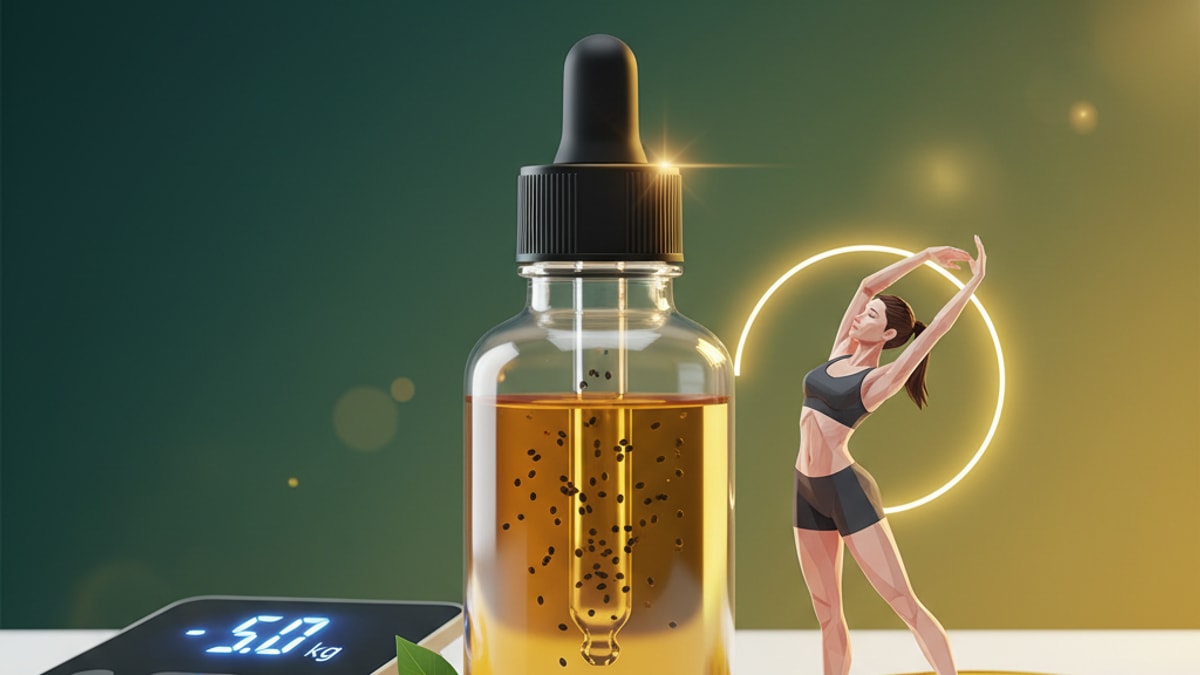
Let's be honest. The wellness world is a sprawling, often confusing landscape of promises. Every week, it seems a new 'superfood' or ancient remedy is rediscovered and touted as the missing piece in your health puzzle. We've all seen the headlines. One of the most persistent and intriguing players in this space recently is black seed oil. It's everywhere. And the question we hear constantly, both from patients and in general discourse, is a simple one: can black seed oil help with weight loss?
It’s a fair question. The desire for a natural, effective tool to support a weight loss journey is completely understandable. The path to sustainable weight management is a difficult, often moving-target objective. Here at TrimrX, our entire mission is built on biotechnology and medical science to provide real, clinically-validated solutions. So when a natural supplement gains this much traction, we feel it’s our responsibility to apply that same rigorous, scientific lens. We're not here to sell you on trends; we're here to give you an unflinching look at the evidence so you can make truly informed decisions about your health. So, let's get into it.
What Exactly is This Stuff?
Before we can talk about its effects, we need to know what we're dealing with. Black seed oil isn't some newfangled creation from a lab. It’s derived from the seeds of the Nigella sativa plant, a small flowering shrub that grows in Southwest Asia, the Middle East, and Southern Europe. The seeds themselves are sometimes called black cumin, kalonji, or black caraway, and they have been used in traditional medicine for literally thousands of years. We're talking about a history that stretches back to ancient Egypt.
But history doesn't equal efficacy. The real interest from a modern scientific perspective isn't just in the folklore; it's in the oil's active compounds. The star of the show is a powerful antioxidant called thymoquinone, or TQ for short. This is the component that researchers believe is responsible for most of the oil's potential therapeutic effects. It's a potent anti-inflammatory and antioxidant, which is why you'll see black seed oil studied for everything from asthma to skin conditions. That's impressive. But the billion-dollar question remains: does that power translate to shedding pounds?
The Core Question: Can Black Seed Oil Help With Weight Loss?
The claims are bold. Proponents suggest that black seed oil can rev up your metabolism, crush your appetite, and stabilize your blood sugar, creating a perfect storm for weight loss. It sounds fantastic. Almost too fantastic. Our team has spent countless hours reviewing the available research, and here's the breakdown of what the science actually suggests, separated from the marketing hype.
First, let's talk about appetite. The theory is that black seed oil might influence the hormones that control hunger and satiety. Some small-scale human studies have shown that subjects taking Nigella sativa reported feeling fuller and experienced a modest reduction in appetite. The mechanism isn't fully understood, but it may have to do with its anti-inflammatory effects on the hypothalamus, the part of your brain that regulates hunger. It's a plausible link, but the effect described in most studies is subtle. We're not talking about a dramatic, night-and-day shift in cravings.
Next up is metabolism. This is where things get a bit murky. The idea that a single substance can meaningfully 'boost' your metabolism is one of the most persistent myths in the diet industry. Your metabolic rate is a complex engine governed by factors like muscle mass, genetics, age, and hormonal health. Black seed oil's contribution seems to be indirect. Because of its high thymoquinone content, it fights oxidative stress and inflammation throughout the body. Chronic, low-grade inflammation is a known saboteur of metabolic health, contributing to insulin resistance and making it harder for your body to process energy efficiently. So, by reducing this inflammation, black seed oil might create a more favorable environment for your metabolism to function optimally. It's not a turbocharger; it's more like a high-quality engine oil that helps the machinery run a little smoother.
The most compelling evidence, in our professional opinion, lies in its effect on blood sugar and insulin sensitivity. This is where the science gets really interesting. Several studies, including a few meta-analyses that pool data from multiple trials, have demonstrated that Nigella sativa supplementation can lead to significant improvements in fasting blood glucose, insulin levels, and HbA1c (a measure of long-term blood sugar control). This is huge. Poor insulin sensitivity is a cornerstone of weight gain and metabolic syndrome. When your cells become resistant to insulin, your body has to pump out more of it to get glucose into your cells for energy. High insulin levels are a powerful signal to your body to store fat. By improving how your body responds to insulin, black seed oil could theoretically help break that cycle, making it easier to access and burn stored fat. This is, by far, the most scientifically plausible mechanism for its weight management benefits.
A Sobering Look at the Scientific Evidence
Now, this is where we have to pump the brakes a little. While the mechanisms we just discussed are promising, the overall body of evidence for black seed oil as a primary weight loss agent is still developing. We can't stress this enough: context is everything.
Many of the initial, exciting studies were conducted on animal models. What works in a lab rat doesn't always translate to complex human biology. The human trials, while often positive, tend to have limitations. We're often looking at small sample sizes, short durations (think 8-12 weeks), and varied dosages, which makes it hard to draw firm, sweeping conclusions. A 2018 meta-analysis published in the Journal of Ethnopharmacology did find that supplementing with Nigella sativa was associated with a modest reduction in body weight, BMI, and waist circumference. The key word there is modest. The average weight loss was in the range of 2-3 kilograms (about 4-7 pounds) over several weeks. It's not nothing. But it's certainly not the dramatic transformation often portrayed online.
It's a supportive player, not the hero of the story.
Our team's takeaway is this: black seed oil appears to be a metabolically supportive supplement. It can be a useful tool, particularly for individuals struggling with insulin resistance or metabolic syndrome. But it is not a weight loss drug. It's not a magic bullet. Relying on it alone to achieve significant, long-term weight loss is a strategy that's almost certain to lead to disappointment.
How Black Seed Oil Compares to Other Approaches
To put this all into perspective, it's helpful to see where a supplement like black seed oil fits within the broader spectrum of weight management strategies. Let's be direct and compare it to the foundational pillars and to modern medical interventions.
| Approach | Mechanism of Action | Expected Results | Scientific Backing | Our Professional Take |
|---|---|---|---|---|
| Black Seed Oil | Primarily improves insulin sensitivity and reduces inflammation. May have a mild appetite-suppressing effect. | Modest weight loss (2-7 lbs). Most effective as a metabolic support tool. | Developing. Some positive human trials, but more large-scale research is needed. | A potentially useful adjunct to a comprehensive plan, but not a primary driver of significant weight loss. Quality and dosage matter. |
| Diet & Exercise | Creates a caloric deficit through reduced intake and increased energy expenditure. Builds metabolically active muscle mass. | Highly variable. Can be very effective, but requires immense, sustained consistency and willpower. | Overwhelming. The foundational, non-negotiable element of any successful weight management strategy. | Absolutely essential, but often insufficient on its own for those with significant biological hurdles like hormonal imbalances or genetic predispositions. |
| Medically-Supervised GLP-1 Programs | Utilizes medications like Semaglutide/Tirzepatide to mimic natural hormones that regulate appetite, slow digestion, and improve insulin response. | Significant, sustained weight loss (often 15-20%+ of body weight). Clinically proven to be highly effective. | Extremely strong. Backed by numerous large-scale, randomized controlled trials published in top-tier medical journals. | The gold standard for individuals who have struggled to achieve meaningful results with diet and exercise alone. It addresses the underlying biology of weight regulation. |
Looking at this table, the picture becomes much clearer. You have the foundational work (diet and exercise), the supportive supplement (black seed oil), and the powerful, science-backed intervention (medically-supervised programs).
The TrimrX Perspective: Where Supplements Fit In
Our philosophy at TrimrX is grounded in medical science and a deep understanding of metabolic health. We've seen firsthand that for many people, the relentless cycle of diet and exercise just isn't enough to overcome the powerful biological forces that regulate body weight. This isn't a failure of willpower; it's a battle against complex physiology.
This is why we focus on clinically-proven treatments like GLP-1 medications. These are not supplements. They are sophisticated biotechnological tools that work with your body's own hormonal systems to fundamentally change the equation of hunger, satiety, and metabolism. They address the root cause in a way that no over-the-counter supplement can.
So, where does something like black seed oil fit into our model? We see it as a potentially beneficial component of a holistic health strategy, but it exists on a completely different tier than medical treatment. Think of it this way: building a healthy lifestyle is like building a house. Nutrition and exercise are the foundation. Medical interventions like the ones we offer are the structural framework—the beams and supports that make the whole thing strong and durable. A supplement like black seed oil? It’s like a high-quality coat of paint. It can offer protection and improve the overall look, but it can't fix a crumbling foundation or a weak frame.
For those who are truly struggling to see results and feel like they're fighting a losing battle, focusing on supplements can often be a distraction from the solutions that can deliver a significant, sometimes dramatic shift. If your goal is to lose a substantial amount of weight and, more importantly, keep it off, a medical approach is simply the most effective path forward. If you're tired of the cycle and ready to explore a proven medical path, you can Start Your Treatment with us and see if you're a candidate. It begins with understanding your unique health profile.
Practical Advice: If You Choose to Try Black Seed Oil
Even with the proper perspective, you might still be curious about incorporating black seed oil as a supportive measure. If you decide to do so, it's critical to approach it intelligently. Our team recommends focusing on a few key areas.
First, quality is paramount. The market is flooded with products of wildly varying potency and purity. Look for oil that is 100% pure, cold-pressed (heat can degrade the delicate compounds like thymoquinone), and stored in a dark, glass bottle to prevent oxidation. Ideally, the manufacturer should be transparent about the thymoquinone content—some brands will even list the percentage on the label. This is a good sign. Third-party testing for purity and potency is the gold standard.
Second, be smart about dosage. There is no universally agreed-upon clinical dose for weight loss. Most studies use a range from 1-3 grams of oil per day, which typically translates to about one teaspoon. We always advise starting on the low end, maybe half a teaspoon a day, to see how your body tolerates it. It has a very strong, peppery taste that some people find unpleasant, so mixing it into a smoothie or taking it with honey can help. Never start with a high dose.
Finally, and this is the most important point: talk to your doctor. This is a non-negotiable step, especially if you have any pre-existing health conditions or are taking any medications. Black seed oil can interact with certain drugs, including blood thinners (like warfarin) and beta-blockers. Because of its effect on blood sugar, it's especially important to consult your physician if you are on medication for diabetes, as it could potentially cause your blood sugar to drop too low (hypoglycemia). Safety first. Always.
The Bigger Picture: A Holistic, Science-Backed Strategy
The journey to a healthier weight is a marathon, not a sprint. And it's certainly not a journey that can be completed with a single 'hack' or supplement. It requires a comprehensive, multi-faceted approach that honors your unique biology.
Black seed oil is an ancient remedy with some genuinely interesting modern science behind it, particularly regarding its anti-inflammatory and insulin-sensitizing properties. It may offer modest support on your journey. But it is not the answer. The real, sustainable results come from building a solid foundation of nourishing food, consistent movement, restorative sleep, and effective stress management.
And for an increasing number of people, that foundation needs to be reinforced with the power of modern medicine. That's where we come in. We're here for when the foundational work isn't enough. Our goal is to provide that next level of support, using the most advanced, clinically-validated tools available to help you finally break free and achieve the lasting health you deserve. It's not about finding a magic pill, but about leveraging science to give your body the help it truly needs. If you're curious about whether that next level is right for you, the first step is a simple one. You can Take Quiz on our site to begin the process.
Ultimately, the conversation around black seed oil and weight loss is a perfect microcosm of the modern wellness landscape. It contains a kernel of scientific truth wrapped in a thick layer of hope and marketing. Our job is to help you separate the two, empowering you to invest your time, energy, and resources into strategies that deliver real, measurable, and lasting change.
Frequently Asked Questions
How long does it take to see results with black seed oil for weight loss?
▼
Most clinical studies run for 8-12 weeks. Any potential benefits, such as improved blood sugar control or modest weight changes, would likely become apparent within that timeframe. Remember, results are typically subtle and it’s not a quick fix.
What’s the best form of black seed oil to take: oil or capsules?
▼
Both can be effective, but our team generally prefers the oil. Cold-pressed oil allows you to verify the quality and taste (a strong, peppery flavor is a good sign) and avoids any fillers that might be in capsules. However, capsules are a convenient, taste-free alternative.
Can I take black seed oil while on a GLP-1 medication like Semaglutide?
▼
This is a critical question. You must consult with your prescribing physician before combining any supplement with a prescription medication. Both black seed oil and GLP-1s can lower blood sugar, so taking them together without medical supervision could increase the risk of hypoglycemia.
Does black seed oil have any side effects?
▼
For most people, it’s well-tolerated in small doses. The most common side effects are digestive, including stomach upset, bloating, or nausea. It’s always best to start with a very small amount to assess your individual tolerance.
Is there a specific time of day that’s best to take black seed oil?
▼
There is no clinically established best time. Many people prefer to take it in the morning with food to minimize any potential digestive discomfort. Consistency is more important than the specific time of day.
Will black seed oil help me lose belly fat specifically?
▼
No supplement can target fat loss in a specific area of the body—this is known as ‘spot reduction,’ and it’s a myth. While some studies have shown a reduction in waist circumference, this is a result of overall weight loss, not targeted fat burning.
What does thymoquinone (TQ) content mean, and why is it important?
▼
Thymoquinone (TQ) is the primary bioactive compound in black seed oil, responsible for most of its antioxidant and anti-inflammatory effects. A higher TQ content generally indicates a more potent, higher-quality oil. Look for brands that specify their TQ percentage.
Can I just eat the black seeds instead of taking the oil?
▼
Yes, you can. The seeds are often used as a spice in cooking. However, you would need to consume a much larger quantity of seeds to get the same concentration of active compounds found in the cold-pressed oil.
Is black seed oil safe for everyone?
▼
No. People with bleeding disorders, low blood pressure, or who are pregnant or breastfeeding should avoid it. It’s also crucial to stop taking it at least two weeks before any scheduled surgery. As always, consult your healthcare provider first.
How does black seed oil compare to other supplements like berberine?
▼
Both black seed oil and berberine are studied for their positive effects on insulin sensitivity and blood sugar metabolism. They work through different mechanisms but have similar metabolic benefits. Neither should be considered a primary weight loss solution, but rather as potential metabolic supports.
Does the strong taste of the oil mean it’s more effective?
▼
A strong, pungent, and peppery taste is characteristic of high-quality, potent black seed oil rich in thymoquinone. A bland or weak-tasting oil may be old, diluted, or of poor quality. So yes, in this case, the strong taste is often a good indicator of potency.

Transforming Lives, One Step at a Time
Keep reading

Do You Need a Prescription for GLP-1s? The 2026 Answer
Wondering ‘do you need a prescription for glp 1’ in 2026? Yes. We explain why a doctor’s oversight is critical for safe, effective results.

How to Get GLP-1 Covered By Insurance: Our 2026 Playbook
Struggling with how to get glp-1 covered by insurance? Our 2026 guide breaks down prior authorizations, appeals, and documentation.

Traveling with GLP-1s in 2026: Your Essential Trip-Proof Plan
Don’t let travel disrupt your GLP-1 treatment. Learn how to travel with glp 1 medications safely and stress-free in our 2026 expert guide.


