Constipation & Weight Loss: Why You’re Not Seeing Results
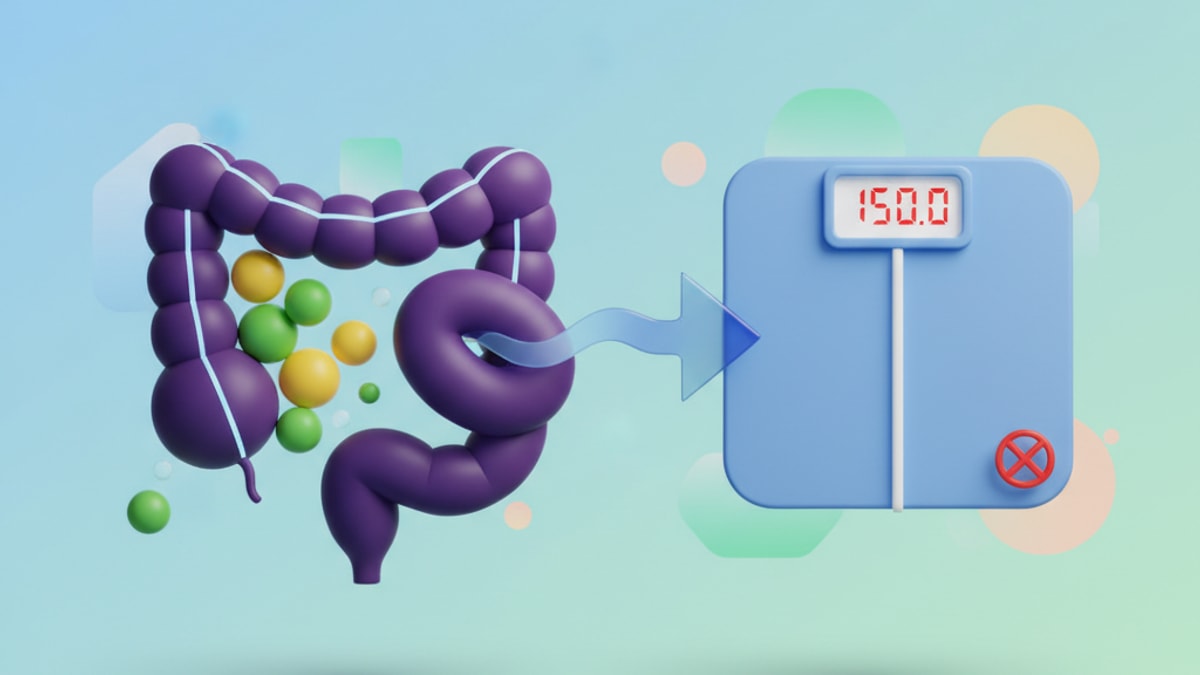
You’re doing everything right. You've dialed in your nutrition, you're consistent with your workouts, and you're mentally committed to your weight loss goals. But the number on the scale is stubbornly refusing to budge. Or, even more frustrating, it’s creeping up. Before you throw your hands up in despair, we need to talk about a factor that's frequently overlooked but has a profound impact on your progress: your digestive health. Specifically, we need to answer the question our team hears all the time: can constipation affect weight loss? The answer is an unflinching, absolute yes.
It’s a topic that might feel a bit uncomfortable, but in our work at TrimrX, guiding patients through medically-supervised weight loss programs, we've seen firsthand how crucial it is to address. Digestive regularity isn't just about comfort; it's a critical, non-negotiable element of your metabolic health and a true indicator of what's happening inside your body. Ignoring it is like trying to drive a high-performance car with a clogged exhaust pipe. The entire system slows down, becomes inefficient, and eventually, performance grinds to a halt. We're here to pull back the curtain on this connection and give you the clear, actionable insights we provide our own patients.
The Uncomfortable Truth: How Constipation Skews the Scale
Let's start with the most direct, numbers-on-the-scale reason constipation messes with your head. When you’re constipated, your body is physically holding onto waste that it should have eliminated. This retained stool has actual mass. It has weight. It’s not fat, but the scale can’t tell the difference. Depending on the severity and duration of the issue, this can translate to a temporary weight increase of anywhere from two to five pounds, and in some more extreme cases, even more. We’ve seen patients experience a significant, sometimes dramatic shift on the scale simply by resolving a bout of constipation.
Think about it this way. It’s just simple physics. You’re continuing to eat and drink, adding mass to your system, but the exit pathway is blocked. The backup accumulates. This can be incredibly demoralizing when you're working hard. You see the number go up and immediately assume your diet failed or you've gained fat. That's the lie the scale tells you. Our team can't stress this enough: scale weight is just one data point, and it's often a very noisy one. It's influenced by water retention, muscle gain, hormonal fluctuations, and yes, bowel movements.
But it goes deeper than just the physical weight of waste. Constipation often brings a miserable sidekick: bloating. This happens because the longer stool sits in your colon, the more water is reabsorbed from it, making it harder and more difficult to pass. Simultaneously, the bacteria in your gut continue to ferment this stagnant material, producing gas. This combination leads to that feeling of fullness, distention, and discomfort that makes your clothes feel tighter and can add inches to your waistline. So you’re not just feeling heavier; you’re looking and feeling visibly more bloated, which can be just as frustrating as the number on the scale.
Beyond the Scale: The Deeper Metabolic Connections
Okay, so we've established that constipation can make you weigh more temporarily. But its impact on your actual fat loss efforts is far more insidious and systemic. This is where it gets really interesting from a biological standpoint and where our expertise in metabolic health comes into play. Your gut is so much more than a simple digestive tube; it's a sprawling, complex ecosystem that communicates with your brain, your immune system, and your endocrine system.
When this system is sluggish, the ripple effects are formidable. First, let's talk about your gut microbiome. Your intestines are home to trillions of bacteria, a delicate balance of good and bad. A healthy, diverse microbiome is essential for everything from nutrient absorption to mood regulation. When waste moves too slowly through the colon, it alters the environment, allowing harmful bacteria to thrive while suppressing the beneficial ones. This state, known as dysbiosis, is a hotbed for low-grade, chronic inflammation. And inflammation is one of the biggest enemies of weight loss. It disrupts insulin signaling, promotes fat storage (especially visceral fat around your organs), and puts your body in a constant state of stress. We mean this sincerely: you cannot effectively lose fat in an inflamed body.
Then there's the hormonal piece of the puzzle. Your gut produces numerous hormones that regulate appetite, including ghrelin (the 'hunger' hormone) and peptide YY (a 'fullness' hormone). A backed-up digestive system can throw this delicate signaling into chaos. You might feel physically full and bloated, yet your brain isn't getting the right satiety signals, leading to confusing cravings or a feeling of being unsatisfied after meals. This makes sticking to a nutrition plan incredibly difficult. Your body is sending mixed messages, and it becomes a battle of willpower versus biology—a battle you’re not set up to win. Furthermore, an inefficient gut struggles with nutrient absorption. You could be eating the most impeccable, nutrient-dense diet, but if your intestines are clogged and inflamed, you won't be able to effectively absorb the vitamins, minerals, and phytonutrients your cells need to power your metabolism.
GLP-1 Medications and Your Gut: What to Expect
Now, this is where our specific experience at TrimrX becomes particularly relevant. Many of our patients achieve remarkable success using advanced, FDA-registered GLP-1 medications like Semaglutide and Tirzepatide. These treatments are game-changers for weight loss, but it's crucial to understand how they work. One of their primary mechanisms is slowing down gastric emptying—the rate at which food leaves your stomach. This is a massive benefit, as it keeps you feeling fuller for longer on less food, which is key to reducing calorie intake without feeling deprived.
However, this slowing effect isn't limited to the stomach. It can affect the entire digestive tract, sometimes leading to constipation. This is a very common and manageable side effect. We're always transparent about this with our patients because knowledge is power. When you understand why something is happening, you can address it proactively instead of being blindsided by it. The constipation isn't a sign the medication is 'bad' for you; it's often a sign that it's working as intended. The challenge, then, isn't to stop the medication but to support your digestive system so it can adapt to this new, slower pace.
This is a perfect example of why a medically-supervised program is so critical. Our team doesn't just prescribe a medication; we provide comprehensive support and guidance. We anticipate these potential side effects and equip our patients with personalized strategies from day one. We monitor their progress, listen to their feedback, and make adjustments as needed. Trying to navigate these powerful medications on your own, without that expert oversight, can lead to unnecessary discomfort and frustration, potentially causing you to give up on a treatment that could be life-changing. We've developed protocols over time to ensure our patients can reap the full benefits of GLP-1s while keeping their digestive systems happy and healthy.
Our Proactive Approach: Strategies for a Healthy Gut
So, what can you do? Whether your constipation is related to medication, diet changes, or other lifestyle factors, the solutions are foundational and beneficial for everyone. Here's what we recommend to our patients to keep things moving smoothly.
First, let's talk fiber. It’s not as simple as just ‘eat more fiber.’ There are two types, and you need both. Insoluble fiber (found in things like whole grains, nuts, and vegetables like cauliflower and green beans) doesn't dissolve in water. It acts like a scrub brush, adding bulk to your stool and helping it move through your system more quickly. Then there’s soluble fiber (from oats, beans, apples, and carrots), which dissolves in water to form a gel-like substance. This gel helps soften stool, making it easier to pass. The key is a balanced intake, aiming for 25-35 grams of total fiber per day. A word of caution from our team: if your current intake is low, increase it slowly. A sudden, massive jump in fiber without enough water can actually make constipation worse.
And that brings us to the next point, which is absolutely non-negotiable: hydration. Water is everything. Fiber, especially soluble fiber, needs water to do its job. Without enough fluid, that fiber just adds to the traffic jam in your gut. Think of it like trying to flush something down a pipe without turning on the faucet. It’s not going anywhere. We advise our patients to aim for at least 64 ounces of water per day, and even more if they are active or drinking caffeinated beverages, which can have a diuretic effect. Herbal tea and clear broths also count. This simple habit is one of the most powerful tools you have for maintaining regularity.
Movement matters more than you think. Physical activity does more than just burn calories; it stimulates peristalsis, the coordinated muscle contractions that move waste through your intestines. You don't need to run a marathon. Even a brisk 20-30 minute walk each day can have a profound effect on your digestive rhythm. It's about getting your body moving to get your bowels moving. Finally, we always discuss the gut-brain axis. Stress has a direct, potent impact on your digestive system. When you're stressed, your body diverts energy away from 'rest and digest' functions to 'fight or flight' mode, which can bring your gut to a screeching halt. Incorporating stress-management techniques like deep breathing, meditation, or even just unplugging for 15 minutes a day can make a surprising difference.
To make this simpler, here's a quick comparison of common issues and their solutions:
| Common Culprit | The Gut-Friendly Swap | Why It Works |
|---|---|---|
| Processed white bread & pasta | Whole grains, quinoa, oats | High in insoluble fiber to add bulk and promote movement. |
| Sugary drinks & juices | Water, herbal tea | Hydrates the digestive tract, allowing fiber to do its job effectively. |
| High intake of red meat | Lean proteins, beans, lentils | Plant-based proteins and lean meats are often easier to digest and contain more fiber. |
| Sedentary lifestyle | Daily walks, stretching, exercise | Physical activity stimulates the muscles in your intestines, helping move waste through. |
| Ignoring the urge to go | Establishing a regular routine | Training your body helps regulate bowel movements and prevents hardening of stool. |
When to Seek Professional Guidance
While the strategies above are incredibly effective for most people, it's vital to recognize when constipation is more than just a temporary nuisance. If your issues are chronic (typically defined as having fewer than three bowel movements a week for several weeks), severe, or accompanied by other symptoms like intense pain, blood in your stool, or unexplained weight loss, it's imperative to speak with a healthcare provider. These can be signs of underlying medical conditions that need to be properly diagnosed and addressed.
This is the core philosophy behind our work at TrimrX. Weight loss is not just about calories; it's about health. It's about understanding and optimizing the complex systems within your body. Our medically-supervised approach ensures that we're not just looking at the number on the scale. We're looking at you, the whole person. We monitor for side effects, we help you build sustainable lifestyle habits, and we provide the expert medical oversight needed to ensure your journey is both safe and effective. If you feel like you're stuck in a cycle of weight loss plateaus and digestive distress, it might be time for a more comprehensive strategy. We encourage you to explore how a program designed by medical experts can make all the difference. If you're ready for a change, you can Start Your Treatment Now and connect with a team that gets it.
Your weight loss journey is a complex biological process, and every system in your body plays a part. Paying attention to your digestive health isn't a minor detail—it's a foundational piece of the puzzle. It directly impacts the number on the scale, your metabolic rate, your hormonal balance, and your overall sense of well-being. By taking proactive steps to support your gut, you're not just alleviating discomfort; you're removing a significant roadblock on your path to success. With the right strategy and support, you can absolutely overcome these hurdles and achieve the sustainable, lasting results you're working so hard for.
Frequently Asked Questions
How much weight can constipation actually add on the scale?
▼
While it varies greatly, it’s common for constipation to cause a temporary weight increase of 2-5 pounds due to retained stool and associated water retention. Our team has seen this resolve quickly once regularity is restored.
Does constipation slow down your metabolism?
▼
Indirectly, yes. Chronic constipation can lead to gut inflammation and an imbalanced microbiome, both of which are linked to metabolic dysfunction and can make it harder for your body to lose fat efficiently.
Can I take laxatives while on Semaglutide or Tirzepatide?
▼
It’s critical to discuss this with your medical provider. While occasional use of a gentle, over-the-counter option may be okayed, we prefer to focus on sustainable diet and lifestyle changes first. Your provider at TrimrX can give you personalized and safe advice.
Will drinking more coffee help with my constipation?
▼
Coffee can stimulate colon muscles for some people, but it’s also a diuretic, which can lead to dehydration and potentially worsen constipation. If you drink coffee, ensure you’re also drinking plenty of water to counteract this effect.
How quickly will I notice a difference after increasing fiber and water?
▼
Many people notice an improvement in their regularity within a few days to a week of making consistent changes. Remember to increase fiber gradually to allow your digestive system to adapt without causing more gas and bloating.
Is it normal to be more constipated when you start a new weight loss diet?
▼
Yes, this can be quite common. A sudden change in your food intake, especially a reduction in carbohydrates or an increase in protein without enough fiber and water, can temporarily slow your system down. This is a key reason we provide ongoing support to our patients.
Could stress be the main cause of my constipation?
▼
Absolutely. The gut-brain axis is incredibly powerful. High levels of stress can slow down digestion significantly. We always recommend incorporating stress management techniques as part of a comprehensive gut health strategy.
Are probiotics helpful for constipation caused by GLP-1 medications?
▼
Probiotics can be beneficial for overall gut health, but their effectiveness for medication-induced constipation varies. It’s best to discuss specific strains and dosages with your healthcare provider to see if they’re a good fit for your situation.
What’s the single most important thing I can do for regularity?
▼
While it’s a combination of factors, our team finds that consistent, adequate hydration is often the most impactful first step. Water is essential for helping fiber work and for keeping stool soft and easy to pass.
Does constipation cause you to absorb more calories?
▼
This is a common misconception. Constipation doesn’t cause you to absorb more calories from the food you’ve eaten. However, the metabolic slowdown, inflammation, and hormonal disruption it causes can make your body less efficient at burning the calories you consume.
Can I still lose weight if I’m constipated?
▼
You can still lose fat while constipated, but the scale may not reflect it due to the retained waste. More importantly, the underlying issues causing the constipation can make the entire process much slower and more difficult than it needs to be.
How often should I be having a bowel movement?
▼
There’s a wide range of ‘normal,’ but generally, anywhere from three times a day to three times a week is considered healthy. The key is consistency and comfort for you personally, without straining or discomfort.

Transforming Lives, One Step at a Time
Keep reading

Do You Need a Prescription for GLP-1s? The 2026 Answer
Wondering ‘do you need a prescription for glp 1’ in 2026? Yes. We explain why a doctor’s oversight is critical for safe, effective results.

How to Get GLP-1 Covered By Insurance: Our 2026 Playbook
Struggling with how to get glp-1 covered by insurance? Our 2026 guide breaks down prior authorizations, appeals, and documentation.

Traveling with GLP-1s in 2026: Your Essential Trip-Proof Plan
Don’t let travel disrupt your GLP-1 treatment. Learn how to travel with glp 1 medications safely and stress-free in our 2026 expert guide.


