Can Deworming Cause Weight Loss? Our Medical Team Explains
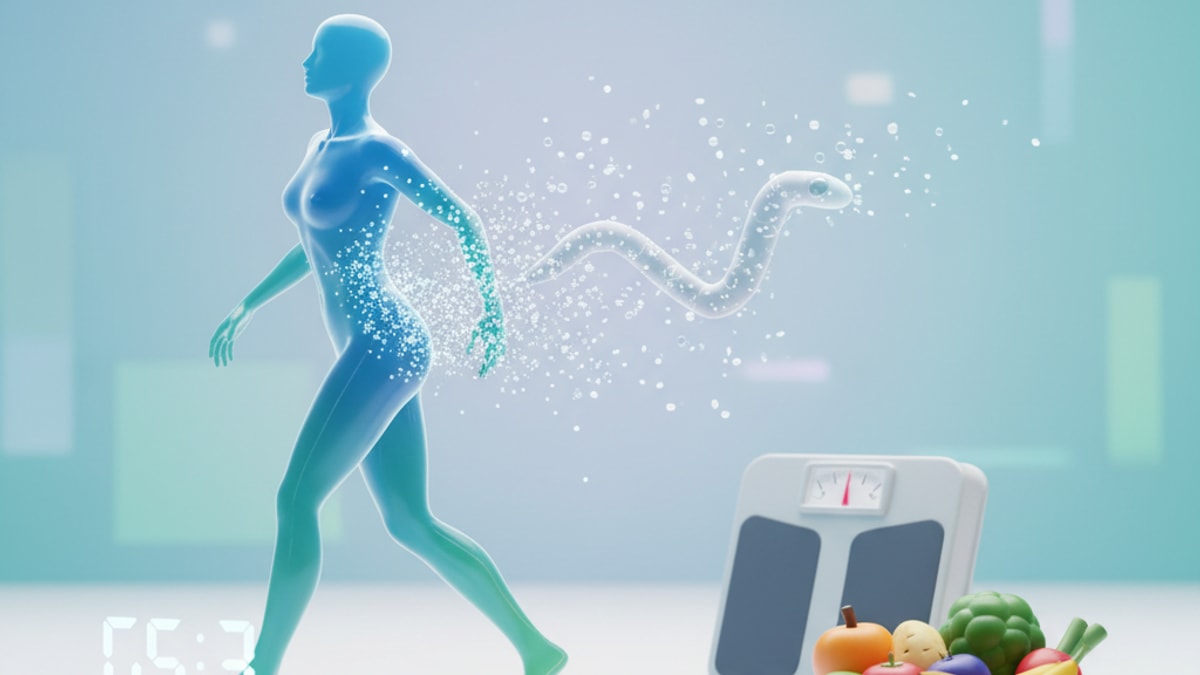
It's a question that pops up in the darker corners of internet forums and social media threads, whispered like a secret, forbidden cheat code for weight loss. Can deworming cause weight loss in adults? It sounds extreme, almost archaic. Yet, in the relentless search for a quick fix, it's a topic that refuses to disappear. Our team at TrimrX has seen it all when it comes to weight loss myths, and this one is particularly concerning. It preys on desperation and a fundamental misunderstanding of human biology.
Let's be direct. We're here to give you the unflinching, science-backed truth. As a company dedicated to medically-supervised, sustainable weight management, our entire focus is on what actually works—safely and effectively. We believe in empowering you with knowledge, not fads. So, we're going to pull back the curtain on this dangerous myth, explore the real science of parasitic infections, and then guide you toward the genuine, revolutionary solutions that are changing lives. Your health journey deserves clarity, not chaos.
What Are Intestinal Worms, Anyway?
Before we can even touch on weight loss, we need to be crystal clear about what we're dealing with. Intestinal worms, or parasitic helminths, aren't a wellness trend. They're a serious medical condition. These are multicellular organisms that take up residence in the human gastrointestinal tract, surviving by feeding off the host's nutrients. It's an invasion.
There's a sprawling variety of them, but they generally fall into a few main categories:
- Roundworms (Nematodes): This is a huge group that includes Ascaris (common roundworm), hookworms, and pinworms. They're often contracted through contact with contaminated soil or feces.
- Tapeworms (Cestodes): These are the flat, segmented worms you might have heard about. Humans typically get them by eating undercooked meat from infected animals, like pork or beef.
- Flukes (Trematodes): These leaf-shaped flatworms are less common in many parts of the world but can be contracted by drinking contaminated water or eating raw watercress or other freshwater plants.
An infection isn't subtle. It's a disease. The body's immune system launches a relentless war against these invaders, and the parasites, in turn, fight for their own survival by siphoning off your vital resources. We can't stress this enough: this is not a symbiotic relationship. It is a parasitic one where the host—you—suffers.
The Link Between Parasites and Weight Changes
Here's where the myth gets its sliver of truth, which is what makes it so dangerously misleading. A severe, untreated parasitic infection can indeed lead to unintentional weight loss. But it's crucial to understand why this happens. This isn't your body conveniently shedding pounds; it's your body breaking down under the strain of a formidable illness.
The mechanisms are brutal. First, there's the issue of malabsorption. The worms are literally stealing your food. They consume the nutrients from the food you eat before your body has a chance to absorb them through the intestinal wall. This is especially true for nutrients like iron, vitamin A, and B12, leading to anemia and profound fatigue. You're eating, but you're not getting the full benefit. It's a catastrophic internal theft of resources.
Second, the body's response is often severe. A significant parasitic load can cause chronic nausea, vomiting, and diarrhea. This not only makes it difficult to keep food down but also flushes nutrients and electrolytes from your system at an alarming rate. Your appetite may plummet because you simply feel too sick to eat. And third, your immune system goes into overdrive. Fighting a chronic infection requires a massive amount of energy, which means your body is burning more calories just trying to stay afloat. This combination—nutrient theft, severe GI distress, and a heightened metabolic state from illness—creates a perfect storm for drastic, unhealthy weight loss. It's the kind of weight loss you see in people with serious, uncontrolled diseases. It's a sign of a body in crisis, not in control.
So, Can Deworming Cause Weight Loss in Adults?
This is the million-dollar question, and the answer is almost certainly not what the internet forums would have you believe. The direct answer is no. Deworming medication is not a weight loss drug. It has no fat-burning or metabolism-boosting properties.
Let’s break down the two logical scenarios our medical team always considers.
Scenario 1: You have a genuine, severe parasitic infection causing weight loss.
In this case, a doctor diagnoses the infection and prescribes a deworming medication like albendazole or mebendazole. The drug kills the parasites. What happens next? The internal theft of nutrients stops. The gastrointestinal distress subsides. Your body is no longer fighting a grueling, chronic war. As your health is restored and your gut begins to heal, you can finally absorb the nutrients from your food properly. The result? You will likely gain weight, returning to a healthy baseline for your body. The deworming treatment cures the disease, thereby stopping the unhealthy weight loss it was causing.
It’s a complete reversal of the problem.
Scenario 2: You do not have a parasitic infection.
This is the situation for the vast majority of people in developed nations who are considering this as a 'hack.' If you take a deworming medication without having any worms, nothing will happen to your weight. The medication is designed to target the unique biology of helminths. Without a target, it will simply be processed by your liver and excreted, all while exposing you to the risk of unnecessary side effects. It’s like taking a powerful antibiotic for a viral cold. It's the wrong tool for the job, and it’s a gamble with your health for absolutely zero reward.
The Dangers of Using Dewormers as a Diet Hack
We need to be perfectly clear about this: self-prescribing deworming medication for weight loss is not just ineffective; it's dangerous. These are potent prescription drugs for a reason. Our experience shows that people often underestimate the risks of medications they can acquire illicitly online, assuming they are benign. They are not.
Potential side effects of anthelmintic drugs can include:
- Severe nausea and vomiting
- Debilitating abdominal pain
- Headaches and dizziness
- Fever
- In some cases, liver damage or a dangerous drop in white blood cell counts
Beyond the physical risks, there's a profound psychological component. Turning to such an extreme and unfounded method is often a sign of deep frustration and desperation in one's weight loss journey. It's a path that bypasses self-care and medical science in favor of a harmful myth. This is the exact cycle of hope and disappointment that we at TrimrX are committed to breaking. We've seen countless patients come to us after years of trying everything under the sun—from dangerous pills to unsustainable diets—and they're exhausted. They deserve a solution that's rooted in respect for their body, not one that treats it like a chemistry experiment.
When Should You Actually Consider Deworming?
Legitimate deworming is a medical intervention, not a lifestyle choice. You should only ever consider it if you are under the care of a healthcare professional who has confirmed a parasitic infection through proper diagnostic testing, typically a stool sample analysis. This isn't something you can or should diagnose yourself based on a blog post.
Symptoms that might warrant a conversation with your doctor include:
- Persistent, unexplained diarrhea, gas, or abdominal pain
- Nausea or vomiting that doesn't resolve
- Visible worms or worm segments in your stool
- Unexplained weight loss coupled with extreme fatigue
- Symptoms of anemia, like pale skin and weakness
If you've recently traveled to a region where parasitic infections are common or have reason to believe you were exposed to contaminated food or water, discussing it with a doctor is a sensible step. They will run the necessary tests and, if an infection is present, prescribe the correct medication at the correct dosage. That's the only safe and effective way to approach it.
To make this distinction as clear as possible, our team put together a simple comparison.
Deworming: Myth vs. Medical Reality
| Feature | The Weight Loss Myth | The Medical Reality |
|---|---|---|
| Goal | Quick, easy weight loss | Eradicate a parasitic infection |
| Mechanism | Assumes dewormers burn fat (false) or that an infection is a desirable state (dangerous) | Kills parasites, restoring the body's ability to absorb nutrients |
| Expected Outcome | Weight loss | Weight stabilization or even healthy weight gain as your body recovers |
| Who Should Do It? | Absolutely no one | Only individuals with a medically-diagnosed parasitic infection |
| Risks | Unnecessary medication side effects, potential liver damage, and delaying proper weight loss care | Minimal when prescribed and monitored correctly by a doctor for a real condition |
| Guidance | Unreliable online forums and dangerous social media trends | A qualified, licensed medical professional |
Shifting Focus: The Science of Real, Sustainable Weight Loss
Now that we've thoroughly debunked this harmful myth, let's talk about what actually works. The conversation around weight management has undergone a seismic shift in recent years. We've moved away from the simplistic and often shaming 'eat less, move more' mantra and toward a much more nuanced understanding of the body's complex biology.
At TrimrX, our entire approach is built on this modern understanding. We know that for many people, the battle with weight isn't about a lack of willpower; it's about a dysregulation of the intricate hormonal signals that control hunger, satiety, and metabolism. Your body has a powerful system for managing energy balance, and sometimes, that system needs medical support to get back on track.
This is where the science of hormones like GLP-1 (glucagon-like peptide-1) comes in. GLP-1 is a natural hormone your gut releases after you eat. It does several incredible things: it tells your pancreas to release the right amount of insulin, it slows down the speed at which your stomach empties (keeping you feeling full longer), and—this is the critical part—it sends a powerful signal of satiety to your brain. It's one of your body's primary 'I'm full' signals.
For many individuals struggling with excess weight, this signaling pathway can be impaired. This leads to what many of our patients describe as 'food noise'—a constant, nagging preoccupation with food and cravings that feels impossible to overcome. It's a biological drive, not a personal failing.
How Medically-Supervised Programs Offer a Better Path
This is where true medical innovation provides a genuine, effective alternative to the dangerous myths circulating online. Instead of trying to trick or harm your body into losing weight, we can now work with its natural systems.
Medications like Semaglutide and Tirzepatide are known as GLP-1 receptor agonists. They are engineered to mimic the effects of your body's own GLP-1 hormone, but they last much longer. By activating these receptors, they amplify those feelings of fullness and dramatically reduce appetite and cravings. It's not a magic pill, but it is a powerful tool that addresses the biological root of the struggle for so many.
This is the core of what we do at TrimrX. We provide a comprehensive, medically-supervised program that leverages these FDA-registered medications to help you achieve sustainable weight loss. It's a world away from the guesswork and risk of internet fads. It’s a comprehensive approach that respects your body's complex biology. If you're tired of the myths and ready for a science-backed solution, you can see if you're a candidate by taking our quick Take Quiz.
Why GLP-1 Medications Are a Game-Changer
The reason these treatments are so revolutionary is that they fundamentally change your relationship with food. Our experience shows this is the key differentiator. It's not about forcing yourself onto a miserable, restrictive diet. It’s about rebalancing the biological signals that control hunger. When we address that root cause, our patients find a level of control and peace around food they never thought possible.
Suddenly, you can go out to eat and feel satisfied with a smaller portion. The relentless cravings for high-sugar, high-fat foods begin to fade. You can make mindful, healthy choices because you're not constantly fighting against your own biology. This creates the headspace and the physical foundation to build lasting healthy habits around nutrition and activity.
This is what modern, effective weight management looks like. It's not about seeking out a disease or ingesting unnecessary chemicals. It's about using cutting-edge science to restore balance to your body under the careful guidance of medical professionals. If you feel you're ready to leave the myths behind for good, you can Start Your Treatment with us today.
The search for effective weight loss solutions is completely understandable. But the path to a healthier life should never involve gambling with your well-being. The truth about deworming and weight loss is simple: it’s a dangerous fiction. The real progress, the kind that lasts, comes from embracing science, seeking expert guidance, and choosing a path that honors your body's health above all else.
Frequently Asked Questions
Will a dewormer make me lose weight if I don’t have worms?
▼
No. Deworming medications are designed to kill parasites and have no fat-burning or metabolic properties. Taking them without an infection is ineffective for weight loss and carries unnecessary health risks.
Can a parasitic infection cause weight gain?
▼
It’s far less common than weight loss, but some parasitic infections can cause significant bloating, fluid retention, or inflammation that might be perceived as weight gain. However, this is a symptom of illness, not healthy weight.
What are the main side effects of deworming pills?
▼
Common side effects can include nausea, vomiting, abdominal pain, headaches, and dizziness. In rarer cases, more serious effects like liver problems can occur, which is why they should only be taken under medical supervision.
Is it safe to buy deworming medication online for weight loss?
▼
Absolutely not. It is extremely dangerous. Medications from unregulated online sources can be counterfeit, contaminated, or the wrong dosage. You should only ever take prescription medication that has been prescribed for you by a qualified doctor.
How do I know for sure if I have intestinal worms?
▼
The only way to know for sure is through a medical diagnosis. A doctor will assess your symptoms, travel history, and likely order a stool sample test to identify the presence of parasites or their eggs.
If deworming doesn’t work, what is a safer way to lose weight?
▼
The safest and most effective path is a medically-supervised approach. This can include lifestyle changes, nutritional guidance, and, for eligible candidates, proven medications like GLP-1 agonists that work with your body’s biology to regulate appetite.
How do GLP-1 medications like Semaglutide actually work for weight loss?
▼
GLP-1 medications mimic a natural gut hormone that signals fullness to your brain and slows stomach emptying. This dramatically reduces appetite and cravings, making it easier to eat smaller portions and make healthier food choices consistently.
Is weight loss from a parasite infection permanent?
▼
No. The weight loss is a direct symptom of the illness. Once the parasitic infection is treated and cured, your body will begin absorbing nutrients correctly again, and you will likely regain the weight as your health returns.
Can I just do a ‘cleanse’ to get rid of parasites?
▼
Our medical team strongly advises against so-called ‘parasite cleanses.’ These products are unregulated, often contain harsh laxatives, and there is no scientific evidence to support their effectiveness. A confirmed infection requires targeted prescription medication.
Are GLP-1 treatments like those from TrimrX safe?
▼
Yes, when prescribed and monitored by medical professionals for appropriate candidates. Medications like Semaglutide and Tirzepatide are FDA-registered for weight management and have been extensively studied for safety and efficacy.
Does everyone who takes a dewormer for an infection regain weight?
▼
If the infection caused significant weight loss due to malabsorption, then regaining some or all of that lost weight is a very common and healthy sign of recovery. The goal of treatment is to restore health, which includes returning to a stable weight.

Transforming Lives, One Step at a Time
Keep reading

Do You Need a Prescription for GLP-1s? The 2026 Answer
Wondering ‘do you need a prescription for glp 1’ in 2026? Yes. We explain why a doctor’s oversight is critical for safe, effective results.

How to Get GLP-1 Covered By Insurance: Our 2026 Playbook
Struggling with how to get glp-1 covered by insurance? Our 2026 guide breaks down prior authorizations, appeals, and documentation.

Traveling with GLP-1s in 2026: Your Essential Trip-Proof Plan
Don’t let travel disrupt your GLP-1 treatment. Learn how to travel with glp 1 medications safely and stress-free in our 2026 expert guide.


