Can Gallstones Cause Weight Loss? The Surprising Connection
Unexplained Weight Loss: Could Your Gallbladder Be the Culprit?
It’s a question we hear more often than you might think. You've noticed the number on the scale dropping, but you haven't changed your diet or hit the gym any harder. While weight loss is the primary goal for many people we work with at TrimrX, unintentional weight loss is a completely different animal. It's often a sign that something else is going on under the surface, and it’s a red flag that should never be ignored.
So, can gallstones cause weight loss? The short answer is a definitive yes. It's not the most common symptom people associate with gallbladder trouble—that honor usually goes to excruciating abdominal pain—but the connection is real, and it's biologically significant. Our team believes it's crucial to understand the 'why' behind this phenomenon, because this isn't the kind of weight loss to celebrate. It's your body sending a distress signal, and it's time to listen.
First, What Exactly Are Gallstones?
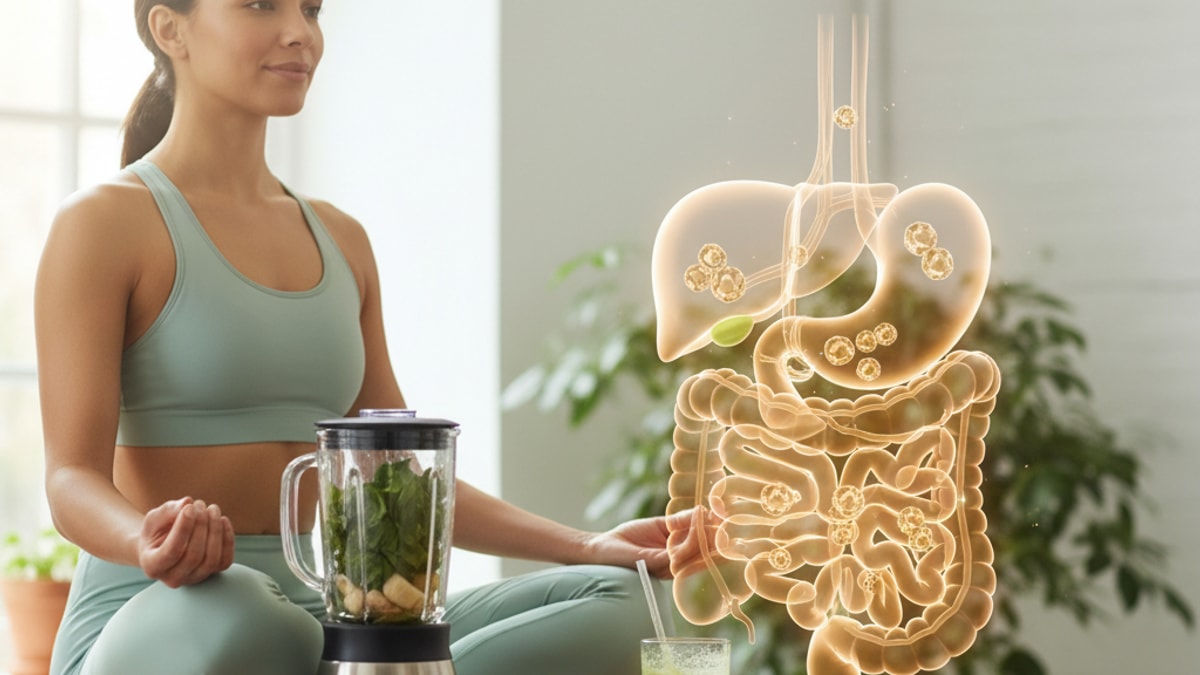
Before we dive into the connection with weight, let's get on the same page. Your gallbladder is a small, pear-shaped organ tucked away beneath your liver. Its main job is to store and concentrate bile, a digestive fluid produced by the liver that's essential for breaking down fats. Think of it as a little reservoir, releasing bile into your small intestine after you eat a meal.
Gallstones are essentially hardened deposits that form inside this reservoir. They can be as small as a grain of sand or as large as a golf ball. What are they made of? Most commonly, they're formed from cholesterol. When your bile contains too much cholesterol and not enough bile salts to dissolve it, the excess cholesterol can crystallize and harden into stones. Less commonly, they can be 'pigment stones,' made from bilirubin, a substance produced when your body breaks down red blood cells. For many people, these stones can sit there for years without causing any trouble. They're silent. But when they start to move and cause a blockage, that's when the problems begin.
The Direct Links: How Gallstones Trigger Weight Loss
This isn't a single-pathway issue. Gallstones can cause weight loss through a cascade of related problems, each one compounding the others. Our experience shows it’s usually a combination of these factors that leads to a noticeable, and often alarming, drop in weight.
1. Pain and Subsequent Food Aversion
This is the most straightforward connection. A 'gallbladder attack,' or biliary colic, happens when a stone blocks the bile duct. The pain can be sudden, intense, and frankly, unforgettable. It often strikes after eating, particularly after a meal high in fat, because that's when the gallbladder contracts to release bile. Your body quickly learns to associate eating—especially enjoyable, richer foods—with severe pain.
What happens next is a completely natural psychological response: you start avoiding food. You might consciously or subconsciously eat smaller portions, skip meals, or cut out entire food groups (especially fats) to prevent another agonizing episode. This fear-driven change in eating habits inevitably leads to a significant calorie deficit. It's not a diet; it's a defense mechanism.
2. Chronic Nausea and Suppressed Appetite
Even when you're not having a full-blown attack, chronic gallbladder inflammation (cholecystitis) can create a persistent feeling of nausea, bloating, and general digestive unease. This constant, low-grade discomfort is a powerful appetite suppressant. The signals your body would normally send to indicate hunger get drowned out by signals of distress.
Think about it. When you feel constantly queasy, the last thing you want to do is eat a large meal. Your desire for food plummets. This isn't just a lack of hunger; it's an active aversion to the idea of eating. Over weeks and months, this chronic lack of appetite leads directly to weight loss.
3. Fat Malabsorption
Now, this is where it gets more scientific, and it's a critical point we can't stress enough. Bile is absolutely essential for digesting fat. It acts like a detergent, breaking down large fat globules into smaller droplets that enzymes can then process and your body can absorb. When a gallstone blocks the flow of bile into your intestine, this entire process grinds to a halt.
What does that mean for you? The fat you eat can't be properly digested or absorbed. It passes right through your system, leading to symptoms like greasy, foul-smelling stools (a condition called steatorrhea). But it's not just unpleasant—it means you're not getting the calories from that fat. Fats are the most calorie-dense macronutrient, so being unable to absorb them creates a massive caloric deficit, even if you are managing to eat. Furthermore, you also can't absorb fat-soluble vitamins like A, D, E, and K, leading to serious nutritional deficiencies on top of the weight loss.
4. Vomiting and Diarrhea
During acute flare-ups, vomiting and diarrhea are common companions to the pain. These symptoms are your body's way of reacting to the intense inflammation and blockage. It's a violent and exhausting experience. Each episode results in a significant loss of fluids, electrolytes, and, of course, calories. When this happens repeatedly, the impact on your weight can be rapid and dramatic.
This Isn't 'Good' Weight Loss
Let's be perfectly clear. The weight loss caused by gallstones is a symptom of disease. It's your body breaking down because it's in distress and unable to get the nutrients it needs to function. It's often accompanied by a loss of muscle mass, fatigue, and nutritional deficiencies that can have sprawling health consequences.
At TrimrX, our entire philosophy is built around achieving a healthy weight in a sustainable, medically-supervised way that enhances your well-being. We use advanced GLP-1 medications to work with your body's natural metabolic systems. The weight loss we help our patients achieve is about restoring health, not indicating its decline. Symptomatic weight loss is the polar opposite. It’s a warning sign that requires immediate medical attention, not a milestone to be celebrated.
The Paradox: Rapid Weight Loss Can Cause Gallstones
Here's where the story gets even more complex. We've established that gallstones can cause weight loss. But the reverse is also true: rapid weight loss can be a primary trigger for forming gallstones in the first place.
This seems like a frustrating paradox, doesn't it? Here's how it works. When you lose weight very quickly—through crash dieting, very low-calorie plans, or sometimes even after bariatric surgery—your body metabolizes a lot of fat. This process causes the liver to secrete extra cholesterol into the bile. Suddenly, the bile becomes supersaturated with cholesterol, creating the perfect conditions for stones to form.
Adding to the problem, if you're severely restricting calories or fasting, your gallbladder doesn't get the signal to contract as often. The bile just sits there, stagnant and getting more and more concentrated. This combination of cholesterol-rich, stagnant bile is a recipe for gallstones. This is precisely why a controlled, steady approach to weight management is so critical. It's about avoiding those extreme metabolic shocks that can trade one health problem for another.
Our medically-supervised programs are designed to avoid this. By using medications that regulate appetite and metabolism, we aim for consistent, manageable weight loss that doesn't put undue stress on your system. It's about working with your body, not against it.
Comparing Unintentional vs. Medically-Supervised Weight Loss
Understanding the difference is crucial. One is a symptom of illness, the other is a path to wellness. We've put together a simple table to highlight the stark contrasts.
| Feature | Weight Loss from Gallstones (Unintentional) | Medically-Supervised Weight Loss (Intentional) |
|---|---|---|
| Primary Cause | Underlying disease process (blockage, inflammation) | A structured plan (diet, exercise, medication) |
| Associated Symptoms | Severe pain, nausea, vomiting, jaundice, fever | Increased energy, better mobility, improved mood |
| Nutrient Status | Often leads to malabsorption and deficiencies | Aims to maintain or improve nutritional health |
| Health Outcome | A sign of declining health requiring intervention | A sign of improving health and reduced disease risk |
| Level of Control | Uncontrolled and unpredictable | Managed, monitored, and guided by professionals |
| Muscle Mass | Often results in significant muscle wasting | Focuses on preserving lean muscle mass |
When to See a Doctor, Immediately
Unexplained weight loss is always a reason to consult your healthcare provider. But if it's accompanied by any of the classic symptoms of a gallbladder problem, it becomes an urgent matter. Don't wait. We can't stress this enough.
Seek immediate medical care if you experience:
- Sudden and intense pain in the upper right abdomen or center of your abdomen, just below your breastbone.
- Pain that radiates to your back between your shoulder blades or to your right shoulder.
- Yellowing of your skin and the whites of your eyes (jaundice).
- High fever with chills.
- Persistent nausea or vomiting.
- Urine that is dark or tea-colored, and stools that are pale or clay-colored.
These can be signs of a serious complication like an infection of the gallbladder or bile duct, or inflammation of the pancreas (pancreatitis), all of which require prompt treatment.
What Happens Next? Diagnosis and Treatment
If your doctor suspects gallstones, the diagnostic process is usually quite straightforward. An abdominal ultrasound is the most common and effective tool for visualizing the stones. Blood tests may also be done to check for signs of infection, inflammation, or blockage in your bile ducts.
Treatment depends on your situation. If the stones are silent and not causing symptoms, your doctor might recommend a 'watchful waiting' approach. If they are causing problems, options range from dietary modifications (a low-fat diet) to medications that can dissolve certain types of stones over time. However, the most common and definitive treatment for symptomatic gallstones is surgery to remove the gallbladder, known as a cholecystectomy. Today, this is almost always done laparoscopically, making it a minimally invasive procedure with a relatively quick recovery.
Life After Gallstones: Reclaiming Your Health and Weight Goals
Once the underlying gallbladder issue is treated and resolved, the unintentional weight loss should stop. Your body can once again properly digest and absorb nutrients, and the pain and nausea that suppressed your appetite will be gone. For many, some of the weight lost during the illness may return as they resume normal eating patterns.
This is the point where you can pivot from reactive healthcare to proactive wellness. It's a clean slate. If you were struggling with your weight before the gallstone saga began, now is the perfect time to address it in a healthy, controlled, and intentional way. Your focus can shift from managing a painful medical condition to building a healthier future.
This is where a structured, supportive program becomes invaluable. After getting the all-clear from your primary care physician, you can finally pursue your weight management goals without the threat of a gallbladder attack looming over you. When you're ready to take back control of your health on your own terms, our team at TrimrX is here to help. You can learn more about our approach and see if you're a candidate when you Start Your Treatment. It’s about moving forward, safely and effectively.
Ultimately, your body is an interconnected system. Unexplained weight loss isn't just a mystery; it's a piece of a larger puzzle. By listening to the signals, seeking proper medical care, and then approaching your long-term health with intention, you can solve that puzzle and build a stronger, healthier foundation for the years to come.
Frequently Asked Questions
How much weight can you actually lose from gallstones?
▼
The amount of weight loss varies dramatically from person to person. It can be a few pounds or a significant, double-digit drop, depending on the severity and duration of symptoms like pain, nausea, and malabsorption.
If I have my gallbladder removed, will I lose weight?
▼
Gallbladder removal surgery itself isn’t a weight-loss procedure. While some people may lose a small amount of weight initially during recovery, most people’s weight remains stable. The surgery resolves the symptoms that cause unintentional weight loss.
Is the weight loss caused by gallstones permanent?
▼
No, it’s typically not permanent. Once the underlying gallbladder issue is treated, your body’s ability to digest and absorb nutrients is restored. Most people regain the weight once they can eat normally without pain or nausea.
What foods are most likely to trigger a gallbladder attack?
▼
Foods high in fat and cholesterol are the most common triggers. This includes fried foods, fatty cuts of meat, full-fat dairy products, and rich, creamy sauces or desserts, as they cause the gallbladder to contract forcefully.
Can you have gallstones without any symptoms at all?
▼
Absolutely. These are known as ‘silent stones,’ and it’s estimated that the majority of people with gallstones have no symptoms. Problems typically only arise when a stone causes a blockage in a bile duct.
Does drinking water help with gallstones?
▼
Staying well-hydrated is important for overall health, but drinking water will not dissolve or flush out existing gallstones. Proper medical treatment is necessary to address symptomatic gallstones.
If I have a history of gallstones, can I still consider GLP-1 medications for weight loss?
▼
This is a conversation you must have with your healthcare provider. While GLP-1 medications have been associated with a slightly increased risk of gallbladder-related events, a personal history doesn’t automatically disqualify you. A thorough medical evaluation is needed to weigh the risks and benefits for your specific situation.
Besides weight loss, what are the most common signs of a gallbladder problem?
▼
The hallmark symptom is severe pain in the upper right abdomen, often after eating. Other common signs include nausea, vomiting, bloating, indigestion, fever, and jaundice (yellowing of the skin or eyes).
Will I gain weight after my gallbladder is removed?
▼
Some people report modest weight gain after surgery, but it’s not a direct result of the gallbladder’s absence. It’s often because they can now eat a wider variety of foods without pain, which may lead to a higher calorie intake than before.
Can stress cause gallstone flare-ups?
▼
While stress isn’t a direct cause of gallstone formation, it can potentially worsen digestive symptoms. High stress can affect digestion and may indirectly contribute to the discomfort experienced during a flare-up.
How long does it take to recover from gallbladder surgery?
▼
For a laparoscopic cholecystectomy, which is the most common method, recovery is quite fast. Most people can return to normal, light activities within a week and feel fully recovered within a few weeks.
Do I need to follow a special diet for the rest of my life after gallbladder removal?
▼
Most people can return to a normal diet. However, your doctor may recommend reintroducing fatty foods gradually, as some individuals experience temporary digestive changes like diarrhea while their body adjusts to the absence of the gallbladder.

Transforming Lives, One Step at a Time
Keep reading

Do You Need a Prescription for GLP-1s? The 2026 Answer
Wondering ‘do you need a prescription for glp 1’ in 2026? Yes. We explain why a doctor’s oversight is critical for safe, effective results.

How to Get GLP-1 Covered By Insurance: Our 2026 Playbook
Struggling with how to get glp-1 covered by insurance? Our 2026 guide breaks down prior authorizations, appeals, and documentation.

Traveling with GLP-1s in 2026: Your Essential Trip-Proof Plan
Don’t let travel disrupt your GLP-1 treatment. Learn how to travel with glp 1 medications safely and stress-free in our 2026 expert guide.


