The Unseen Link: Can Gastritis Cause Weight Loss?
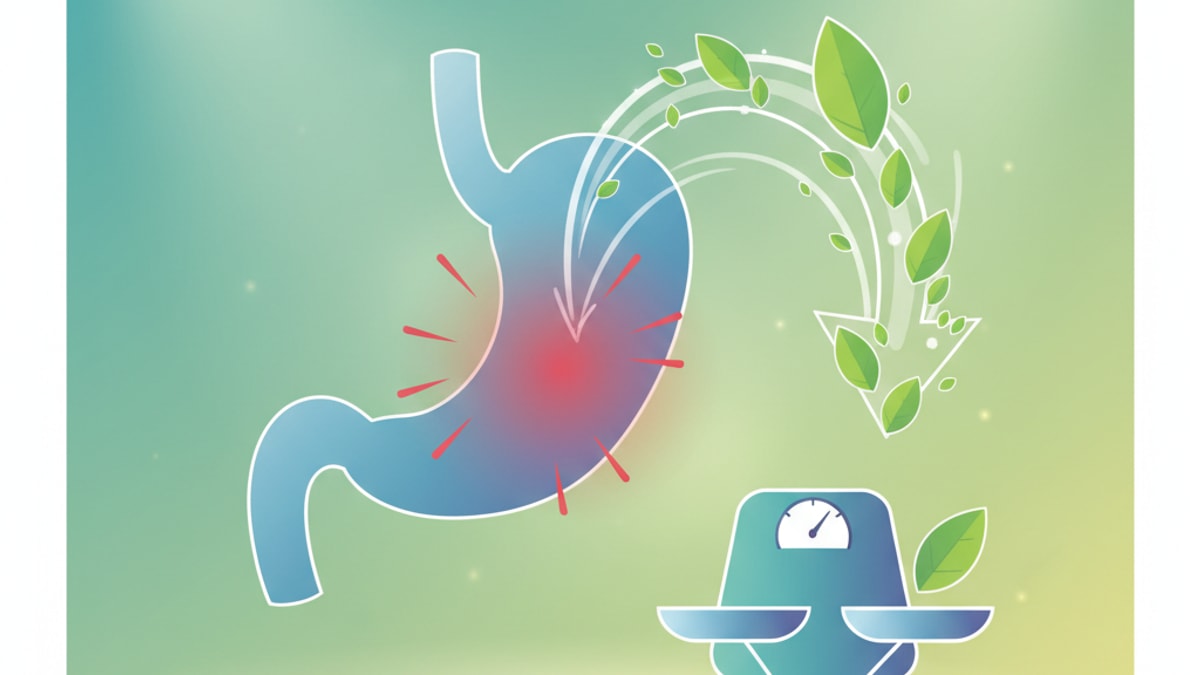
You’ve noticed the number on the scale dropping, but you haven't been trying. Instead of feeling accomplished, you feel… off. You’re also dealing with a nagging burn in your stomach, a sense of fullness after just a few bites, and waves of nausea. It’s a confusing and frankly worrying situation. You start connecting the dots and land on a question we hear all the time: can gastritis cause weight loss?
The short answer is yes, absolutely. It's not just possible; it's a common, though often overlooked, consequence of this inflammatory condition. But the 'why' and 'how' are far more complex. Here at TrimrX, our expertise isn't just in metabolic health and advanced weight loss medications; it's in understanding the entire ecosystem of the body. We’ve seen firsthand how a compromised gut can derail not only your comfort but your body composition, too. This isn't just a simple case of eating less. It’s a multifaceted issue involving appetite, nutrient absorption, and your body's fundamental ability to process fuel. Let’s break it down.
So, What Exactly Is Gastritis?
Before we dive into the weight loss connection, it’s crucial to understand what’s happening inside your stomach. Think of your stomach lining as a tough, resilient fortress wall, protected by a thick layer of mucus. This wall is designed to withstand the highly acidic environment needed to break down food. Gastritis occurs when that fortress wall becomes inflamed, irritated, or eroded. The protective barrier is breached.
This inflammation isn't a single entity. It comes in two primary forms:
- Acute Gastritis: This is the sudden, short-term flare-up. It hits you like a summer thunderstorm—intense and disruptive. It might be caused by overindulging in alcohol, taking too many NSAIDs (like ibuprofen), or a severe infection. The pain can be sharp and immediate.
- Chronic Gastritis: This is a much stealthier adversary. It's a slow, persistent erosion of the stomach lining, developing over months or even years. The symptoms can be duller, more of a constant, nagging ache or discomfort. The most common culprit here is a bacterial infection from Helicobacter pylori (H. pylori), but autoimmune disorders and long-term stress can also be formidable contributors.
Our team has found that many people dismiss the symptoms of chronic gastritis as just 'a sensitive stomach' for years. They learn to live with the bloating, the burning, and the vague discomfort, not realizing the cumulative damage taking place. This is a critical mistake. That slow burn isn't just an annoyance; it’s a sign that your body's primary digestive engine is malfunctioning, and that has serious downstream effects, including on your weight.
The Real Reasons Gastritis Causes Weight Loss
Now, let's connect the dots. How does an inflamed stomach lining translate to pounds dropping off the scale? It’s not one single mechanism but a cascade of related problems. We've seen it work through several distinct pathways.
1. Appetite Annihilation
This is the most direct and powerful driver. When your stomach is in a constant state of irritation, the very thought of food can be unappealing. Eating is supposed to be pleasurable; for someone with gastritis, it becomes a source of anxiety. You know that eating might trigger:
- Pain: A burning, gnawing, or sharp pain in the upper abdomen.
- Nausea: A persistent feeling of sickness that can be completely debilitating.
- Bloating and Early Satiety: You feel uncomfortably full after just a few bites, as if you’ve eaten a massive meal.
Food becomes the enemy. Your brain, in a very logical act of self-preservation, starts to suppress your hunger signals. Why would it encourage you to do something that causes pain? This leads to a natural and significant reduction in calorie intake. It's not a conscious diet; it's a subconscious avoidance of discomfort, and the result is an unintentional and often alarming calorie deficit.
2. The Malabsorption Problem
This is where things get a bit more technical, but it’s a non-negotiable part of the story. A healthy stomach lining does more than just hold acid. It produces enzymes and other substances critical for breaking down food and absorbing essential nutrients. When it's inflamed, it simply can't do its job properly.
Think of it like trying to soak up a spill with a rock instead of a sponge. The surface is there, but it’s not functional. An inflamed stomach (a condition known as atrophic gastritis in its chronic form) struggles to absorb key micronutrients, most notably:
- Vitamin B12: Essential for energy production and nerve function.
- Iron: Critical for carrying oxygen in your blood.
- Calcium: Necessary for bone health.
This malabsorption doesn't just lead to deficiencies that make you feel tired and weak; it means you're not getting the full nutritional value from the little food you are managing to eat. Your body is being starved on a cellular level, even if you’re consuming some calories. This state of undernourishment can absolutely contribute to weight loss and muscle wasting.
3. Direct Calorie Loss Through Vomiting
In more severe cases of gastritis, especially acute flare-ups, vomiting can become a significant issue. This is your body's emergency eject button. While it's a protective reflex, it also means you're losing fluids, electrolytes, and any calories you just consumed. If this happens frequently, the caloric loss is direct, rapid, and can lead to a dramatic shift on the scale. It's an unsustainable and dangerous way to lose weight, signaling a serious level of inflammation that needs immediate medical attention.
4. Fear-Based Dietary Restriction
This is a psychological component we see all the time. After a few painful experiences, you start to create a mental list of 'unsafe' foods. Spicy dishes are out. Anything acidic is a no-go. Fatty foods? Forget about it. Soon, your diet shrinks to a small, 'safe' rotation of bland items like crackers, toast, and boiled chicken.
While this strategy might provide temporary relief, it often leads to a diet that is nutritionally barren. You're not only consuming fewer calories, but you're also missing out on fiber, healthy fats, vitamins, and minerals. Our experience shows that this self-imposed restrictive eating is one of the most significant hidden drivers of weight loss in chronic gastritis patients. It’s a vicious cycle: the fear of pain causes dietary restriction, which leads to weight loss and nutritional deficiencies, which in turn weakens the body and can make it harder to heal the gut.
Is It Gastritis or Something Else Entirely?
Here’s where a professional diagnosis becomes absolutely critical. Weight loss combined with abdominal pain can be a red flag for several gastrointestinal conditions. Self-diagnosing with a quick internet search is a recipe for anxiety and mismanagement. The symptoms can be frustratingly similar, and only a healthcare provider can truly differentiate them.
Let’s be honest, it's tempting to try and figure it out on your own, but the stakes are too high. To give you some perspective, here's a brief comparison of conditions that share overlapping symptoms. We can't stress this enough: this is for informational purposes only, not for diagnosis.
| Condition | Key Symptoms | Typical Weight Impact |
|---|---|---|
| Gastritis | Burning upper abdominal pain, nausea, bloating, feeling full quickly. | Common, driven by poor appetite, malabsorption, and fear of eating. |
| Peptic Ulcer | Similar to gastritis, but pain can be more localized and may improve with food. | Possible, especially if the ulcer causes significant pain or bleeding. |
| GERD | Heartburn, acid reflux, chest pain, regurgitation. | Less common, but can occur if severe esophagitis makes swallowing painful. |
| Crohn's Disease | Abdominal cramping, diarrhea (can be bloody), fatigue, mouth sores. | Very common and often significant, due to severe malabsorption and inflammation. |
Seeing the overlap makes it clear why professional guidance is non-negotiable. A doctor can recommend specific tests, like an endoscopy or a test for H. pylori, to get a definitive answer. This isn't just about getting a label for your symptoms; it's about creating a targeted, effective treatment plan.
A Fork in the Road: Managing Gastritis vs. Intentional Weight Loss
This is where the conversation gets nuanced, and it’s an area our team at TrimrX navigates every day. The approach to weight changes dramatically depending on the context. Are you losing weight unintentionally and need to stop it, or is weight loss a separate health goal that’s being complicated by your gastritis?
Scenario 1: Stopping Unintentional Weight Loss
If gastritis is causing you to lose weight against your will, the primary goal is to treat the root cause: the inflammation. This involves a multi-pronged strategy:
- Medical Intervention: Working with your doctor is the first step. Treatment might include proton pump inhibitors (PPIs) to reduce stomach acid, antibiotics to eradicate an H. pylori infection, or other medications to coat and protect your stomach lining.
- Strategic Eating: This isn't about restriction; it's about healing. The focus should be on small, frequent meals to avoid overloading the stomach. Choose foods that are easy to digest and nutrient-dense: think steamed vegetables, lean proteins like fish and poultry, healthy fats from avocado, and soothing options like oatmeal. It’s about calming the system, not starving it.
- Trigger Avoidance: Identifying and removing your personal triggers is key. Common culprits include spicy foods, caffeine, alcohol, processed foods, and highly acidic things like tomatoes and citrus. This is a temporary measure to allow the lining to heal.
- Stress Management: We cannot overstate the gut-brain connection. Chronic stress floods your body with cortisol, a hormone that can directly exacerbate stomach inflammation. Techniques like mindfulness, meditation, gentle yoga, or even just dedicated time for a relaxing hobby are not 'nice-to-haves'; they are a critical, non-negotiable element of any gut-healing protocol.
Scenario 2: Pursuing Intentional Weight Loss with Gastritis
Now for the other side of the coin. What if you have a weight loss goal, but your gastritis is making it feel impossible? This is a delicate balance.
Many conventional diets can be disastrous for someone with gastritis. They might be too acidic, too high in rough fiber, or structured in a way that triggers symptoms. Trying to force your body to lose weight when your digestive system is compromised is like trying to run a marathon with a sprained ankle. It won’t work, and you’ll only cause more damage.
This is precisely where a medically supervised approach becomes essential. At TrimrX, we recognize that you can't build a healthy body on a faulty foundation. Healing the gut must be a priority before or in tandem with any weight management plan. Our approach isn't just about prescribing GLP-1 medications like Semaglutide or Tirzepatide. It's about creating a state of metabolic health where these powerful tools can work effectively and safely.
For instance, GLP-1s work in part by slowing down gastric emptying, which helps you feel fuller for longer. For most people, this is a huge benefit for weight loss. But for someone with active gastritis, delayed emptying could potentially worsen symptoms of bloating and discomfort. This is the kind of intricate interaction that requires clinical oversight. Our team monitors these factors closely, ensuring your treatment plan supports your gut health, not works against it. We help you build a nutritional strategy that calms inflammation while still creating the gentle calorie deficit needed for sustainable weight loss. If you feel like you're stuck between wanting to lose weight and managing a painful gut, it’s time to talk to a team that understands both. You can Start Your Treatment with a program designed to see the whole picture.
Your body is an interconnected system. The inflammation in your stomach is not isolated from your metabolic health, your energy levels, or your ability to maintain a healthy weight. Recognizing this connection is the first, most powerful step. Whether you’re trying to stop unintentional weight loss or safely achieve an intentional goal, the path forward starts with healing your gut. It's the engine room of your entire body. Ignoring its warning signals is a risk you don't need to take.
If any of this resonates with you—the frustrating symptoms, the unexplained changes on the scale, the feeling that something just isn't right—it might be the perfect time to explore a more comprehensive approach to your health. A solution that looks beyond the symptoms to the underlying systems. Wondering if you're a candidate for a program that integrates gut health and metabolic science? The best way to find out is to Take Quiz and begin your journey toward clarity and control.
Ultimately, understanding the 'why' behind your weight changes is the first step toward regaining control. Your gut is sending clear signals. Listening to it, with the right professional guidance, is the most powerful move you can make for your long-term health. It’s about moving from a state of reacting to pain to proactively building a foundation of wellness from the inside out.
Frequently Asked Questions
How quickly can you lose weight with gastritis?
▼
The speed of weight loss from gastritis varies dramatically. In an acute flare-up with vomiting, it can be rapid over days. With chronic gastritis, it’s often a slower, more gradual decline over weeks or months as appetite wanes and eating habits change.
Will treating my gastritis make me gain the weight back?
▼
Often, yes. As the inflammation subsides and symptoms like pain and nausea improve, your appetite will likely return to normal. This allows you to eat a more balanced diet, which can lead to regaining the weight that was lost unintentionally. Our team sees this as a positive sign of healing.
What’s the best diet for gastritis if I’m losing weight?
▼
Focus on nutrient-dense, non-irritating foods. We recommend small, frequent meals of things like oatmeal, bananas, steamed vegetables, lean chicken or fish, and avocado. The goal is to maximize calorie and nutrient intake without triggering inflammation.
Can stress alone cause gastritis and weight loss?
▼
Yes, it absolutely can. Chronic stress increases cortisol and can directly impact stomach acid and inflammation, leading to gastritis. The associated anxiety and hormonal changes can also suppress appetite, creating a direct path to weight loss.
Is weight loss from gastritis considered dangerous?
▼
Any unintentional weight loss should be evaluated by a medical professional. If it’s rapid or accompanied by severe symptoms, it can be dangerous as it may lead to significant nutritional deficiencies, dehydration, and muscle wasting. It’s a sign that the underlying condition needs immediate attention.
How do I know if my weight loss is from gastritis or something more serious?
▼
You can’t know for sure without a professional diagnosis. While gastritis is a common cause, unintentional weight loss is a red flag for other conditions. We strongly advise seeing a doctor for proper testing, like an endoscopy, to get a definitive answer.
Can I use weight loss medications like Semaglutide if I have gastritis?
▼
This requires careful medical supervision. Medications like Semaglutide slow stomach emptying, which can be beneficial for weight loss but might worsen gastritis symptoms for some. At TrimrX, our clinical team closely monitors this interaction to ensure the treatment is both safe and effective for your specific situation.
What are the first steps if I suspect gastritis is causing my weight loss?
▼
The first step is always to schedule an appointment with your healthcare provider. They can confirm the diagnosis and rule out other causes. While you wait, you can begin a bland diet, avoid common triggers like alcohol and NSAIDs, and focus on stress reduction.
Does chronic gastritis always lead to weight loss?
▼
No, not always. Many people with chronic gastritis maintain a stable weight. Weight loss typically occurs when the symptoms—like pain, nausea, and early satiety—become severe enough to significantly impact appetite and food intake over a long period.
How does alcohol contribute to gastritis-related weight loss?
▼
Alcohol is a double-edged sword. It’s a direct irritant to the stomach lining, which can cause or worsen gastritis. This inflammation then leads to the symptoms like pain and nausea that suppress appetite and cause weight loss.
Can I reverse the nutrient malabsorption from gastritis?
▼
Yes, you can. The key is to heal the underlying inflammation in the stomach lining. Once the lining is no longer inflamed, its ability to absorb nutrients like B12 and iron will improve. Your doctor might also recommend temporary supplementation to correct any deficiencies.

Transforming Lives, One Step at a Time
Keep reading

Do You Need a Prescription for GLP-1s? The 2026 Answer
Wondering ‘do you need a prescription for glp 1’ in 2026? Yes. We explain why a doctor’s oversight is critical for safe, effective results.

How to Get GLP-1 Covered By Insurance: Our 2026 Playbook
Struggling with how to get glp-1 covered by insurance? Our 2026 guide breaks down prior authorizations, appeals, and documentation.

Traveling with GLP-1s in 2026: Your Essential Trip-Proof Plan
Don’t let travel disrupt your GLP-1 treatment. Learn how to travel with glp 1 medications safely and stress-free in our 2026 expert guide.


