Can Green Tea Help Weight Loss? A Biotech Team’s Honest Answer
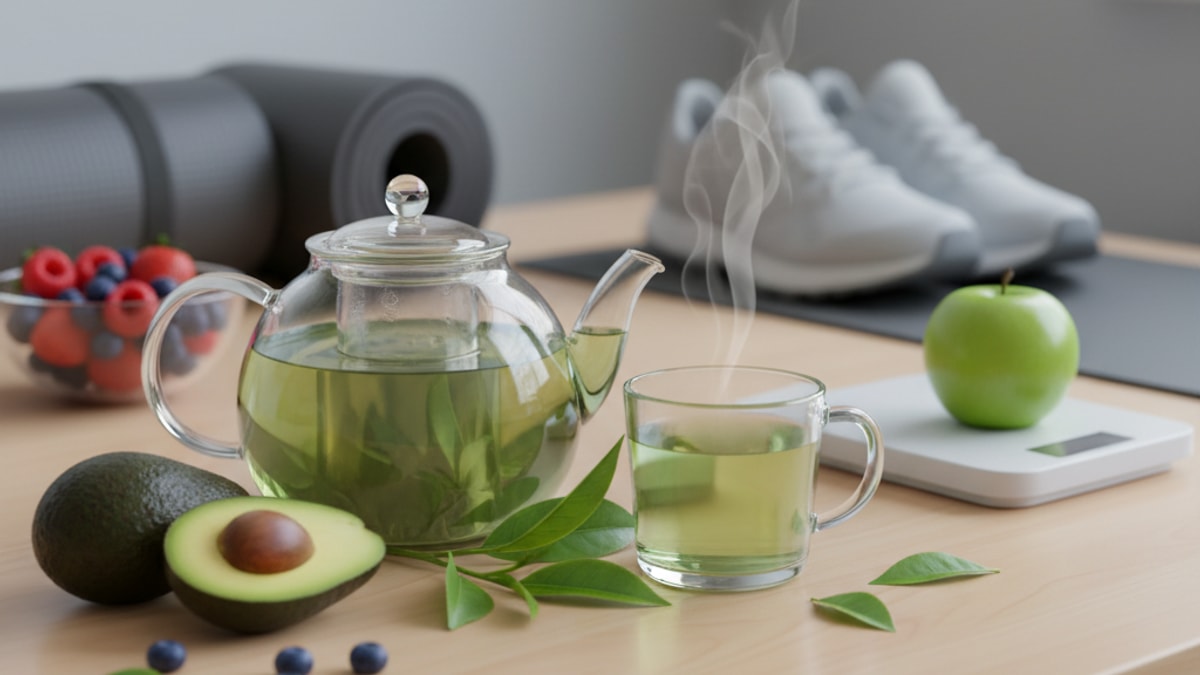
It's a question our team hears in various forms all the time. In a world saturated with quick fixes and miracle cures for weight loss, green tea often stands out as a natural, almost ancient remedy. You've seen it on store shelves, touted in health magazines, and maybe even recommended by a well-meaning friend. But the real question, the one that matters when you're serious about your health journey, is this: can green tea actually help with weight loss in a meaningful way?
Let's be direct. The answer isn't a simple yes or no. It's far more nuanced than that, and frankly, anyone who tells you otherwise isn't giving you the full picture. Here at TrimrX, we're grounded in biotechnology and medical science. Our focus is on clinically-proven, powerful solutions like GLP-1 medications that create significant, sustainable results. So, when we look at something like green tea, we do it through a scientific lens, cutting through the hype to see what the data truly says. We want to give you an unflinching, honest perspective on where this popular beverage fits into a serious, modern weight management strategy.
So, What's the Real Story with Green Tea?
First, let's acknowledge its reputation. Green tea has been consumed for centuries, originating in China and becoming a cornerstone of many Asian cultures. Its health benefits are the subject of sprawling research, linking it to everything from improved brain function to a lower risk of certain diseases. It's packed with antioxidants and beneficial plant compounds. That part is undeniable.
The weight loss connection, however, is where things get a bit more complex. The excitement primarily revolves around two key components found in the leaves of the Camellia sinensis plant: caffeine and a group of potent antioxidants called catechins.
It's not just a myth. There is a real biological mechanism at play here. But understanding that mechanism is critical to setting realistic expectations. We can't stress this enough: green tea is not a magical fat-melting potion. It's a tool. A very interesting one, but a tool nonetheless. Thinking of it as a primary driver of weight loss is a recipe for disappointment. Instead, we encourage our patients to see it as a potential supportive habit—a small, positive step that can complement a larger, more structured strategy.
The Science: Catechins and Caffeine Working Together
To understand how green tea might influence your weight, you have to look at how these two compounds—caffeine and catechins—interact with your body's metabolism. It's a fascinating bit of biochemistry.
Caffeine is a well-known stimulant. We've all felt its effects after a morning coffee. It works by blocking a neurotransmitter called adenosine, which in turn increases the firing of neurons and the release of other neurotransmitters like dopamine and norepinephrine. This process does more than just make you feel alert; it can also stimulate your central nervous system and signal fat cells to break down fat. Simple, right?
But here's where it gets interesting. Catechins, particularly the most famous one, epigallocatechin gallate (EGCG), play a different but complementary role. Norepinephrine is the hormone that signals your body to break down fat. Normally, an enzyme called catechol-O-methyltransferase (COMT) breaks down norepinephrine, ending the signal. EGCG appears to inhibit this enzyme. So, with COMT partially out of the picture, norepinephrine levels remain higher for longer, amplifying the fat-burning signal.
It's a one-two punch. Caffeine initiates the signal, and EGCG helps sustain it. This synergistic effect can lead to a modest increase in what's known as thermogenesis (the process of your body burning calories to produce heat) and fat oxidation (the process of breaking down fat for energy). Some studies have shown this combination can increase metabolic rate by a small but statistically significant margin, often cited as around 3-4%. While that doesn't sound like a lot, over time, it could theoretically contribute to a caloric deficit. But—and this is a huge but—the effect is subtle and highly variable from person to person.
EGCG: The Star Player in Green Tea's Lineup
Let's zoom in on EGCG, because it's really the compound that gets the most attention in clinical research. This isn't just another antioxidant; it's a powerhouse molecule that researchers are studying for a wide range of health applications. When it comes to weight management, its primary proposed benefit is that metabolic boost we just discussed.
Think of your metabolism as an engine. Most of the time, it's idling at a certain speed. EGCG, in concert with caffeine, is like gently pressing the accelerator. It's not flooring it, but it is increasing the RPMs slightly. This means you might burn a few extra calories throughout the day, even while at rest. We're talking about maybe 50-100 extra calories for some individuals. It's not a game-changer on its own, but it's not nothing, either.
Another potential benefit our team finds compelling is EGCG's possible effect on appetite. Some—though not all—research suggests that green tea consumption might influence hormones related to hunger, such as ghrelin. By potentially helping to regulate these hormones, it could contribute to better appetite control and reduced calorie intake. This effect is far less established than the metabolic one, but it's an active area of investigation. Honestly, though, for profound appetite regulation, the mechanisms of GLP-1 agonists like Semaglutide are in a completely different league. They work directly on the brain's satiety centers in a way that green tea simply cannot replicate.
Our professional observation is that the psychological benefit of a warm, soothing ritual like drinking tea can be just as impactful as the minor metabolic effects. It's a moment of mindfulness. It's hydration. It's a healthy replacement for a sugary soda or a high-calorie latte. These behavioral shifts are a critical, non-negotiable element of long-term success.
How Much Green Tea Is Actually Effective?
This is where the conversation moves from theory to practical application. If you're going to incorporate green tea, how much do you need to drink to see any potential benefit? The research varies, but a general consensus seems to be emerging.
Most studies that have shown positive, albeit modest, results used dosages of EGCG that are quite high—typically ranging from 250 to 500 milligrams per day. Translating that into cups of tea is tricky because the EGCG content can vary dramatically based on several factors:
- Type of Tea: Higher-quality teas, like Japanese matcha or sencha, tend to have higher concentrations of catechins.
- Brewing Time: The longer you steep the tea, the more catechins are extracted. We recommend at least 3-5 minutes.
- Water Temperature: Using water that's too hot (boiling) can actually destroy some of the delicate catechins. The sweet spot is typically around 160-180°F (70-82°C).
Generally speaking, you might need to drink anywhere from 3 to 5 cups of high-quality brewed green tea per day to approach the levels of EGCG used in many studies. That's a significant amount, and for some, the caffeine intake could become an issue, leading to jitteriness, anxiety, or sleep disturbances. This is why many people turn to extracts, but that brings its own set of considerations.
Green Tea vs. Green Tea Extract: A Crucial Distinction
Walking down the supplement aisle, you'll see dozens of bottles of green tea extract. It seems like a simple shortcut—get all the benefits without having to drink all that tea. But our team advises extreme caution here. The distinction between the brewed beverage and a concentrated supplement is massive, especially when it comes to safety.
| Feature | Brewed Green Tea | Green Tea Extract (Supplement) |
|---|---|---|
| Form | Natural, whole-leaf infusion in water | Concentrated, isolated catechins in a pill or powder |
| Dosage Control | Lower, self-limiting concentration of catechins | Very high, concentrated dose of EGCG and other compounds |
| Bioavailability | Compounds are consumed with other synergistic plant elements | Can be less bioavailable unless formulated specifically for absorption |
| Safety Profile | Extremely safe; consumed for centuries with very few issues | Associated with rare but serious cases of liver toxicity at high doses |
| Caffeine Content | Moderate (25-50 mg per cup) | Varies wildly; can be decaffeinated or highly caffeinated |
| Our Recommendation | An excellent supportive habit for hydration and a mild metabolic boost. | Use with extreme caution and only under medical supervision. The risks can outweigh the modest benefits for weight loss. |
We've seen it happen. People assume that because green tea is natural, a concentrated extract must be a more potent and equally safe version. That's a dangerous assumption. The high, isolated doses of EGCG in some supplements have been linked in rare cases to severe liver damage. Your liver has to process everything you ingest, and bombarding it with an unnaturally high concentration of a single compound can overwhelm its capacity.
For this reason, we almost universally recommend that our patients stick to brewed green tea. The beverage contains a complex blend of compounds that work together, and the lower concentration makes it far safer for daily consumption. The risk-to-reward ratio for high-dose extracts, purely for the goal of weight loss, simply doesn't add up from a clinical perspective.
A Realistic Look: Can You Just Drink Tea and Lose Weight?
No. Let's be unequivocally clear on this point.
Drinking green tea, even 5 cups a day, without changing anything else about your diet, your activity level, or your overall lifestyle, will not lead to significant weight loss. It's a physiological impossibility. The slight metabolic uptick it might provide is easily negated by a single cookie, a handful of chips, or a sugary drink. It cannot overcome a consistent caloric surplus.
This is the most common misconception we have to address. People are looking for a passive solution, a magic bullet that does the work for them. That solution does not exist, not in a teacup and not anywhere else. True, sustainable weight loss is an active process. It requires a comprehensive, multi-faceted strategy that addresses nutrition, physical activity, behavior, and, for many, underlying biology.
That's the reality. It all comes down to creating a sustainable energy deficit. Green tea might, might, make the 'calories out' side of the equation slightly larger. But the 'calories in' side is infinitely more powerful and easier to influence through conscious dietary choices. This is why at TrimrX, our programs are built around a foundation of medical science, personalized coaching, and powerful tools like GLP-1 medications, which fundamentally change the 'calories in' side of the equation by regulating appetite and promoting satiety.
Green Tea as a Partner, Not a Panacea
So, where does that leave us? Should you just forget about green tea entirely? Absolutely not. We've just spent all this time explaining the science because we believe it does have a place. The key is to reframe its role. Stop thinking of it as a weight loss agent and start thinking of it as a weight management partner.
Here's how our team suggests integrating it into a healthy lifestyle:
-
A Hydration Hero: Many people mistake thirst for hunger. Staying well-hydrated is crucial for metabolism and appetite control. Unsweetened green tea is a fantastic, flavorful way to meet your daily fluid needs.
-
A Ritual for Mindfulness: The act of brewing and sipping tea can be a calming ritual. It encourages you to slow down, take a break, and be present. This kind of stress reduction can be surprisingly powerful for weight management, as high cortisol (the stress hormone) is linked to fat storage, particularly around the abdomen.
-
A Substitute for Unhealthy Habits: This is perhaps its most powerful application. Reaching for a cup of green tea instead of a 300-calorie Frappuccino, a can of soda, or a sugary energy drink is a concrete, positive choice that directly impacts your calorie budget. Do that once a day, and you've created a significant calorie deficit over the week—far more than the metabolic boost from the tea itself would provide.
-
A Pre-Workout Boost: The modest amount of caffeine in green tea can provide a gentle energy lift before exercise, potentially improving performance and endurance, allowing you to burn more calories during your workout. It's less intense than a pre-workout supplement, making it a great option for many people.
When you see green tea through this lens, its value becomes much clearer. It's not about passively burning fat; it's about actively building a healthier set of habits and routines that support your overall goals.
Integrating Green Tea into a Modern Weight Loss Plan
Now, this is where it gets interesting. How does a simple, ancient beverage fit alongside cutting-edge biotechnology? Surprisingly well, actually.
At TrimrX, our patients are on a medically-supervised journey, often utilizing advanced GLP-1 medications like Semaglutide or Tirzepatide. These treatments are incredibly effective at controlling appetite and regulating blood sugar, creating the biological conditions necessary for weight loss. But the journey doesn't end there. We work with our patients to build a new lifestyle that will ensure their success is sustainable long-term.
And that's where habits like drinking green tea come in. While the GLP-1 medication is doing the heavy lifting on the appetite and hormonal front, our patients are building new routines. They're learning to listen to their bodies' new hunger signals. They're replacing old, unhealthy coping mechanisms with new, healthy ones.
Imagine this scenario: A patient who used to snack on chips out of boredom in the afternoon now finds that their medication has quieted those cravings. Instead of just sitting with that empty space, we help them build a new habit: brewing a cup of high-quality sencha green tea. The ritual fills the time. The warmth is comforting. The hydration is beneficial. And yes, the catechins and caffeine are providing a tiny metabolic nudge in the background. It's a holistic win.
This approach—which we've refined over years—delivers real results because it combines powerful medical intervention with sustainable behavioral change. The medication makes the change possible; the new habits make it permanent. If you're tired of the cycle of trying things that don't work and are ready to explore a scientifically-backed, comprehensive approach, you can Take Quiz to see if our program is the right fit for you.
A Word of Caution: Potential Side Effects and Considerations
While brewed green tea is very safe for most people, we wouldn't be doing our due diligence if we didn't mention a few potential considerations. We mean this sincerely: even natural products need to be approached with awareness.
- Caffeine Sensitivity: As we mentioned, the caffeine content can add up. If you're sensitive, too much green tea can lead to insomnia, anxiety, heart palpitations, or an upset stomach. Know your limits.
- Iron Absorption: Green tea contains tannins, which can interfere with the absorption of non-heme iron (the type found in plant-based foods). If you are anemic or have low iron levels, it's best to drink your tea between meals rather than with them.
- Medication Interactions: Tea can interact with certain medications. It's absolutely critical to talk to your doctor or pharmacist, especially if you're on blood thinners, stimulants, or certain heart medications. Transparency with your healthcare provider is non-negotiable.
So, can green tea help with weight loss? Yes, it can help. It can be a small, positive part of a much larger, more robust strategy. It can support hydration, mindfulness, and the replacement of unhealthy habits. It provides a minor metabolic boost that, while not transformative on its own, certainly doesn't hurt. But it is not, and never will be, the centerpiece of a successful weight loss plan. True transformation requires a deeper, more powerful intervention that addresses the fundamental biology of weight and metabolism.
Viewing green tea as a supportive ally rather than a magic bullet is the healthiest, most effective mindset. It allows you to appreciate its benefits without burdening it with unrealistic expectations. It's one piece of a complex puzzle, and for those ready to see the whole picture and finally solve it, it might be time to Start Your Treatment Now. Your health journey deserves a strategy as serious and scientifically-grounded as you are.
Frequently Asked Questions
Which type of green tea is best for weight loss?
▼
Matcha is often considered the most potent because you consume the entire ground leaf, resulting in a much higher concentration of catechins and EGCG compared to brewed leaf teas like sencha or bancha. However, any high-quality brewed green tea can be beneficial.
Does adding milk or sugar to green tea cancel out the benefits?
▼
Adding sugar directly counteracts weight loss goals by adding empty calories. Some research suggests that proteins in dairy milk may bind with catechins, potentially reducing their antioxidant capacity. We recommend drinking it plain for maximum benefit.
When is the best time of day to drink green tea for weight loss?
▼
Drinking it in the morning or before a workout can be ideal to take advantage of the gentle metabolic and energy boost from caffeine. We advise against drinking it late in the evening, as the caffeine can interfere with sleep, which is crucial for weight regulation.
Is bottled iced green tea just as effective as brewed tea?
▼
No, it’s generally not. Our team has found that most commercially bottled green teas contain significantly lower amounts of beneficial catechins and are often loaded with sugar or artificial sweeteners, which negates any potential health benefits.
How many cups of green tea a day is too much?
▼
For most healthy adults, 3-5 cups per day is considered safe and potentially beneficial. Exceeding 8 cups could lead to excessive caffeine intake and potential side effects. Listen to your body and adjust accordingly.
Can I drink green tea while taking GLP-1 medications like Semaglutide?
▼
For most patients, drinking moderate amounts of green tea is perfectly safe while on GLP-1 medications. However, it’s essential to discuss all supplements and dietary habits with your healthcare provider, as they can offer personalized advice based on your complete health profile.
Will decaffeinated green tea still help with weight loss?
▼
Decaffeinated green tea still contains EGCG and other catechins, but it loses the synergistic metabolic effect that comes from the combination with caffeine. While you’ll still get the antioxidant benefits, the impact on weight management will likely be reduced.
Can green tea cause an upset stomach?
▼
Yes, for some people, especially when consumed on an empty stomach. The tannins in green tea can increase stomach acid, leading to discomfort. We recommend drinking it with or between meals if you experience any sensitivity.
What’s the difference between green tea and black tea for weight loss?
▼
Both come from the same plant, but they’re processed differently. Black tea is oxidized, which changes its chemical composition and reduces the EGCG content. Green tea is unoxidized, preserving these specific catechins, which is why it’s more frequently studied for weight loss.
How long does it take to see any results from drinking green tea?
▼
The effects of green tea are very subtle and supportive, not dramatic. You shouldn’t expect to see noticeable weight loss from tea alone. Instead, view it as a long-term healthy habit that contributes to your overall wellness and complements a structured diet and exercise plan.
Are green tea supplements a good alternative?
▼
Our clinical team advises extreme caution with green tea extracts. While they offer a concentrated dose of EGCG, they have been linked to rare but serious liver issues. We believe brewed tea is a much safer and more holistic approach.
Does the quality of the green tea matter?
▼
Absolutely. Higher-quality, fresh green tea will have a significantly higher concentration of beneficial compounds like EGCG compared to older, lower-grade tea bags. Investing in quality loose-leaf tea or reputable brands can make a difference.

Transforming Lives, One Step at a Time
Keep reading

Do You Need a Prescription for GLP-1s? The 2026 Answer
Wondering ‘do you need a prescription for glp 1’ in 2026? Yes. We explain why a doctor’s oversight is critical for safe, effective results.

How to Get GLP-1 Covered By Insurance: Our 2026 Playbook
Struggling with how to get glp-1 covered by insurance? Our 2026 guide breaks down prior authorizations, appeals, and documentation.

Traveling with GLP-1s in 2026: Your Essential Trip-Proof Plan
Don’t let travel disrupt your GLP-1 treatment. Learn how to travel with glp 1 medications safely and stress-free in our 2026 expert guide.


