Can I Double My Ozempic Dose? Understanding Safe Dosage and Personalized Weight Loss
Introduction
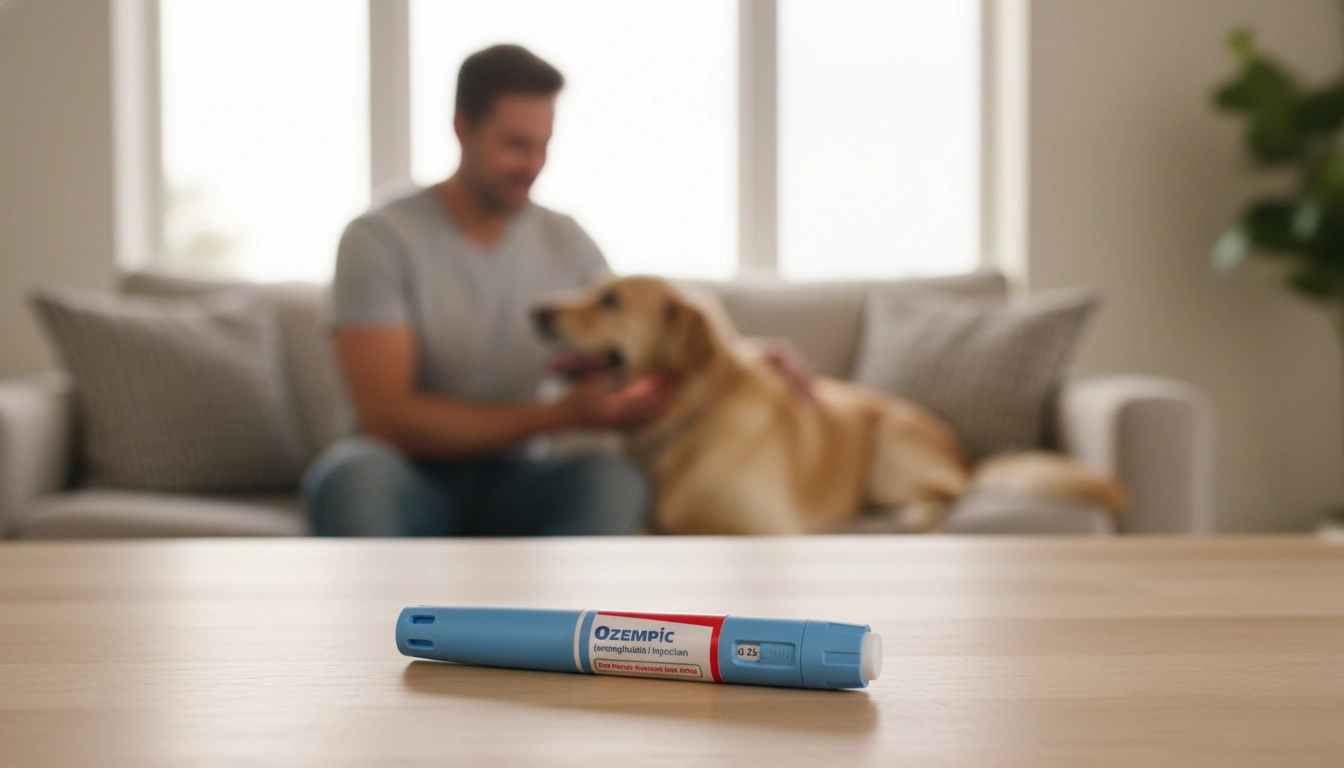
Embarking on a weight loss journey, especially one that involves advanced medications like Ozempic, often brings a mix of hope, questions, and a desire for faster results. It’s natural to wonder about optimizing your treatment, and in that spirit, a common question arises: “Can I double my Ozempic dose?” This query, while seemingly simple, opens a critical discussion about medication safety, the science of GLP-1 receptor agonists, and the indispensable role of expert medical guidance.
At TrimRx, our journey began with a shared vision: to help individuals embrace healthier lifestyles by merging cutting-edge telehealth innovations with effective, personalized weight loss solutions. We understand that the path to sustainable health is unique for everyone, and it demands an approach rooted in science, empathy, and transparency. Our platform is meticulously designed to be a user-friendly and supportive space where individuals receive personalized, medically supervised care, ensuring that weight loss is both attainable and tailored to their specific needs.
This comprehensive guide will delve into the intricacies of Ozempic dosing, clarify why adhering strictly to your prescribed regimen is paramount, and illuminate the potential risks associated with unsupervised dose adjustments. We will explore how medications like Ozempic function, the importance of a carefully structured titration schedule, and the profound impact that medical supervision has on your safety and treatment success. By the end, you will understand not only the answer to “can I double my Ozempic dose” but also the value of a trusted partnership in your health journey, exemplified by the compassionate and results-oriented care we offer at TrimRx. We believe that empowering you with accurate information is a cornerstone of safe and effective weight loss, and we are here to support every step of your unique path.
The Science Behind Ozempic and GLP-1s
Understanding how Ozempic works is the first step in appreciating the importance of its carefully prescribed dosage. Ozempic is a brand name for semaglutide, a medication belonging to a class of drugs called GLP-1 (glucagon-like peptide-1) receptor agonists. These agents mimic the action of a natural hormone in your body, playing a crucial role in managing blood sugar and influencing appetite.
How GLP-1 Receptor Agonists Work
The GLP-1 hormone is naturally released in the gut in response to food intake. Its primary functions include stimulating insulin secretion from the pancreas when blood glucose levels are high, suppressing glucagon secretion (which raises blood sugar), slowing gastric emptying, and signaling satiety to the brain. By mimicking these actions, semaglutide helps to:
- Regulate Blood Sugar: It improves glycemic control by enhancing the body’s natural insulin response to food and reducing glucose production by the liver. This makes it an effective treatment for type 2 diabetes.
- Influence Appetite and Satiety: By slowing digestion and acting on appetite centers in the brain, it can lead to reduced food intake and a feeling of fullness, which often results in weight loss.
This multifaceted mechanism highlights why the dosage is so precisely determined. The goal is to achieve therapeutic effects without overstimulating these physiological pathways, which could lead to adverse reactions.
The Importance of Gradual Dose Titration
When starting a medication like Ozempic, the body needs time to adapt. This is why a gradual dose titration schedule is not merely a recommendation but a critical safety measure. The process typically begins with a very low dose, which is then slowly increased over several weeks under medical supervision.
Why Starting Low Is Crucial
Starting with a low dose, such as 0.25 mg once weekly for the first four weeks, is primarily to minimize common gastrointestinal side effects like nausea, vomiting, diarrhea, and constipation. This initial dose is often considered a “non-therapeutic” dose, meaning its main purpose isn’t to immediately control blood sugar or facilitate rapid weight loss, but rather to allow your system to acclimate to the medication. It’s a gentle introduction, setting the stage for effective and comfortable treatment as the dose increases.
The Standard Ozempic Titration Schedule
The FDA-approved regimen for Ozempic typically follows a structured schedule to reach an effective maintenance dose:
- Starting Dose: 0.25 mg once weekly for the first 4 weeks.
- Initial Increase: After 4 weeks, the dose is typically increased to 0.5 mg once weekly.
- Further Increases (if needed): Depending on individual response, blood sugar control, and tolerability, your healthcare provider may further increase the dose to 1 mg once weekly, and then to a maximum of 2 mg once weekly. Each increase usually occurs after at least 4 weeks at the previous dose.
This systematic escalation ensures that your body gradually adjusts to the medication, helping to manage side effects and optimize therapeutic outcomes. Throughout this process, your progress and any side effects are closely monitored by your healthcare provider. This personalized approach is at the heart of our philosophy at TrimRx, where we ensure every individual’s treatment plan is meticulously tailored to their unique physiological responses and health goals.
The Dangers of Unsupervised Dose Increases: Can I Double My Ozempic Dose?
The question “can I double my Ozempic dose” often stems from a natural desire to accelerate results. However, when it comes to prescription medications, especially those with powerful physiological effects like Ozempic, making such a decision without explicit medical guidance can lead to serious health risks. Our unwavering commitment at TrimRx is to safe and effective weight loss, which means emphasizing that all dose adjustments must be made under the strict supervision of a qualified healthcare professional.
The Critical Role of Medical Supervision
Your healthcare provider is equipped with the medical knowledge and understanding of your specific health profile to determine the appropriate Ozempic dosage for you. They consider various factors, including your medical history, existing conditions (like type 2 diabetes or cardiovascular disease), other medications you are taking, and your body’s response to the treatment. This personalized assessment is vital.
Attempting to double your Ozempic dose independently bypasses this crucial oversight. It disrupts the carefully designed titration schedule, which is specifically in place to allow your body to adjust gradually and minimize adverse reactions. When you partner with TrimRx, you gain access to medically supervised care, where doctor consultations, ongoing support, and expert guidance are integral to your journey. We ensure that any decision regarding your medication dosage is grounded in your safety and well-being. To explore if our personalized, medically supervised programs are right for you, we encourage you to take our free assessment quiz to see if you qualify for our prescription weight loss medications.
Risks of Exceeding Prescribed Doses
Doubling your Ozempic dose without medical advice significantly increases the risk of experiencing severe side effects and complications. These risks can range from uncomfortable to life-threatening:
- Hypoglycemia (Low Blood Sugar): This is one of the most serious risks, particularly for individuals with type 2 diabetes, especially if they are also taking other diabetes medications (such as insulin or sulfonylureas). Symptoms can include dizziness, headaches, shaking, mood changes, nausea, vomiting, and weakness. Severe hypoglycemia can lead to loss of consciousness, seizures, and even death. Ozempic is a long-acting medication, meaning its effects persist in your body for an extended period, making prolonged monitoring necessary if hypoglycemia occurs.
- Exacerbated Gastrointestinal Side Effects: While mild nausea, vomiting, diarrhea, and constipation are common during the initial titration phase, an unsupervised dose increase can intensify these symptoms. This can lead to severe discomfort, dehydration, and a significant disruption to your daily life.
- Pancreatitis: Inflammation of the pancreas is a known, though rare, serious complication associated with GLP-1 receptor agonists. Exceeding the prescribed dose may increase the risk of developing this condition, which can cause severe abdominal pain and requires urgent medical attention.
- Gastroparesis (Stomach Paralysis) and Ileus (Bowel Obstruction): Emerging evidence suggests a potential association between GLP-1 medications and serious gastrointestinal complications such as gastroparesis (where the stomach empties too slowly) and ileus (a blockage in the intestines). Uncontrolled higher doses could potentially increase the likelihood or severity of these conditions, leading to persistent nausea, vomiting, bloating, and abdominal pain.
- Acute Kidney Injury: Although Ozempic is sometimes prescribed for kidney disease management in type 2 diabetes, there have been reports of sudden kidney injury, particularly when starting or adjusting doses. Individuals with pre-existing kidney problems may be at higher risk, and an unmonitored dose increase could worsen kidney function.
Understanding the Maximum Recommended Dose (2mg)
The maximum recommended dose for Ozempic is 2 mg once weekly. This dosage has been established through extensive clinical trials to provide optimal therapeutic benefits for blood sugar control and cardiovascular risk reduction in type 2 diabetes, while maintaining an acceptable safety profile. Increasing beyond this maximum, or accelerating to it without the gradual titration, goes against established medical guidelines and significantly elevates the risk of adverse outcomes without necessarily providing additional benefits.
What to Do in Case of Suspected Overdose
If you suspect that you or someone you know has taken too much Ozempic, it is crucial to seek immediate medical attention. Contact your doctor right away, call 911 (or your local emergency number), or go to the nearest emergency room. Emergency management may involve monitoring and correcting blood sugar levels, which could include administering glucose or glucagon depending on the individual’s consciousness, and potentially hospitalization for observation and treatment. Never attempt to manage an overdose at home.
Preventing an overdose is simple: always take Ozempic exactly as prescribed by your doctor. Do not take more medication than instructed, even if you desire faster weight loss results. Familiarize yourself with the signs and symptoms of an overdose, and if you experience any concerning symptoms while on Ozempic, stop taking the medication and contact your doctor immediately. This adherence to medical instructions is a cornerstone of the transparent and safety-focused approach we uphold at TrimRx.
When Dose Adjustments Are Considered: A Medically Guided Approach
While the answer to “can I double my Ozempic dose?” without medical supervision is a clear no, there are legitimate scenarios where your healthcare provider might adjust your dosage. These decisions are always made thoughtfully, based on your individual health needs and response to treatment, underscoring our empathetic and personalized approach at TrimRx.
Factors Influencing Dosage Decisions
Several key factors inform a healthcare professional’s decision to adjust your Ozempic dosage:
- Individual Response to Treatment: Your doctor will closely monitor your blood sugar levels (HbA1c), weight loss progress, and overall well-being. If your blood sugar targets are not being met, or if you are not experiencing sufficient benefits at your current dose, an increase might be considered. Conversely, if you achieve your goals and show excellent control, your doctor might explore maintaining your current effective dose.
- Management of Side Effects: If you experience persistent or severe side effects such as nausea, vomiting, or diarrhea, your doctor might temporarily reduce your dose or slow the titration schedule to allow your body more time to adjust. Our commitment to compassionate care means your comfort and safety are always prioritized.
- Underlying Health Conditions: Your kidney function is a significant factor. While Ozempic studies suggest that dose adjustments based solely on kidney function may not always be necessary, careful monitoring is crucial, especially for individuals with existing kidney disease. Your doctor will assess your kidney health before and during treatment.
- Interactions with Other Medications: Certain medications, supplements, or even herbal remedies can interact with Ozempic, potentially affecting its efficacy or increasing side effects. Your doctor will review all your current medications to ensure compatibility and make necessary dosage adjustments.
- Treatment Interruptions: If you stop taking Ozempic for several weeks for any reason, your doctor will likely recommend restarting at a lower dose and re-titrating, rather than resuming at your previous higher dose. This helps to prevent a resurgence of side effects.
The Role of Clinical Studies
Clinical trials, such as the SUSTAIN FORTE study, provide valuable data on the efficacy and safety of different Ozempic dosages. This particular study, for example, explored the effects of 2.0 mg of once-weekly injectable semaglutide compared to 1.0 mg for managing type 2 diabetes. While the higher dose showed slightly greater reductions in HbA1c and weight loss, the clinical relevance of the increment was a subject of expert discussion. Such research informs prescribing guidelines, but the application of these findings to an individual patient always requires expert medical judgment. It reinforces that dose increases are based on scientific evidence, not speculative self-adjustment.
The Difference Between Ozempic and Wegovy
It’s also important to clarify the distinction between Ozempic and Wegovy, both of which contain the active ingredient semaglutide.
- Ozempic® is FDA-approved primarily for improving blood sugar control in adults with type 2 diabetes and for reducing the risk of major cardiovascular events (like heart attack or stroke) in adults with type 2 diabetes and established cardiovascular disease. While weight loss is a common and beneficial side effect, Ozempic is not officially FDA-approved for weight management alone.
- Wegovy®, on the other hand, is specifically FDA-approved for chronic weight management in adults with obesity (BMI of 30 or greater) or those who are overweight (BMI of 27 or greater) with at least one weight-related condition, such as high blood pressure, type 2 diabetes, or high cholesterol. Wegovy is prescribed at a higher maximum dose (2.4 mg weekly) compared to Ozempic for its weight management indication.
This distinction highlights that while the active ingredient is the same, the indications, approved dosages, and treatment goals can differ, emphasizing why only a healthcare professional can determine the most appropriate medication and dosage for your specific health needs. Our platform offers access to a range of options, including Ozempic® and Wegovy®, in addition to other cutting-edge solutions like Compounded Semaglutide, Oral Semaglutide, Compounded Tirzepatide, Oral Tirzepatide, Mounjaro®, and Zepbound®. To find out which of these personalized options might be suitable for you, we encourage you to take our free assessment quiz to see if you qualify for our prescription weight loss medications.
TrimRx’s Commitment to Safe and Personalized Weight Loss
At TrimRx, we stand firm in our belief that sustainable weight loss should be achieved through science, empathy, and a transparent approach. Our dedication to safe, effective weight loss and individualized care forms the bedrock of our service, guiding every interaction and every treatment plan.
Our Vision for Healthier Lifestyles
Our journey began with a clear vision: to empower individuals to embrace healthier lifestyles by merging innovative telehealth solutions with effective weight loss strategies. We recognized the need for a personalized approach that transcends generic recommendations, offering a supportive ecosystem where individuals can thrive. We believe in providing compassionate care that respects every individual’s unique journey, combining advanced medical science with modern technology to deliver exceptional results.
The TrimRx Personalized Approach
When you choose TrimRx, you’re not just getting a prescription; you’re gaining a partner in health. Our approach is holistic and comprehensive, designed to remove barriers and make sustainable weight loss genuinely attainable and tailored to you.
- Medically Supervised Programs: Our programs begin with essential doctor consultations and lab work to thoroughly assess your health status and determine your eligibility for specific treatments. This ensures that any prescription medication prescribed is appropriate and safe for your unique needs. We emphasize that TrimRx partners with FDA-registered and inspected pharmacies for the shipping of weight loss medications and does not provide actual medical supervision; instead, we facilitate access to healthcare professionals who do.
- Leading Weight Loss Medications: We offer access to clinically proven medications such as Compounded Semaglutide, Oral Semaglutide, Ozempic®, Compounded Tirzepatide, Oral Tirzepatide, Mounjaro®, Zepbound®, and Wegovy®. It’s important to note that while branded medications like Ozempic® and Zepbound® are FDA-approved, compounded medications are not FDA approved. Rest assured, our medications are provided through FDA-registered, inspected, and approved pharmacies, ensuring quality and safety.
- Comprehensive Service with No Hidden Fees: We pride ourselves on transparent service. Our personalized programs include doctor consultations, medication, lab work (if required), unlimited ongoing support, and shipping – all without any hidden fees. Our approach remains consistent, regardless of dosage changes, reflecting our commitment to your peace of mind and success.
- Unlimited Support: Your journey is continuously supported by our team, providing the guidance and encouragement you need every step of the way. We are here to answer your questions, address your concerns, and celebrate your progress.
Our brand is empathetic, innovative, trustworthy, supportive, results-oriented, and personalized. We understand the challenges of weight loss and are dedicated to providing a path that is both effective and respectful of your individual circumstances. If you’re ready to explore a personalized, medically supervised weight loss journey tailored just for you, we invite you to take our free assessment quiz to see if you qualify for our prescription weight loss medications.
Supporting Your Journey with Quick-Access Supplements
Beyond prescription medications, we understand that comprehensive support often includes readily available options to complement your weight loss efforts. For those seeking immediate support for overall wellness during their journey, we offer a selection of quick-access supplements that do not require a quiz for purchase.
- GLP-1 Daily Support: This supplement is designed to work synergistically with your body’s natural processes, offering daily support that can enhance your well-being. To learn more and support your journey, explore our GLP-1 Daily Support product.
- Weight Loss Boost: For an additional advantage in your weight management efforts, our Weight Loss Boost supplement provides targeted support. It’s an ideal choice for those looking to amplify their results. Discover how it can enhance your path to a healthier you with our Weight Loss Boost product.
These supplements reflect our commitment to providing a full spectrum of tools and resources to help you achieve and maintain your health goals, whether through a personalized prescription plan or immediate support for your daily wellness.
Practical Tips for Adhering to Your Ozempic Regimen
Consistent adherence to your prescribed Ozempic regimen is paramount for maximizing its benefits and ensuring your safety. Understanding the practical aspects of taking your medication can significantly contribute to your success.
Consistent Administration
Ozempic is designed for once-weekly administration. Choosing a specific day and time each week to administer your dose helps maintain consistent drug levels in your body, optimizing its effectiveness and minimizing fluctuations that could impact your experience. For example, if you start your injections on a Monday morning, aim to continue this schedule every Monday morning. Setting a weekly reminder on your phone or using a medication tracker app can be incredibly helpful in establishing and maintaining this routine.
Proper Injection Technique and Site Rotation
Correct injection technique is essential for effective absorption and to avoid local skin reactions. Ozempic is administered as a subcutaneous (under the skin) injection using a prefilled pen. Your healthcare provider will show you how to inject the medication properly. Key points include:
- Injection Sites: The recommended injection sites are the abdomen, thigh, or upper arm.
- Rotation: Always rotate your injection site each week to prevent irritation, scarring, or hardened skin in one area. If you use the same general area (e.g., the abdomen), make sure to choose a different spot within that area each time.
- Cleanliness: Clean the injection site with an alcohol swab before injecting.
- Pen Mechanics: Ozempic pens deliver fixed, predetermined doses and are not designed for manual dose splitting. Attempting to use a pen for an unprescribed “half dose” can lead to inaccurate dosing, medication waste, and compromised effectiveness.
Handling Missed Doses
Life happens, and sometimes a dose may be missed. If you miss a dose of Ozempic:
- Within 5 Days: If fewer than 5 days have passed since your missed dose, take it as soon as you remember. Then, continue your regular once-weekly schedule.
- More Than 5 Days: If more than 5 days have passed since your last scheduled dose, skip the missed dose. Do not take two doses at once to make up for the missed one, as this can lead to severe hypoglycemia and other side effects. Simply take your next scheduled dose on its regular day.
Safe Storage of Medication
Proper storage is crucial to maintain the medication’s potency and safety:
- New Pens: Unopened Ozempic pens should be stored in the refrigerator between 36°F to 46°F (2°C to 8°C).
- In-Use Pens: Once an Ozempic pen is in use, it can be kept at room temperature (59°F to 86°F / 15°C to 30°C) or in the refrigerator for up to 56 days (8 weeks). After 56 days, dispose of the pen even if it still contains medication.
- Do Not Freeze: Never freeze Ozempic. If it has been frozen, do not use it, as freezing can damage the medication.
- Protection: Keep Ozempic protected from heat and light. Always keep it out of reach of children and pets.
Following these practical guidelines, alongside the continuous support and medical guidance you receive through TrimRx, will empower you to manage your treatment effectively and safely, moving you steadily toward your health goals.
Conclusion
The question “can I double my Ozempic dose?” underscores a natural desire for accelerated results in one’s weight loss journey. However, as we have thoroughly explored, the answer from a medical standpoint is unequivocally clear: any adjustment to your Ozempic dosage must only be made under the direct supervision and instruction of a qualified healthcare provider. Unsupervised dose increases carry significant risks, from severe hypoglycemia and gastrointestinal distress to potentially life-threatening complications like pancreatitis. The meticulously designed titration schedule and the established maximum dose of 2 mg once weekly are in place to prioritize your safety and optimize therapeutic outcomes.
At TrimRx, our commitment is to provide a path to sustainable weight loss that is safe, effective, and deeply personalized. Our journey began with the vision of merging cutting-edge telehealth innovations with compassionate, medically supervised care. We believe that empowering you with accurate information and unwavering support is paramount. Our platform offers access to a range of clinically proven medications, including Ozempic®, Wegovy®, Zepbound®, Mounjaro®, Compounded Semaglutide, Oral Semaglutide, Compounded Tirzepatide, and Oral Tirzepatide—all delivered through FDA-registered and inspected pharmacies. Each program includes essential doctor consultations, lab work, unlimited support, and transparent pricing with no hidden fees, ensuring a comprehensive and trustworthy experience.
We encourage you to partner with us, embracing a journey where your unique needs are met with science-backed solutions and empathetic care. To discover if a personalized, medically supervised weight loss program with prescription medication is right for you, we invite you to take our free assessment quiz to see if you qualify for our prescription weight loss medications. For immediate support to complement your wellness goals, consider our quick-access supplements like GLP-1 Daily Support and Weight Loss Boost. Together, we can build a foundation for lasting health and well-being, guided by expertise and driven by your success.
Frequently Asked Questions
What happens if I accidentally take more Ozempic than prescribed?
If you accidentally take more Ozempic than your prescribed dose, especially if you think you have doubled your Ozempic dose, you should seek immediate medical attention. Contact your doctor, call 911 (or your local emergency number), or go to the nearest emergency room. Overdosing can lead to severe side effects such as dangerously low blood sugar (hypoglycemia) and exacerbated gastrointestinal issues.
How often can my Ozempic dose be increased?
Your Ozempic dose is typically increased gradually, usually every 4 weeks. This allows your body sufficient time to adjust to the medication and helps minimize side effects. Your healthcare provider will assess your response to the current dose and make a medically informed decision on when and if to increase it, up to the maximum recommended dose of 2 mg once weekly.
Can Ozempic be used for weight loss even if I don’t have type 2 diabetes?
Ozempic is FDA-approved for managing type 2 diabetes and reducing cardiovascular risk in those with type 2 diabetes. While weight loss is a common and beneficial effect, Ozempic is not FDA-approved for weight loss alone. For individuals without type 2 diabetes, a similar medication, Wegovy® (also semaglutide), is FDA-approved for chronic weight management. Our personalized assessment quiz can help determine if a prescription weight loss medication is suitable for you based on your health profile.
What should I do if I experience severe side effects after an Ozempic dose?
If you experience severe or persistent side effects such as intense nausea, vomiting, abdominal pain, or symptoms of low blood sugar, you should contact your healthcare provider immediately. They may recommend adjusting your dose, slowing the titration schedule, or exploring alternative treatment options to ensure your safety and comfort. Do not attempt to self-adjust your dosage.

Transforming Lives, One Step at a Time
Keep reading
Ozempic Results After One Year: What Long-Term Use Looks Like
A full year on Ozempic puts you in a category that most weight loss approaches never reach: sustained, medically supported treatment that has had…

Ozempic Results at 6 Months: Progress and What Comes Next
Six months on Ozempic is a significant milestone. By this point, most patients have reached a therapeutic dose, worked through the early adjustment period,…

Ozempic Results at 3 Months: What to Realistically Expect
Three months into Ozempic, most people are starting to see results that feel genuinely meaningful. By this point you’ve moved through the starting dose,…


