Can I Drink Alcohol When Taking Mounjaro?
Introduction
Deciding to start a medical weight loss journey is a significant step toward better health. Many people find themselves wondering how this choice will affect their social life, particularly when it comes to enjoying a glass of wine at dinner or a cocktail during a celebration. If you are using Mounjaro®, a medication primarily used for type 2 diabetes and increasingly for weight management, you may be asking if a drink is still on the table. At TrimRx, we understand that sustainable weight loss is not about total deprivation; it is about making informed choices that align with your health goals. If you are considering a prescription program, take the free assessment quiz to see whether a personalized path makes sense for you.
This article explores the relationship between alcohol and tirzepatide, the active ingredient in Mounjaro®. We will cover how alcohol affects your body while on this medication, potential side effects to watch for, and how to manage social situations safely. Our goal is to provide the clarity you need to navigate your program with confidence and achieve lasting results.
What is Mounjaro and How Does It Work?
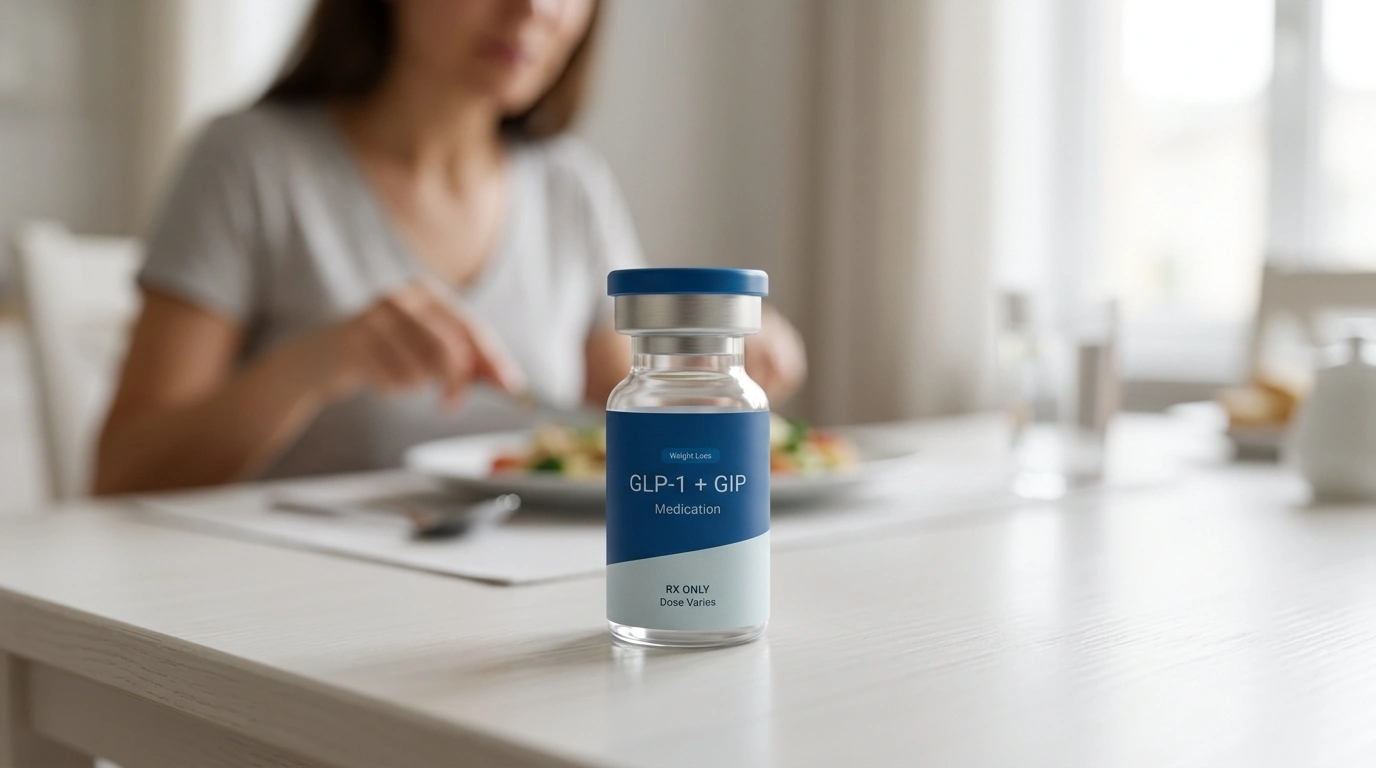
To understand how alcohol interacts with your treatment, it is helpful to first understand what the medication actually does in your body. Mounjaro® (tirzepatide) is a dual-action medication known as a GIP (glucose-dependent insulinotropic polypeptide) and GLP-1 (glucagon-like peptide-1) receptor agonist. If you want a broader overview, our GLP-1 injections explained article breaks down how these medications work.
A receptor agonist is a substance that mimics a natural hormone in the body. In this case, the medication mimics two hormones that help regulate blood sugar and appetite. The GLP-1 component helps slow down gastric emptying, which is the speed at which food leaves your stomach. It also signals to your brain that you are full. The GIP component is thought to further improve how the body breaks down sugar and fats.
When these two pathways work together, they can significantly reduce “food noise”—those constant intrusive thoughts about eating—and help the body manage glucose more effectively. However, because this medication changes how your digestive system and metabolism function, adding alcohol to the mix requires careful consideration.
Is It Safe to Drink Alcohol on Mounjaro?
The short answer is that there is no known direct, dangerous chemical interaction between alcohol and Mounjaro®. Most clinical guidelines do not strictly forbid a moderate drink. However, “no interaction” is not the same as “no impact.” Doctors and weight loss specialists generally advise caution because alcohol can influence how the medication feels and how well it works for your weight loss goals. For a deeper look at the topic, see our can you drink on tirzepatide? guide.
Every individual reacts differently to GLP-1 and GIP medications. Some people find they can enjoy an occasional drink without any issues, while others find that even a small amount of alcohol makes them feel unwell. Because we focus on personalized care at TrimRx, we encourage every patient to pay close attention to their body’s unique signals when introducing alcohol during treatment.
Quick Answer: While there is no direct contraindication for drinking alcohol on Mounjaro®, it can worsen gastrointestinal side effects and increase the risk of low blood sugar. Most experts recommend limiting consumption to see how your body reacts.
The Impact on Digestion and Gastric Emptying
One of the primary ways tirzepatide helps with weight loss is by slowing down the movement of food through your digestive tract. This is why you feel full for longer periods after eating. When you consume alcohol, this slowed digestion becomes a major factor.
Normally, alcohol is absorbed fairly quickly through the stomach lining and small intestine. On Mounjaro®, the alcohol may sit in your stomach longer along with your food. This can lead to a delayed “buzz,” which might tempt you to drink more than you usually would. Once the alcohol finally moves into the small intestine, it may hit your system all at once, leading to sudden intoxication or a much more severe hangover the next day.
Furthermore, because the stomach is processing things more slowly, the combination of alcohol and food can lead to significant discomfort. Alcohol is a known gastric irritant. When it stays in the stomach for an extended period, it can cause or worsen symptoms of acid reflux, bloating, and indigestion.
Managing Gastrointestinal Side Effects
The most common side effects of GLP-1 medications are gastrointestinal (GI) in nature. These include nausea, vomiting, diarrhea, and stomach pain. Alcohol is also a frequent cause of these exact symptoms. When you combine the two, you may experience a “compounding effect.” If you’re looking for added digestive support during treatment, the GLP-1 Daily Support supplement is designed to complement that part of your routine.
- Increased Nausea: Alcohol can irritate the lining of the stomach. If the medication is already making you feel slightly queasy, a drink can push that feeling into active nausea or vomiting.
- Dehydration: Both alcohol and GLP-1 medications can contribute to dehydration. Alcohol is a diuretic, meaning it makes you lose more fluid than you take in. If you are also experiencing diarrhea or decreased thirst as a side effect of your medication, your risk of severe dehydration increases significantly.
- Stomach Pain: The combination of carbonation (like in beer or sparkling wine) and slowed digestion can lead to painful gas and bloating.
Key Takeaway: Alcohol can intensify the natural GI side effects of tirzepatide. Staying hydrated and starting with very small amounts is essential to avoid physical discomfort.
Blood Sugar and Hypoglycemia Risks
Mounjaro® is highly effective at lowering blood glucose levels. This is a primary benefit for those with type 2 diabetes and metabolic syndrome. However, alcohol also has a significant impact on blood sugar.
When you drink, your liver prioritizes breaking down the alcohol to clear it from your system. While the liver is busy processing alcohol, it is less effective at its other job: releasing stored glucose into the bloodstream to keep your sugar levels stable. This can lead to hypoglycemia, or low blood sugar.
Symptoms of low blood sugar include:
- Dizziness or lightheadedness
- Confusion or irritability
- Shakiness
- Rapid heartbeat
- Sweating
If you are taking Mounjaro® along with other medications that lower blood sugar, such as insulin or sulfonylureas, the risk of a dangerous drop in glucose is even higher. Even for those without diabetes, drinking on an empty stomach while using a GLP-1 medication can lead to feeling faint or shaky.
Alcohol and Weight Loss Progress
Beyond the immediate physical side effects, alcohol can present a challenge to your long-term weight loss progress. At TrimRx, we view weight loss as a holistic journey, and alcohol often acts as a “triple threat” to your goals. If you want additional energy and metabolic support while you focus on those habits, the Weight Loss Boost supplement is another option.
1. Empty Calories
Alcohol is calorie-dense but offers zero nutritional value. A single craft beer or a sweetened cocktail can contain as many calories as a small meal. Because these are liquid calories, they do not trigger the same fullness signals as solid food, making it easy to overconsume without realizing it.
2. Lowered Inhibitions
One of the greatest benefits of medications like tirzepatide is the reduction in cravings. However, alcohol is famous for lowering inhibitions. After one or two drinks, you may find that your willpower regarding food choices diminishes. You might find yourself reaching for high-calorie, salty, or greasy snacks that you would have easily avoided while sober.
3. Metabolic Slowdown
When alcohol is in your system, your body treats it as a toxin that must be removed immediately. This means your metabolism shifts its focus away from burning fat and toward processing the alcohol. Frequent drinking can create a metabolic environment where fat loss is significantly slowed down.
Can Mounjaro Reduce Alcohol Cravings?
An interesting area of emerging research suggests that GLP-1 medications might actually help people drink less by choice. Many patients report that since starting their treatment, they simply no longer have the desire to drink.
This phenomenon is often linked to the way the medication interacts with the brain’s reward system. The same pathways that reduce “food noise” and the dopamine hit from sugar may also reduce the reward signals associated with alcohol. While Mounjaro® is not currently an FDA-approved treatment for alcohol use disorder, many researchers are looking into how tirzepatide and semaglutide (the active ingredient in Ozempic® and Wegovy®) might help reduce addictive behaviors. If you’d like a broader look at appetite signaling, our does GLP-1 work? article explores that topic further.
Myth: You have to drink the same amount you used to in order to enjoy yourself. Fact: Many people on GLP-1 medications find their “off switch” for alcohol triggers much earlier, or they lose interest in drinking entirely.
Tips for Social Situations and Safe Drinking
If you decide to have a drink while on your weight loss program, a little preparation goes a long way. Following these steps can help you stay safe and keep your progress on track.
Step 1: Consult with your healthcare provider. Before you have your first drink, discuss your lifestyle with a licensed professional. They can review your health history and current dosage to give you specific advice.
Step 2: Never drink on an empty stomach. Because of the risk of hypoglycemia and irritation, always ensure you have a nutritious meal containing protein and fiber before having an alcoholic beverage.
Step 3: Choose “cleaner” options. Avoid sugary mixers, syrupy cocktails, and heavy beers. Opt for a small glass of dry wine or a spirit mixed with plain soda water and a squeeze of lime.
Step 4: Practice the “one-for-one” rule. For every alcoholic drink you have, drink at least 8 to 12 ounces of plain water. This helps prevent dehydration and slows down your overall consumption.
Step 5: Listen to your body’s “stop” signal. You may find that you feel the effects of alcohol much faster or that a drink simply doesn’t taste as good as it used to. If you feel even slightly unwell, stop drinking immediately.
Comparing Common Drinks for Weight Loss
| Drink Type | Average Calories | Impact on Blood Sugar |
|---|---|---|
| Dry White/Red Wine | 120-125 calories | Low to Moderate |
| Light Beer | 90-100 calories | Moderate (due to carbs) |
| Vodka Soda | 60-100 calories | Low |
| Margarita/Cocktails | 250-500+ calories | High (due to sugar) |
| Non-Alcoholic Seltzer | 0 calories | None |
When to Avoid Alcohol Entirely
While moderation is the key for many, there are certain times when it is best to avoid alcohol altogether during your weight loss journey.
- During Dose Increases: When you move up to a higher dose of medication, your body needs time to adjust. Side effects are usually most prominent during the first few days after an injection or a dose change. Adding alcohol during this window can make the transition much harder.
- If You Have Pre-existing Conditions: If you have a history of pancreatitis, gallbladder issues, or kidney problems, alcohol should generally be avoided. Both alcohol and GLP-1 medications can put stress on the pancreas, and combining them may increase the risk of inflammation.
- If You Are Feeling Unwell: If you are already struggling with nausea or fatigue from your program, alcohol will only worsen these symptoms.
Note: If you experience severe abdominal pain that radiates to your back, persistent vomiting, or signs of severe dehydration, contact a healthcare professional immediately, as these could be signs of a more serious complication like pancreatitis.
The Role of Personalized Support
At TrimRx, we believe that medication is just one piece of the puzzle. Success comes from understanding how that medication interacts with your specific lifestyle. Our programs are designed to offer more than just a prescription; we provide a platform where you can access the guidance needed to make these daily decisions.
Whether you are using compounded semaglutide or tirzepatide through our platform, our team of specialists is available to help you navigate side effects and lifestyle adjustments. If you want to understand how dosing, supervision, and support fit together, the therapeutic dose of Mounjaro guide is a helpful next read. We provide 24/7 access to support so that you never have to guess whether a choice is right for your health.
Conclusion
Navigating social life while taking Mounjaro® does not have to be stressful. While it is generally safe to consume alcohol in moderation, the medication changes how your body processes it. By being mindful of slowed digestion, the risk of low blood sugar, and the potential for increased GI side effects, you can make choices that allow you to enjoy life while staying committed to your transformation.
Our mission at TrimRx is to help you embrace a healthier lifestyle through science and empathy. We provide the tools, the technology, and the medical expertise to ensure your journey is as smooth and successful as possible. If you are ready to take the next step in your health journey, we invite you to take our free assessment quiz to see which personalized program is right for you.
FAQ
Does alcohol make Mounjaro less effective for weight loss?
Alcohol does not stop the medication from working biologically, but it can hinder your results. The “empty” calories in alcohol and the tendency to eat more while drinking can slow down the weight loss progress you would otherwise achieve. Our can you drink on tirzepatide? guide explains why that happens.
Why do I feel drunk faster on Mounjaro?
Because the medication slows down your stomach’s emptying process, alcohol may stay in your stomach longer and then be absorbed in a more concentrated way once it reaches the small intestine. This can lead to a more sudden and intense feeling of intoxication than you are used to. For a clearer look at the mechanism, our GLP-1 injections explained article covers the digestion effect in more detail.
Can I drink alcohol if I’m taking a compounded version of tirzepatide?
The guidelines remain the same whether you are taking a branded medication or a version prepared by FDA-registered, inspected compounding pharmacies. The active ingredient, tirzepatide, will still affect your digestion and blood sugar in the same way, so the same cautions apply. If you want to see whether you qualify for a personalized plan, take the free assessment quiz.
Is one glass of wine okay on the day of my injection?
Many people find that side effects are strongest on the day of their injection and the day after. It is often recommended to avoid alcohol on your “shot day” to minimize the risk of nausea and to allow your body to adjust to the medication dose.
Disclaimer: This content is for informational purposes only and does not constitute medical advice. It is not intended to diagnose, treat, cure, or prevent any disease or condition. Individual results may vary. Always consult a qualified healthcare professional before starting any weight loss program or medication.

Transforming Lives, One Step at a Time
Keep reading

Mounjaro Alternatives: What Else to Consider
If Mounjaro isn’t the right fit, the closest alternatives are other GLP-1 medications, chiefly semaglutide (Ozempic for diabetes, Wegovy for weight), along with a…

Mounjaro vs Zepbound: Same Drug, Two Brands
Like their semaglutide counterparts, Mounjaro and Zepbound are the same medication (tirzepatide) sold under two names for two purposes: Mounjaro is approved for type…

Retatrutide vs Mounjaro: Triple Agonist vs Dual Agonist
The core difference between retatrutide and Mounjaro comes down to how many hormone targets each hits: retatrutide activates three receptors, while Mounjaro (tirzepatide) activates…


