Can I Drink Beer While Taking Mounjaro?
Introduction
Standing at a social gathering with a drink in hand is a common scenario for many adults. However, when you start a medication like Mounjaro®, the rules of social engagement can feel a bit more complicated. You may find yourself wondering if that single beer will derail your progress or cause a night of physical discomfort. It is a valid concern, especially since weight loss is as much about lifestyle as it is about clinical support. At TrimRx, we believe that understanding how your body interacts with various substances is key to achieving sustainable results. If you want personalized guidance, start with our free assessment quiz.
This post covers the safety risks, metabolic impacts, and practical tips for navigating alcohol consumption while on a GLP-1 and GIP medication. If you’d like a deeper look at the biology behind these medications, read our how GLP-1 actually works for weight loss. We will explore how alcohol affects your side effects and whether it might hinder your long-term goals. While there is no direct medical “ban” on beer, the way your body processes it changes significantly during treatment. Our goal is to help you make informed choices that protect your health and your progress.
The Relationship Between Tirzepatide and Alcohol
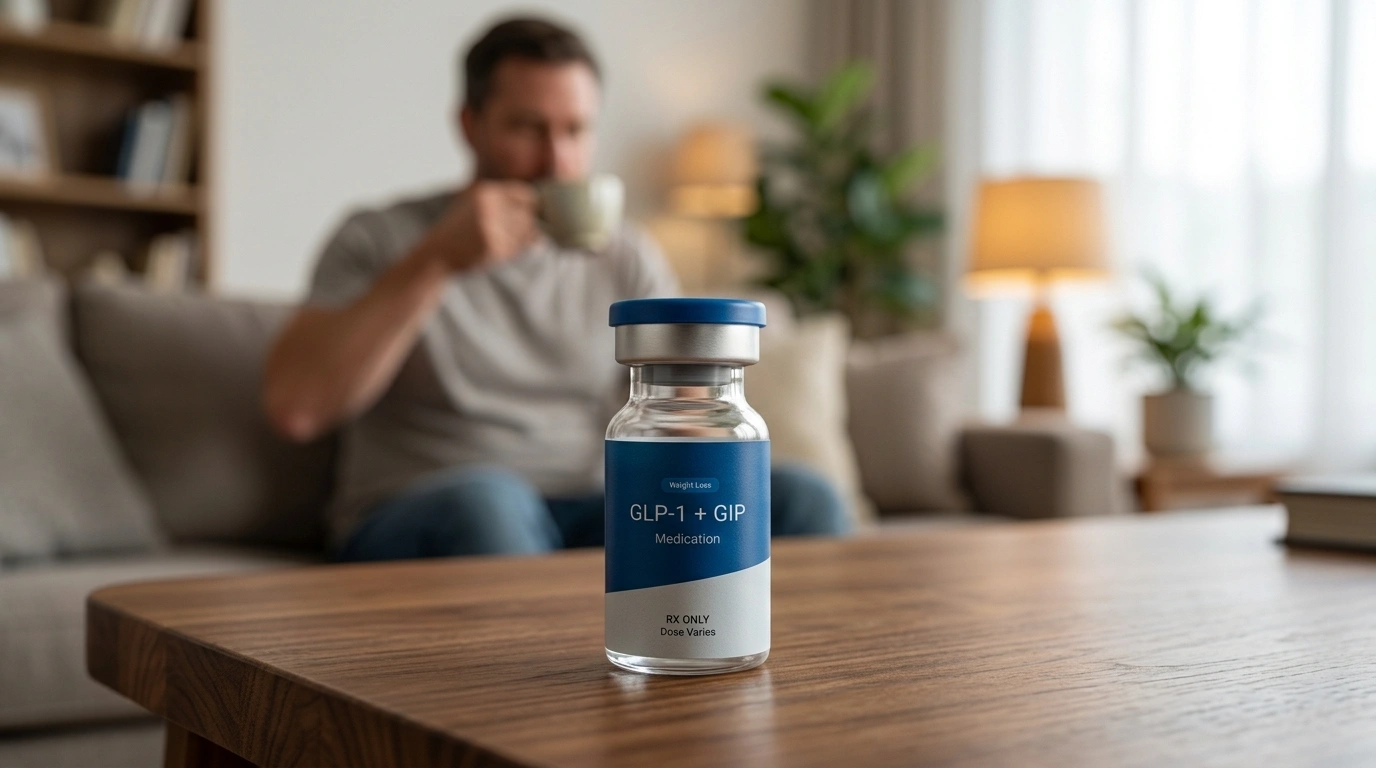
Mounjaro® contains the active ingredient tirzepatide. This medication is a dual-acting receptor agonist. It mimics two specific hormones in the body: glucagon-like peptide-1 (GLP-1) and glucose-dependent insulinotropic polypeptide (GIP). These hormones work together to regulate blood sugar, insulin secretion, and the speed at which your stomach empties. When you introduce alcohol—specifically beer—into this environment, you are mixing a substance that affects the central nervous system with a medication that significantly alters metabolic processes.
There is currently no known direct chemical interaction between tirzepatide and alcohol. This means that drinking a beer will not necessarily “cancel out” the medication in your bloodstream. However, “no interaction” is not the same as “no effect.” Alcohol can influence the very systems the medication is trying to manage. Because the medication slows down gastric emptying (the speed at which food and drink leave your stomach), alcohol stays in your system longer. This can lead to a more intense or prolonged feeling of intoxication for some individuals.
An interesting phenomenon reported by many patients and supported by emerging research is a decreased desire to drink alcohol while taking GLP-1 medications. If you’re curious about that shift, our Mounjaro and alcohol cravings guide goes deeper.
Key Takeaway: While no direct drug-to-alcohol interaction exists, Mounjaro® changes how your body processes everything you consume, meaning alcohol can have a more unpredictable impact than usual.
Managing Side Effects and Gastrointestinal Distress
The most frequently reported side effects of tirzepatide are gastrointestinal. Our tirzepatide side effects guide covers the most common issues in more detail. These include nausea, vomiting, diarrhea, and stomach pain. Alcohol is a known irritant to the stomach lining. When you combine the two, you may experience a “compounding effect” where symptoms become significantly more intense.
Slowed Digestion and Heartburn
Because the medication slows your digestion, anything you consume stays in the stomach for an extended period. Beer is carbonated and often contains yeast and hops, which can lead to bloating. If a beer sits in a “slowed” stomach, it may increase the likelihood of acid reflux or heartburn. Many patients report that the discomfort of reflux is much worse after even a small amount of alcohol.
Increased Nausea and Vomiting
Nausea is a common hurdle during the early stages of a weight loss program. Alcohol can trigger the brain’s nausea centers and irritate the gut. For an individual taking a GLP-1 medication, a single beer might be enough to trigger a bout of vomiting that would not have happened otherwise. If you want practical ways to manage that feeling, read our nausea and GLP-1 medications guide. This is particularly true during the first few days after an injection when the medication concentration is at its peak.
Dehydration Risks
Alcohol is a diuretic, which means it encourages the body to lose fluids through urination. Many individuals on weight loss medications already struggle with hydration. If you experience diarrhea or vomiting as a side effect, adding a diuretic like beer can lead to severe dehydration.
Quick Answer: You can technically drink beer, but it is highly likely to worsen nausea, bloating, and acid reflux due to the way the medication slows your digestive process.
Blood Sugar Management and Hypoglycemia Risks
One of the primary functions of tirzepatide is to lower blood sugar levels by helping the pancreas release the right amount of insulin. Alcohol can also lower blood sugar. When these two effects combine, the risk of hypoglycemia (dangerously low blood sugar) increases.
For individuals with type 2 diabetes, this risk is particularly high. However, even those using the medication solely for weight management should be cautious. Symptoms of low blood sugar include:
- Dizziness or lightheadedness
- Shakiness or tremors
- Confusion or irritability
- Excessive sweating
- Fast heartbeat
Important: Alcohol can mask the symptoms of low blood sugar. You might mistake the dizziness of hypoglycemia for the effects of the beer, delaying necessary treatment. If you choose to drink, never do so on an empty stomach.
Impact on Weight Loss Progress and Metabolic Health
The primary goal for most people using our platform is sustainable weight loss. Beer, often referred to as “liquid bread,” is calorie-dense and offers very little nutritional value. Consuming empty calories can directly counteract the caloric deficit required for weight loss.
The “Empty Calorie” Problem
A standard beer can range from 100 to over 200 calories. If you are following a structured program through us, your daily caloric intake is likely managed to ensure steady progress. Adding several beers a week can easily add up to thousands of extra calories a month. This can lead to a weight loss plateau, which is often a major source of frustration for patients.
Inhibition and Food Choices
Alcohol is well-known for lowering inhibitions. One of the greatest benefits of GLP-1 medications is the reduction of “food noise”—those constant intrusive thoughts about eating. Alcohol can temporarily silence the medication’s ability to control these impulses. After a couple of beers, you may find yourself reaching for high-fat, high-sodium “pub foods” that you would otherwise have avoided. This creates a double-hit to your progress: the calories from the alcohol and the calories from the subsequent poor food choices.
Metabolic Priority
The liver is responsible for processing alcohol. When alcohol is present in the blood, the liver prioritizes breaking it down over other metabolic tasks, such as fat oxidation (burning fat). By consuming beer regularly, you are essentially telling your body to stop burning fat and start processing ethanol. This can slow down your overall metabolic rate and make it harder to see results on the scale.
Bottom line: Regular alcohol consumption adds empty calories and can lower your impulse control, potentially stalling the weight loss progress you have worked hard to achieve.
Why You Might Crave Alcohol Less on Mounjaro
An interesting phenomenon reported by many patients and supported by emerging research is a decreased desire to drink alcohol while taking GLP-1 medications. This is often described as the disappearance of “alcohol noise.”
The science suggests that these medications may interfere with the brain’s reward system. Normally, drinking alcohol triggers a release of dopamine, which makes the experience feel rewarding. GLP-1 medications may dampen this response. If the “reward” isn’t there, the craving often fades. Many people find that they simply forget to finish their drink or no longer feel the urge to have a beer at the end of a long day.
If you find that your interest in alcohol has decreased, it is a great opportunity to lean into that change. This natural reduction in cravings can be a powerful tool in your overall health journey.
Hydration and Nutrient Support While Drinking
If you do decide to have a beer, it is crucial to support your body to minimize the negative impact. At TrimRx, we often emphasize that medication is only one part of the equation; nutrient and hydration support are equally important.
The Importance of Water
For every beer you consume, you should aim to drink at least 8 to 12 ounces of water. For more hydration guidance, see our how much water you should drink when taking Mounjaro. This helps combat the diuretic effects of the alcohol and keeps your digestive system moving. Staying hydrated also helps mitigate the severity of hangovers, which can feel much worse when you are on a GLP-1 medication.
Targeted Supplementation
When your body is dealing with the dual load of medication and alcohol, your nutrient needs may shift. We offer products like GLP-1 Daily Support supplement, which is designed to help maintain nutrient balance and support digestive health. While a supplement cannot “fix” the effects of heavy drinking, it can help bridge the gap for those who may be struggling with appetite suppression and nutrient absorption.
Our Weight Loss Boost supplement can also provide a steady stream of nutrients to keep your energy levels up during your journey.
Steps for Safely Navigating Social Situations
If you plan to attend an event where beer will be served, having a plan in place can prevent side effects and keep your weight loss on track.
Step 1: Assess your current dose. If you have just started your program or recently increased your dosage, your body is in a state of adjustment. It is best to avoid alcohol entirely during these transition periods, as side effects are most likely to occur then.
Step 2: Eat a protein-rich meal first. Never drink beer on an empty stomach. Consuming protein and fiber before you have a drink will further slow the absorption of alcohol and provide a buffer for your stomach lining. This also helps keep your blood sugar stable.
Step 3: Choose “light” options. If you must have a beer, opt for a light beer with lower calorie and carbohydrate content. Avoid heavy stouts, IPAs, or craft beers that can contain as many calories as a full meal.
Step 4: Monitor your body’s signals. Pay close attention to how you feel after just a few sips. If you feel prematurely full, nauseated, or dizzy, stop drinking immediately. Your body is telling you that it cannot handle the combination at that moment.
Step 5: Limit your intake. Stick to a firm limit—one drink for women and two for men is the standard recommendation, but on Mounjaro®, you may find that even half of that is plenty.
Note: Always consult with your healthcare provider before consuming alcohol while on a prescription medication. They can provide personalized advice based on your medical history and current health status.
Choosing the Right Path with TrimRx
Starting a weight loss journey is a significant commitment. It involves more than just an injection; it involves a shift in how you view food, drink, and your body’s needs. We provide a telehealth platform that makes this transition easier by connecting you with licensed providers who understand the nuances of GLP-1 and GIP treatments.
Our personalized programs are designed to fit your life, not the other way around. Whether you are curious about compounded tirzepatide or looking for ways to optimize your current regimen, we are here to support you. If you want to see whether a personalized program is a fit, start with our free assessment quiz. By choosing a program that includes expert consultations and ongoing support, you don’t have to guess about things like alcohol consumption. You have a team ready to guide you.
Our mission is to help you embrace a healthier lifestyle through science, empathy, and transparency. Sustainable weight loss is a marathon, not a sprint, and making the choice to limit or manage your beer intake is a powerful step toward the version of yourself you want to be.
Key Takeaway: Success on a GLP-1 program comes from a combination of the right medication and mindful lifestyle choices. Being cautious with alcohol is a key part of protecting your health and ensuring your results last.
Conclusion
Can you drink beer while taking Mounjaro®? Technically, yes—but the real question is whether you should. For many, the increased risk of nausea, the threat of low blood sugar, and the extra calories make drinking beer a hurdle that isn’t worth the brief social enjoyment. Your body is undergoing a metabolic transformation, and alcohol can act as a distraction to that process.
At TrimRx, we are dedicated to helping you navigate these choices with confidence. By prioritizing hydration, listening to your body’s new signals, and utilizing our personalized support, you can stay on the path to success. Remember that every choice you make is a piece of the puzzle in your health journey. If you are ready to take the next step in your weight loss journey, we invite you to take our free assessment quiz to see which personalized program is right for you.
- Prioritize protein and hydration before considering alcohol.
- Be aware that your tolerance and cravings may change significantly.
- Limit intake to avoid worsening gastrointestinal side effects.
- Focus on your long-term goals rather than short-term social habits.
FAQ
Does beer interact with Mounjaro?
While there is no known direct drug-to-drug interaction between beer and Mounjaro®, the combination can significantly worsen side effects. For a broader look at alcohol and GLP-1 medications, see our guidance on GLP-1 medications and alcohol.
Will drinking beer stop my weight loss?
Beer is high in empty calories and carbohydrates, which can slow down your weight loss progress. Additionally, alcohol can lower your inhibitions, making it harder to stick to your nutrition plan, and it may temporarily stop your body from burning fat as your liver prioritizes processing the alcohol.
Can I have a non-alcoholic beer instead?
Non-alcoholic beer is generally a safer choice regarding intoxication and blood sugar crashes, but it still contains calories and carbonation. The carbonation can still lead to bloating and discomfort due to the slowed gastric emptying caused by the medication, so it should still be consumed in moderation.
Is it safe to drink on the day of my injection?
It is generally recommended to avoid alcohol on the day of your injection and for the 48 hours following it. This is when the medication levels are rising in your body and when you are most likely to experience side effects like nausea, which alcohol can severely intensify. If you are still deciding whether treatment is right for you, start with our free assessment quiz.
Disclaimer: This content is for informational purposes only and does not constitute medical advice. It is not intended to diagnose, treat, cure, or prevent any disease or condition. Individual results may vary. Always consult a qualified healthcare professional before starting any weight loss program or medication.

Transforming Lives, One Step at a Time
Keep reading

Mounjaro Alternatives: What Else to Consider
If Mounjaro isn’t the right fit, the closest alternatives are other GLP-1 medications, chiefly semaglutide (Ozempic for diabetes, Wegovy for weight), along with a…

Mounjaro vs Zepbound: Same Drug, Two Brands
Like their semaglutide counterparts, Mounjaro and Zepbound are the same medication (tirzepatide) sold under two names for two purposes: Mounjaro is approved for type…

Retatrutide vs Mounjaro: Triple Agonist vs Dual Agonist
The core difference between retatrutide and Mounjaro comes down to how many hormone targets each hits: retatrutide activates three receptors, while Mounjaro (tirzepatide) activates…


