Can I Drink While Taking Mounjaro?
Introduction
Starting a weight loss journey often means re-evaluating long-held habits, and for many, that includes the occasional social drink. If you have recently begun a program involving Mounjaro®, you may find yourself wondering if a glass of wine at dinner or a beer at a ballgame is still a safe option. The intersection of modern medication and lifestyle choices can be confusing, especially when your body starts reacting differently to things you once enjoyed without a second thought.
At TrimRx, we believe that sustainable health is about finding a balance that works for your unique biology and your life. This post explores how alcohol interacts with tirzepatide—the active ingredient in Mounjaro®—and what you should keep in mind regarding side effects, blood sugar, and your long-term weight loss goals. If you’re curious whether a personalized program is right for you, take our free assessment quiz to see what path fits your goals.
Quick Answer: While there is no direct, dangerous drug interaction between Mounjaro® and alcohol, drinking can intensify gastrointestinal side effects and increase the risk of low blood sugar. Most experts recommend limiting or avoiding alcohol to maximize weight loss and minimize physical discomfort.
How Tirzepatide and Alcohol Interact
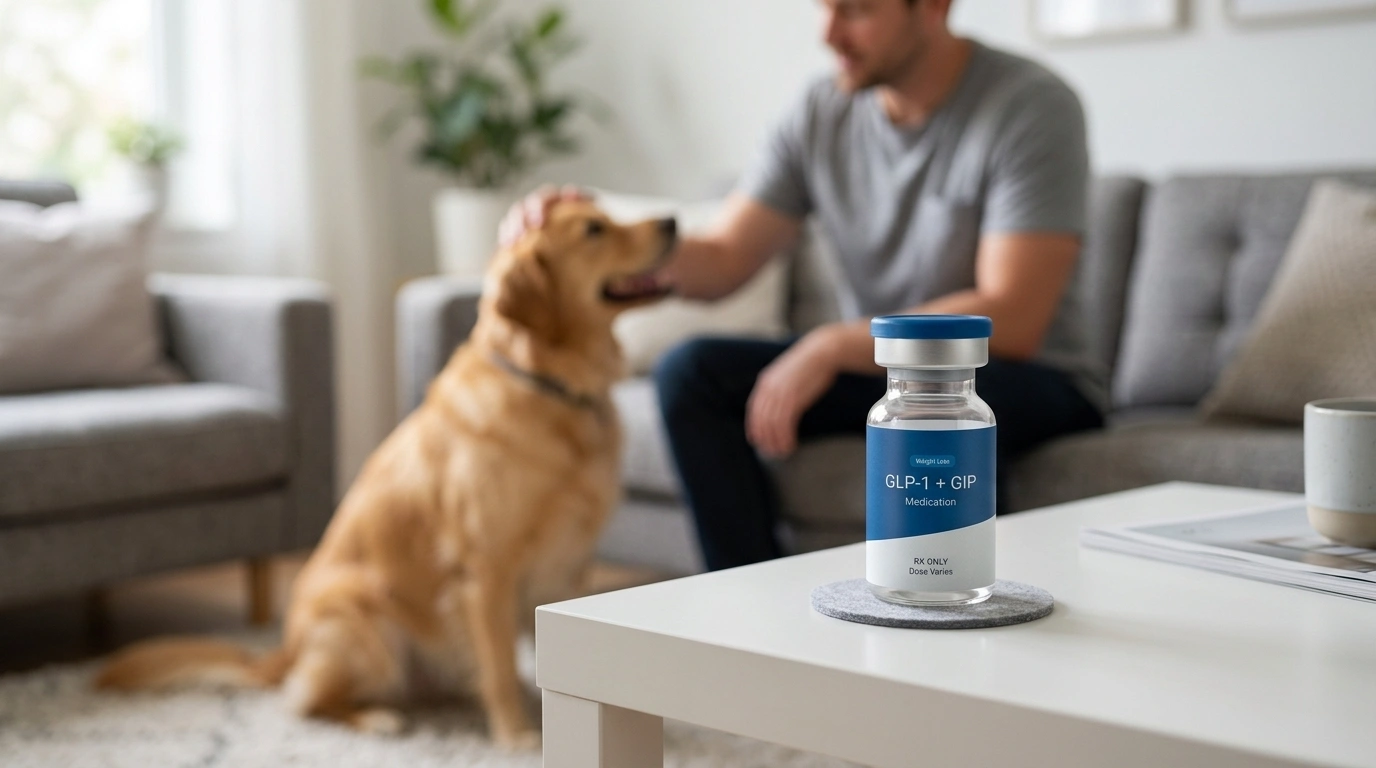
To understand the risks and considerations, it is helpful to look at how Mounjaro® works in the body. Tirzepatide is a dual-receptor agonist, meaning it mimics two naturally occurring hormones: glucagon-like peptide-1 (GLP-1) and glucose-dependent insulinotropic polypeptide (GIP). If you want a fuller breakdown, see how GLP-1 medications work for weight loss.
When you consume alcohol, your body prioritizes breaking it down over almost everything else. Because alcohol is essentially a toxin, your liver stops its usual tasks—like releasing stored glucose—to filter the alcohol out of your system. When you combine this with a medication that is already working to lower your blood sugar, the results can be unpredictable.
Gastric Emptying and Absorption
One of the primary ways this medication helps with weight loss is by slowing down “gastric emptying.” This is the clinical term for the process of food and drink moving from your stomach into your small intestine. By slowing this process, the medication helps you feel full for much longer.
However, when you drink alcohol, this slowed digestion can change how you experience intoxication. For a deeper look at this specific question, read our tirzepatide-and-alcohol guide. Because the alcohol sits in your stomach longer, it may take more time for you to feel the initial effects. This can lead some people to drink more than they usually would, only to have the alcohol “hit” them all at once later as it finally moves into the bloodstream. This delayed absorption can make it very difficult to judge your level of impairment.
The Double Impact on the GI Tract
Both alcohol and GLP-1 medications can be tough on the digestive system. Many people starting their weight loss journey report mild nausea or stomach upset as their bodies adjust to the medication. If nausea is already a concern, this overview of how long GLP-1 nausea really lasts may help. Alcohol is a known stomach irritant that can increase acid production. When you combine the two, you are effectively giving your gastrointestinal tract a “double whammy” of irritation, which can turn a mild side effect into a very uncomfortable evening.
Common Side Effects When Mixing Alcohol and Tirzepatide
If you choose to drink while on this medication, you may notice that your “usual” tolerance has shifted or that you feel physically worse than you did before starting your program.
Intensified Nausea and Vomiting
Nausea is the most frequently reported side effect of GLP-1 and GIP medications. Because alcohol also irritates the lining of the stomach, drinking can trigger or worsen bouts of nausea. In some cases, this leads to vomiting, which is not only unpleasant but can lead to rapid dehydration.
Increased Risk of Dehydration
Both the medication and alcohol have diuretic effects, meaning they encourage your body to flush out fluids. When you are on a personalized weight loss program, staying hydrated is critical for metabolic health and kidney function. Drinking alcohol while taking tirzepatide can lead to a “hangover” feeling that is much more severe than usual due to the compounding effect of dehydration.
Key Takeaway: Alcohol can significantly worsen the gastrointestinal side effects of tirzepatide, such as nausea and bloating, while also making it harder to stay properly hydrated.
The Critical Risk: Low Blood Sugar (Hypoglycemia)
For individuals using Mounjaro® to manage type 2 diabetes, the risk of low blood sugar, or hypoglycemia, is a serious concern. Even for those using the medication solely for weight loss, alcohol can cause blood sugar levels to dip unexpectedly.
The liver is responsible for producing glucose when your blood sugar gets too low. As mentioned earlier, the liver prioritizes alcohol metabolism. If you are drinking, your liver may not be able to release enough glucose to keep your levels stable.
Common symptoms of low blood sugar include:
- Dizziness or lightheadedness
- Confusion or irritability
- Shakiness or tremors
- Rapid heartbeat
- Sweating or chills
It is important to note that the symptoms of being “tipsy” or intoxicated—like slurred speech and poor coordination—are very similar to the symptoms of hypoglycemia. This makes it dangerous, as bystanders (or the individual themselves) may mistake a medical emergency for simple intoxication.
Does Alcohol Impact Weight Loss Results?
Beyond the immediate physical side effects, alcohol can present a hurdle for your long-term weight loss progress. When we design programs at TrimRx, we focus on creating a sustainable caloric deficit and improving metabolic flexibility. Alcohol works against these goals in several ways.
Empty Calories and Metabolic Stalling
Alcohol contains roughly seven calories per gram, which is more than protein or carbohydrates and nearly as much as fat. These are “empty” calories, meaning they provide no nutritional value—no vitamins, minerals, or fiber.
For readers curious why plateaus happen, our piece on tirzepatide weight-loss plateaus goes deeper. Furthermore, when alcohol is in your system, your body stops burning fat for fuel. It focuses entirely on burning off the alcohol. If you drink frequently, you may find that your weight loss plateaus, even if you are eating very little food. Your body is essentially hitting the “pause” button on fat metabolism every time you have a cocktail.
The Loss of Inhibitions
One of the most powerful benefits of medications like Mounjaro® and Zepbound® is the reduction of “food noise”—those constant, intrusive thoughts about eating. Alcohol is known to lower inhibitions and impair judgment. If you want to understand that appetite shift better, read about how GLP-1 medications can help stop food noise. After a drink or two, you may find that your ability to resist high-calorie, processed foods disappears. This can lead to late-night snacking or overeating, which can leave you feeling physically ill the next day due to the slowed digestion mentioned earlier.
Bottom line: Alcohol adds empty calories and temporarily halts fat burning, which can slow down the results you see on the scale.
The “Alcohol Noise” Phenomenon
An interesting trend has emerged in clinical observations and patient reports: many people taking GLP-1 medications find that they simply no longer want to drink. Just as the medication reduces the urge to snack, it appears to interact with the brain’s reward centers in a way that reduces the craving for alcohol.
Some patients report that alcohol no longer tastes good, or that they lose interest after just a few sips. If you are still figuring out how that shift fits into a bigger plan, how to start a weight loss journey that actually lasts is a useful next read. This “muted” reward response can be a significant advantage for those who previously used alcohol as a coping mechanism for stress or boredom. If you find your desire for a nightly drink has vanished, it is a normal part of how these medications can reshape your relationship with cravings.
Practical Tips for Social Situations
We understand that complete abstinence isn’t the goal for everyone. If you decide to have a drink while on your weight loss journey, here are some strategies to help you do so safely:
1. Never Drink on an Empty Stomach Because your digestion is slower, having protein and fiber in your stomach before a drink can help stabilize your blood sugar and slow the absorption of alcohol even further, preventing a sudden “hit” of intoxication.
2. Follow the “One-for-One” Rule For every alcoholic drink you have, consume at least eight ounces of water. This helps combat the dehydrating effects of both the alcohol and the medication.
3. Choose Lower-Calorie, Lower-Sugar Options Avoid sugary mixers, syrups, and heavy craft beers. These can cause a rapid spike in blood sugar followed by a crash.
- Better choices: Spirits with club soda and lime, a dry five-ounce glass of wine, or a light beer.
- Avoid: Margaritas, daiquiris, dessert wines, and full-strength IPAs.
4. Start Very Slowly Treat your first drink on medication as an experiment. Your tolerance may be significantly lower than it was previously. Sip slowly and wait at least 30 to 45 minutes before deciding if you want another.
5. Monitor Your Body’s Signals If you start to feel nauseated, dizzy, or uncomfortably bloated, stop drinking immediately. Your body is telling you that it is struggling to process the combination.
The Role of Personalization in Your Journey
At TrimRx, we recognize that every body is different. Some individuals may find they can tolerate a glass of wine once a week without issue, while others may find that even a small amount of alcohol causes intense nausea or a weight loss stall. If you are ready to see whether you qualify for a tailored program, complete the free assessment quiz.
This is why our approach centers on personalized programs. When you work with us, you aren’t just getting a prescription; you are getting a dedicated team that helps you navigate these lifestyle adjustments. We connect you with licensed providers who can help you understand your health profile and how medications—whether they are branded like Wegovy® or Ozempic®, or compounded versions—will affect your specific lifestyle.
Note: If you are currently experiencing severe side effects like persistent vomiting or intense abdominal pain, you should contact a healthcare provider immediately, as these could be signs of more serious complications like pancreatitis.
When to Avoid Alcohol Completely
There are certain points in your treatment where it is best to stay away from alcohol entirely:
- During Dose Increases: Every time you move up to a higher dosage of your medication, your risk for side effects increases. It is best to avoid alcohol for at least a week after a dose change to see how your body reacts.
- If You Have a History of Pancreatitis: Both alcohol and GLP-1 medications are associated with the pancreas. If you have a history of pancreatic issues, your doctor will likely advise you to avoid alcohol.
- When Dehydrated or Ill: If you are already struggling to get enough water or are feeling under the weather, alcohol will only worsen your condition.
Navigating the Process with TrimRx
Starting a medical weight loss journey can feel like a major life shift, but it doesn’t have to be overwhelming. We have streamlined the process to make it as transparent and supportive as possible.
Step 1: The Assessment
The journey begins with a free, comprehensive assessment quiz on our platform. This helps determine your eligibility and allows a licensed provider to review your medical history and weight loss goals. If you want to get started now, take our free assessment quiz.
Step 2: Clinical Review and Consultation
A licensed healthcare professional reviews your information. They will look at your BMI, existing health conditions, and any potential contraindications. If you are a candidate for a prescription program, they will discuss your options, which may include compounded tirzepatide or semaglutide. For a closer look at the process, how to get GLP-1 for weight loss explains the next steps. These medications are prepared and shipped by FDA-registered, inspected compounding pharmacies to ensure high standards of quality.
Step 3: Ongoing Support and Medication Delivery
Once prescribed, your medication is shipped directly to your door. You gain 24/7 access to our team of specialists who can answer questions exactly like “Can I drink while taking this?” We provide the guidance you need to manage side effects and optimize your results through every stage of the program.
Step 4: Lifestyle Integration
As the medication begins to work, we help you integrate support like our Weight Loss Boost supplement to support energy and metabolism while your appetite is reduced. Our goal is to help you build a lifestyle that lasts long after you have reached your target weight.
Conclusion
The question of whether you can drink while taking Mounjaro® doesn’t have a simple “yes” or “no” answer, but rather a “proceed with caution.” While a small amount of alcohol may be tolerable for some, the risks of increased side effects, low blood sugar, and stalled weight loss are real. Many people find that as they progress in their journey with us, their desire for alcohol naturally diminishes, making the choice to abstain much easier than they expected.
Our mission at TrimRx is to help you embrace a healthier lifestyle through a transparent, science-backed approach. We provide more than just access to medication; we provide a partnership. By focusing on your unique health profile and offering continuous clinical support, we ensure that you have the tools to make informed decisions about your diet, your habits, and your social life.
If you are ready to see how a personalized weight loss program can change your relationship with food and health, your first step is simple. Take our free assessment quiz to see which path is right for you and begin your journey toward sustainable, medically supervised weight loss today.
FAQ
Does Mounjaro® cause alcohol cravings to go away?
Many users report a significant decrease in the desire to drink alcohol while taking tirzepatide. How GLP-1 medications can help stop food noise is a helpful place to learn more about how these medications affect cravings and reward signals. This is likely because the medication affects the brain’s reward system, similar to how it reduces cravings for high-calorie “junk” foods. While research is ongoing, this “muted” response to alcohol is a common experience for many on GLP-1 and GIP medications.
Can I have a “cheat day” and skip my dose to drink alcohol?
Skipping a dose of Mounjaro® to consume alcohol is generally not recommended and can disrupt the consistency needed for the medication to be effective. If you want a broader look at long-term treatment consistency, can you take tirzepatide forever explores how ongoing care is handled. Because the medication has a long half-life, it remains in your system for several days after an injection, so skipping a single day will not prevent potential interactions or side effects. Always consult your healthcare provider before changing your dosing schedule.
What is the best alcohol to drink if I am on a weight loss program?
If you choose to drink, the best options are those with the lowest sugar and calorie content. For a more specific look at drinking while on this medication, see our tirzepatide-and-alcohol guide. Spirits like vodka, gin, or tequila paired with club soda and a squeeze of citrus are often the best choice. Dry wines or light beers are also lower in calories compared to mixed cocktails, syrupy liqueurs, or heavy ales.
Is it dangerous to drink while taking compounded tirzepatide?
The risks of drinking while taking compounded tirzepatide are essentially the same as with the branded version, Mounjaro®. Both involve the same active ingredient that slows gastric emptying and affects blood sugar. If you are considering a prescription-based program, take our free assessment quiz to see whether a medically supervised path is the right fit for you. Regardless of whether you are using a branded or compounded medication, you should practice moderation and prioritize hydration to avoid severe side effects.
Disclaimer: This content is for informational purposes only and does not constitute medical advice. It is not intended to diagnose, treat, cure, or prevent any disease or condition. Individual results may vary. Always consult a qualified healthcare professional before starting any weight loss program or medication.

Transforming Lives, One Step at a Time
Keep reading

Mounjaro Alternatives: What Else to Consider
If Mounjaro isn’t the right fit, the closest alternatives are other GLP-1 medications, chiefly semaglutide (Ozempic for diabetes, Wegovy for weight), along with a…

Mounjaro vs Zepbound: Same Drug, Two Brands
Like their semaglutide counterparts, Mounjaro and Zepbound are the same medication (tirzepatide) sold under two names for two purposes: Mounjaro is approved for type…

Retatrutide vs Mounjaro: Triple Agonist vs Dual Agonist
The core difference between retatrutide and Mounjaro comes down to how many hormone targets each hits: retatrutide activates three receptors, while Mounjaro (tirzepatide) activates…


