Can I Inject Tirzepatide Cold? Tips for a Comfortable Injection
Introduction
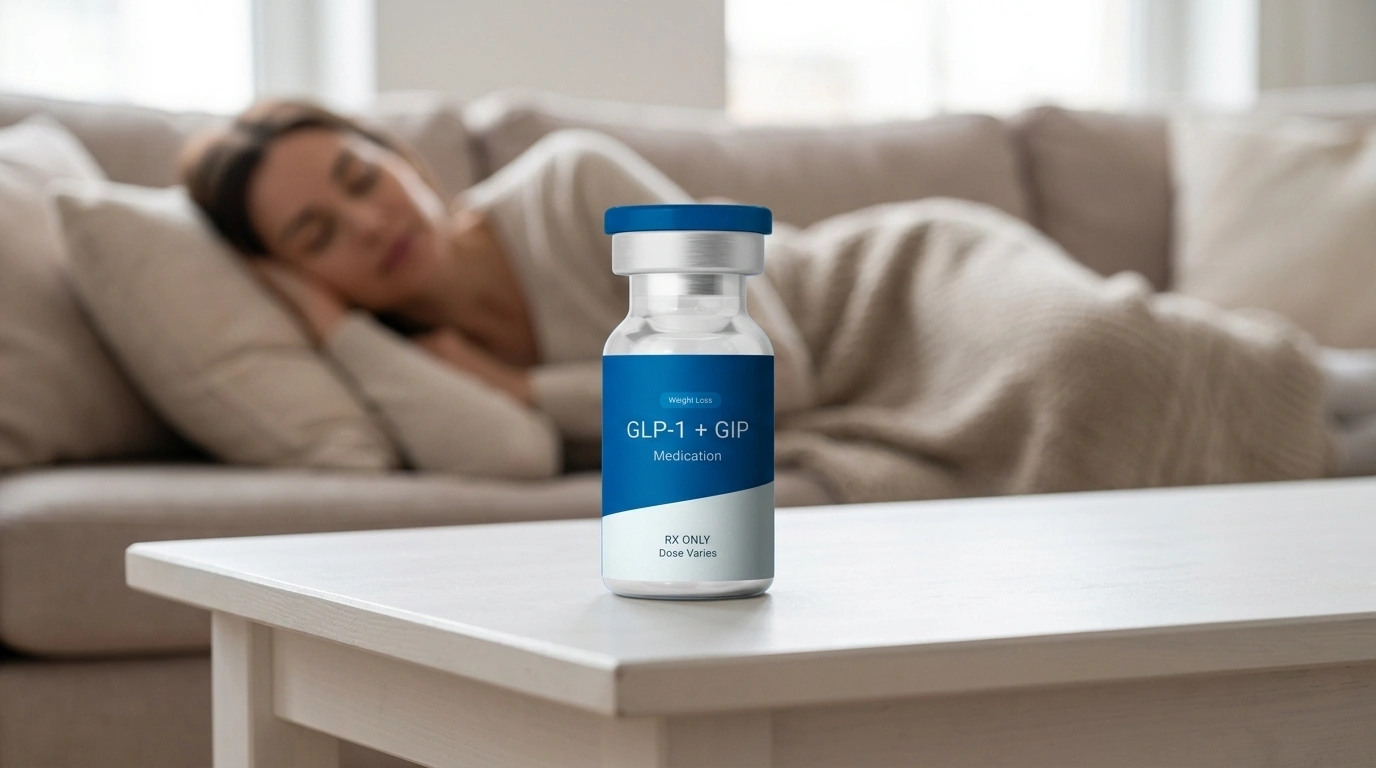
If you have just started your weight loss journey with a dual-agonist medication, you might find the routine of weekly injections a bit daunting. One of the most common questions new patients ask is whether they should use their medication immediately after taking it out of the refrigerator. You may have noticed that a cold injection feels sharper or causes a slight stinging sensation at the site. At TrimRx, we believe that understanding the small details of your treatment can make a significant difference in your long-term success. This article explains the safety of injecting tirzepatide while cold, why temperature matters for comfort, and how to manage your medication for the best experience. While it is medically safe to inject tirzepatide cold, most people find that allowing the medication to reach room temperature provides a much more comfortable experience.
If you are considering prescription weight loss treatment, you can complete a free eligibility assessment to explore whether a personalized program may be appropriate for you.
The Short Answer: Can You Inject It Cold?
Quick Answer: Yes, you can safely inject tirzepatide while it is still cold from the refrigerator. However, many individuals find that cold liquid causes more discomfort or a “stinging” sensation upon entry. For a more comfortable experience, it is generally recommended to let the medication sit at room temperature for about 15 to 30 minutes before use.
Tirzepatide is a medication known as a dual glucose-dependent insulinotropic polypeptide (GIP) and glucagon-like peptide-1 (GLP-1) receptor agonist. In plain English, this means it mimics two different hormones in your body that help regulate appetite and blood sugar. Because these medications are proteins, they are sensitive to temperature and must be stored in the refrigerator to remain effective.
Because injection technique also affects comfort, review this step-by-step guide to giving a GLP-1 injection before your next dose.
While the medication itself works perfectly fine if injected cold, the physical sensation of a chilled liquid entering the subcutaneous fat layer can be jarring. There is no clinical requirement for the medication to be cold at the moment of injection. As long as the medication has not been exposed to extreme heat or direct sunlight, a short period on the counter will not damage the formula.
Why Cold Injections May Cause Discomfort
The human body maintains a steady internal temperature of about 98.6 degrees Fahrenheit. When you inject a liquid that is 36 to 46 degrees Fahrenheit (standard refrigerator temperature), your local nerve endings react to the sudden thermal shift. This can result in a sharp, temporary pain or a lingering ache at the injection site.
For a closer look at common causes of burning or stinging, read this guide to why tirzepatide may burn during injection.
The Physics of the Sting
When a cold fluid enters the tissue, it is denser and more viscous than fluid at body temperature. This can cause more pressure against the surrounding nerves. Additionally, cold temperatures can cause minor, localized vasoconstriction (the narrowing of blood vessels). This combination often leads to the “bite” or “sting” that patients report when they are in a hurry and skip the warming-up step.
Sensitivity Variations
Not everyone experiences this discomfort in the same way. Some people have higher tolerances or thicker subcutaneous fat layers in their preferred injection sites, such as the abdomen or thigh. However, for those with sensitive skin or less body fat in the injection area, the temperature difference is much more noticeable.
How to Properly Warm Your Medication
If you want to reduce the sting, the best method is to let nature do the work. You do not need to use any external heat sources. In fact, using heat can be dangerous for the medication’s integrity.
The Safe Warming Process
Step 1: Remove the vial or pre-filled syringe from the refrigerator.
Step 2: Place it on a clean, flat surface away from direct sunlight or drafts.
Step 3: Wait approximately 15 to 30 minutes for the medication to reach room temperature.
Step 4: Perform your injection as directed by your healthcare provider.
Note: Never use a microwave, hot water, or a hair dryer to warm tirzepatide. Extreme heat can denature the proteins in the medication, making it ineffective. If the medication feels warm to the touch, it has likely been compromised and should not be used.
For additional guidance on refrigeration, travel, and handling, see this compounded tirzepatide storage and shelf-life guide.
Storage Science: Why Tirzepatide Needs the Fridge
To understand why we have to deal with the cold at all, we have to look at the chemistry of tirzepatide. It is a peptide medication, which essentially means it is a string of amino acids. These structures are relatively fragile.
Maintaining the Cold Chain
Most GLP-1 and GIP medications are designed to be kept between 36°F and 46°F. When kept at these temperatures, the molecules remain stable and do not break down. This is often referred to as the “cold chain.” If the medication gets too warm for too long, the chemical bonds can begin to “unravel,” a process called denaturation. Once a protein denatures, it can no longer bind to the receptors in your body, and the medication will lose its potency.
Room Temperature Limits
While you can safely warm your dose for 30 minutes before an injection, you should also know the limits for long-term storage. Most tirzepatide products, including Mounjaro® and Zepbound®, can stay at room temperature (up to 86°F) for up to 21 to 30 days, depending on the specific manufacturer’s instructions or the guidance from your compounding pharmacy.
Key Takeaway: While long-term storage requires refrigeration, a short window of 15 to 30 minutes at room temperature is perfectly safe and highly recommended for patient comfort.
Handling Compounded Tirzepatide
Many patients access their weight loss journey through a personalized program that utilizes compounded tirzepatide. These medications are prepared by FDA-registered, inspected compounding pharmacies. While the active ingredient is the same as branded versions, the packaging is often different.
For more practical administration guidance, review this visual guide to self-injecting tirzepatide.
Vials vs. Pens
Branded medications often come in single-use auto-injector pens. Compounded tirzepatide typically arrives in a multi-dose glass vial. Because you are drawing the medication yourself with a fine-gauge syringe, you have even more control over the temperature.
When using a vial, we recommend taking the vial out of the fridge 20 minutes before you plan to draw the dose. This ensures the liquid is thin enough to move easily into the syringe and comfortable when it enters your body. Always check the appearance of the liquid. It should be clear and colorless. If it is cloudy, contains particles, or has changed color, do not use it and contact your provider.
Best Practices for a Pain-Free Injection
Temperature is only one part of the equation. If you are concerned about discomfort, following a consistent protocol can help make your weekly dose a non-event.
Choosing the Right Site
The most common injection sites are the abdomen (at least two inches away from the belly button), the front of the thighs, or the back of the upper arm. Most patients find the abdomen to be the least painful because it generally has a higher concentration of subcutaneous fat.
Rotating Your Sites
Never inject into the exact same spot two weeks in a row. Imagine your abdomen as a clock face and move the injection site an inch or two each week. This prevents the formation of hard lumps or skin irritation, which can make injections more painful over time.
This guide to rotating injection sites for semaglutide and tirzepatide offers additional technique tips.
The Alcohol Swab Trick
When you clean the site with an alcohol swab, wait for the alcohol to dry completely before injecting. If the skin is still wet with alcohol, the needle can carry the alcohol into the puncture, causing a sharp burning sensation that people often mistake for the medication itself.
Managing Injection Anxiety
If you are nervous, your muscles may tense up, which makes the needle harder to insert. Take a deep breath and relax the area you are injecting. Using a high-quality, thin-gauge needle—which is standard for these treatments—means you should barely feel the prick itself if the medication is at room temperature.
What to Do If Your Medication Gets Too Cold
While we want the medication to be cold for storage, it should never be frozen. If your refrigerator is too cold and you notice ice crystals in the vial or pen, the medication is likely ruined.
Myth: If tirzepatide freezes, you can just thaw it out and use it.
Fact: Freezing permanently damages the molecular structure of tirzepatide. Once frozen, the medication must be discarded. Always store your medication away from the cooling elements or the back of the fridge where temperatures can drop below freezing.
If you are traveling, use a dedicated insulated travel case with gel packs, but ensure the gel packs do not touch the medication directly. Wrapping the vial in a small cloth before putting it in a cooled case is a good way to prevent accidental freezing during transit.
Troubleshooting Common Injection Site Reactions
Sometimes, even with the perfect temperature and technique, you might see a small reaction. This is normal and usually nothing to worry about.
For more detail on when a small reaction is expected, read what to know about a red bump after tirzepatide.
- Redness or Itching: This is often a mild localized immune response. It usually fades within a day or two. If it is bothersome, you can apply a cold compress after the injection is finished.
- Bruising: This happens if the needle nicks a tiny capillary. It doesn’t affect how the medication works. To avoid this, don’t press the syringe too hard against the skin.
- The “Firm Lump”: If you feel a small, firm area under the skin, it may be because the medication was injected too shallowly or the site has been used too often. Rotation is the best cure for this.
If you experience hives, swelling of the face or throat, or difficulty breathing, seek medical attention immediately, as these are signs of a rare but serious allergic reaction.
The Role of Personalized Support
Navigating the nuances of GLP-1 or GIP therapy is easier when you have a dedicated team behind you. At TrimRx, we focus on more than just providing access to medication. We provide a platform where you can connect with licensed providers who understand your specific health profile and goals.
When you choose a program through our platform, you receive a personalized plan that includes doctor consultations and access to compounded tirzepatide or semaglutide shipped directly from inspected compounding pharmacies. This telehealth-first approach removes the barriers of waiting rooms and allows you to manage your health from the comfort of your home.
Bottom line: While the science of these medications is complex, the daily or weekly application should be simple. Letting your medication warm up is a small step that significantly improves your comfort and helps you stay consistent with your program.
If you are exploring whether prescription treatment may fit your goals, you can see if you qualify for a personalized program.
Moving Toward Sustainable Weight Loss
Injecting your medication is just one part of a much larger picture. Successful weight management involves metabolic health, nutrition, and lifestyle changes. Many people find that these medications provide the “quieting” of food noise necessary to finally implement the healthy habits they have always wanted to maintain.
If you find that your appetite is suppressed but you are struggling with low energy or minor digestive shifts, consider how you are supporting your body’s basic needs. Staying hydrated and prioritizing protein are essential when using tirzepatide. Some people also find that specific supplements, such as GLP-1 Daily Support, can help bridge the gap during the initial weeks of treatment as the body adjusts to the medication.
Conclusion
The journey toward a healthier version of yourself is paved with small, consistent actions. Answering the question “can I inject tirzepatide cold” with a “yes, but you don’t have to” is part of making that journey more sustainable. By taking 15 minutes to let your medication reach room temperature, you turn a potentially uncomfortable task into a simple, painless habit.
Key Takeaway: Comfort leads to consistency. Consistency leads to results. Don’t rush the process—let your medication warm up, choose your site carefully, and remember that you have a support system ready to help.
At TrimRx, our mission is to empower you with the tools, medication, and clinical expertise needed to transform your metabolic health. We believe in a transparent, empathetic approach where your unique needs are always the priority.
Your Next Step:
Ready to see if a personalized weight loss program is right for you? Take the free assessment quiz to explore your options and connect with a licensed healthcare provider today.
FAQ
How long can tirzepatide stay out of the fridge before it goes bad?
Most tirzepatide medications can safely remain at room temperature (up to 86°F) for up to 21 to 30 days. However, you should always check the specific instructions provided by your pharmacy or manufacturer, as formulations can vary. If the medication is exposed to temperatures above 86°F, it should be discarded.
Can I warm up my tirzepatide in my hands?
Yes, you can gently roll a vial or pen between your palms to take the chill off more quickly. However, you should never shake the medication or use high-heat sources like hot water. Gentle warming is fine, but patience is usually the safest approach.
Does injecting tirzepatide cold affect how well it works?
No, the temperature of the liquid at the time of injection does not change the efficacy of the medication. The only reason to warm it is for your personal comfort. The medication will be absorbed and utilized by your body the same way whether it is 40 degrees or 70 degrees.
What should I do if I accidentally left my tirzepatide out overnight?
In most cases, if your house remained at a standard room temperature (below 86°F), the medication is still perfectly fine to use. Simply put it back in the refrigerator as soon as you realize it was left out. If your house was very hot or the vial was in direct sunlight, consult your healthcare provider or pharmacist before using that dose.
Disclaimer: This content is for informational purposes only and does not constitute medical advice. It is not intended to diagnose, treat, cure, or prevent any disease or condition. Individual results may vary. Always consult a qualified healthcare professional before starting any weight loss program or medication.

Transforming Lives, One Step at a Time
Keep reading

Starting Tirzepatide While on the Pill: The First Four Weeks
You have your first box and you take an oral contraceptive. There is a labeled instruction that applies to you, and the mistake almost…
Marathon Training on Tirzepatide When You Can’t Fuel
You have a plan on the fridge and a medication that has made eating feel optional. Those two things are in genuine conflict, and…

Paying Cash for Tirzepatide? Don’t Stretch Your Supply
When every vial comes out of your own pocket, the arithmetic is hard to ignore. If a month’s supply costs what it costs, and…


