Can I Split My Tirzepatide Dose?
Introduction
Starting a weight loss journey with a medication like tirzepatide often brings a mix of excitement and questions. You might find that while the medication helps you feel full, the side effects like nausea are difficult to handle, or perhaps you notice your appetite returning a day or two before your next scheduled injection. These experiences lead many people to ask: can I split my tirzepatide dose into two smaller shots per week? At TrimRx, we believe that understanding the “why” behind your dosing schedule is just as important as the medication itself. This article explores the clinical reasoning for weekly dosing, the differences between medication formats, and the potential risks of altering your routine. Our goal is to provide you with the knowledge needed to manage your treatment safely and effectively alongside a healthcare professional.
If you are considering medically supervised weight loss treatment, you can take the free assessment quiz to explore whether a personalized program may be appropriate for you.
How Tirzepatide Works in Your Body
Tirzepatide is a modern medication known as a dual receptor agonist. This means it mimics two different hormones naturally found in your body: glucagon-like peptide-1 (GLP-1) and glucose-dependent insulinotropic polypeptide (GIP). These hormones work together to regulate your blood sugar and tell your brain when you are full.
By activating these two pathways, tirzepatide slows down the rate at which your stomach empties and sends signals of satiety to the brain. This dual-action approach is why many individuals find it highly effective for weight management. Because the medication is designed to be long-acting, it stays in your system for several days, which is why a weekly injection is the standard recommendation in clinical settings.
For additional background on how GLP-1 medications fit into a supervised program, review this guide to GLP-1 therapy and personalized treatment.
Can I Split My Tirzepatide Dose?
The short answer to whether you can split your dose depends largely on the specific type of medication you are using and the advice of your healthcare provider. However, for most patients using branded versions of the drug, the answer is generally no.
Branded Medications and Pen Design
Branded medications like Mounjaro® and Zepbound® are typically provided in pre-filled, single-dose auto-injector pens. These devices are “closed systems,” meaning they are engineered to deliver one exact dose and then be discarded. There is no safe way to stop the injection halfway through or to “save” part of the medication for later. Attempting to dismantle these pens or manipulate the mechanism is dangerous and can lead to injury or medication waste.
For a more detailed explanation, read about why tirzepatide doses are generally designed for weekly administration.
Compounded Tirzepatide in Vials
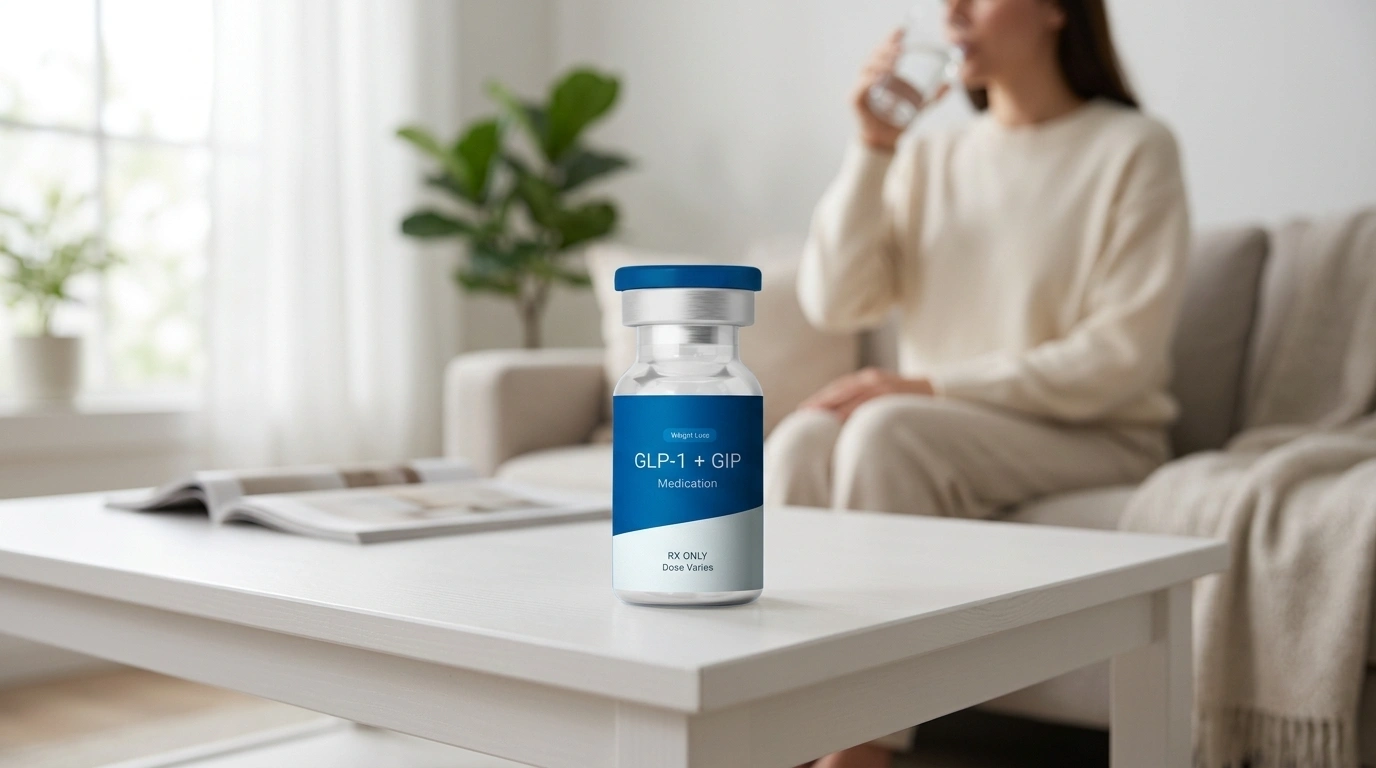
If you are using compounded tirzepatide, the medication often arrives in a glass vial. In this format, you use a separate syringe to draw the medication out manually. While it is technically possible to draw a smaller amount, you should never do this without a direct instruction from your licensed provider. Splitting a dose requires precise calculations and strict sterile protocols that are difficult to maintain without professional guidance.
Key Takeaway: You should never attempt to split a dose from a single-use branded pen. If you are using a vial, any changes to your schedule must be approved and supervised by your medical specialist.
Why People Consider Dose Splitting
The interest in splitting a weekly dose into two smaller sessions usually stems from two common frustrations: side effect management and the “wear-off” effect.
Managing Gastrointestinal Side Effects
Because tirzepatide affects how fast your stomach empties, it can cause nausea, bloating, or indigestion. These symptoms often peak about 24 to 48 hours after an injection when the medication levels in your blood are at their highest. Some people believe that by taking two smaller doses, such as half on Monday and half on Thursday, they can keep the “peaks” lower and avoid severe nausea.
For more information, explore this guide to tirzepatide side effects and management strategies.
Addressing the End-of-Week Hunger
The half-life of tirzepatide—the time it takes for the concentration of the drug in your body to reduce by half—is approximately five days. Because of this, some individuals notice that their appetite or “food noise” begins to return on day six or seven. They consider splitting the dose to keep the medication levels more consistent across the full seven-day cycle.
The Risks of DIY Dose Splitting
While the logic behind splitting a dose might seem sound, doing it on your own introduces significant risks to your health and the success of your program.
Increased Risk of Contamination
Every time a needle enters a vial or touches your skin, there is a risk of introducing bacteria. Branded single-use pens and vials are often preservative-free. This means that once the sterile seal is broken or the medication is exposed to air, bacteria can grow rapidly. Splitting a dose increases the number of times you must handle the medication and perform an injection, which significantly raises the chance of an infection at the injection site.
Dosing and Calculation Errors
Measuring medication in a syringe requires precision. If you are trying to divide a prescribed dose into unconventional increments, it is easy to make a mistake. An overdose can lead to severe vomiting and dehydration, while an underdose may cause your weight loss progress to stall.
Medication Stability
Tirzepatide is a sensitive peptide. It must be stored at specific temperatures and kept away from light to remain effective. When medication is moved between containers or sits in a plastic syringe for several days, it can lose its potency. This means you might be injecting a substance that is no longer working as intended.
Important: Always consult your healthcare provider before changing your injection schedule. Your provider can help you adjust your titration or offer strategies to manage side effects safely.
If you need help determining whether a supervised prescription program is appropriate for you, complete a free eligibility assessment.
Understanding the Titration Schedule
The standard way to use tirzepatide is through a process called titration. This means you start at a very low dose, typically 2.5 mg per week, for at least four weeks. This allows your body to get used to the medication. If you tolerate it well, your provider may increase your dose in 2.5 mg increments every four weeks.
The reason for this slow build-up is to minimize side effects while finding the “maintenance dose” that works best for your body. If you are experiencing heavy side effects, the solution is rarely to split the dose; instead, your provider might suggest staying at your current lower dose for another month to give your body more time to adapt.
For another perspective on dosage timing, read this tirzepatide dosing and weekly injection guide.
Better Ways to Manage Side Effects
If you are thinking about splitting your dose because of nausea or discomfort, there are several evidence-based strategies you can try first.
- Prioritize Hydration: Dehydration is a leading cause of nausea and headaches while on GLP-1 and GIP medications. Aim for small, frequent sips of water throughout the day.
- Focus on Protein: Eating lean protein helps maintain muscle mass and can keep you feeling satisfied even as the medication levels naturally dip at the end of the week.
- Avoid Trigger Foods: High-fat, fried, or extremely sugary foods stay in the stomach much longer and are more likely to cause bloating and nausea when your digestion is slowed.
- Injection Site Rotation: Some patients report fewer side effects when they rotate their injection sites between the thigh, abdomen, and back of the arm.
- Nutritional Support: Using targeted supplements can help bridge the gap when your appetite is low. Our GLP-1 Daily Support is designed to help maintain nutrient balance during your program.
For additional metabolic support during a weight loss routine, consider the Weight Loss Boost supplement.
The TrimRx Approach to Personalized Care
At TrimRx, we understand that no two weight loss journeys are the same. A “one-size-fits-all” approach rarely works when it comes to metabolic health. This is why our platform focuses on connecting you with licensed providers who can tailor your treatment to your specific needs.
Through our telehealth-first model, you have 24/7 access to a dedicated team of specialists. If you are struggling with side effects or feel your current dose isn’t the right fit, you don’t have to wait weeks for an in-person appointment. You can communicate with your provider to discuss safe adjustments to your program, ensuring your journey remains both comfortable and effective.
What to Expect During the Program
Starting a program with us is designed to be straightforward and supportive. We remove the barriers of traditional weight loss clinics—like waiting rooms and hidden fees—so you can focus on your health.
The Onboarding Process
Step 1: The Assessment. You begin by taking our free assessment quiz, which gathers details about your health history and goals.
Step 2: Provider Consultation. A licensed healthcare provider reviews your profile to determine if a GLP-1 or GIP medication is a safe and appropriate fit for you.
Step 3: Personalized Treatment. If eligible, your program is customized. This includes your medication, which is shipped directly to your door from FDA-registered, inspected compounding pharmacies.
Step 4: Ongoing Support. You receive unlimited support from our specialists to help you navigate dosing, side effects, and lifestyle changes.
Compounded vs. Branded Tirzepatide
It is important to understand the distinction between the different formats of this medication. Branded products like Mounjaro® and Zepbound® are FDA-approved medications. Compounded tirzepatide is a medication prepared by a pharmacy to meet the specific needs of a patient. While compounded medications are not FDA-approved, they are prepared in FDA-registered and inspected facilities.
We facilitate access to compounded medications for patients whose providers determine it is the best clinical path. These medications often come in vials, which provides some flexibility in dosing—but only when directed by your provider. We do not ship branded medications; those prescriptions are filled by patients at their preferred local pharmacy.
Bottom line: Whether you are using a branded pen or a compounded vial, the safety rules remain the same: do not alter your dose or schedule without professional medical oversight.
Consistency is Key to Success
The most successful weight loss outcomes occur when patients stay consistent with their treatment plan. While the “wear-off” effect at the end of the week can be annoying, it is actually a normal part of how the medication cycles through your system. Learning to manage those final two days of the week with healthy habits—rather than extra injections—helps build the sustainable lifestyle changes needed for long-term weight maintenance.
If you find that your appetite is returning too strongly, it may simply be a sign that you are ready to move up to the next dose in your titration schedule. This is a conversation you should have with your provider during your regular check-ins.
Taking the Next Step in Your Journey
If you are feeling overwhelmed by dosing schedules or side effects, remember that you don’t have to figure it out alone. Weight loss is a complex biological process, and having professional guidance makes a significant difference in both your comfort and your results. Our mission at TrimRx is to help you embrace a healthier lifestyle through a transparent, science-backed approach. We merge clinical expertise with the convenience of modern technology to ensure you have the tools you need at every stage of your journey.
Whether you are just starting to research GLP-1 medications or you are looking for a more personalized level of support for your current treatment, we are here to help. Our programs are designed to be inclusive, transparent, and focused on your long-term success.
Key Takeaway: Personalized support is the best way to handle dosing concerns. Instead of splitting your dose on your own, work with a specialist who can adjust your program to fit your body’s unique responses.
Conclusion
While the idea of splitting your tirzepatide dose might seem like a practical way to manage side effects or hunger, it is not a recommended practice for branded medications and carries risks for compounded ones. The safest and most effective way to reach your weight loss goals is to follow the weekly schedule established by clinical research and your healthcare provider. If you are experiencing challenges with your current routine, the best move is to seek professional guidance rather than making DIY adjustments. We are dedicated to providing the clinical oversight and empathetic support you need to make your weight loss journey sustainable. Ready to see if a personalized program is right for you? Your first step is to take our free assessment quiz to explore your options.
FAQ
Can I use the same needle twice if I split my dose?
No, you should never reuse a needle. Reusing needles increases the risk of serious skin infections and can cause the needle to become dull, making the injection more painful. Always use a fresh, sterile needle for every single injection.
Will splitting my dose make the medication wear off slower?
There is no clinical evidence to suggest that splitting the dose extends the effectiveness of tirzepatide. Because the medication has a long half-life, a weekly dose is already designed to provide consistent levels in your blood throughout the seven-day period.
What should I do if my nausea is too bad to take my full dose?
If your side effects are severe, contact your healthcare provider immediately. They may suggest skipping a dose, staying at a lower dose for a longer period, or providing anti-nausea support rather than having you split your dose. You can also review this resource on what causes nausea with tirzepatide and how to manage it.
Can I split the dose from a Mounjaro® or Zepbound® pen?
No, these branded pens are single-use, closed-delivery systems. They are designed to fire once and deliver the full amount of medication. Any attempt to split the dose from these pens will result in a wasted dose or potential injury.
Disclaimer: This content is for informational purposes only and does not constitute medical advice. It is not intended to diagnose, treat, cure, or prevent any disease or condition. Individual results may vary. Always consult a qualified healthcare professional before starting any weight loss program or medication.

Transforming Lives, One Step at a Time
Keep reading

Can You Reduce a Tirzepatide Maintenance Dose Without Regaining?
Possibly, and the honest position is that nobody can tell you in advance. There is no established minimum effective maintenance dose, because the trials…

Should You Taper Off Tirzepatide or Just Stop? What the Evidence Says
There is very little direct evidence either way, and anyone who tells you otherwise is filling a gap with confidence. The withdrawal trials that…
Stalled on Tirzepatide Even After a Dose Increase: Your Options
The first thing to check is how long it has been since the increase, because most people ask this question too early. A dose…


